What Is a Car Cover with Wind-Resistant Design? A Plain-English Breakdown
Published

What "Wind-Resistant Design" Actually Means on a Car Cover
A lot of people assume any thick, heavy-duty cover will stay put in wind. That's not how it works. Wind resistance isn't one feature you can point to. It's a combination of things working together: how the cover fits your car, what the fabric does when air hits it, and whether there's hardware actually holding the thing down.
That last part trips people up the most. "Heavy-duty" usually refers to fabric durability against scrapes, tree sap, or UV. "Waterproof" means water beads off or gets blocked from soaking through. Neither one tells you whether the cover will stay anchored to your car when a gust comes through the parking lot. A car cover with wind-resistant design specifically addresses the "staying put" problem, and it does it through fit, fabric weight, and hold-down hardware, not just one of those in isolation.
So here's where we're headed: what the actual engineering looks like, why it matters more than most owners think, how to spot it on a product page before you buy, how to install it so it works the way it's supposed to, and how to match it to your specific vehicle.
The Engineering Behind a Wind-Resistant Cover
Start with the hem. A cover that just drapes over your car with a loose edge is going to catch wind like a sail. Elasticized hems and corner pockets cinch the fabric in against the body of the car, so there's no loose flap at the bottom edge for air to grab onto. That's the first line of defense, and it's also the one that's easiest to feel with your hands when you're shopping in person.
Next: grommets. Good wind-resistant covers have built-in grommet holes near the front and rear, usually low on the body, so you can thread a cable or strap underneath the vehicle and cinch the cover down from below. Without that anchor point, you're relying entirely on the hem doing all the work, and in sustained wind, it won't.
Then there are the straps themselves. Buckle or tie-down straps placed at the mirrors, bumpers, or rocker panels give the cover multiple points of contact instead of one. Picture a tent: stakes at four corners hold it steady, one stake doesn't. Same logic here.
Fabric matters too, though it's more subtle. A lightweight single-layer cover billows more in wind than a multi-layer or treated fabric, simply because there's less mass resisting the air pressure. That doesn't mean lightweight fabric is bad, it's often fine for mild, occasional wind, but if you're dealing with regular gusts, the fabric weight is part of the wind-resistance equation, not separate from it.
And fit ties it all together. A custom-fit car cover is cut to your exact vehicle's dimensions, which means there's very little slack fabric anywhere on the car. A universal-fit cover, cut to loosely accommodate a range of vehicle sizes, almost always has extra material somewhere, and that extra material is exactly what wind grabs first.
Why Wind Resistance Matters More Than Most Owners Realize
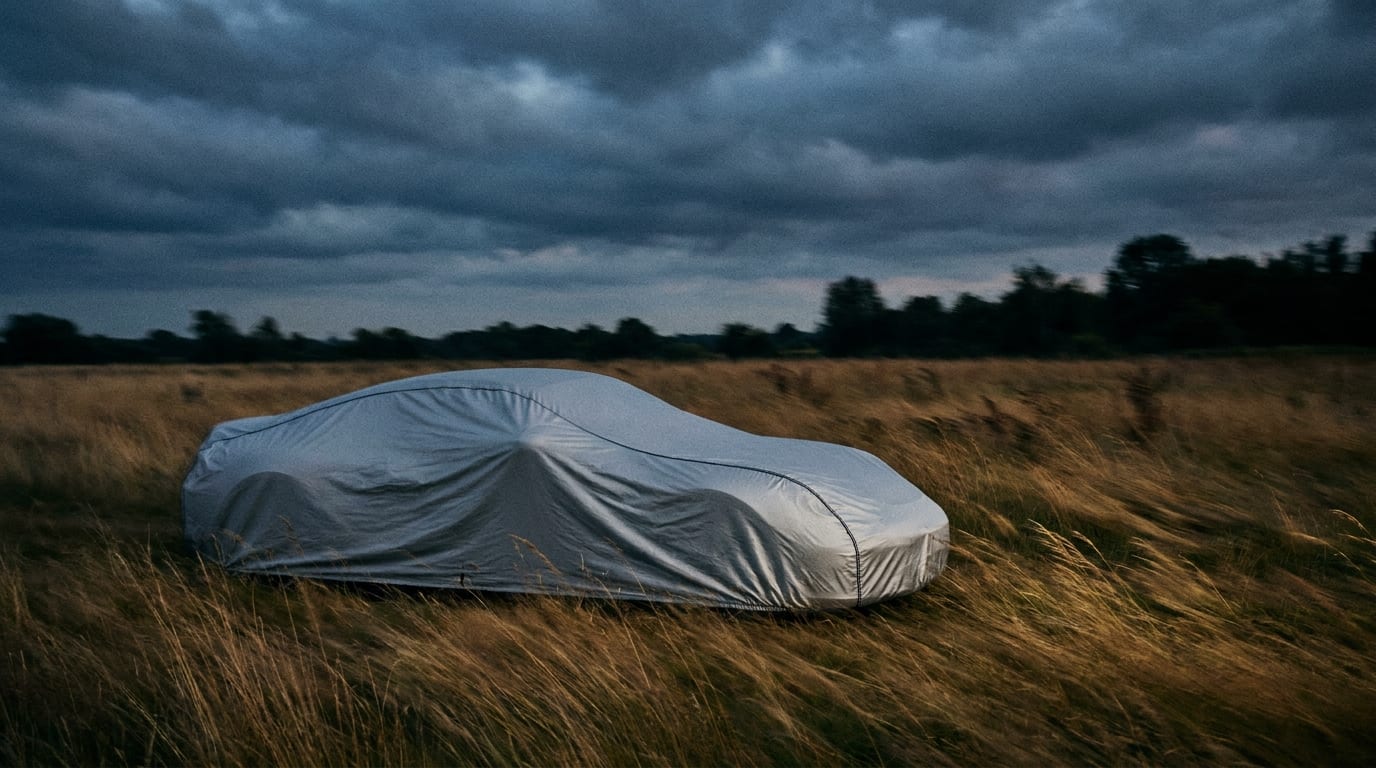
Here's what people miss: a cover that flaps in the wind isn't just annoying to look at. That constant motion grinds against your paint and clear coat like fine sandpaper, over and over, every time the wind picks up. It's slow damage, which is why it's easy to ignore until the finish starts looking dull in patches.
There's a second problem that's more immediate. A cover that's only half-secured can blow partially off the car, and once that happens, the parts of your vehicle left exposed get hit with exactly the rain, UV, and debris the cover was supposed to block in the first place. You end up with the worst version of both scenarios, covered enough to feel protected, exposed enough to take damage.
In genuinely severe gusts, an unsecured cover can detach completely. At that point it's not just your car at risk, it's whatever the cover lands on, another vehicle, a window, a person walking by. That's a real liability, not a hypothetical one.
And the cover itself pays a price. Constant wind stress puts repeated strain on seams and grommet points, the exact spots that are supposed to be reinforced. A cover that's fighting the wind every day wears out faster than one that's properly anchored, which is a little ironic since the whole point of these features is to extend the cover's working life.
How to Spot a Truly Wind-Resistant Cover When Shopping
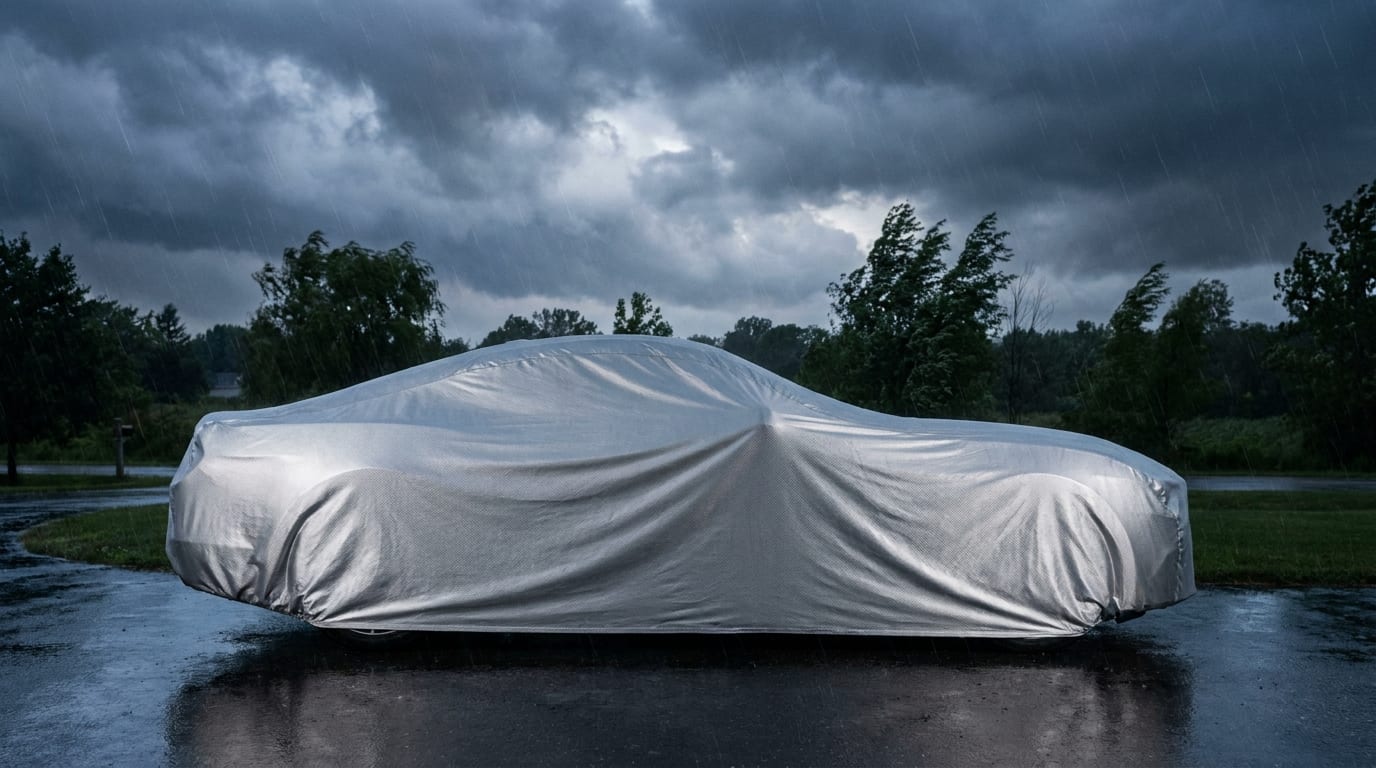
When you're comparing covers online, look for a specific checklist: integrated grommets, an included cable or strap kit, elastic hems, snug sizing built for your specific make and model, and reinforced seams at stress points. If a product listing mentions all five, you're probably looking at something built for outdoor, wind-exposed use.
The red flag is a universal-fit cover that only has a drawstring hem and nothing else. No grommets, no strap points, just a string you pull tight at the bottom edge. That works fine in a garage with zero air movement. It does not work in an open driveway during a windy afternoon.
This is also why outdoor car covers and indoor car covers are built so differently. Indoor covers are designed around dust and light scratches, calm environments where wind simply isn't a factor. Outdoor covers have to assume wind, rain, and UV all at once, so the hardware is non-negotiable in a way it isn't for an indoor product.
One thing people underweight: sizing accuracy affects wind performance just as much as the hardware does. You can have every strap and grommet imaginable, but if the cover is a half-size too big, you've got slack fabric that no amount of strapping fully resolves. If you're not sure what category your vehicle falls into, it's worth checking what size car cover fits your vehicle before you buy, rather than guessing and hoping the straps make up the difference.
Installing and Securing Your Cover for Maximum Wind Resistance
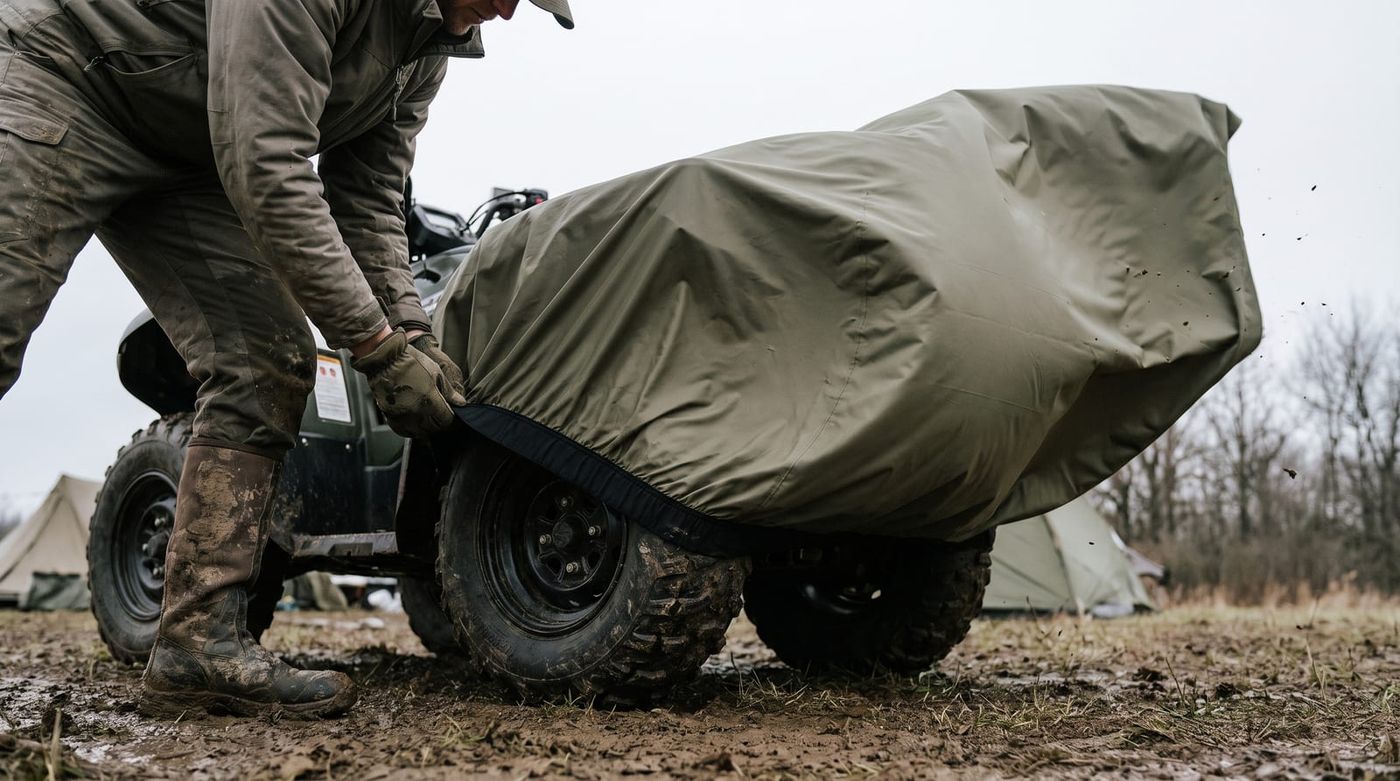
Installation order actually matters here. Drape the cover over the car first, align the seams so the fit sits the way it's designed to, then cinch the elastic hem snug around the body. Only after that should you add straps or thread the cable. Do it in the wrong order and you'll end up re-adjusting everything once you realize the hem wasn't pulled tight enough underneath.
If your cover didn't come with strap hardware, it's worth adding an aftermarket gust strap kit, especially if you're in an area that gets regular wind, coastal regions, open parking lots, anywhere without windbreaks. For a full walkthrough, there's a dedicated guide to installing gust straps and wind straps that covers placement and tensioning.
The grommets do double duty, too. Running a cable lock through them anchors the cover against wind and deters theft of the cover itself, which does happen more than people expect. If you want the specifics on that setup, there's a step-by-step cable lock installation guide worth following.
One maintenance note that's easy to forget: check strap tension and grommet wear periodically, especially after a storm. Straps stretch slightly over time, grommets can fray at the edges. A quick check every month or two keeps the whole system doing its job instead of slowly loosening without you noticing. And if the cover's gotten dirty from the exposure, a proper cover cleaning routine keeps the fabric from degrading faster than it should.
Matching a Wind-Resistant Cover to Your Vehicle Type
For most daily-parked vehicles, an outdoor, custom-fit cover is the strongest starting point you can pick. It solves the fit problem and the exposure problem in one product, rather than making you choose between the two.
Trucks and SUVs need a bit more thought on tie-down points specifically, because they've simply got more surface area for wind to act on. A truck cover built for outdoor use typically has strap points positioned further apart to account for that larger body, so it's worth checking that the strap placement actually matches your vehicle's size rather than assuming one strap configuration fits everything.
It's also worth checking waterproofing and wind resistance together when you're comparing products, since they tend to show up in the same product lines but aren't guaranteed to be equal in strength. A cover can be excellent at blocking rain and still have a weak hem system, so read both specs rather than assuming one implies the other. The waterproof car cover category is a reasonable place to start if you're trying to find overlap between the two.
And if you're still unsure which fit category your vehicle falls under, don't guess, sizing guidance is a five-minute check that saves you from buying the wrong cut entirely.
Ready to Stop Wind Damage? Browse Wind-Resistant Covers
Before you buy anything, check three things: fit (is it cut for your specific vehicle, not a general size range), hardware (grommets, straps, elastic hem), and fabric (weight and layering appropriate for how much wind exposure you actually get). Get those three right and you've solved the problem that most cover shoppers don't even know they're walking into.
If you're ready to look at options, the custom-fit and outdoor cover collections are the right starting point, since they're built around exactly the conditions this article covers. And if you want some peace of mind on the purchase itself, it's worth knowing most of these covers come backed by a lifetime warranty, so you're not stuck if a seam or grommet gives out early.
Take a few minutes to compare a couple of models side by side rather than grabbing the first one you see. The hardware differences are small on a spec sheet but they're the whole story once that cover's actually sitting on your car in the wind.