


What Questions Should I Ask Before Buying a Car Cover Online?
What Questions Should I Ask Before Buying a Car Cover Online?
Before buying a car cover online, ask three things: does it fit your exact year/make/model or is it universal sizing, is the material rated for your climate, and what's the warranty and return policy if the fit's off once it arrives. Get those three answered and you've eliminated most of what goes wrong with an online cover order.
Most returns and "this doesn't work" complaints trace back to one of those three questions never getting asked. Someone buys a universal cover for a truck with a bed rack, it flaps loose in the wind, and now they're stuck with a cover that doesn't do its job. Or they buy an indoor satin cover thinking it'll survive a driveway in Phoenix. It won't.
The rest of this piece breaks down what to check under each question and why it matters, plus a comparison table for custom, semi-custom, and universal covers. Applies whether you're covering a sedan, a truck, an SUV, a motorcycle, or an RV parked in the side yard all winter.
What size and fit questions should you ask?
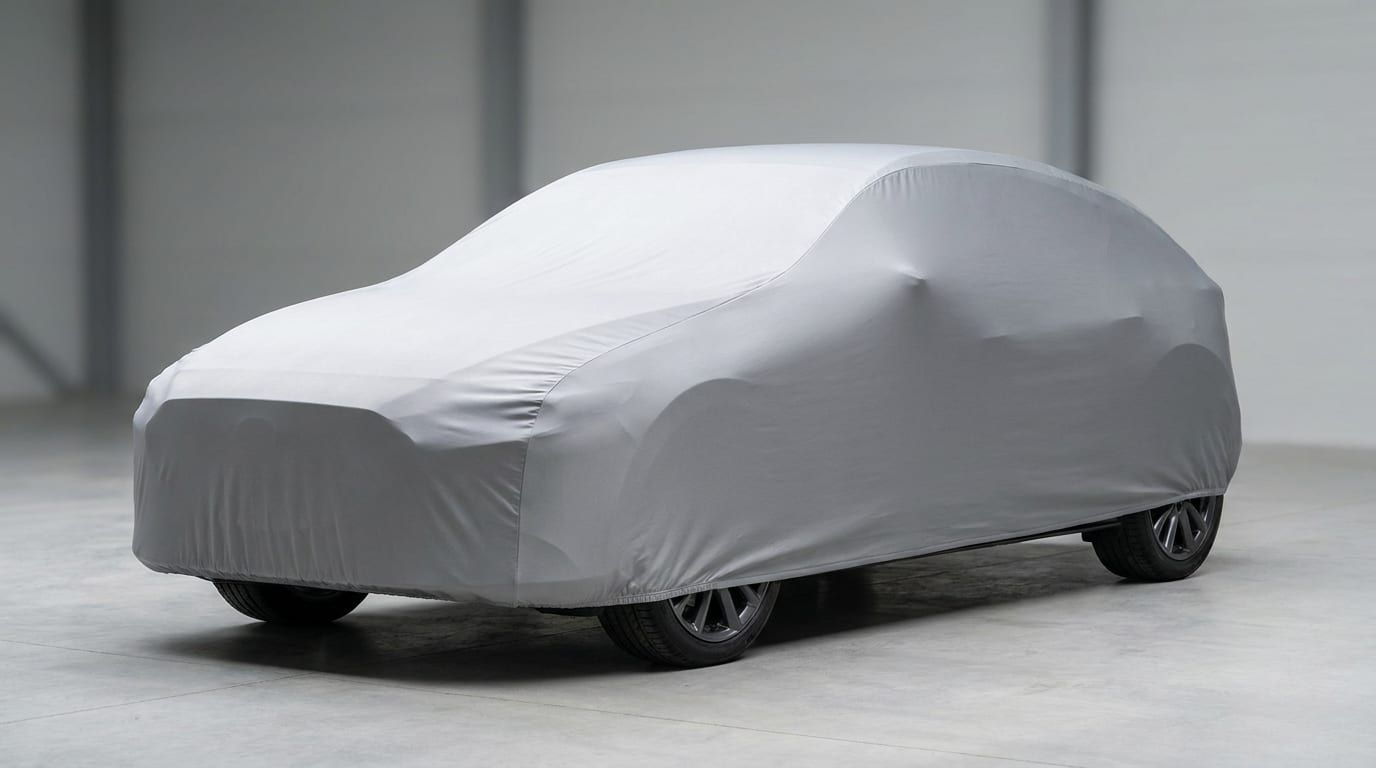
First question: is this custom-fit, semi-custom, or universal? Custom-fit means the cover is built to your exact year, make, model, and sometimes trim. Semi-custom fits a size range across similar body styles. Universal is one-size-fits-most, which really means fits-nothing-perfectly. Fit accuracy is the whole game here. A loose cover flaps in wind, lets dust and rain sneak in at the gaps, and can actually scuff paint from rubbing against itself.
Ask what the seller needs from you to get the fit right. Most legit sellers pull dimensions from a year/make/model or VIN lookup, so you're not out there measuring your own roofline with a tape measure. But double check: does that lookup account for mirror placement, antenna height, roof racks, spoilers, or a lift kit? Those are the details that trip up "should fit" covers.
Also ask about the hem. Elastic hems and under-rocker fit are what keep a cover snug at the bottom edge instead of billowing out in a crosswind. If the listing doesn't mention hem type at all, that's a gap worth asking about directly before you buy.
Before ordering anything, run your vehicle through a sizing guide or check out how custom-fit car covers actually differ from generic sizing. Five minutes there saves you a return label later.
What material and weather protection questions matter most?
Ask whether the cover is built for indoor use, outdoor use, or both. These aren't the same fabric doing double duty. An indoor car cover uses a soft, breathable material meant to stop dust and light scratching in a garage. An outdoor car cover needs to be heavier, UV-rated, and actually waterproof to survive rain, sun, and wind for months at a time. Put an indoor cover outside and you're asking fabric to do a job it wasn't built for.
Here's where people get burned: "weatherproof" and "water-resistant" get used loosely by sellers, and they don't mean the same thing as waterproof. Ask directly which one it is. A waterproof car cover is built to keep water out entirely. Water-resistant fabric holds off light moisture but will eventually let water through in a real downpour. If the seller can't give you a straight answer on this, that's a red flag on its own.
If your vehicle sits outside in direct sun, ask about UV rating too. Sun degrades cheap fabric fast, fading both the cover and, over time, your paint underneath it. And ask about breathability, since a cover that's waterproof but not breathable traps moisture against the paint, which is basically a slow-motion mildew machine.
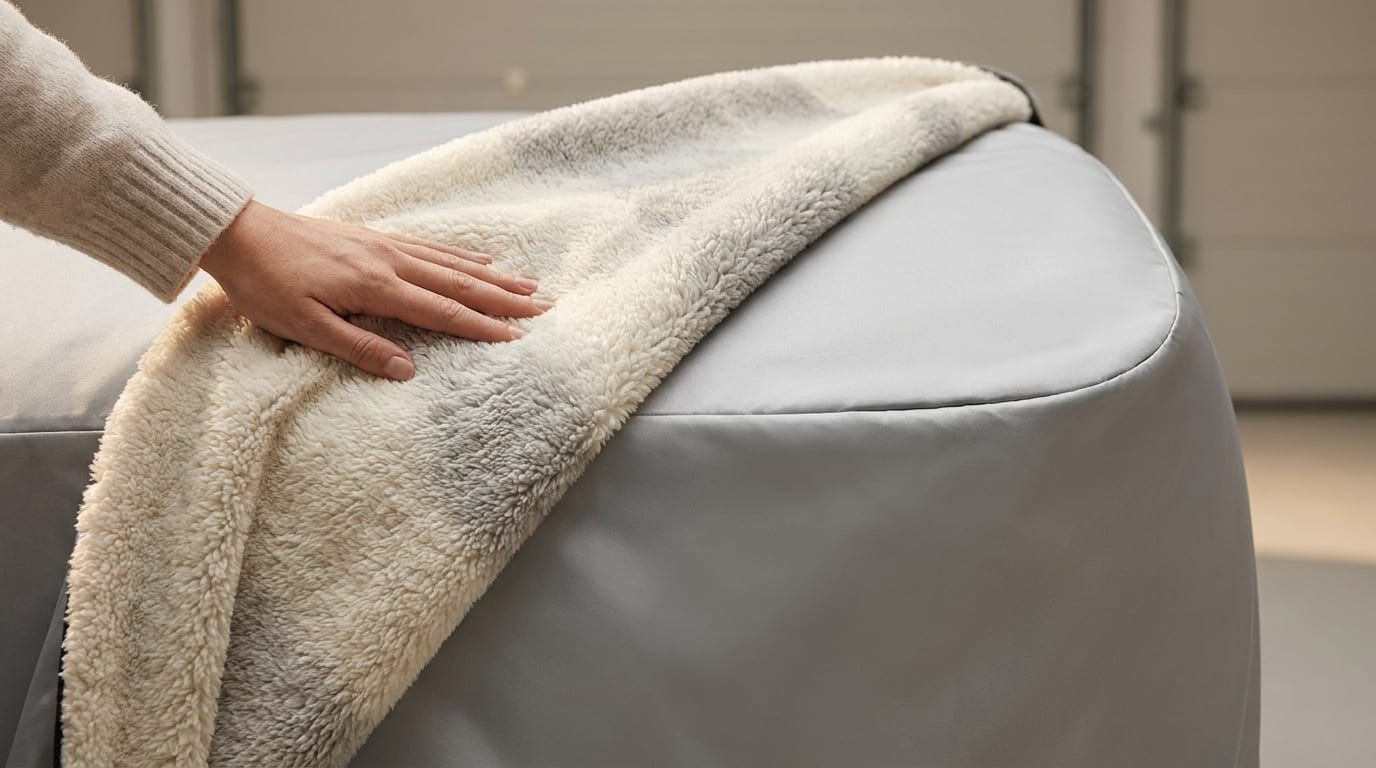
Last thing: ask if there's a fleece or soft lining on the inside. That's the layer actually touching your paint, and it's the difference between a cover that protects the finish and one that quietly wears it down every time the wind shifts.
What questions should you ask about installation and security features?
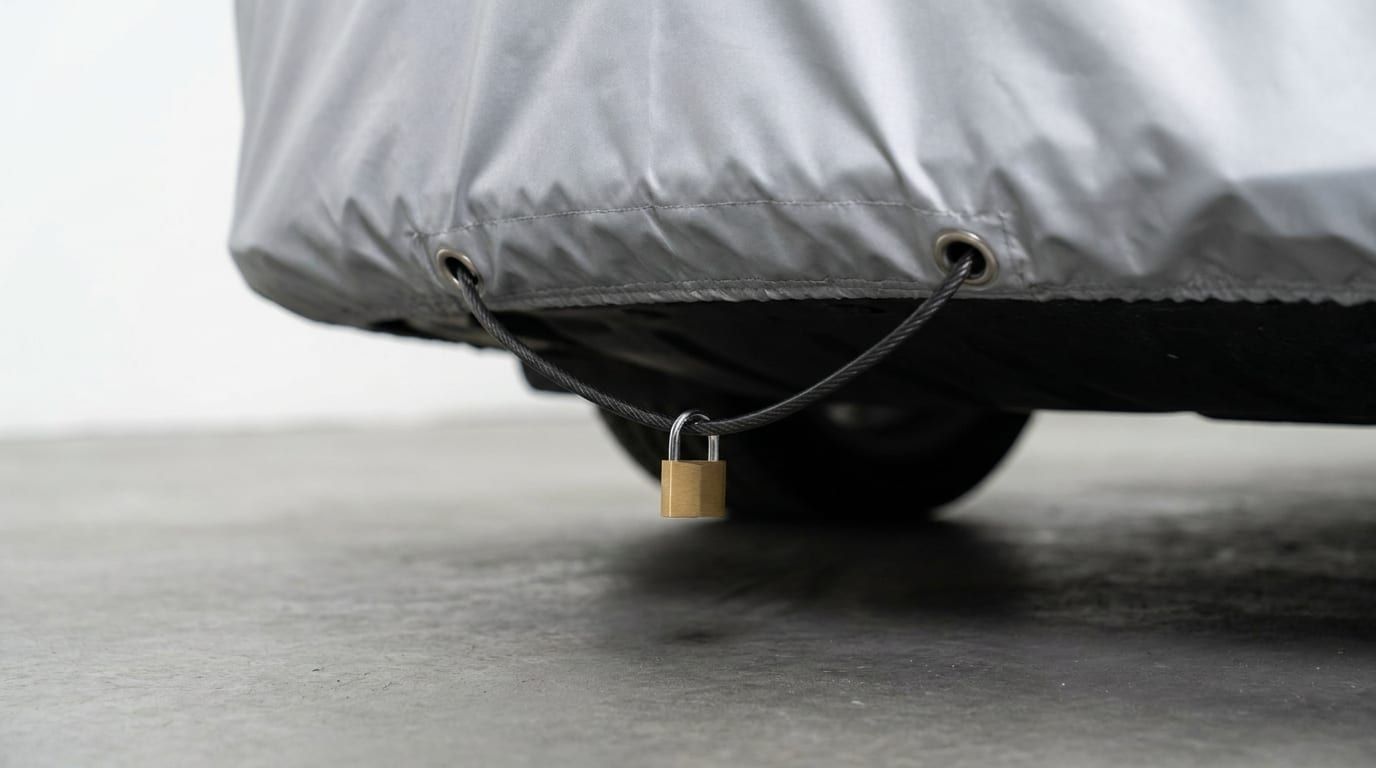
Ask if the cover comes with tie-down straps, grommets, or a cable-and-lock setup. Without something securing it, even a well-fitted cover can lift in strong wind, and an unsecured cover is also just easier to steal off the vehicle. This matters more than people expect. It's not an accessory, it's part of whether the cover stays on your car.
Ask how long installation actually takes, and whether you'll need a support pole. Trucks, vans, and anything with tall mirrors or a roof antenna sometimes need one to keep the cover from pooling water or sagging in the middle. If the listing doesn't say, ask before you buy, not after it's sitting in a box.
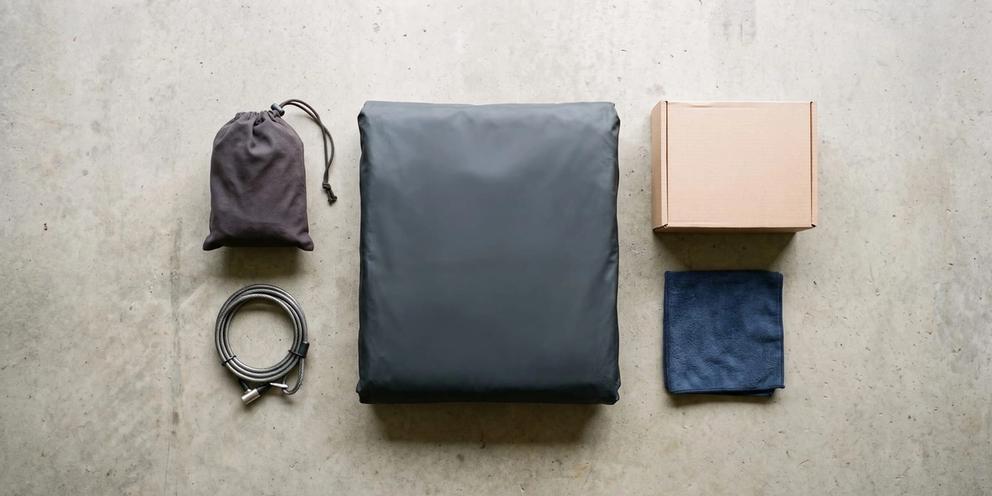
Ask if a storage bag ships with it. Sounds minor, but if you're only using the cover seasonally, tossing it loose in a garage corner shortens its life fast. A bag keeps it clean and away from anything sharp until next time. For long-term storage between uses, this car cover storage guide is worth a read too.
And ask whether the seller has actual instructions for the accessories you're ordering. Not every cable lock or gust strap installs the same way. There's a real difference between guessing at it in your driveway and following an installation guide for gust straps and wind straps built for the exact product you bought.
What should you ask about warranty, returns, and shipping before checkout?
Ask exactly what the warranty covers. Fabric defects? Stitching? Fading from sun exposure? "Lifetime warranty" sounds great on a product page, but it means different things depending on the seller, so get specifics before you assume anything. If you want to know what a real warranty should spell out, this breakdown of lifetime warranty terms on car covers is a good baseline to compare against.
Ask the actual return window, and ask the question that matters most: can you return it after trying it on the vehicle, or does it have to stay unopened? A cover that looked right on paper but sits crooked on your actual roofline is the single biggest reason people send covers back. Check the return policy before you buy, not after the cover's already on your car and you're wondering if it's too late.
Ask about shipping timeline too, especially if you need protection before a storm rolls in or before a move. Some sellers offer expedited shipping, some don't, and that gap can matter if you're buying reactively instead of planning ahead.
Last one: ask if there's a no-hassle exchange if the size is wrong. A seller with a real no-hassle guarantee makes getting the right size a lot less stressful than one that treats every exchange like a fight.
Custom-Fit vs. Semi-Custom vs. Universal Covers: Which Questions Apply?
Not every question above carries equal weight for every cover type. Here's how the three stack up.
Custom-Fit
- Fit accuracy: Built to your exact year, make, model, sometimes trim
- Typical price range: Highest of the three
- Weather protection level: Best, since a tight fit means fewer gaps for wind and water
- Installation time: Quick once you've confirmed the right fit
- Best use case: Daily protection and long-term outdoor or indoor storage
Semi-Custom
- Fit accuracy: Close fit across a size range, not exact
- Typical price range: Mid-range
- Weather protection level: Good, minor gaps possible around mirrors or trim
- Installation time: Moderate, may need adjusting or straps to snug it down
- Best use case: Common body styles without a rare trim or aftermarket add-ons
Universal
- Fit accuracy: Loose, one-size-fits-most
- Typical price range: Lowest
- Weather protection level: Weakest, more flapping and gaps at the edges
- Installation time: Fastest to buy, but often needs straps added for security
- Best use case: Short-term or budget coverage, not long-term storage
If you're going custom, the fit questions from earlier matter most, since that's the whole value of paying more. If you're going universal, spend your energy on the price and return questions instead, because a loose fit is baked into the product, not a defect you can fix. Compare all three side by side on the best car cover comparison page before deciding.
FAQ: Common Questions Before Buying a Car Cover Online
Do I need my vehicle's exact measurements before buying online?
Yes, for custom or semi-custom covers. Most sellers pull this from your year, make, and model automatically, but always double check mirror and antenna placement yourself.
How do I know if a cover is truly waterproof or just water-resistant?
Ask for the fabric's water-column rating, or look for the word "waterproof" specifically. "Weather-resistant" is marketing language that usually means some moisture gets through.
What's the difference between an indoor and outdoor car cover?
Indoor covers use soft, breathable fabric for dust and scratch protection in a garage. Outdoor covers use heavier, waterproof, UV-rated fabric built to handle rain, sun, and wind.
Should I ask about the return policy before buying a cover online?
Yes. Confirm the return window covers a trial fit on your actual vehicle, not just an unopened box. Fit issues are the number one reason covers get returned.
What accessories should I ask about when buying a cover?
Ask whether tie-down straps, a cable lock, and a storage bag are included. These affect both how secure the cover stays and how long it lasts.
Next Step: Find the Right Cover for Your Vehicle
Three questions matter more than the rest: does it fit, is the material right for your climate, and what happens if it doesn't work out. Everything else is detail.
If you haven't nailed down your vehicle's exact fit yet, run it through a cover finder tool before you start comparing fabric or price. It's a faster way to narrow the field than scrolling listings hoping one looks right.
Asking these questions before you check out is what keeps you off the return-and-reorder cycle that a lot of first-time online cover buyers end up in. Get the fit and the weather rating right up front, and the cover just works, no back-and-forth needed.
If you found this useful, stick around and browse a few more guides before you buy. It's the cheapest way to avoid an expensive guess.
Updated