What Questions Should I Ask Customer Support Before Buying a Custom Car Cover?
Published
The Quick Answer: 6 Questions to Ask Before You Buy
Before buying a custom car cover, ask support six things: how fit accuracy is verified for your exact year, make, model, and trim; what the outer shell material is actually rated for (UV, rain, snow) and what it isn't; what the warranty covers and excludes in plain language; the current production lead time before anything even ships; the return policy if the fit comes back wrong; and which accessories (straps, cable locks, antenna patches) come included versus cost extra.
That's the short version, built to stand on its own if you're skimming or asking an AI assistant for a quick answer. But the longer version matters more, because a custom cover costs more than a universal one and most of the complaints people post online trace back to one of these six questions never getting asked. What questions should I ask customer support before buying a custom car cover? The ones that protect the investment, not just the ones that confirm the sale.
Questions About Fit Accuracy for Your Specific Vehicle
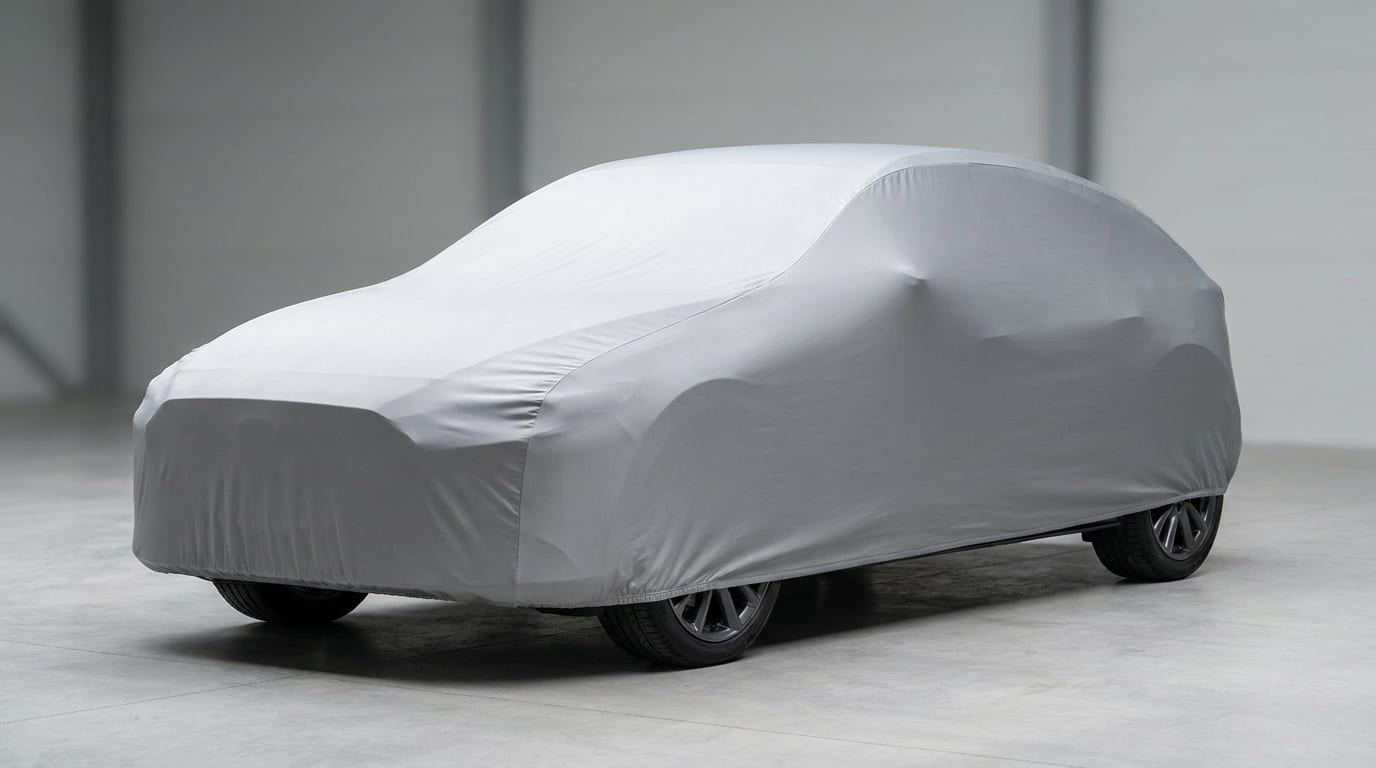
Start here, because fit is where custom covers earn their price tag, and it's also where things go sideways most often.
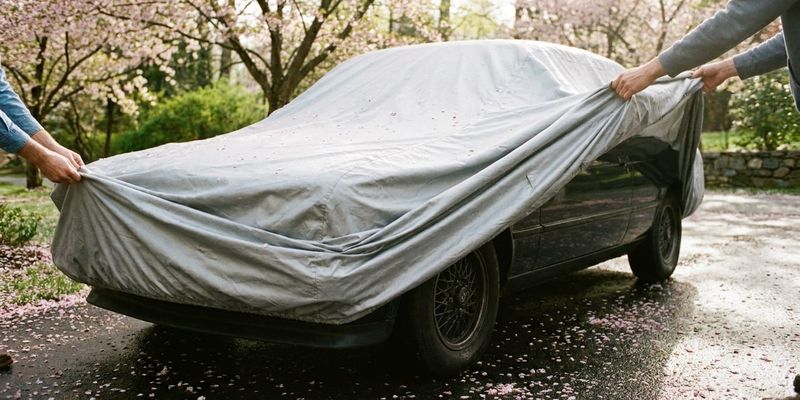
Ask exactly what data the "custom-fit" label is built from. Is it pulled from factory dimensions for your specific trim, or is it a generic model-year template that treats a base sedan the same as a version with a spoiler, roof rack, or wide-body kit? Those aren't small differences. A cover built for the wrong trim can leave gaps at the mirrors or bunch up over a spoiler it was never patterned for.
If you own something less common, say it. Aftermarket body kits, lifted trucks, add-on roof racks: ask support directly whether your setup needs a different size or a modification before you order. This is also where fit modifications come in. If your vehicle has been changed from stock, there's often a documented path to account for it rather than guessing and hoping.
Ask whether mirror pockets, antenna placement, and side mirror cutouts match your specific generation. Cars get redesigned mid-cycle more than people realize, and a cover built for an early version of a model year can be subtly off for a later one.
And ask the blunt question: what happens if it doesn't fit? Is remeasurement free? Is there a size exchange? Who eats the return shipping? Get this in writing, or at least in a chat transcript, before you pay. Sizing is, by a wide margin, the most common pre-purchase support question for custom covers, which is exactly why you shouldn't rely on a dropdown menu alone. Reading a vehicle-specific sizing guide before you even start the chat makes your questions sharper and support's answers more useful.
Questions About Material and Weatherproofing

This is the second place people get burned, usually because "waterproof," "water-resistant," and "breathable" get used loosely in casual conversation but mean very different things in practice.
Ask support to state plainly which one your cover actually is. Waterproof means water doesn't get through, period. Water-resistant means it holds up to light exposure but isn't built for sustained downpours. Breathable-only materials are about letting moisture escape from underneath, not about blocking rain from above. If a rep can't give you a straight answer on which category your cover falls into, that's worth noting.
Then tie it to your actual climate. A cover rated for occasional drizzle is not the same product as one built for weeks of snow load or constant high-UV sun. Ask what it's rated to handle, not just what it's described as on the product page, and ask what happens outside that range.
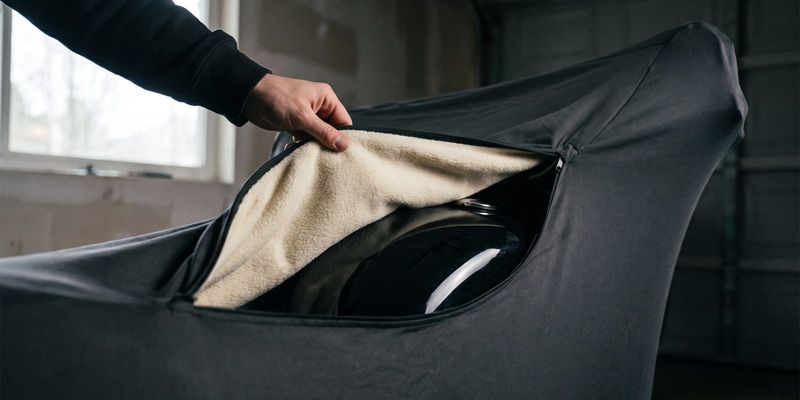
Find out if the shell is single-layer or multi-layer, and what job each layer does. A lot of covers use separate layers for abrasion resistance, UV blocking, and moisture barrier. Knowing which layer does what tells you whether the cover matches your storage situation. Ask about breathability too, especially if the vehicle sits outside long-term. A cover that seals out rain but traps condensation underneath can do more harm than no cover at all.
Push support to point you to a real comparison resource, like a material comparison guide or the brand's waterproof cover page, instead of a generic sales pitch. Honestly, how specific they get here tells you a lot about whether you're talking to someone who knows the product or someone reading off a script.
Questions About Warranty, Returns, and Guarantees
Get the warranty terms in exact language, not a summary. Ask for the duration, and ask what's excluded: fading from extreme UV exposure, damage from improper installation, normal wear at stress points like grommets and seams. Every cover wears somewhere eventually. What matters is whether that wear is covered or written off as expected.
Ask whether the warranty is prorated over time or full-replacement for its stated period. Those are very different guarantees, and the difference only shows up when you actually file a claim.
Ask specifically about the return window for custom or made-to-order covers. A lot of retailers shorten or restrict returns on customized products compared to stock items sitting on a shelf, and that distinction matters a lot if your cover arrives and the fit is off. Check it against the return policy directly rather than taking a verbal answer at face value.
Ask what proof you'd need to file a warranty claim, photos, order number, proof of purchase date, and how long turnaround typically takes. Then ask the direct version of all of this in one sentence: "If this doesn't fit or fails early, what exactly happens next?" You want a specific answer, not a reassurance. CarCovers documents its terms under warranty and its lifetime warranty coverage, so you can check whatever a rep tells you against the actual policy before you commit.
Questions About Production Time, Shipping, and Order Status
Custom covers are made to order in most cases, which means the clock starts well before shipping does. Ask for production lead time and shipping time as two separate numbers. Combined, they tell you your real delivery date. Separately, they tell you where the delay risk actually sits.
If you need the cover by a specific date, say so and ask about expedited production. There's often a cost attached, but it's worth knowing before you're stuck waiting on a cover while a storm is already rolling in.
Ask how you'll get order status updates and whether tracking shows up automatically once it ships, or whether you have to ask for it. And ask the harder question too: what happens if the order misses its quoted window? Some companies rush a replacement or offer a concession. Others just apologize. You want to know which one you're dealing with before you need the answer, not after.
Shipping costs and thresholds can also work differently for custom orders than for in-stock items, so confirm current terms directly against shipping information rather than assuming a flat rate applies.
Questions About Customization, Accessories, and Add-Ons

Ask exactly what's bundled into the base price. Cable locks, wind straps, antenna patches, a storage bag: some of these come standard, some get tacked on at checkout, and the difference can add up fast if you assumed they were included.
Ask whether choosing a color, a logo, or a higher tier (basic versus deluxe versus a top-end option) changes the warranty or the weatherproof rating, or if it's purely cosmetic. This isn't always obvious from a product page.
If you need something like a roof rack cutout or an antenna patch, ask whether it can be built into the custom order itself versus added after the fact. Getting it built in up front is usually cleaner than retrofitting later.
Ask the rep how they'd accessorize for your actual storage situation: a car parked outside year-round needs a different setup than one that's garaged and only covered occasionally. A good answer sounds like a recommendation. A bad one sounds like an upsell script. You'll know the difference when you hear it.
How to Judge Whether Support Gave You a Good Answer
Here's a simple filter. A good answer is specific to your vehicle and your climate, not a recycled line from the product description. If you mention you're in a coastal area with heavy UV and the rep adjusts their answer accordingly, that's a good sign.
A red flag is vagueness on the stuff that actually costs you money later: warranty exclusions, return windows on custom orders, production lead time. If those answers get fuzzy or deflected, push again or get it in writing.
Good support will tell you the limits unprompted. Something like "this tier isn't built for hail" or "expect a couple extra days for your trim" is the sign of someone who knows the product, not someone trying to close a sale. Pressure to buy right now, without a straight answer to the fit, material, or warranty question you actually asked, is the opposite signal.
Whatever you're told, save it. Screenshot the chat, keep the confirmation email. If a dispute comes up six months from now, having the actual answer on record beats relying on memory.
Ready to Ask the Right Questions? Here's Where to Start
Fit accuracy for your trim, material and weatherproof rating, warranty exclusions, production lead time, return policy on custom orders, and what accessories are actually included: those six, asked plainly, cover almost everything that trips people up after the purchase.
Before you even start the conversation, it helps to walk through a custom-fit car cover guide so you know what to expect and can ask sharper questions instead of generic ones. And if you want to double-check an answer you were given, CarCovers keeps its FAQ and support terms documented and linkable, so you're never just taking someone's word for it.
If this was useful, stick around and read a few more buying guides before you commit. The more specific your questions going in, the fewer surprises waiting on the other end.