


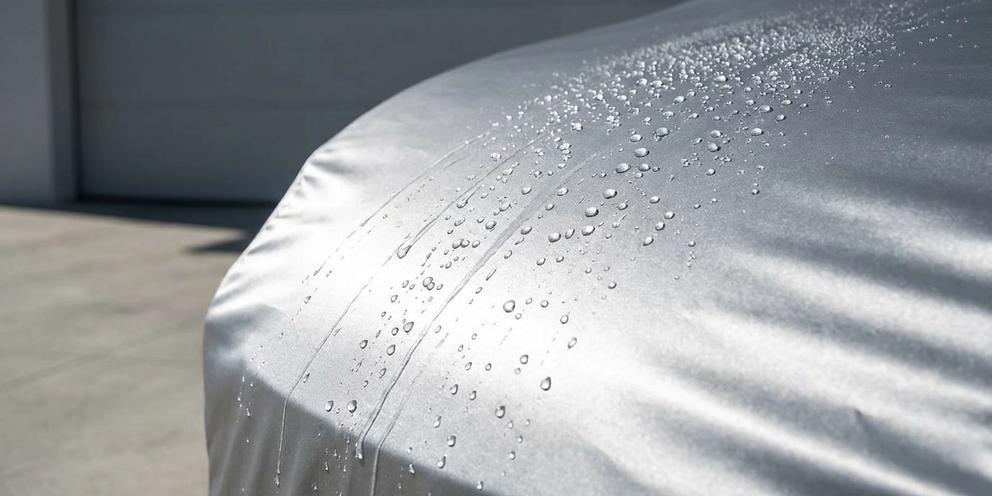
What Should I Look for When Buying a Car Cover for a Hot Desert Climate?
A car cover for a hot desert climate needs three things at minimum: a UV-blocking or reflective outer layer, breathable fabric that won't trap heat and moisture against your paint, and a lighter or reflective color that resists sun-fade and surface heat buildup. Desert conditions aren't just "sunny", they're a combination of intense UV, wild swings between scorching afternoons and cool nights, plus dust and windblown sand that grind against paint like sandpaper. If you're comparing car covers right now, treat this as your checklist before you buy, not after.
Why Does UV and Heat Resistance Matter More in Desert Climates?
Sun does more damage in the desert than most people expect. Prolonged UV exposure speeds up paint oxidation, cracks clear coat, and fades dashboards and upholstery faster than it would in a temperate climate with more cloud cover and shorter sun hours. It's not subtle, either. A car sitting uncovered in Phoenix or Las Vegas summer sun can show clear-coat stress within a season or two.
Here's what a lot of shoppers miss: cover surface temperatures in direct desert sun can run well above the actual air temperature. That means your cover material needs heat-resistant treatment, not just water resistance. A cover marketed for "all weather" protection built around cold-climate use, think snow load and rain shedding, often skips the UV-inhibiting treatment that desert owners actually need. Read the product details closely. If UV protection isn't mentioned specifically, assume it's an afterthought. For a broader look at what outdoor exposure does to a cover over time, this guide to using a car cover outdoors breaks down wind, UV, and moisture factors together.
Which Cover Materials Perform Best in Extreme Heat and Sun?
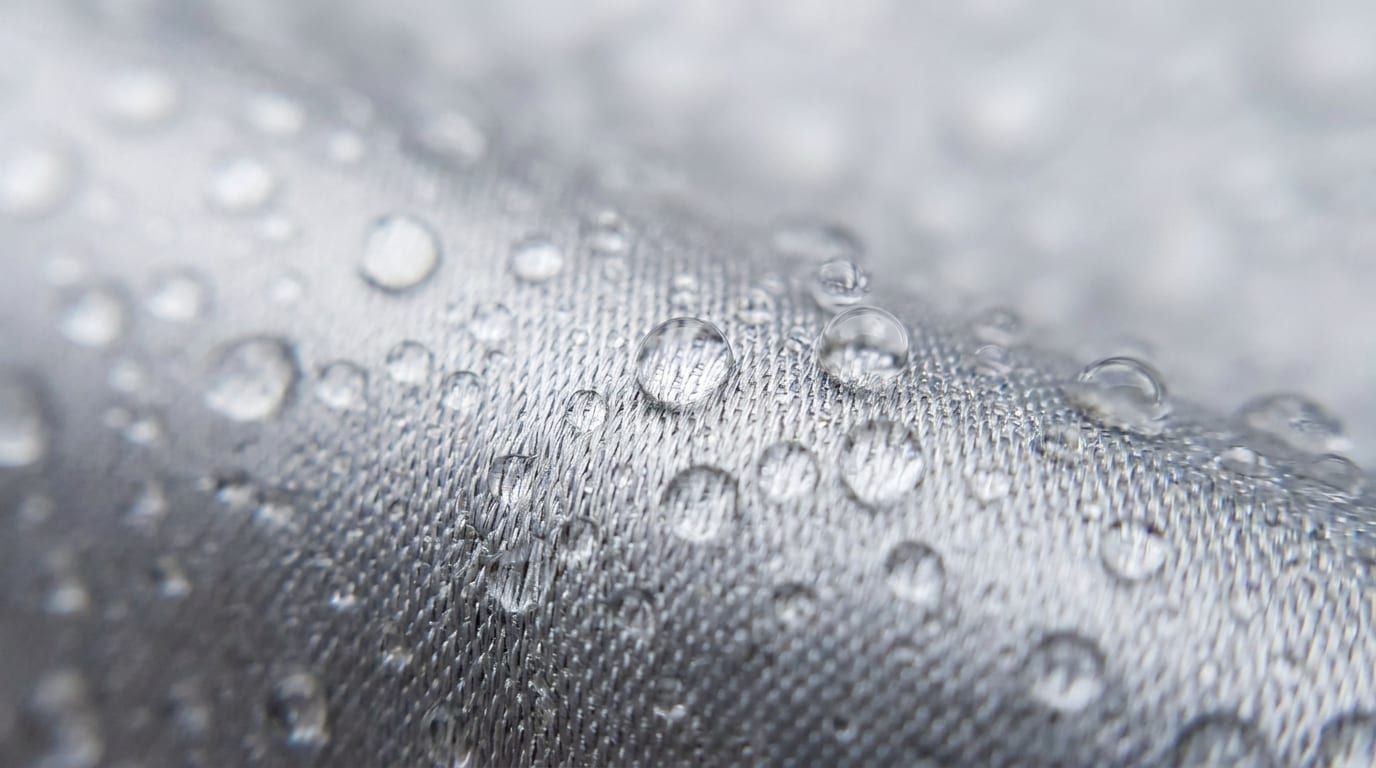
Multi-layer woven polypropylene and UV-treated polyester blends are the go-to choice for high-UV regions. These combine a reflective outer shell that bounces sunlight off the surface with a breathable inner layer that lets trapped air escape instead of cooking against your paint.
Breathability matters just as much as UV blocking here, and this is where a lot of buyers get it backwards. A non-breathable cover in desert heat traps hot, humid air right against the clear coat. That can actually be worse than leaving the car uncovered, since you get concentrated heat and condensation cycling in one enclosed space day after day.
Single-layer basic covers are fine for a garage or a mild coastal climate. In triple-digit desert heat, most lack the reflective coating to do much good, and they wear out fast under sustained UV load. If you want the full rundown on fabric types and how they hold up, this material comparison guide covers the tradeoffs in more depth. And since desert storage is almost always outdoor storage, look specifically at outdoor car covers built for that exposure rather than indoor-rated options.
How Do Desert-Ready Car Cover Tiers Compare?
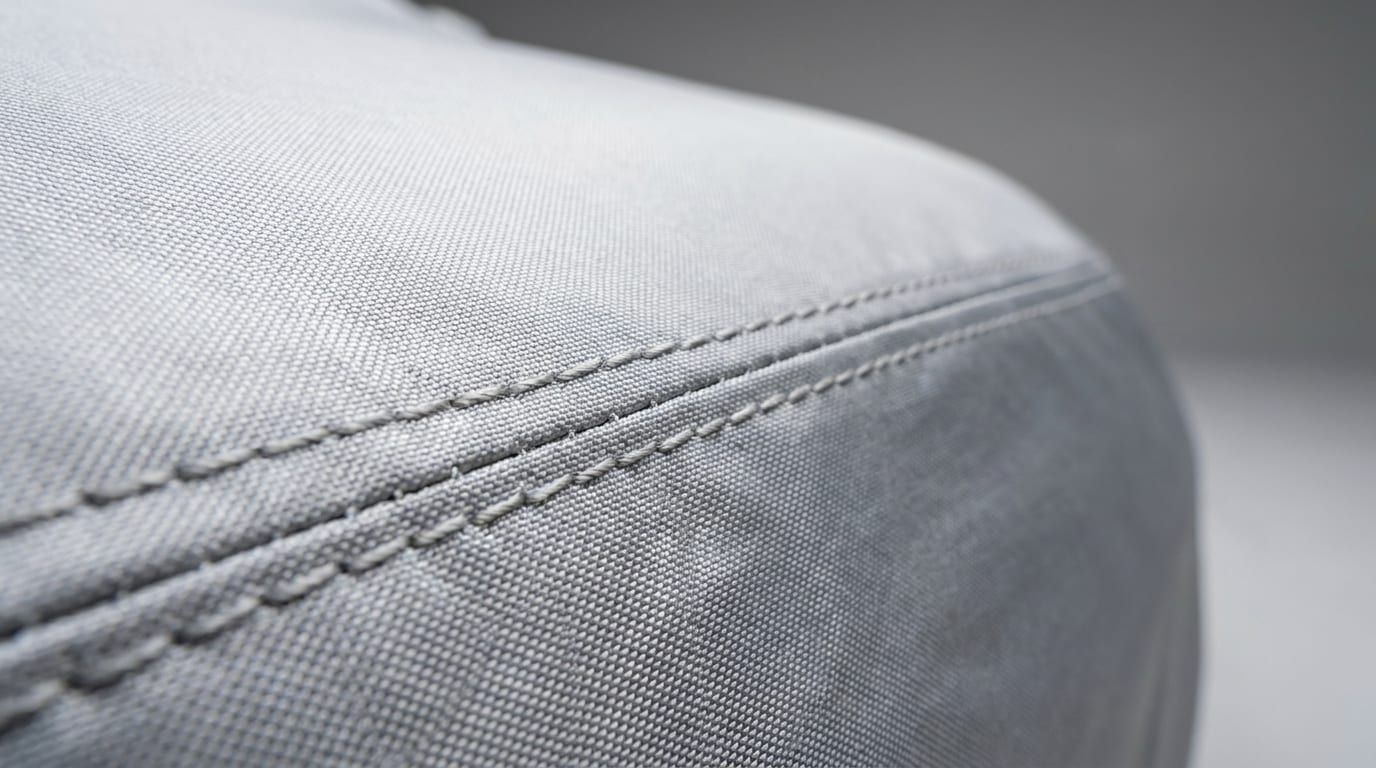
Not every cover needs to be top-shelf. But knowing what separates the tiers helps you avoid overpaying, or worse, underbuying for how the vehicle is actually stored.
Entry-Level Outdoor Covers
- UV/heat protection: Basic UV resistance, limited heat-reflective treatment
- Breathability: Single-layer fabric, minimal airflow design
- Fit: Universal fit, often loose around panels
- Best use case: Occasional or short-term desert parking
- Added protection: Rarely includes locks or accessory kits
Mid-Tier Reflective Covers
- UV/heat protection: Dedicated heat-reflective coatings on the outer shell
- Breathability: Woven breathable shell that resists moisture buildup
- Fit: Semi-custom fit, closer to the vehicle's actual dimensions
- Best use case: Daily outdoor storage in desert conditions
- Added protection: Often includes cable or lock-compatible grommets
Premium Multi-Layer Covers
- UV/heat protection: Highest UV and heat rating available, engineered for sustained sun exposure
- Breathability: Layered construction with dedicated airflow channels
- Fit: True custom-fit patterning matched to your exact make and model
- Best use case: Long-term storage or protecting a higher-value vehicle
- Added protection: Frequently bundled with storage bags, care kits, and backed by extended coverage like a lifetime warranty on car covers
Fit matters more in the desert than people assume. A loose universal cover flaps in wind and lets grit work its way underneath, which is basically a slow-motion scratch machine. If your vehicle sits outside daily, the mid-tier or premium option earns its price difference fast.
Does Cover Color Affect Heat Protection in the Desert?
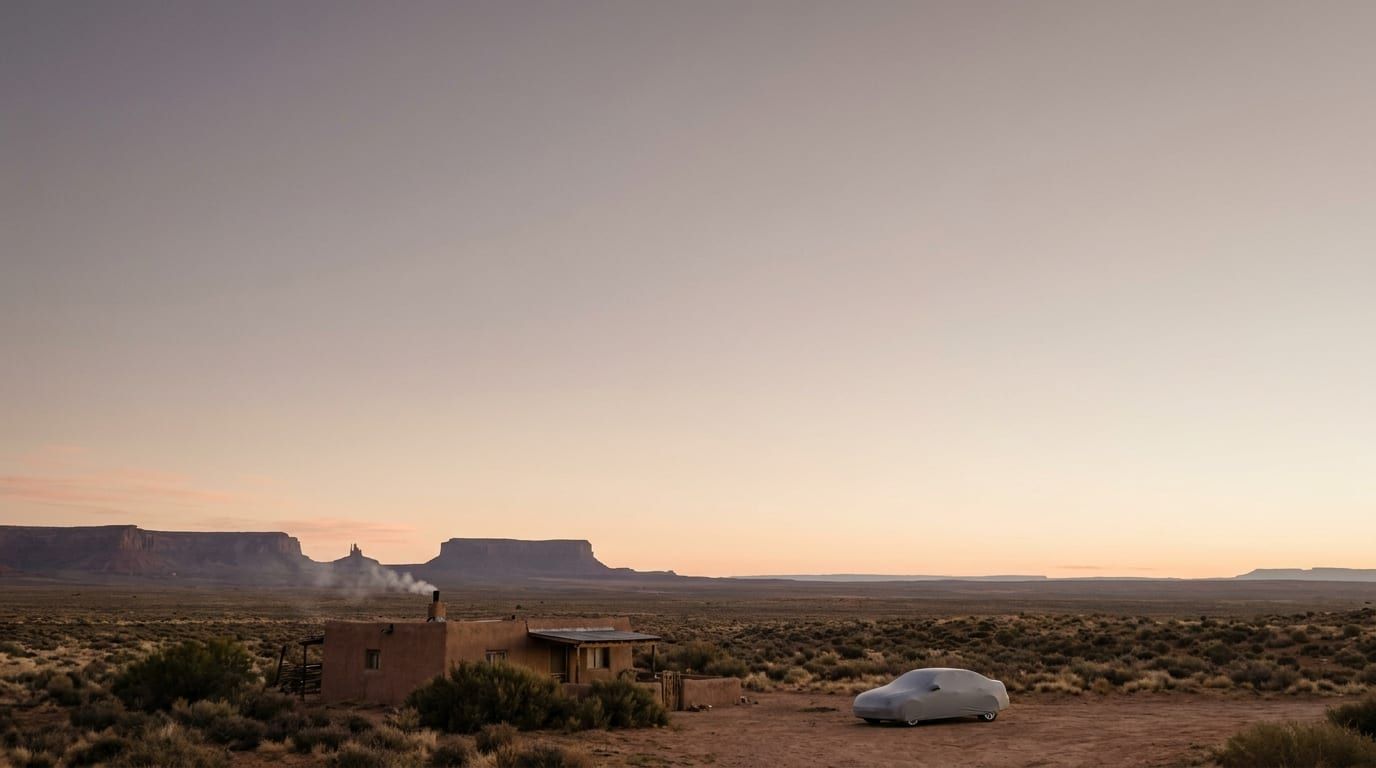
Yes, and it's not marginal. Lighter, reflective colors, think silver, tan, light gray, bounce more solar radiation than dark colors do. Dark covers absorb heat instead of reflecting it, which raises the surface temperature right where your paint sits underneath.
Black and dark-toned covers look sharp and they're popular for indoor or garage use, where sun exposure isn't the issue. Direct desert sun is a different situation entirely. A black cover baking in July heat can get hot enough to negate some of the protection it's supposed to provide.
Color alone isn't the whole story, though. Check whether the outer shell actually has a reflective UV-treated finish, rather than assuming a lighter shade is doing all the work on its own. Some covers combine both, and those tend to perform best in sustained heat. Top-rated car covers is a good place to compare options that specifically call out reflective, UV-treated finishes rather than color alone.
How Do You Protect Against Dust, Sand, and Wind Along With Heat?
Heat protection means nothing if the cover is flapping loose and letting sand grind into your clear coat. Look for cinched hems, elastic corners, or a grommet-and-strap system that keeps the cover pinned down in open desert areas where wind kicks up fast and often.
A snug fit does double duty here. It blocks UV more evenly across the panel, and it closes the gap where wind-driven dust likes to settle between the cover and the paint. This is really where semi-custom and custom-fit car covers pull ahead of universal options, since a tighter pattern leaves less room for grit to work its way in.
If your vehicle sits in an exposed lot with no windbreak, gust straps or cable locks are worth adding. They keep the cover from lifting in sudden gusts, which is common in open desert terrain. This guide to installing gust straps walks through the setup if high wind is a regular issue where you park. And if you're still narrowing down the right size, this sizing guide helps match the cover to your exact vehicle before you buy.
Car Cover FAQs for Desert Climates
Can a regular waterproof car cover work in the desert?
Not ideally. Waterproof covers are built to prioritize moisture blocking over breathability and UV reflection. In a dry, high-sun climate, that tradeoff can trap heat against the paint instead of letting it escape.
How often should I check a car cover for heat/sun damage in the desert?
Inspect the outer shell every few months. Look for fading, brittleness, or thinning fabric. UV exposure breaks materials down faster in desert conditions than it does in milder climates, so a cover that looked fine in spring might be showing wear by late summer.
Is a custom-fit cover worth it for desert storage?
Yes, especially for long-term outdoor storage. A snug fit cuts down on wind flap and blocks the small gaps where dust works its way underneath a universal-fit cover.
Should I still wash my car before covering it in the desert?
Yes. Trapping dust and grit under a cover on an unwashed surface sets up fine scratching every time wind moves the fabric against the paint. A quick wash first, and a look at how to clean a car cover once it's in rotation, keeps both surfaces in better shape.
Find the Right Desert-Ready Car Cover
The short version: a UV-reflective outer layer, breathable construction underneath, a lighter or reflective color, and a snug or custom fit with wind and dust protection built in. Skip any one of those and you're leaving your paint exposed to exactly the conditions desert climates are worst at.
If you're not sure which tier fits your situation, run your vehicle through a fit finder before you commit to a purchase, it takes the guesswork out of matching cover to car. And if you want more practical car care reading like this, keep an eye on future posts covering weather-specific protection for every kind of climate. You can start with a cover finder to see options matched to your exact vehicle.
Updated