
What Type of Car Cover Is Best for Cold Climates? Materials Compared
Published
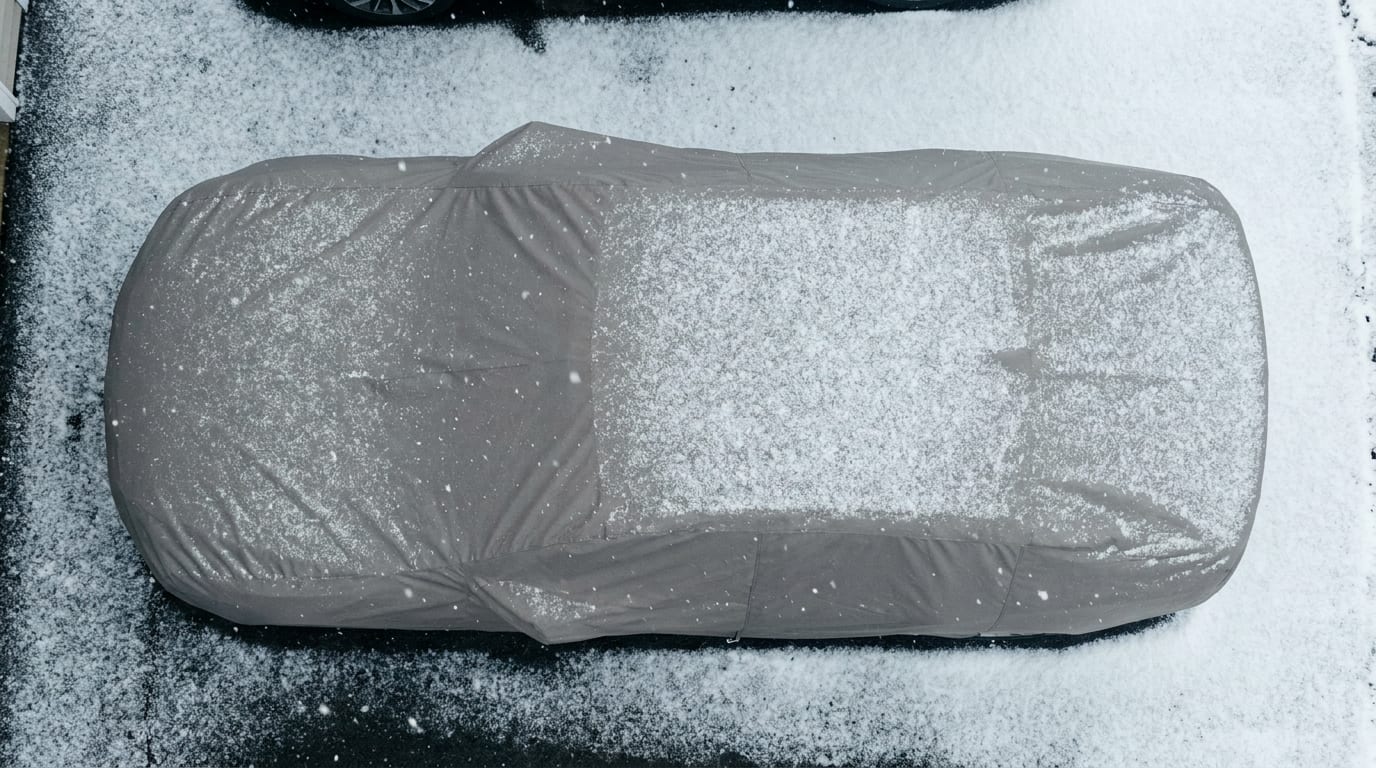
What Type of Car Cover Is Best for Cold Climates? The Short Answer
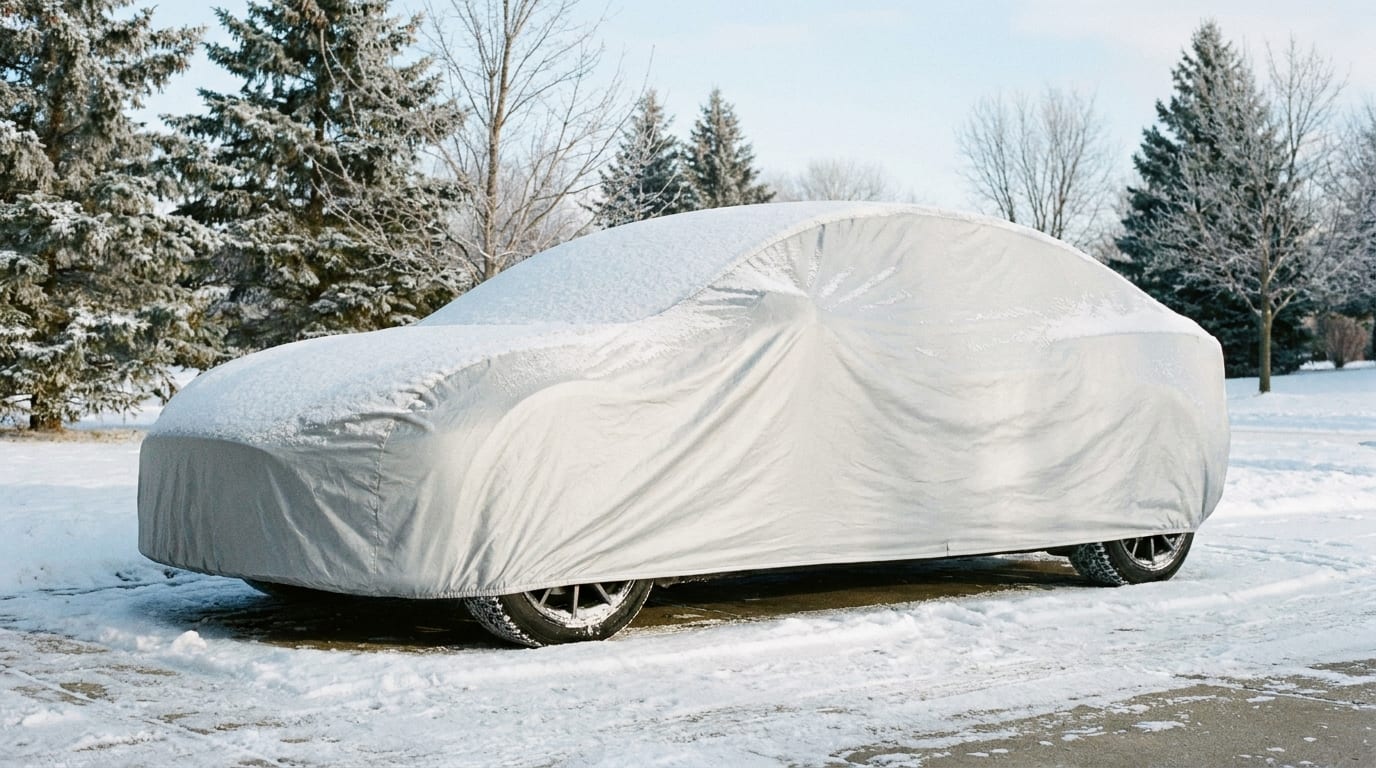
The short answer: a multi-layer, waterproof, fleece- or flannel-lined cover with a non-woven shell (usually laminated polypropylene) is what type of car cover is best for cold climates. Nothing else on the market splits the difference as well.
Here's why that split matters. The fabric has to do two opposing jobs at once. On the outside, it needs to shrug off snow, ice, and freezing rain without soaking through. On the inside, it needs to breathe well enough that moisture trapped against the paint can escape before it turns into a frozen sheet overnight. A cover that only does one of those jobs isn't doing its job.
When you're actually comparing products, four things matter more than any marketing copy on the package:
- Waterproofing rating. Not "water-resistant." Actually rated to keep moisture out under sustained exposure.
- Breathability. The fabric needs a path for vapor to escape, or you're just building a greenhouse for frost.
- Cold-crack resistance. Some fabrics turn brittle below freezing. A good cold-weather shell stays flexible so it doesn't crease or tear when you pull it off a frosty windshield.
- Secure, windproof fit. Loose fabric flaps, catches wind, and lets snow blow in underneath. That's a design failure, not bad luck.
One thing worth saying plainly: a cover built for indoor dust protection or mild, dry climates is not the same product as one built for snow load and freeze-thaw cycles, even if they look similar hanging on a rack. Don't let a cheaper price tag convince you they're interchangeable.
Car Cover Materials for Cold Climates: Side-by-Side Comparison

Fabric choice is really the whole decision here, so it's worth laying the main options next to each other.
| Material/Fabric type | Waterproofing | Breathability | Cold-crack resistance | Best use case |
|---|---|---|---|---|
| Multi-layer laminated polypropylene | High | Good | High | Daily outdoor winter exposure |
| Polyester/PVC-backed economy | Moderate | Poor | Low, stiffens and can crack | Mild climates or short-term storage |
| Fleece-lined satin/indoor | None | High | Not rated for cold | Heated garage storage only |
| Heavy canvas/acrylic outdoor-duty | Good | Moderate | Decent, but bulky | Long-term outdoor winter storage |
If you only remember one row, make it the first one. A multi-layer laminated polypropylene shell is the default pick for most cold-climate drivers, and the waterproof car cover category is where you'll find that construction done right.
Why Fabric Choice Matters More Once Temperatures Drop
A cheap cover might get away with mediocre materials in October. By January, every weakness gets exposed.
Start with freeze-thaw stress. Snow isn't light once it piles up, and ice is heavier still. That extra weight pulls on seams and grommets all day, and a thin fabric that was fine in a dry autumn wind starts to tear at the stress points by midwinter.
Then there's condensation. A non-breathable cover traps moisture underneath it, and that moisture doesn't just sit there politely. It freezes directly onto the paint overnight, which is the opposite of what a cover is supposed to prevent.
Cold-crack failure is the one people don't expect. Cheap vinyl and PVC covers stiffen in freezing temps, and once they're stiff, pulling them off is like folding cardboard. Crease lines turn into tears fast, especially at the corners.
And wind exposure gets worse in winter, not better. Storms bring higher sustained gusts, and a loose, universal-fit cover is more likely to work partially free and let ice sneak in underneath. Once that happens, you've lost the whole point of covering the car in the first place.
Indoor Garage vs. Outdoor Winter Storage: Does It Change the Answer?
Yes and no. The climate outside your garage door matters less than where the car actually sits overnight.
If your car lives in a heated or insulated garage all winter, you don't need the full waterproof shell. An indoor car cover built from a lighter, breathable fabric is enough, since the job there is dust and scratch protection, not snow and ice.
If the car sits outside through the winter, anywhere from a driveway to an open lot, you need the real deal: the waterproof, insulated-shell cover described above. That's what outdoor car covers are built for, and it's not a category where you want to cut corners.
Fit matters here too, maybe more than people assume. A custom-fit car cover hugs the body lines of your specific vehicle, so there's no slack fabric for wind to grab or ice to wedge under. Universal covers are cheaper for a reason. They leave gaps, and gaps are exactly where winter weather gets in.
Quick rule of thumb: match the cover to where the car sits each night, not to the regional climate on a map. A Minnesota driver with a heated garage has different needs than a Colorado driver parking on gravel.
Other Features to Check Before You Buy a Cold-Weather Cover
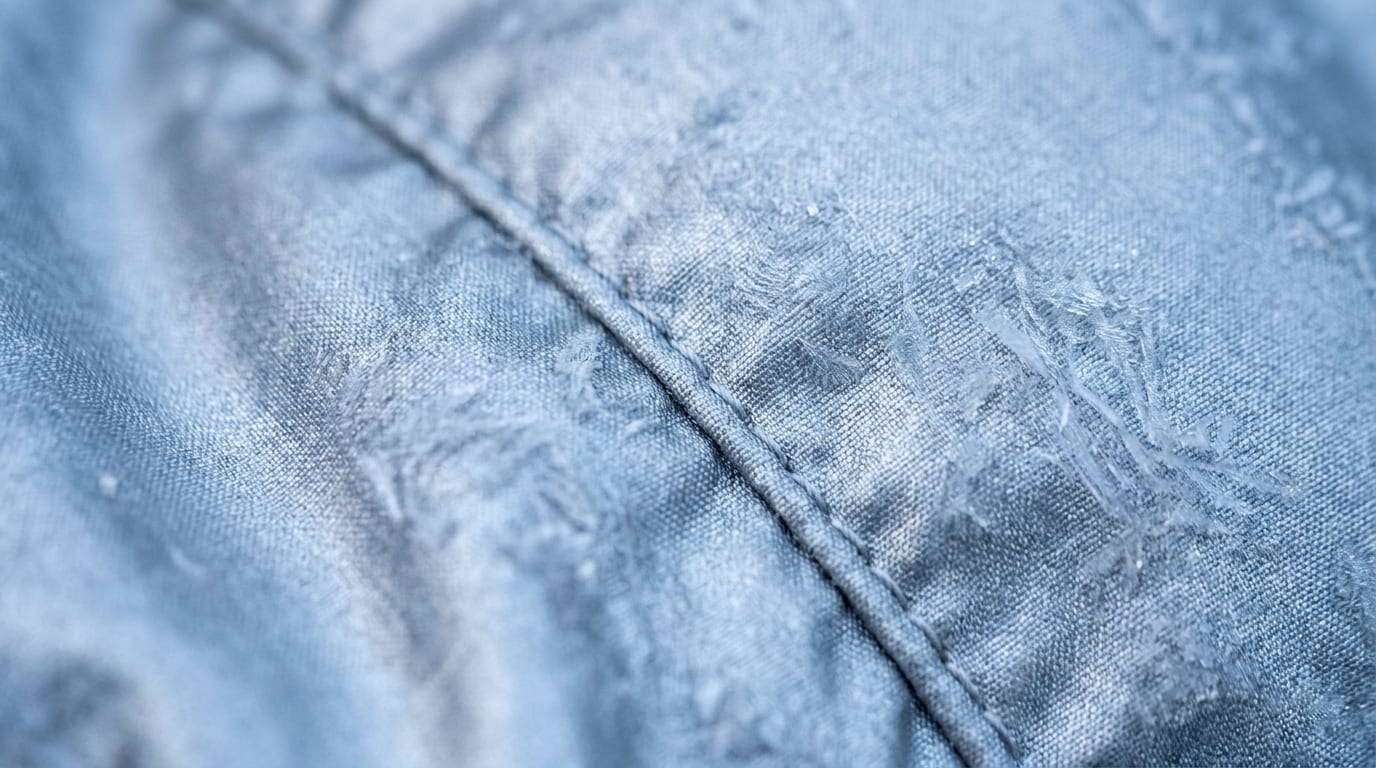
Fabric is most of the decision, but the hardware around it decides whether that fabric actually stays put.
Look for reinforced grommets paired with a built-in cable or strap system. Wind-driven snow finds every loose edge, and a cover that cinches down tight is the one that's still fully on the car by morning.
An elastic or adjustable hem matters more than it sounds like it should. Without one, a cover rides up in a storm and exposes the lower body panels right when they need protection most.
Seams are the quiet failure point. Stitched-only seams let freezing rain wick through the needle holes over time. Taped or sealed seams close that gap. If you want the deeper mechanics of how these fabrics and seams are actually rated, the waterproof fabrics guide breaks down the construction behind the waterproofing numbers.
Small details matter too. An antenna patch sounds minor, but it's one less place for the fabric to tear during the dozens of installs and removals a cold winter puts you through.
Keeping a Cold-Climate Cover Performing All Winter
Buying the right cover is half the job. Using it right through a whole winter is the other half.
Brush off snow regularly instead of letting it sit. Compacted snow turns to ice, and ice adds weight that stresses seams over weeks, not just one storm.
Never scrape ice directly off the cover. Let it thaw a little first, or brush it loose. Scraping chips away at the fabric's coating, and that coating is most of what you paid for.
Road salt and de-icing chemicals are rougher on cover fabric than plain water. Rinse them off periodically, following the steps in the guide to cleaning a car cover, so the coating doesn't degrade faster than it should.
Reinstall carefully every time. A rushed install leaves gaps at the seams, and the simple guide to installing a car cover covers how to keep the seal tight each time you put it back on.
If the car isn't getting driven all winter and is going into long-term storage instead, that's a slightly different process worth cross-referencing, like this guide to storing a Ford Mustang for winter.
Bottom Line: Choosing Your Cold-Climate Cover
So, what type of car cover is best for cold climates? A multi-layer, waterproof, breathable shell with a fleece or flannel lining and a secure fit. Save the lighter indoor covers for cars that actually live in a heated garage all winter, because that's the only scenario where they make sense.
One more thing worth checking before you buy: the warranty. Winter puts more stress on a cover's fabric and seams than any other season, so a strong lifetime warranty on car covers is worth more here than it would be on a cover that only sees mild spring weather.
If you'd rather not guess at sizing and fit, the cover finder tool matches your vehicle's year, make, and model to the right cold-weather option in a couple of clicks. And if you just want to see what's out there first, browse the full car cover lineup and go from there.






