
What's the Best Car Cover for a Convertible in a Hot, Sunny Climate Like Arizona?
Published
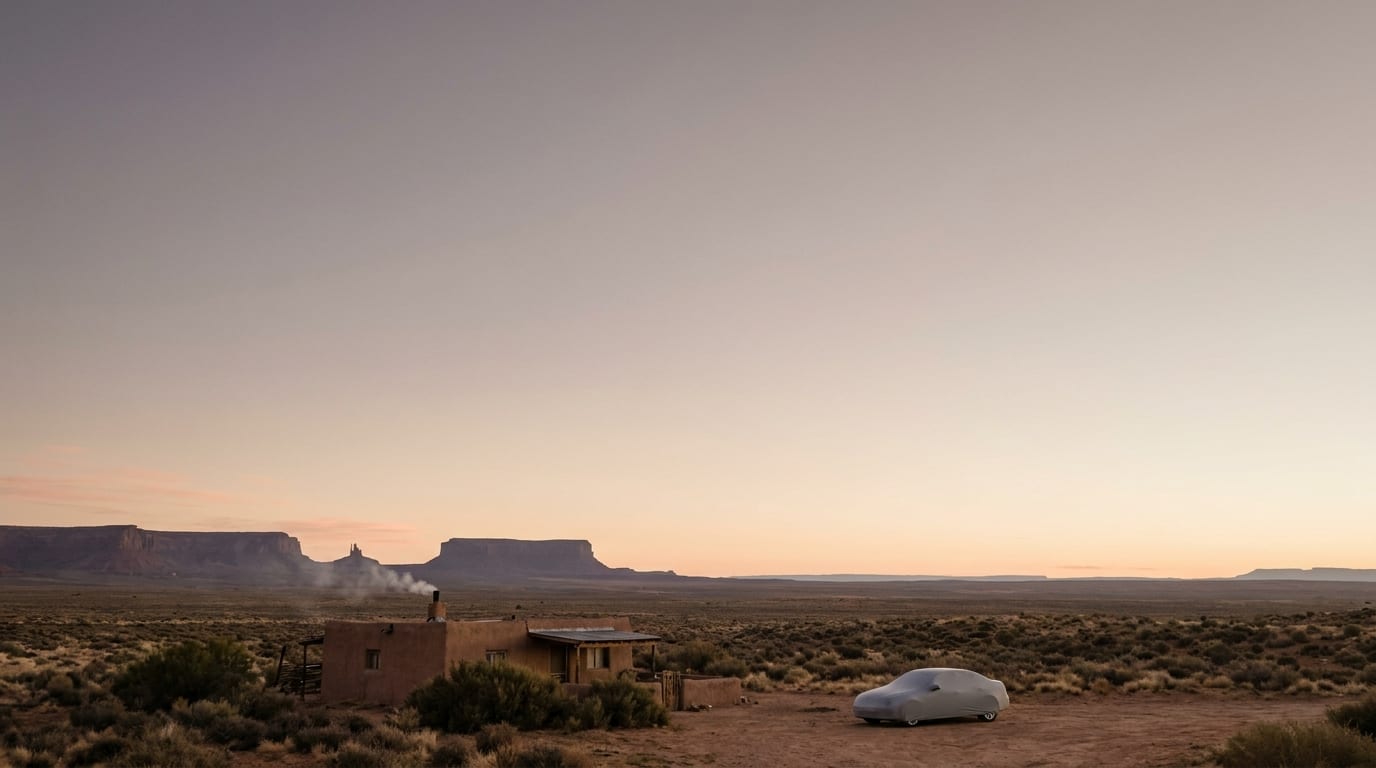
The Quick Answer: What to Buy for Arizona Convertible Protection
Here's the short version: the best car cover for a convertible in a hot, sunny climate like Arizona is a breathable, multi-layer outdoor cover with a UV-reflective or heat-blocking outer shell and a soft, non-abrasive inner lining. That combination protects both the paint and the folded soft top from sun degradation, without trapping heat or moisture underneath where it can do even more damage.
Custom-fit covers matter more here than with a regular sedan. A convertible's folded top creates a raised bump along the rear deck, and a universal cover just drapes over that shape loosely. Loose fabric flaps in the wind, rubs against the top material, and lets more UV light sneak in around the edges. A custom-fit car cover is cut to follow that profile, which cuts down on both flapping and sun exposure.
Below is a quick comparison of the main cover types, so you can see where each one fits before we get into the details.
Comparing Cover Types for Hot-Climate Convertibles
Not all covers are built for the same job. A cover that's fine for a garage-kept sedan in Minnesota isn't going to hold up the same way on a convertible parked outside in Scottsdale. Here's how the main categories stack up.
| Cover Type | UV/Heat Protection | Breathability | Fit for Convertibles | Best Use Case |
|---|---|---|---|---|
| Custom-fit multi-layer outdoor cover | High | High | Excellent, follows folded top shape | Daily Arizona sun exposure |
| Universal outdoor cover | Moderate | Moderate | Loose, can rub the top | Budget or occasional use |
| Single-layer basic/economy cover | Low | Low | Poor fit over the top bump | Short-term dust protection only |
| Indoor/satin cover | Minimal (not needed outdoors) | High | Good | Garage-stored convertibles only |
If you're parking outside in Arizona for any real stretch of time, that top row is really the only one worth considering. Everything else is a compromise you'll end up paying for later, either in a faded top or a peeling dash.
Why Arizona's Heat Is Especially Hard on Convertible Tops
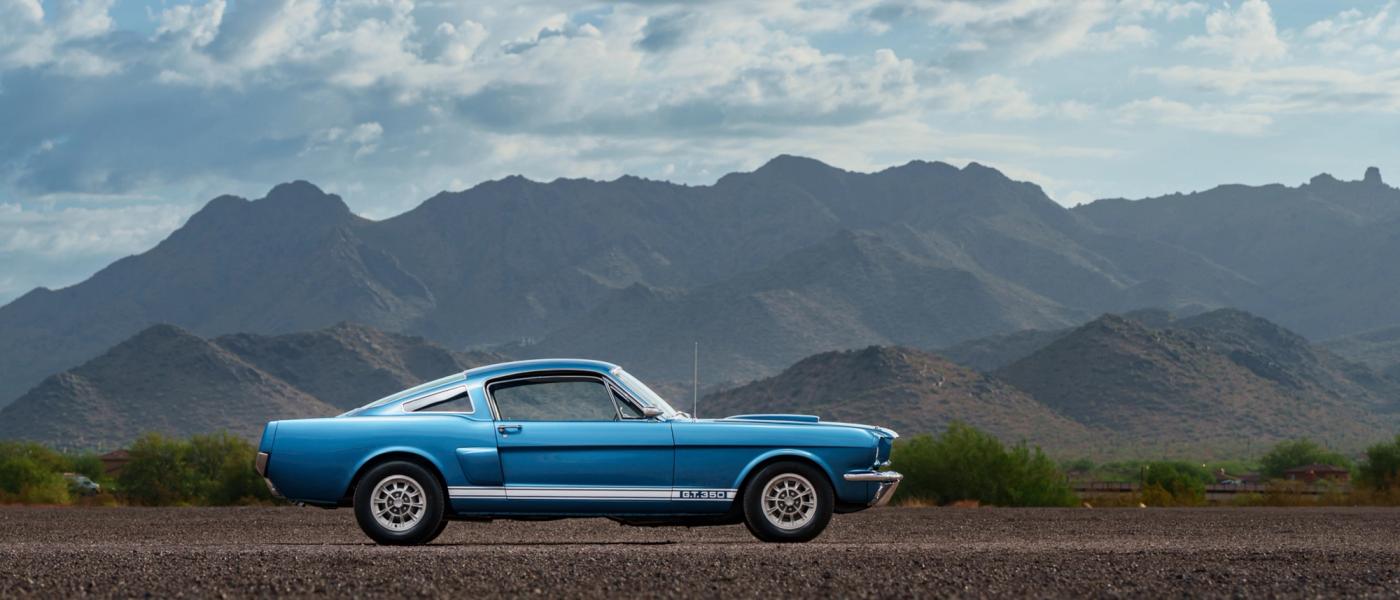
A standard hardtop roof is painted metal. It fades slowly and predictably. A convertible top, whether it's vinyl or cloth, is a completely different material story, and it degrades much faster under direct UV exposure. The fibers or vinyl coating break down, colors dull, and eventually you get cracking along the fold lines.
Then there's the heat-trap problem. A cover that doesn't breathe turns into a greenhouse. Heat builds up underneath, gets trapped against the top and the dashboard, and over time that baked-in heat warps seals and trim and accelerates the same fading you were trying to prevent in the first place. It's a bit of an own goal: you cover the car to protect it, then the cover itself cooks it.
Convertibles also sit lower and have more exposed seams around the top than a sedan or SUV. Those seams are an entry point for dust, for fine Arizona sand carried on wind, and for UV rays that sneak in at the edges. More seams means more vulnerable points, full stop.
Ask anyone who's parked a Mustang GT convertible outside in Phoenix for a summer without a cover. The top fading is visible, and it happens fast, often within a single season. That's not a scare tactic, it's just what unfiltered desert sun does to fabric and vinyl day after day.
Key Features to Look for in a Hot-Climate Convertible Cover
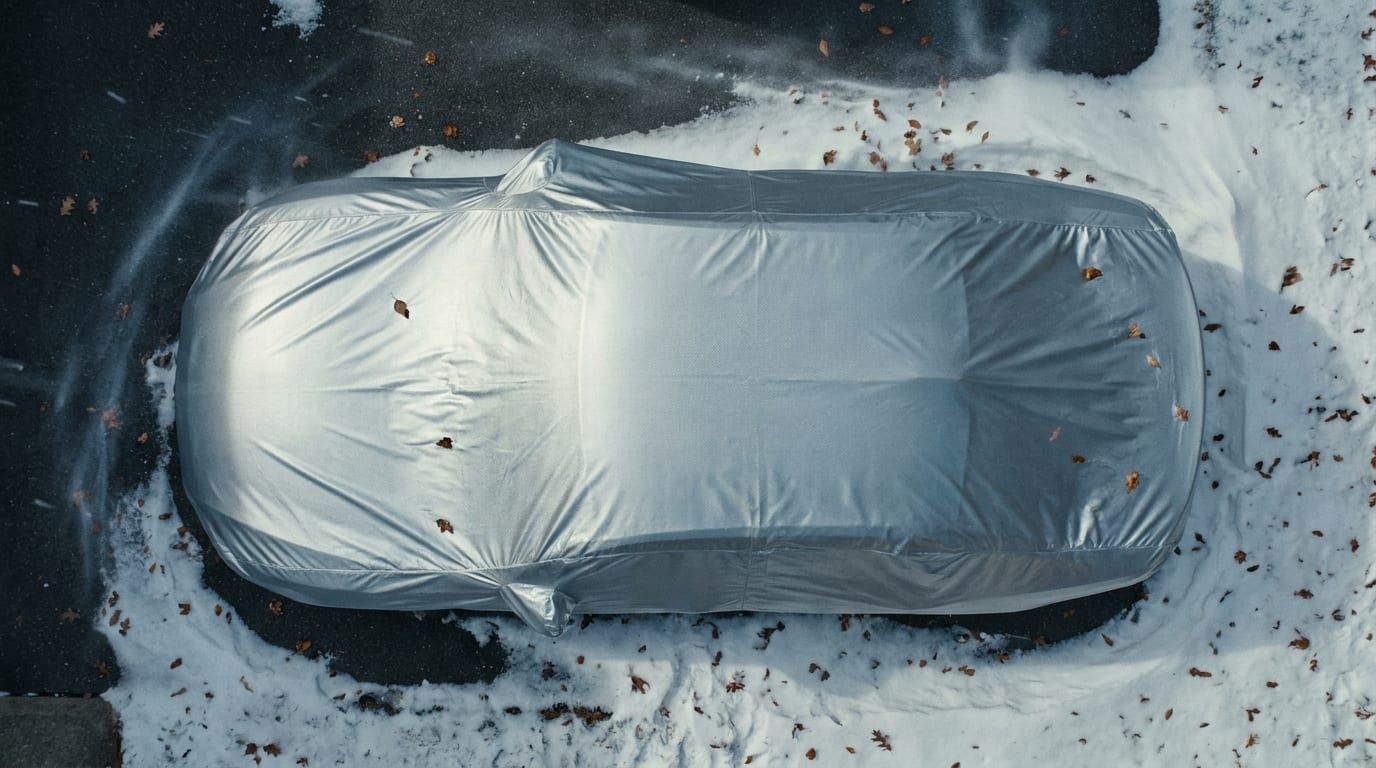
If you're comparing specific covers, here's what actually matters for Arizona conditions:
- UV-reflective or UV-resistant outer layer. This is the feature doing the heavy lifting against paint fade and top degradation. Without it, you're just blocking dust.
- Breathable fabric construction. Air needs to move through the cover so heat and moisture don't build up underneath. This is the difference between protecting the top and slowly baking it.
- Soft, non-abrasive inner lining. Wind moves a cover around more than people expect, and a rough inner lining will scuff a convertible top's finish over weeks and months.
- Elastic hem, grommets, and buckle straps. Arizona's monsoon season brings sudden, strong wind gusts. A cover that isn't secured will lift, flap, and possibly blow off entirely.
- Custom-fit patterning. Again, the folded top creates a raised shape that a generic cover simply doesn't account for. Fit is function here, not just aesthetics.
For a deeper look at how outdoor covers handle sun, wind, and rain together, this guide to using a car cover outdoors walks through the tradeoffs in more detail.
Material Comparison: Which Fabric Holds Up Best in Desert Sun

Fabric choice is where a lot of the real performance difference lives. Multi-layer woven polypropylene blends with reflective treatments stay noticeably cooler under direct sun than basic single-layer polyester or cotton covers. The layering does two things: it reflects heat before it reaches the paint, and it still lets vapor escape so condensation doesn't form underneath overnight.
Basic polyester or cotton covers, by contrast, absorb heat rather than reflecting it. They're cheaper upfront, sure, but they don't do much for a convertible top baking in 110-degree afternoon sun.
Waterproofing is a separate issue from UV protection, worth being clear about that. A cover can block UV rays without being fully waterproof, and vice versa. But Arizona does get seasonal monsoon rain, often in short, intense bursts, so a waterproof car cover still earns its keep even in a desert climate. If you want the full rundown on fabric types and how they compare for durability and weather resistance, this material breakdown is a good next stop before you commit to a specific cover.
Installation & Accessories for Arizona Wind and Heat
A great cover undermined by sloppy installation isn't doing its job. A few things worth getting right:
Gust straps are close to non-negotiable if you're using a lightweight breathable cover outdoors in Arizona. Monsoon season wind gusts will shift or lift a cover that isn't cinched down, and installing wind straps properly takes maybe ten minutes.
A cable lock is worth considering too. With the convertible top covered and less visible, a lock gives you a quick visual deterrent and an easy anti-theft check when you glance out the window.
Before you pull the cover off, shake out or brush away any dust and sand that's built up on top. Arizona dust is fine and gritty, and dragging a loaded cover across the paint or top material is a good way to introduce scratches you didn't have yesterday.
Pay attention to how the cover sits around the folded top area specifically. If it's bunched up or pulling tight in one spot, you can end up with a pocket of trapped hot air right against the vinyl, which defeats a lot of the breathability benefit you paid for.
Buying Checklist Before You Choose a Cover
Before you add anything to a cart, run through this:
- Size to the exact make, model, and year. Convertible dimensions shift by trim more than people expect, and a cover that's slightly off won't fit snug around the top. Use a sizing guide if you're not sure which fit you need.
- Confirm it's rated for outdoor use. Plenty of covers are built for indoor storage only and will not hold up to daily Arizona sun. Check the outdoor car cover specs specifically.
- Look at the warranty. A cover sitting in constant desert sun wears out faster than one in a garage. A solid warranty, like a lifetime warranty on car covers, protects what you're spending.
- Decide outdoor vs. indoor use honestly. If the car's garage-kept most of the time and only sees sun occasionally, your needs (and your cover) look different than someone parking outside every day.
If you drive something like a Mustang convertible, checking the Ford vehicle cover page is a quick way to see fit options built around that specific body style.
Bottom Line: Protecting a Convertible in Arizona Heat
For Arizona convertible owners, the answer stays the same: go with a breathable, UV-reflective, custom-fit outdoor cover. It's the one setup that protects paint and top material without baking either one underneath.
If you're not sure exactly which cover fits your car, use a fit-finder tool to match the cover to your convertible's exact year, make, and model instead of guessing at a generic size.
Want more guides like this one before you buy? Poke around the car cover category for outdoor-rated options, or subscribe to get more desert-climate car care advice sent your way.






