
What's the Best Car Cover for a Pickup Truck in a Humid Climate Like Florida?
Published
The Short Answer: What to Buy for a Truck in Florida
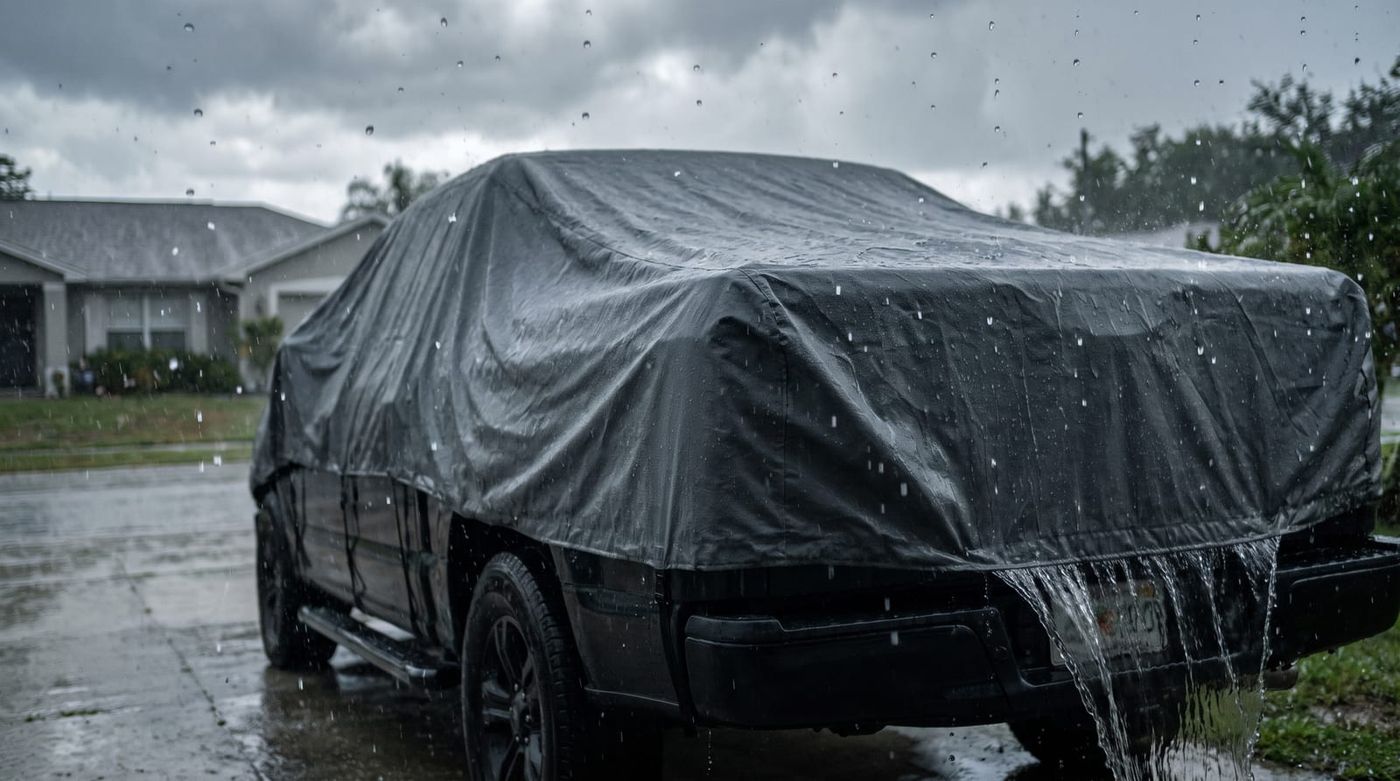
The best car cover for a pickup truck in a humid climate like Florida is a custom-fit, breathable waterproof outdoor cover with an anti-mildew treated lining and a UV-resistant outer shell, sized specifically for your cab style and bed length. That combination handles Florida's actual problem: not just rain, but the standing humidity that sits under a cover long after the rain stops. A cheap tarp-style cover keeps water out and traps moisture in, which is worse.
Here's why that matters so much in a place like Florida. A non-breathable cover doesn't just block rain, it seals in whatever moisture is already on the truck, whether from dew, a recent wash, or just thick coastal air. Mold and mildew grow fast in that trapped layer, often faster than they would from direct rain exposure on an uncovered truck. Breathability is what lets that moisture vapor escape instead of stewing against your clear coat overnight.
One caveat: this recommendation is for trucks parked outside. If your truck lives in a Florida garage, the priorities shift toward dust and airflow rather than waterproofing, and a lighter indoor cover makes more sense. For everything below, we're talking about outdoor storage, which is the more demanding scenario and the one most Florida truck owners actually deal with.
The table and sections below break down why each piece of that recommendation (breathability, waterproofing, UV protection, mildew resistance, and fit) earns its place on the list.
Quick Comparison: Cover Types for Humid, Rainy Climates
Not all "waterproof" covers behave the same way once humidity gets involved. Here's how the main tiers stack up for a truck parked outside in Florida conditions.
| Cover Type | Breathability | Waterproofing | UV Protection | Mildew Resistance | Best Use Case |
|---|---|---|---|---|---|
| Basic/economy outdoor cover | Low | Water-resistant, not fully sealed | Minimal | Poor, traps moisture | Short-term, dry-season use only |
| Mid-tier waterproof outdoor cover | Moderate | Fully waterproof with breathable layer | Treated | Decent | Daily outdoor exposure in most climates |
| Premium custom-fit outdoor cover | High | Fully waterproof, engineered for airflow | UV-stabilized | Strong, treated lining | Daily exposure in humid, high-UV regions like Florida |
| Indoor/satin cover | None (not designed for it) | None | None | N/A outdoors | Garage or carport storage only |
The basic economy option is where most humidity complaints start. It's cheap, it's water-resistant on paper, and it'll keep a light rain off. But park a truck under one of these for a week straight in Florida and you'll likely find a musty smell and spotting under the cover. The mid-tier waterproof option fixes most of that by adding a breathable layer under the waterproof shell, which is a meaningful step up. The premium custom-fit tier takes it further with tighter engineering around seams and panels, so there's less flutter and less chance for humid air to pool against the paint. The truck-covers category page is a good starting point if you want to compare current options side by side. And the satin/indoor row is on this list for one reason only: so nobody buys one thinking it'll survive a Florida summer outside. It won't.
Why Breathability Matters More Than 'Fully Waterproof' in Humid Weather

Waterproof and water-resistant get used interchangeably in a lot of product descriptions, and that's a problem. Water-resistant fabric slows water down. Waterproof fabric blocks it entirely. Neither one tells you what happens to the moisture that's already there, which is really the question that matters in Florida.
A single-layer, fully sealed tarp is a good example of doing one thing right and another thing badly. It keeps rain out, sure. But it also traps whatever moisture is sitting on the truck's surface or in the air underneath, with nowhere for it to go. Overnight, that turns into condensation sitting directly on your paint. Do that enough nights in a row and you've got a mildew problem before you've even had a rainy week.
Breathable multi-layer fabrics solve this by letting water vapor pass through the material while still blocking liquid water and dew from getting in. It's the same basic idea as a rain jacket that doesn't leave you soaked in your own sweat. For a deeper look at how different materials actually perform, the guide on waterproof fabrics breaks down the layering and weave differences that separate a true outdoor fabric from a glorified tarp.
UV resistance is the second non-negotiable, and Florida sun doesn't go easy on fabric or clear coat. A cover without UV treatment will fade, stiffen, and start cracking well before one in a milder climate would. If you're already thinking about sun exposure, it's worth reading up on keeping a car cool in summer, since a lot of the same heat and UV issues that fade paint also wear down cover fabric over time.
Last piece: mildew-resistant treatment on the lining itself. This isn't always listed front and center on a product page, so it's worth checking specs directly or asking before you buy if you're shopping for a humid region. A cover can be breathable and waterproof and still grow mildew if the fabric itself isn't treated to resist it.
Truck-Specific Fit Considerations
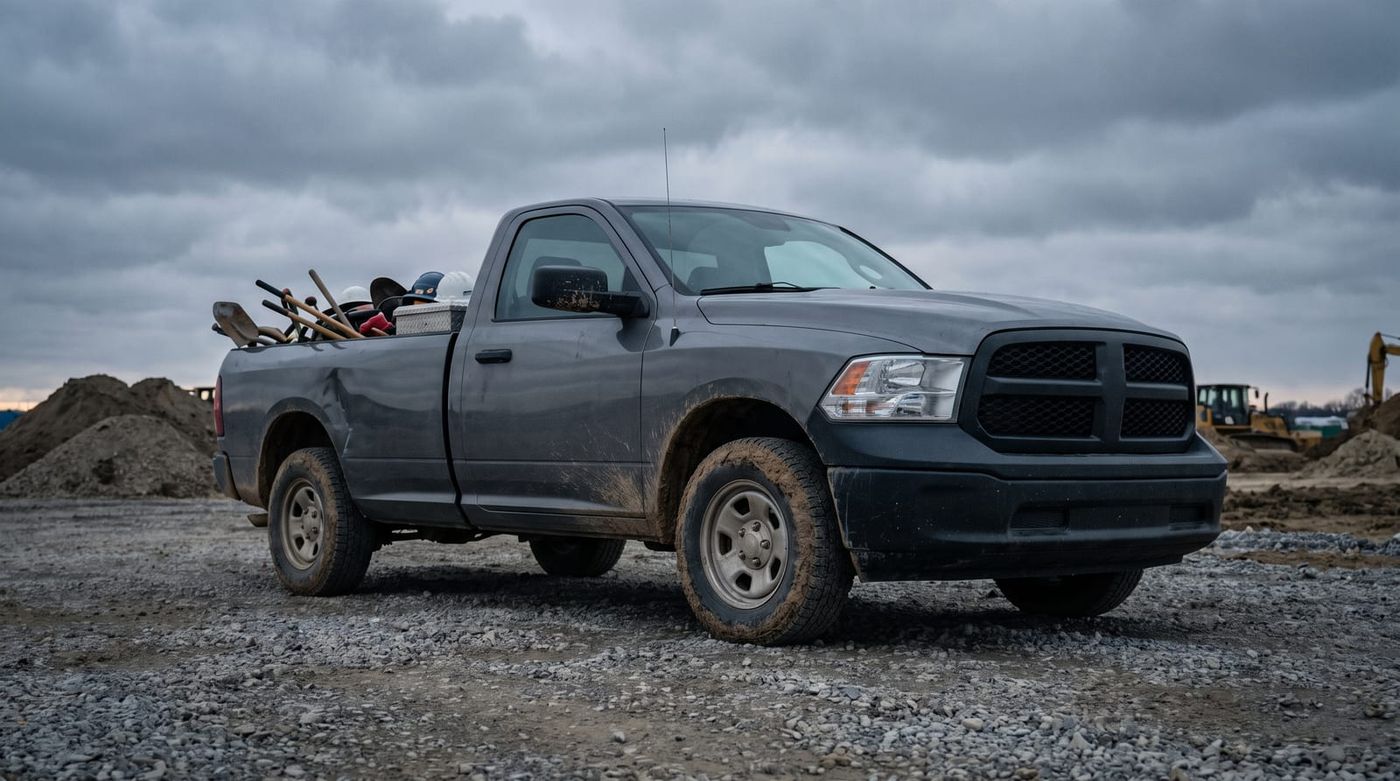
Truck covers aren't just bigger car covers. Cab style (regular, extended, crew) and bed length both change the shape of the cover you need, and getting either one wrong leaves gaps. Gaps are where wind-driven rain gets in sideways, even on a cover that's technically waterproof everywhere else.
A cover built for the wrong bed length is probably the most common fit mistake. Too short, and the tailgate sits exposed. Too long, and you've got loose fabric flapping in the wind, which both looks bad and invites moisture underneath through constant movement. If you're not sure what bed length your truck actually has, the pickup truck bed size guide is worth a quick check before you order anything.
Smaller details matter too: mirror pockets that actually seat around your mirrors, antenna grommets instead of a hole cut wherever, and tailgate coverage that doesn't leave a seam right where rain pools. These aren't nice-to-haves, they're what keeps the cover snug enough to actually block moisture instead of just draping over the truck.
Sizing by your exact cab and bed configuration should happen before you even start comparing fabric types. The sizing guide for your vehicle is the fastest way to narrow things down to the right dimensions first.
Preventing Mold and Mildew: Care Tips for Humid Climates
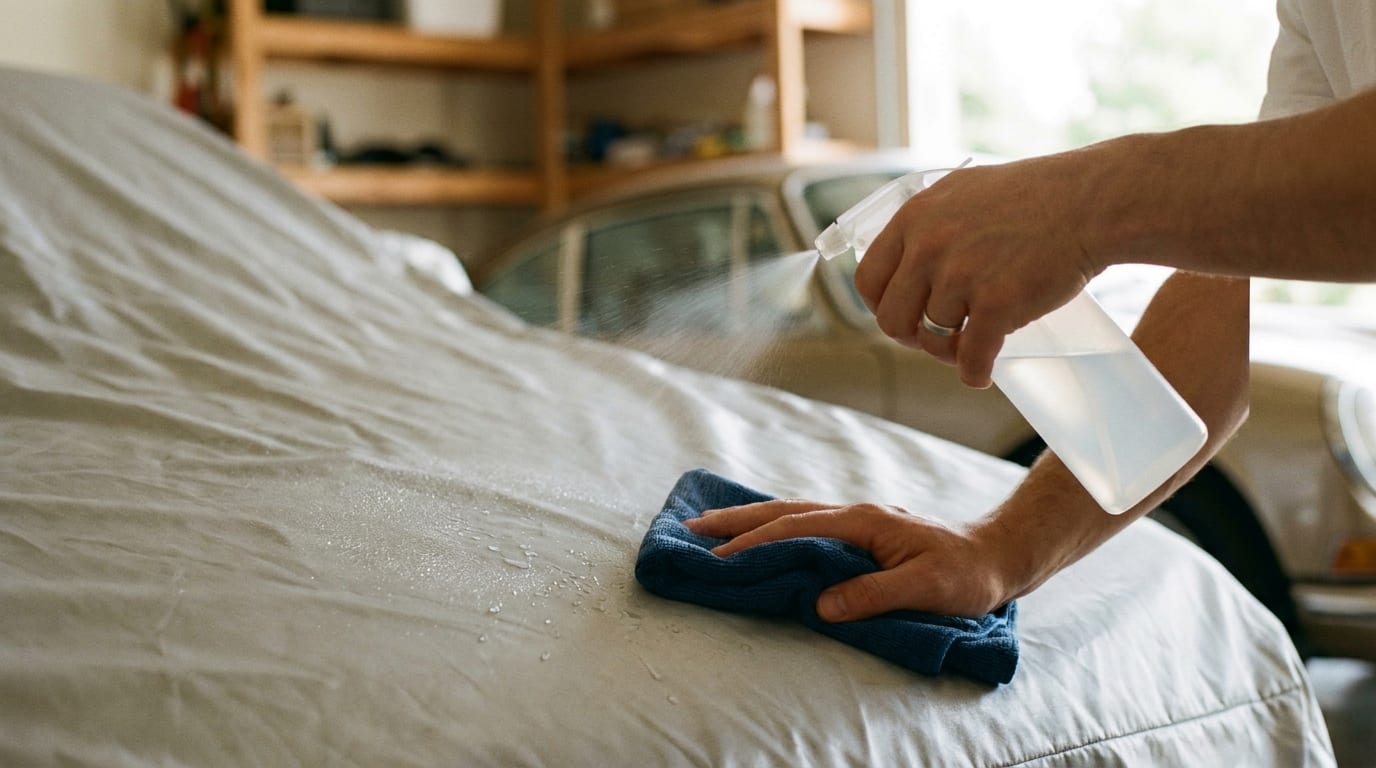
Even a great cover won't save you from bad habits. Covering a wet truck is one of the most common ways people accidentally create a mildew problem, breathable cover or not. Let it dry first. Takes ten extra minutes and saves you a headache.
During long stretches of Florida heat and humidity, pull the cover off every so often and let both the truck's surface and the cover itself air out. Even a breathable fabric benefits from a break, especially after a run of back-to-back humid days with no real airflow.
If you spot mildew starting, deal with it immediately with mild soap and water. Don't wait. Mildew that's allowed to set into fabric is a lot harder to fully remove later, and it tends to come back in the same spot once it's established.
The cover itself needs maintenance too. Washing it and letting it fully air-dry on a regular schedule, rather than folding it away damp, adds real years to its life in a climate like this. The guide to cleaning a car cover walks through the process in more detail if you want to do it right the first time.
Finding the Right Cover for Your Truck Model
Fit accuracy isn't universal across brands and models, so checking a model-specific fit page is the quickest way to confirm you're getting the right size. Owners of a Ford, Chevrolet, RAM, or Toyota truck will find dedicated pages for each, which beats guessing based on a generic size chart.
Before ordering, confirm your bed length and cab configuration against your actual vehicle specs, not just the trim name on the window sticker. Trims can share a cab style but differ in bed length, and that's exactly the kind of mismatch that leaves gaps at the tailgate.
Custom-fit covers generally hold up better than universal ones in humid, high-UV climates, mostly because of tighter seams and less fabric flutter. Less flutter means less opportunity for wind-driven moisture to work its way underneath during a storm. It's also worth checking what's backed by a lifetime warranty, since a humid climate is genuinely tougher on fabric and stitching than a dry one, and warranty coverage is your backstop if something wears out faster than it should.
Bottom Line and Next Steps
If you only take one thing from this: the best car cover for a pickup truck in a humid climate like Florida is a custom-fit, breathable, waterproof outdoor cover with UV-resistant fabric and a mildew-treated lining, sized to your truck's exact cab and bed configuration. Skip anything marketed as just "waterproof" without breathability built in, it'll cause more problems than it solves in this kind of climate.
Before you buy, double check your cab style and bed length against the manufacturer's specs. It's a five-minute step that prevents the most common fit complaints. And look at what warranty coverage comes with it, since that's your protection if the fabric or stitching underperforms faster than expected in Florida's heat and humidity.
If you're still weighing options, it's worth browsing truck cover styles and comparing fit, fabric, and warranty details side by side before deciding. And if you want more guides like this one on protecting a vehicle in tough weather, it's worth keeping an eye on future posts here.






