
What's the Best Car Cover for an SUV in a Rainy Climate Like Seattle?
Published
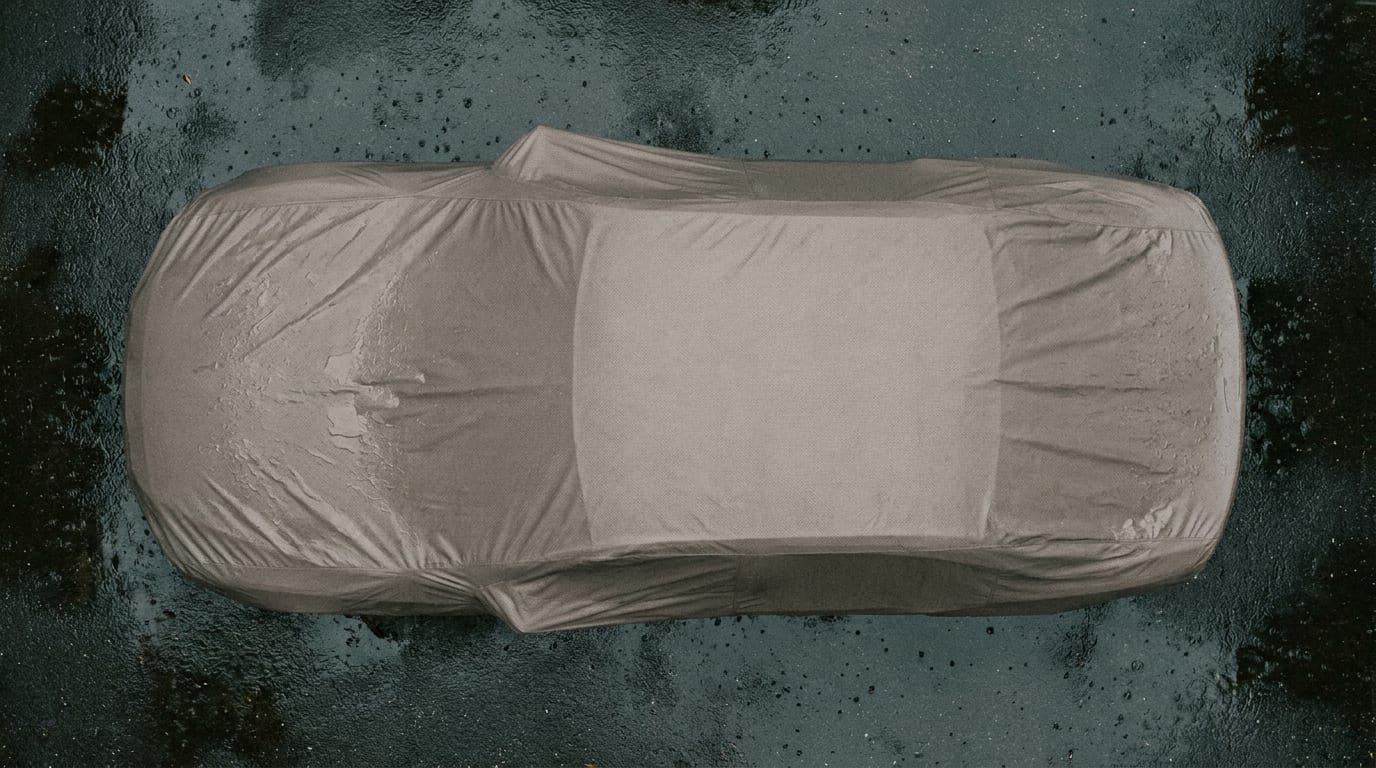
The Quick Answer: Best SUV Cover for Seattle Rain
If you're parking outside in Seattle, the best car cover for your SUV is a waterproof, breathable, custom-fit cover with sealed seams, a soft non-scratch liner, and a strap or buckle system that holds it down in wind. Not water-resistant. Waterproof. There's a real difference, and in a climate that gets rain more days than not, that difference decides whether your SUV stays dry or sits under a damp, mildewing shell for half the year.
So what's the best car cover for a SUV in a rainy climate like Seattle, specifically? A Deluxe or Platinum-tier waterproof fabric is the right call if your SUV lives outside year-round in the Pacific Northwest. A Basic water-resistant cover only makes sense for occasional light drizzle or a vehicle that spends most of its time under a carport or garage.
Here's how the tiers typically stack up:
| Tier | Waterproof Rating | Breathability | UV Protection | Best Climate Fit |
|---|---|---|---|---|
| Basic | Water-resistant, wets through over time | Low to moderate | Moderate | Occasional rain, covered parking |
| Deluxe | Fully waterproof with sealed seams | Good | Strong | Regular rain, mixed sun/rain climates |
| Platinum | Fully waterproof, heavy-duty sealed seams | Best in class | Strongest | Daily outdoor exposure, year-round rain like Seattle's |
For most Seattle SUV owners parking outside daily, Platinum is worth the upgrade. If your SUV gets occasional outdoor time between garage stays, Deluxe is a solid middle ground. Either way, start by browsing SUV covers matched to your exact make and model rather than guessing at a generic fit.
Why Seattle's Rain Is Especially Hard on Car Covers
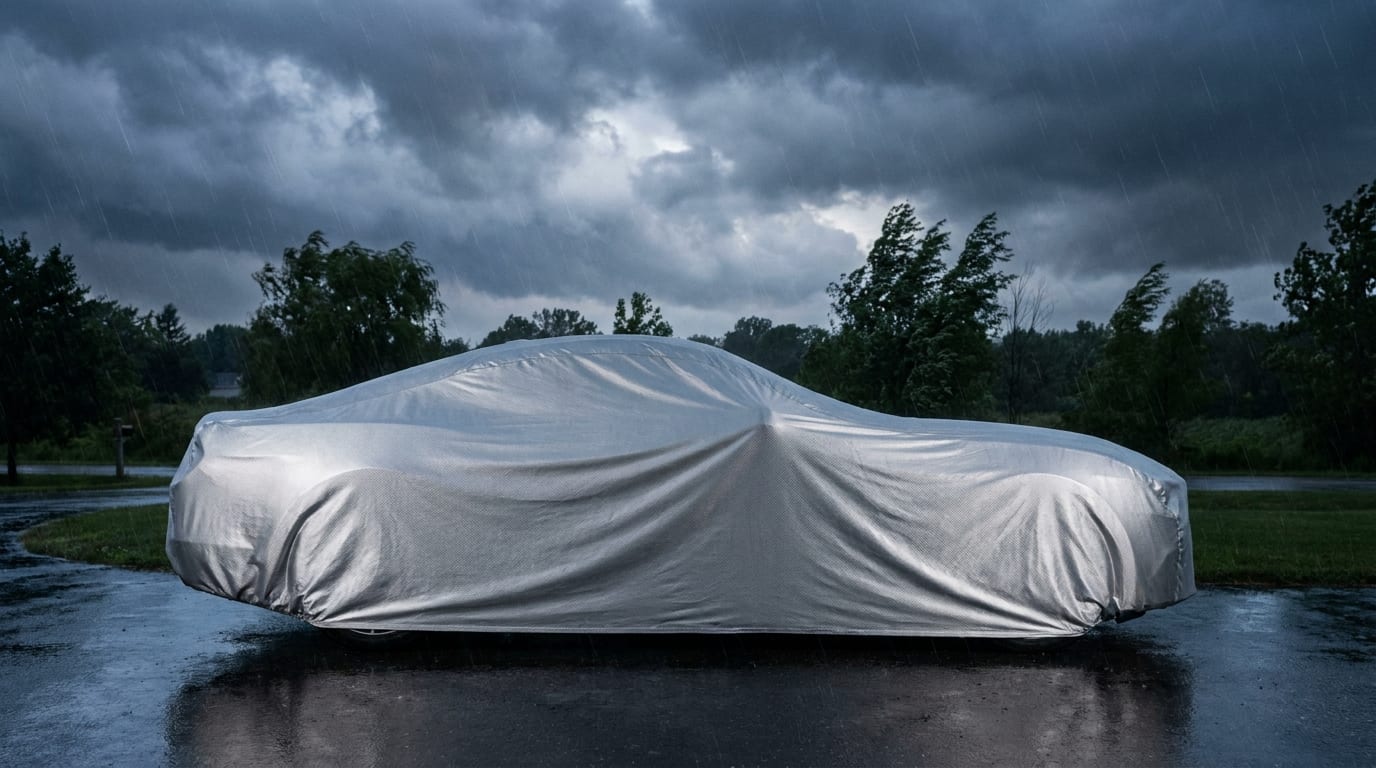
Seattle doesn't really do downpour-then-dry. It does drizzle, for days, with heavier storms layered on top. That near-constant moisture means an SUV parked outside accumulates far more cumulative wetness over a season than one in, say, Phoenix or Denver. Under a cheap cover, that moisture doesn't evaporate quickly. It sits. And sitting moisture is exactly what mold and mildew need.
Then there's the trees. The region's heavy tree cover means rain rarely falls alone, it comes with sap, pollen, and a steady drizzle of leaf and needle debris. A thin cover that would be fine in a drier, more open climate gets overwhelmed here fast. If you park under or near trees regularly, it's worth reading up on why using a car cover in lush wooded areas matters more than owners in drier regions tend to assume.
Seattle's temperature swings add another layer. Cool, damp mornings give way to milder afternoons, and that cycle creates condensation. Under a non-breathable fabric, that condensation has nowhere to go. It gets trapped against the paint, and over weeks and months you start seeing water spots and clear-coat damage that has nothing to do with rain falling on the cover at all, it's moisture that never left.
And don't forget the wind. Storms rolling in off Puget Sound bring real gusts, not just rain. A loose-fitting cover in that wind doesn't just flap annoyingly, it works rainwater in at the edges and can tear loose entirely. Which is why asking what's the best car cover for a SUV in a rainy climate like Seattle really has to include a wind-security answer, not just a waterproofing one.
The 4 Features That Matter Most in a Wet Climate

Waterproof, not water-resistant. Water-resistant fabric repels light mist for a while, then wets through once it's saturated. Waterproof fabric with taped or sealed seams blocks standing water outright, which matters when your SUV is sitting under hours of steady rain, not just a passing shower. This is the single biggest factor, so it's worth understanding the fabric difference before you buy, not after. CarCovers breaks this down in more detail in its guide to waterproof car covers.
Breathability. This sounds contradictory, waterproof and breathable, but good multi-layer fabrics do both. They block liquid rain from getting through while still letting trapped moisture vapor escape from underneath. Skip this feature and you've basically built a greenhouse for mildew on your SUV's hood. For a deeper look at how different fabrics balance these two jobs, see which material car cover is best.
Fit. A cover with gaps at the mirrors, antenna, or wheel wells is an invitation for wind-driven rain to find its way in, especially on a tall SUV body with more exposed surface area than a sedan.
Secure attachment. Grommets, cable locks, and gust straps keep the cover anchored instead of flapping loose in wind. Without them, you're relying on gravity and hope, neither of which holds up well against a Puget Sound storm. If your current cover doesn't have a strap system, it's a cheap fix. Here's how to install gust straps on a cover you already own.
Custom-Fit vs. Universal Covers for Seattle SUVs
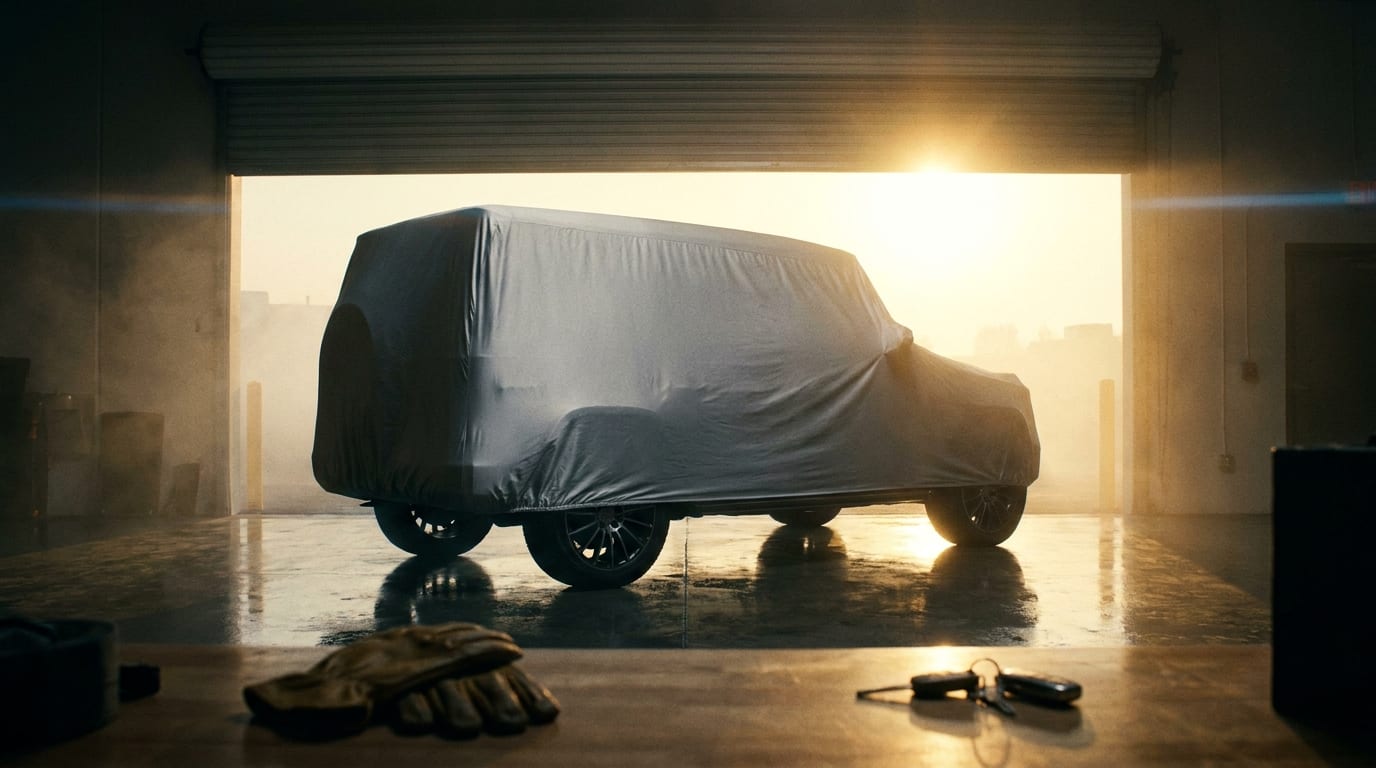
Custom-fit covers are cut to the exact dimensions of your SUV model, which closes the gaps around mirrors, antennas, and roof lines that a generic "fits most SUVs" cover just can't. On a tall SUV body, that extra surface area means more opportunity for rain to sneak in under a loose universal fit. Custom-fit car covers cost more upfront, but the fit difference is where the waterproofing actually gets tested.
Universal covers are cheaper, and that's the whole appeal. The tradeoff: loose fabric folds pool water instead of shedding it, and in Seattle's humidity, those pools stay wet far longer than they would in a drier climate. That's a direct path to mildew, and it defeats the purpose of buying a waterproof cover in the first place.
Before buying either option, confirm your SUV's exact measurements rather than guessing. CarCovers has a sizing guide for what size car cover fits your vehicle that's worth five minutes before you check out.
Subaru, Toyota, and Honda SUVs are everywhere in the Seattle area, and each has dedicated fit options rather than a one-size-fits-all approach. Given how popular the brand is in the Pacific Northwest, it's worth pointing Subaru owners specifically to the Subaru SUV cover lineup.
How to Keep a Rainy-Climate Cover Mildew-Free
Let the SUV dry fully before covering it. This one's easy to skip when you're in a hurry, but covering a wet vehicle traps that moisture underneath, and no amount of waterproof fabric on the outside fixes a problem that started on the inside.
During the heaviest rainy stretches, pull the cover off periodically and let it air out rather than leaving it on for months straight. A cover that never gets a break never fully dries between storms, and that's when mildew gets a foothold.
When it's time to clean it, keep it simple: mild soap, a full air-dry before you put it back on, and that's it. Skipping the full dry-out before reinstalling is how mold spores get a head start in the fabric. CarCovers has a full walkthrough on how to clean a car cover if you want the specifics.
If your SUV parks outside every single day in constant rain, honestly, consider owning two covers. Swap one in while the other dries completely. It sounds like overkill until you've dealt with a cover that never gets a dry day for three straight months.
Mistakes to Avoid in a Climate Like Seattle
Don't reach for a tarp instead of a real cover. It's tempting, tarps are cheap and sit in everyone's garage already, but they trap moisture directly against the paint with no breathable layer to let it escape. That's a shortcut to rust and mildew, not a workaround. See why a tarp isn't better than a car cover for the full case.
Don't go with a budget water-resistant cover if your SUV sits outside daily in constant rain. It might hold up for a few weeks. Over a full Seattle winter, it wets through, and you've paid for a cover that stopped protecting anything by November.
Don't skip the wind-securing accessories. This is the mistake people don't realize they've made until a coastal gust rips the cover loose or sends it tumbling down the street. A strap system is cheap insurance against a genuinely common outcome here.
And don't assume cloud cover means no UV damage. Seattle isn't sunny, but UV rays punch through clouds just fine, and a cover with no UV protection still lets your SUV's paint fade over time, rain or no rain. CarCovers covers this exact overlap of rain, wind, and UV exposure in its guide to using a car cover outdoors.
Bottom Line: Find the Right Cover for Your SUV
So, what's the best car cover for a SUV in a rainy climate like Seattle? A breathable, waterproof, custom-fit cover with a secure strap system, full stop. Anything less is a temporary fix that'll let you down by the second month of rainy season.
If you're not sure which tier fits how your SUV actually lives outside, day in and day out versus occasional overnight, start with a sizing and fit check before committing. It's a lot easier to get this right once than to replace a cover that failed after one wet winter. CarCovers backs its covers with warranty coverage, worth knowing about if you're weighing the upfront cost against years of Pacific Northwest weather.
Take a look through the available waterproof tiers and pick the level that actually matches how often your SUV sits outside, not just what's cheapest today. And if you want more guides like this one for your specific climate and vehicle, it's worth poking around the rest of the site before the rain really sets in.






