Affordable Car Cover for a Nissan Sentra: A Budget Buyer's Guide (Without Going Too Cheap)
Published
Why Sentra Owners Shop for Budget-Friendly Covers
A Sentra isn't a weekend toy. It's a commuter car, a first car, a reliable daily driver that racks up miles without asking for much in return. So when it's time to protect the paint and interior from weather, most owners aren't looking to spend like they're covering a Porsche. They just want something that works and doesn't cost a fortune.
Here's the thing, though: affordable doesn't have to mean flimsy. There's a real quality floor you shouldn't drop below, even when you're hunting for the cheapest option on the page. Go under it, and you'll end up buying two covers instead of one, which isn't saving money at all.
This guide walks through what actually drives the price of an affordable car cover for a Nissan Sentra, the minimum spec worth insisting on, how custom fit stacks up against generic sizing, and a few ways to stretch your budget further without gambling on protection.
What Actually Drives the Price of a Car Cover
Price differences between covers aren't random. A few specific factors explain almost all of it.
Material layering is the big one. Single-layer fabric is cheaper to produce and lighter in your hands, but it offers less resistance to rain, UV, and abrasion. Multi-layer covers cost more because they're doing more: a water-resistant outer layer, a soft inner layer to protect paint, sometimes a middle layer for puncture resistance. More layers, more cost, more durability. That tradeoff is consistent across the market.
Fit matters too. A custom-cut cover uses a pattern built around a specific vehicle's dimensions, which means less wasted fabric and a cleaner drape. Universal or semi-custom covers are sized more loosely to fit a range of vehicles, which keeps manufacturing costs down but can leave extra material flapping around your Sentra's mirrors and bumpers.
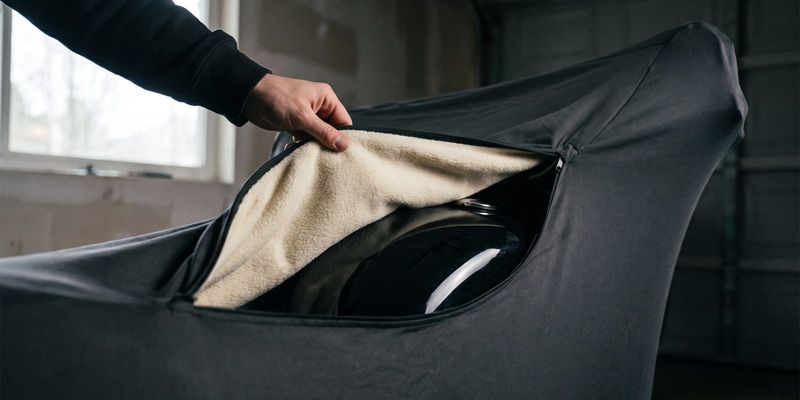
Then there's hardware. Grommets for cable locks, elastic hems, reflective trim strips, a zippered storage bag, these all add small amounts of cost that stack up. None of them are strictly necessary, but they change how convenient and secure the cover is day to day.
Finally, where the car lives changes what you should buy. A cover meant for garage storage can skip UV and heavy water treatment entirely, which keeps it light and cheap. A cover meant for the driveway needs that treatment, which adds cost but also adds years of life. Worth deciding this upfront: are you shopping for indoor car covers or outdoor car covers? That one decision alone explains a lot of the price spread you'll see while comparing options.
The Minimum Quality Bar: What Not to Skip Even on a Tight Budget

Cheap and bad aren't the same thing, but some corners genuinely shouldn't be cut.
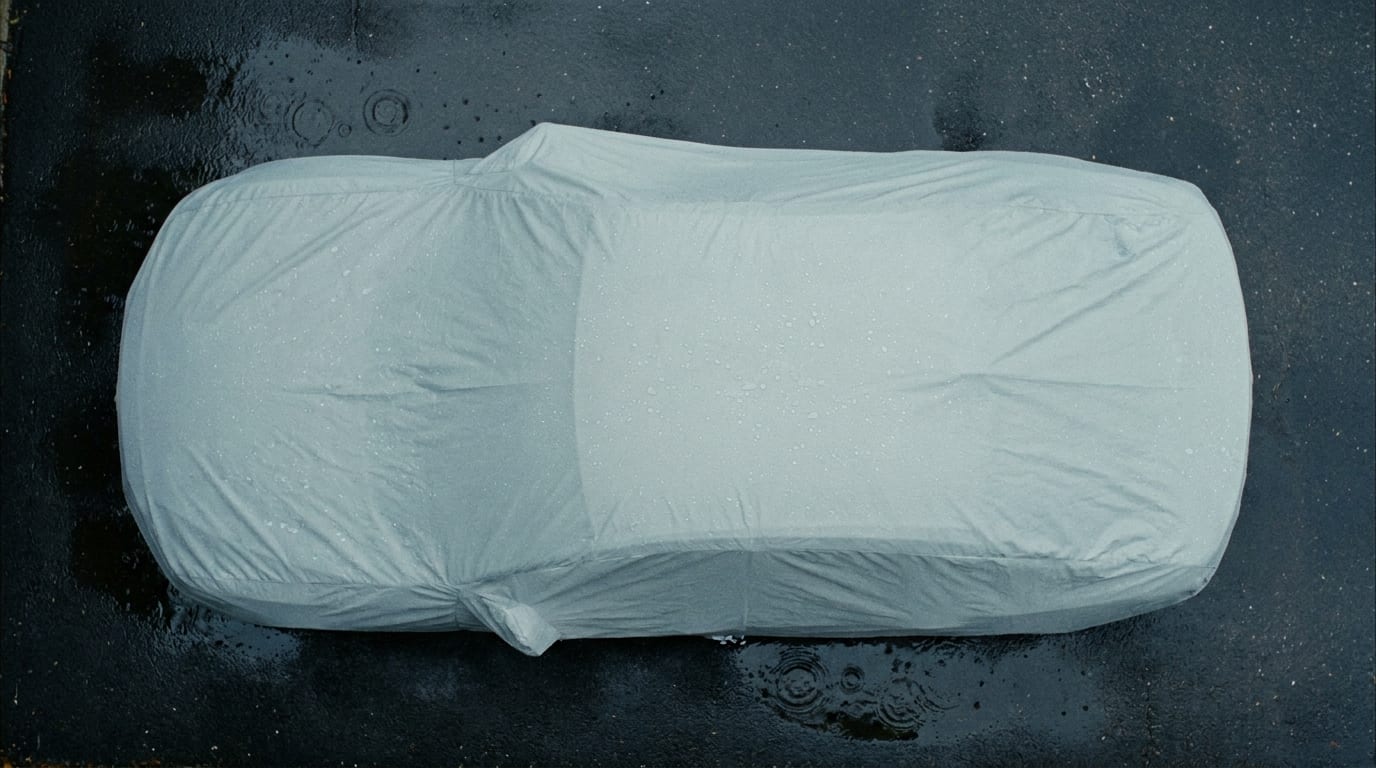
Water resistance is non-negotiable if there's any chance of rain or dew. It doesn't need to be a fully waterproof tarp-grade cover, but a cover with at least a water-repellent treatment keeps moisture from sitting against the paint and causing water spots or worse. A cover that soaks through is arguably worse than no cover at all, since it traps that moisture right against the body.
UV resistance matters just as much if the Sentra sits outside regularly. Untreated fabric breaks down fast under direct sun, going brittle and losing its shape within a season or two. That's the kind of "savings" that costs you a second purchase before the year is out.
Breathability gets overlooked constantly. A cover that blocks rain but doesn't let moisture escape just traps condensation underneath, which is a recipe for mildew on the paint and in the interior if it seeps through seams. Good budget covers balance repelling water from outside with letting trapped moisture out.
A snug elastic hem or adjustable straps keep wind from getting underneath and flapping the cover around. That flapping motion is what wears through fabric at the edges, and it's also how covers end up half-blown-off in the driveway after a windy night.
Last one: reinforced stitching at stress points, especially around mirror pockets and the antenna area. This is where bargain-bin covers fail first. The fabric itself might be fine, but a seam that rips at the mirror cutout turns into a tear that spreads across the whole panel.
Custom-Fit vs. Universal for a Nissan Sentra: Which Is the Better Value
Universal covers look cheaper on the price tag, and sometimes they are. But run the math over a year or two, not just at checkout.
A semi-custom or model-specific cover is cut to match the Sentra's actual body lines, which means less loose fabric to flap in the wind and fewer spots where the material rubs against itself or the car. That translates directly into less wear over time. A universal cover sized loosely to fit "most mid-size sedans" has extra material bunching at the hood and trunk, and that extra fabric is exactly what catches wind and chafes against the paint.
The price gap between the two is often smaller than people expect, especially once you weigh how long each one actually lasts. A universal cover that needs replacing in a year because the hem wore through isn't the deal it looked like at first.
If you're trying to understand the practical difference, custom-fit car covers explains how the fit process actually works, and sizing guidance for your specific vehicle is worth a read before you buy anything based on body style alone. For Sentra owners specifically, it's worth checking Nissan-specific cover options directly rather than guessing from a general sedan size chart.
Smart Ways to Save Without Sacrificing Protection
The easiest way to overspend on a budget cover is buying features you won't use. If your Sentra lives in a garage, you don't need the heaviest outdoor UV treatment on the market, that's money spent on a problem you don't have. Match the cover to where the car actually parks, not where you wish it parked.
Keep an eye on seasonal pricing too. Covers often get discounted or bundled with accessories like cable locks or storage bags around seasonal changeovers. Buying the bundle once is usually cheaper than buying the cover now and the accessories separately later, once you realize you need them.
Warranty coverage is an underrated part of "affordable." A cover backed by a real warranty protects your purchase even if it's priced low, because you're not stuck eating the cost if something fails early. It's worth reading through how lifetime warranty coverage works on car covers before you commit to a cheap option with no backing at all.
And don't ignore shipping. A low sticker price can turn into a mediocre deal once shipping gets tacked on at checkout. Confirming free shipping availability before comparing totals across retailers is a five-minute step that can change which option is actually cheaper.
Making a Budget Cover Last Longer

Buying smart is half the equation. The other half is not wrecking the cover you bought.
Fold it properly and store it the same way each time. Cramming a cover into a bag the wrong way creases the fabric in the same spots repeatedly, and that's where cracks and thin spots eventually show up.
Clean it on a schedule. Grit and road dust sitting on the fabric act like sandpaper every time the wind shifts the cover slightly. A quick wash now and then prevents that slow abrasion. The step-by-step cover cleaning process isn't complicated, it just needs to actually happen instead of getting skipped.
Material choice plays into longevity too, obviously, and if you want the deeper rundown on how different fabrics hold up over time, this breakdown of car cover materials is worth bookmarking before your next purchase.
One habit to drop: using the cover instead of washing the car. Throwing a cover over a dirty Sentra just traps dirt and grit against the paint, and that happens regardless of how much the cover cost. Wash first, cover second. Always.
Quick Checklist Before You Buy
Before you check out, run through this:
- Sized for your Sentra's generation and body style specifically, not a generic "sedan" catch-all
- Water-resistant and UV-treated if it's going to live outdoors
- Elastic hem or strap system, plus reinforced stitching at the mirrors and antenna
- A real warranty and a clear return policy, so a budget pick isn't a blind gamble
- Verified fit using a cover finder tool that filters by your exact vehicle before you commit to a size
That last step saves more returns and refunds than anything else on this list.
Bottom Line: Affordable and Protected Aren't Opposites
The real trick to buying an affordable car cover for a Nissan Sentra is knowing where to flex on price and where not to. Color, storage bag, trim details, all fine places to save a few dollars. Fabric protection, fit, and warranty are not. Skimp there and you're just paying twice.
If you're still weighing options, it's worth browsing Nissan-specific covers and running your Sentra through a sizing guide before deciding. And if you've gone this long without a cover at all, it's worth understanding what's actually at stake when a car sits unprotected. It tends to make the budget question feel a lot less complicated.