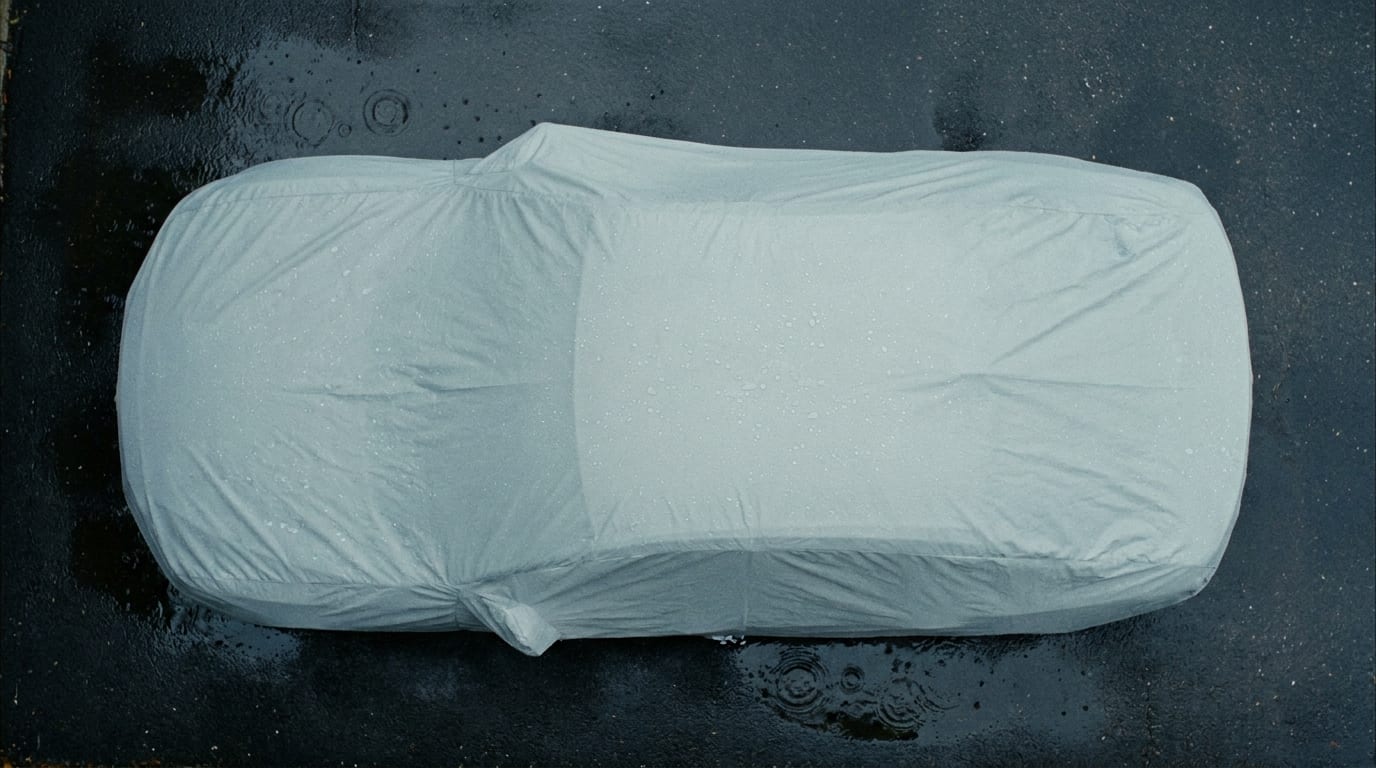
Kia's Soul has always been the oddball of the compact crossover world: boxy, upright, more cube than curve. That shape is great for cargo space and headroom. It's not so great when the car's parked outside all day, because nearly every panel faces the sky or the sun directly. Flat roof, flat hood, nearly vertical sides. All of it exposed.
That's exactly why an affordable car cover for Kia Soul owners isn't a luxury purchase, it's basic maintenance. The good news: "affordable" doesn't have to mean "disposable." This guide walks through real price ranges, the quality floor you shouldn't drop below, and how to match a cover to how you actually park. If your Soul sits in a driveway every night, your math looks different than if it's a weekend car tucked into a garage. We'll cover both. You can see what's actually available for your specific model on the Kia cover page once you know what to look for.
Why Your Kia Soul Still Needs a Cover (Even on a Budget)
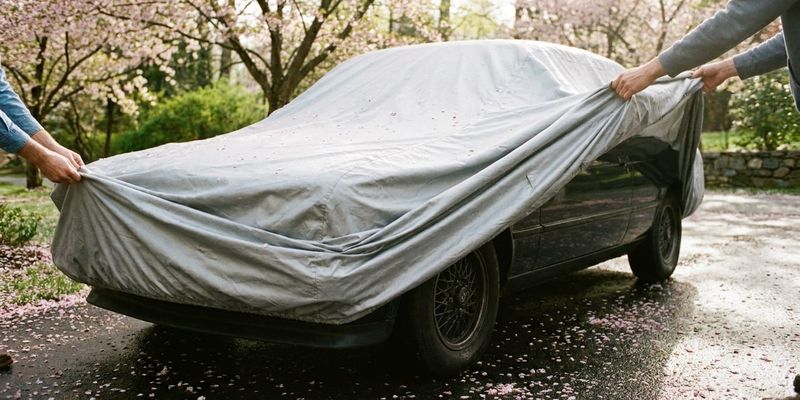
Think about the Soul's silhouette for a second. Rounded sedans shed sun and rain off curved surfaces. The Soul doesn't have much curve to work with. Its roof is nearly flat, its sides are nearly straight up and down, and that adds up to a lot of surface area sitting still under UV rays, tree sap, and bird droppings all day long.
A cheap cover that actually does its job beats no cover every time. But there's a difference between affordable and flimsy. This guide sets a floor: covers that cost less without quietly costing you a paint job six months later.
Worth separating your situation early, too. A Soul that's your daily driver and parked outside needs more from a cover than a second car that spends most of its life in a garage under a car cover for backup protection. Both are valid "budget" buyers. They just need different things.
What Actually Drives the Price of a Kia Soul Cover
Three things push the price up or down, and once you know them, every listing makes more sense.
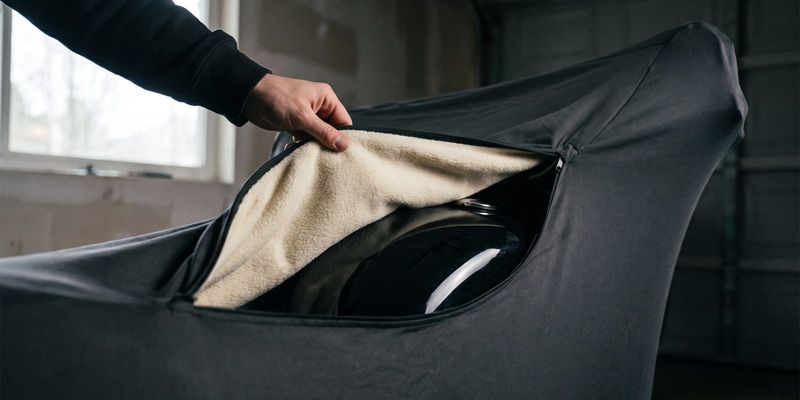
Material and layer count. Single-layer polypropylene is the cheapest fabric you'll find. It blocks dust and light rain fine, but it's thin and tears easier over time. Multi-layer woven fabrics cost more because they add real UV and water resistance, with an inner layer that's softer on paint and an outer layer built to take weather.
Custom-fit versus universal sizing. A cover cut to the Soul's actual dimensions costs more to manufacture than a generic "fits most SUVs" cover. That upfront cost buys you less wind flap, fewer gaps where water sneaks in, and less fabric rubbing against the same spot on your paint for months on end.
Included accessories. Straps, a storage bag, a cable lock. These add a few dollars to the price tag but save you from buying them separately later.
None of these factors are "bad" at the low end. They just explain why a $40 cover and a $140 cover aren't really the same product wearing different price tags.
The Minimum Quality Bar: What Not to Cut on a Budget Cover
Here's where budget shopping goes wrong: people assume cheap means stripped-down everywhere. It shouldn't. Even at the lowest price point, four things are non-negotiable.
- UV-stabilized fabric, not just any polyester
- Reinforced seams, especially at stress points like mirror pockets
- An elastic hem or grommets so the cover actually stays put in wind
- A basic water-resistant finish, not just water-repellent marketing copy
Skip the UV treatment and you'll watch the fabric fade, chalk, or go brittle within a season. That's not a maintenance issue, that's a manufacturing shortcut.
One more proxy worth checking: does the cover come with any kind of warranty at all? A manufacturer willing to back a product, even with a limited warranty, usually built it to survive more than one rainstorm. Our lifetime warranty page spells out what real coverage looks like, so you know what to compare against when you're reading a budget listing's fine print.
And don't confuse "waterproof" with "good." A cover made from non-breathable vinyl or tarp material can trap moisture underneath it, which is how you end up with mold and mildew on a car that was supposed to be protected. Cheap should never mean airtight.
Custom-Fit vs. Universal Covers for the Kia Soul: Which Is the Better Value?
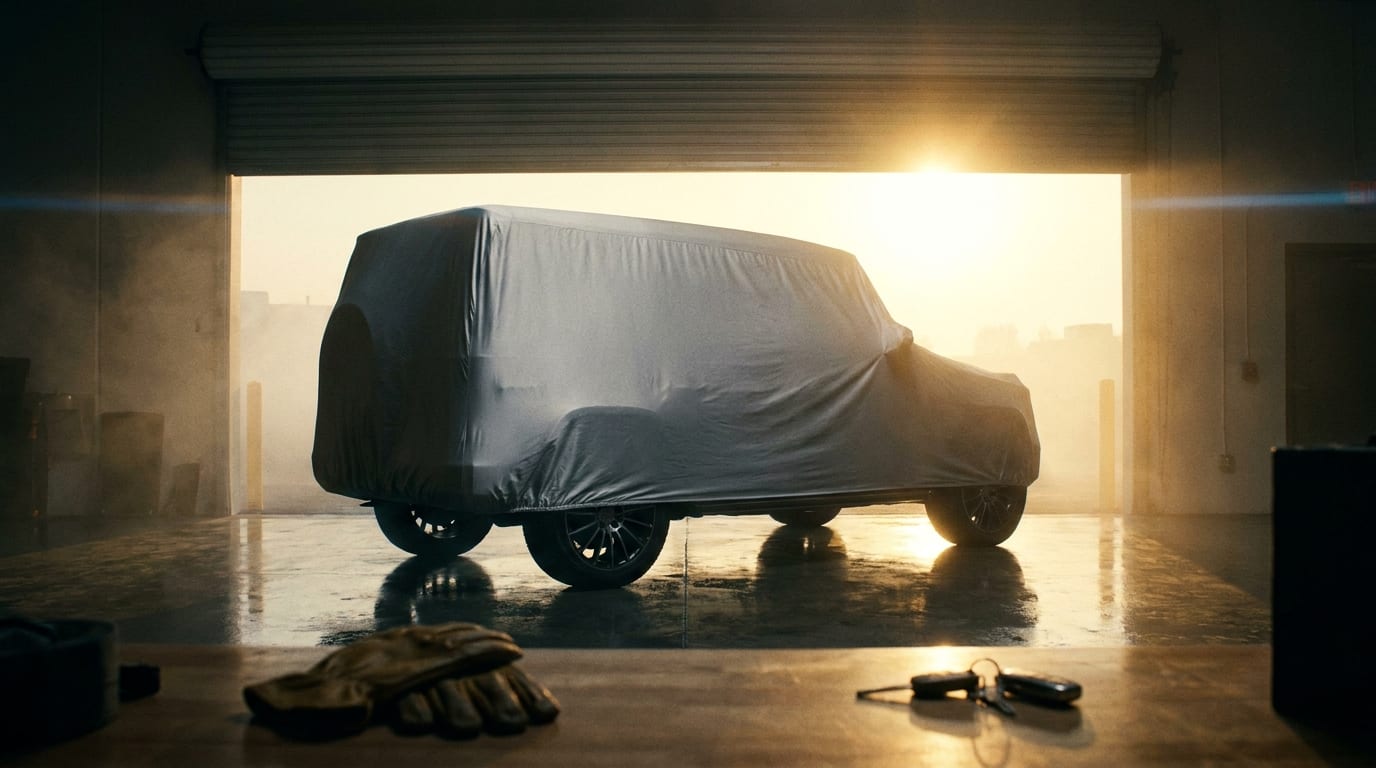
Universal covers are cheaper, full stop. But the Soul's boxy roofline makes a bad fit obvious in a way it wouldn't on a rounded sedan. Excess fabric billows at the corners, flaps in wind, and rubs the same patch of paint on every gust. Over months, that's real wear.
A true custom-fit cover costs more upfront, but it's cut to the Soul's actual roofline, mirrors, and body lines, so there's less loose material to catch wind or pool water.
Here's the simple rule: if your Soul sits outside every day, the custom-fit cover earns its higher price fast. If it's mostly garaged and the cover is just backup protection for the occasional overnight outside or road trip, a cheaper universal option is a reasonable call. Not sure which size category your Soul falls into to begin with? The cover sizing guide walks through it before you buy either kind.
Matching the Cover to Where You Actually Park
This is the single biggest lever for getting real value out of an affordable car cover for Kia Soul owners, and it's the one people skip.
Park outside daily? Prioritize waterproofing and UV resistance over shaving a few dollars off the price. That's where the money actually matters. An outdoor-rated cover built for sun and rain is worth the extra cost, because it's doing real work every day.
Garage or indoor storage? Go lighter and cheaper. A genuinely indoor car cover just needs to handle dust and the occasional scratch risk, not weather. Spending extra for heavy-duty waterproofing you'll never need isn't frugal, it's wasted.
Live somewhere with real seasonal swings, rain in spring, snow in winter, brutal sun in summer? Don't try to save money with a single cover rated for only one of those conditions. That's the classic budget mistake: buying once, cheap, for a job that actually needs year-round protection, then buying again in six months when the first one fails.
Budget Tier Breakdown: What You Get at Each Price Point
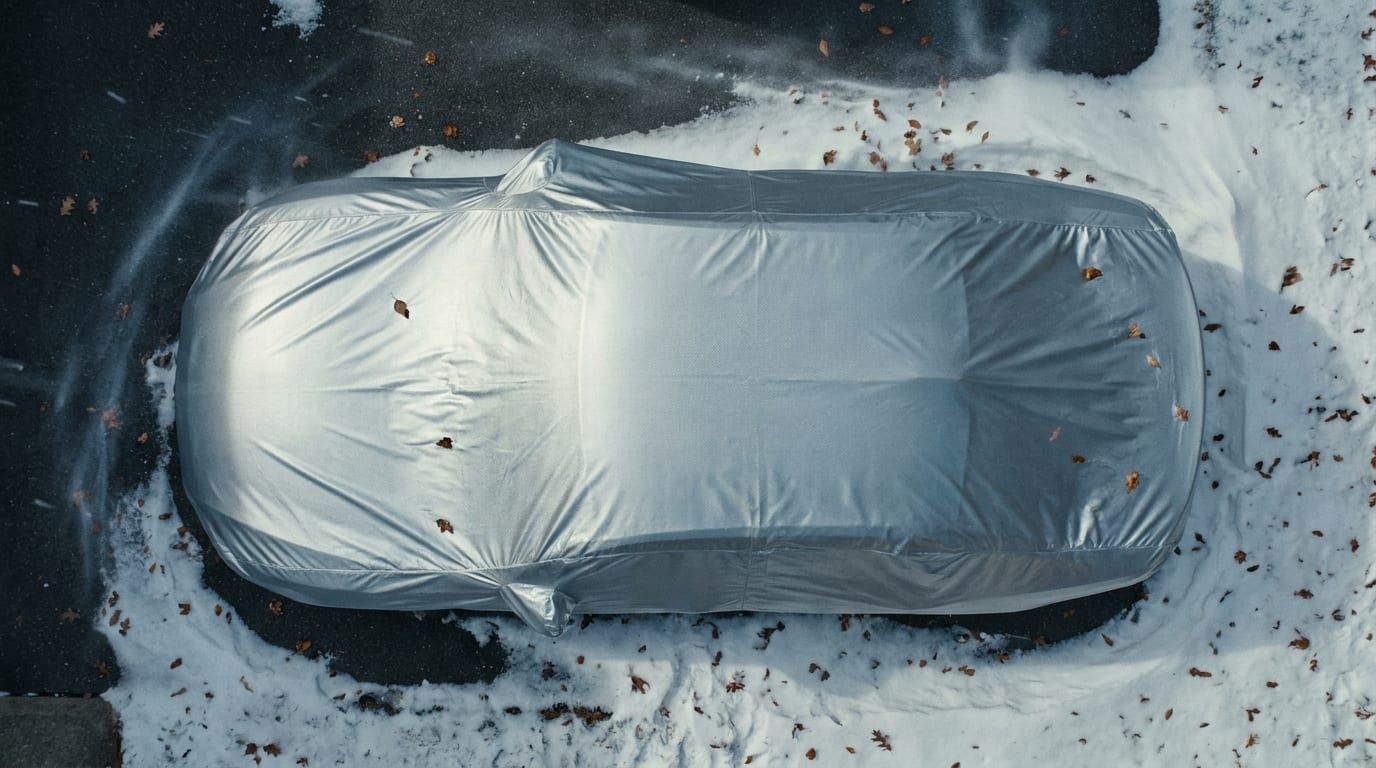
Roughly speaking, Kia Soul covers fall into three tiers.
| Tier | What's included | Best for |
|---|---|---|
| Entry | Single-layer fabric, basic UV and water resistance, universal sizing | Indoor storage or short-term use only |
| Mid | Multi-layer woven fabric, better water resistance, semi-custom or custom sizing, straps included | Most Soul owners, daily use and regular outdoor exposure |
| Upper (still reasonable) | Full custom-fit, heavier-duty weatherproofing, extras like storage bag and antenna patch | Daily outdoor parking in tough weather |
For most Soul owners, the mid tier is the sweet spot. You're getting real weather resistance and a fit that doesn't flap around, without paying for extras you don't need.
One more tip: clearance and sale sections regularly bring mid-and-upper-tier covers down to entry-tier pricing. It's worth checking the clearance collection before settling for a lower-spec cover just because of the sticker price. If you want to compare actual current pricing across tiers for your specific Soul, the cover finder tool will narrow it down by year and trim in a couple of clicks.
Protecting Your Investment: Cheap Covers Still Need Care

A budget cover that's cared for will outlast a premium cover that isn't. Basic habits matter more than people expect.
Shake off leaves and debris before folding the cover up. Don't stuff it into its storage bag while it's still damp, that's a fast track to mildew and the kind of smell that doesn't wash out easily. A simple wash routine, mild soap and a soft brush, keeps the water-repellent finish working instead of breaking down early. The full process is laid out in our cover cleaning guide if you want step-by-step instructions.
Installation matters just as much as fabric quality. A cover with straps placed wrong, or left loose, rubs against the paint in the same spot every time the wind picks up. That's wear you caused, not wear the fabric earned. Our basic installation guide covers strap placement and the small details that keep a cheap cover performing like a pricier one.
Final Take: Getting the Best Value, Not Just the Lowest Price
The rule here is simple: buy the cheapest cover that still clears the UV, water, and seam quality bar, and match it to where your Soul actually spends its nights. Don't pay for heavy-duty weatherproofing it'll never see in a garage. Don't skimp on it if it's parked outside every day.
Before you check out anywhere, look at the warranty terms and return policy. A cover that can be returned hassle-free if it doesn't fit right turns an affordable pick into a safe one instead of a gamble.
If you're ready to see actual pricing for your Soul's year and trim, that's a better next step than guessing from a generic listing. Browse what's currently available, compare a couple of tiers side by side, and pick based on where you park, not just the number on the price tag.