
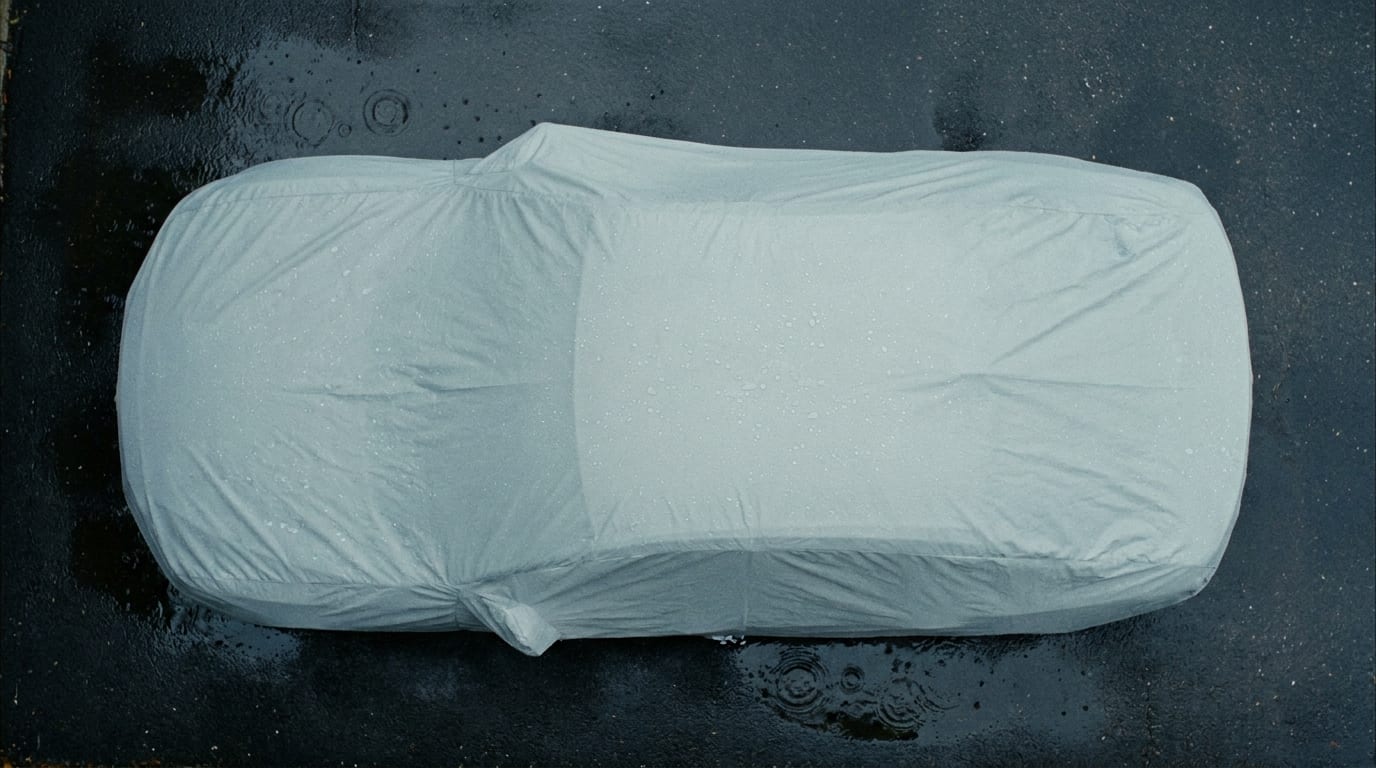
Why Golf Owners Are Looking for a Budget-Friendly Cover
Most Volkswagen Golf owners don't have a garage. Street parking, apartment lots, the back row of an office parking garage with no roof over it, that's the reality for a lot of compact hatchback drivers. And when your car lives outside, you want some kind of shield between it and the weather, but you don't necessarily want to pay what you'd pay for a cover on a Porsche.
That's the search behind an affordable car cover for Volkswagen Golf: something priced for a daily driver, not a collector's garage queen. Here's the thing though, affordable doesn't have to mean disposable. There's a real price range where a cover still does its job, keeping paint protected, keeping the interior from baking, keeping glass free of pollen and grit, without costing anywhere near what premium options run.
This guide walks through what actually makes a cover expensive (and what doesn't), where you shouldn't cut corners even on a tight budget, and how to shop smart for a car shaped like a Golf instead of just grabbing whatever's cheapest on the shelf.
What Actually Drives Car Cover Prices Up (and Down)
Car cover pricing isn't random. A handful of factors explain almost all of it.
Material is the big one. Single-layer fabrics cost less to produce than multi-layer woven blends, and that difference shows up directly in the price tag. More layers generally mean better protection against sun, rain, and abrasion, but they also mean more fabric and more manufacturing steps. UV and water resistance treatments add cost too, since untreated fabric is cheaper to make but won't hold up outdoors nearly as long.
Fit matters just as much. A custom-fit cover is cut to match the Golf's exact body lines: the roofline, the hatch, the mirror pockets. That precision costs more upfront than a universal or semi-custom cover, which is just a generic shape stretched (sometimes awkwardly) over whatever car happens to be underneath it. Universal covers aren't automatically bad, and for a compact hatchback shape like the Golf's, a decent semi-custom option can still fit reasonably well. But you're trading some precision for a lower price.
Then there's indoor versus outdoor rating. Indoor-only covers skip the weatherproofing layers entirely, which makes them cheaper, lighter, and honestly a smart buy if your Golf actually sleeps in a garage overnight. If it doesn't, that savings isn't worth it.
Last factor: timing. Sales, clearance sections, and off-season buying windows can knock a real chunk off the price without touching the spec at all. Checking something like clearance inventory before you buy new-release pricing is one of the few ways to lower cost without lowering quality.
The Minimum Quality Bar: What Not to Skip Even on a Budget

Cheap doesn't have to mean flimsy, but there's a floor you shouldn't go below.
Breathable fabric is non-negotiable. A cover that traps moisture against your paint is worse than no cover at all, because now you've got condensation sitting under a tarp instead of evaporating off in the open air. That's how mildew shows up on a car that's supposedly "protected."
If the Golf is parked outside even occasionally, you need some level of water resistance. Full waterproofing is a step up in price, but basic water resistance should be standard even on entry-level covers. Pair that with elastic hems or strap anchoring so wind doesn't turn your cover into a kite on the first gusty night.
Skip UV protection and you're skipping the whole point of the cover for a lot of owners. Direct sun fades paint and cracks dashboard plastic faster than most people expect, and a cover with no UV treatment barely slows that down.
Check the seams before you check the price. Loose stitching is the first thing to fail on a bargain cover, usually within a season of regular use. And look for some kind of warranty or guarantee on the listing. A maker willing to back an entry-level product, even with something basic like a lifetime warranty or a no-hassle guarantee, is telling you something about how confident they are in it.
Getting the Right Fit for Your VW Golf Without Overpaying
Fit beats brand name when you're on a budget. A cover that's too loose flaps in the wind, chafes against the paint, and lets rain blow in sideways under the edges. All of that speeds up wear, which means you end up replacing a "cheap" cover more often than a properly sized one, and the savings disappear.
Don't guess your size off a generic "compact car" chart. The Golf's hatchback body, its roofline, its overall length, all of that varies by generation, and a chart built for compact sedans in general won't account for the hatch shape specifically. Getting it right from VW-specific sizing avoids a lot of headaches later.
Checking an exact VW Golf fit through the Volkswagen lineup sidesteps the most common budget-cover complaint: bunched-up excess material at the mirrors or bumpers because the cover was never built for this body style. If you're not sure which size or fit option matches your specific Golf, run it through a cover finder tool before you buy, or check this sizing guide first. It's a five-minute step that saves you from paying for the wrong cover and then paying again for the right one.
Budget-Friendly Options at Different Price Points
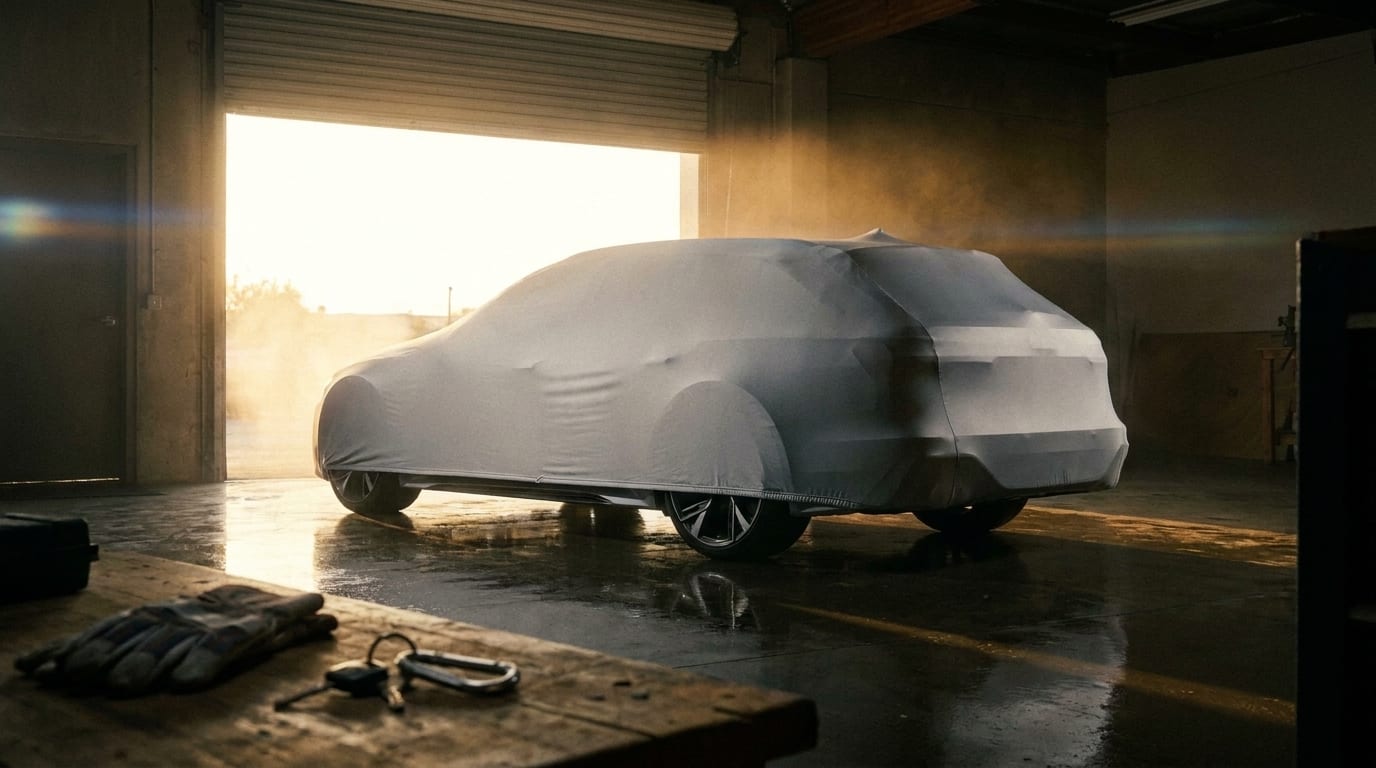
Not every budget cover is the same budget cover. Breaking it into rough tiers helps.
| Tier | What's typically included | Best for |
|---|---|---|
| Entry-level indoor/dust cover | Lightweight fabric, minimal or no weatherproofing, basic strap or elastic hem | Golf kept in a garage, just needs dust and scratch protection |
| Mid-tier outdoor cover | Water-resistant fabric, grommets for a cable lock, sometimes a storage bag | Daily street-parked Golf in mild to moderate climates |
| Value multi-layer cover | Multi-layer fabric with UV and water resistance, straps, storage bag included | Golf parked outdoors year-round or in harsher climates (heavy sun, regular rain) |
Garage-kept Golfs don't need to pay for weatherproofing they'll never use. That's where an indoor-focused option makes sense to skip in favor of something lighter and cheaper. Daily outdoor parking is a different story, and that's where a waterproof cover earns its keep even at a modest price point.
Worth repeating: checking clearance stock is often the fastest route to a mid-tier cover at entry-level pricing. Sizes and colors on clearance change, so it's worth a look before committing to full retail on anything. And whichever tier you land on, don't let the price point talk you out of the minimum quality bar from earlier. Breathable fabric, real seams, some water resistance, and strap anchoring aren't premium features. They're the baseline, and a cover that skips them isn't actually cheap, it's just short-lived.
Making a Budget Cover Last Longer

A budget cover that's cared for properly can outlast a pricier one that's neglected. The habits are simple.
Shake off leaves, dirt, and debris before folding it up. Dragging a dirty cover across pavement or folding it with grit still on the fabric wears down the weave faster than normal use ever would. Let it dry completely before you store it, too. Folding a damp cover into a bag is basically asking for mildew.
Installation matters more than people think. Straps and grommets should be snug enough to hold the cover in place in wind, but not cranked down so tight they stress the seams. That's one of the most common early failure points on inexpensive covers, and it's completely avoidable. If you're not sure you're doing it right, this installation guide walks through the basics in a few minutes.
Cleaning doesn't need to be complicated. Mild soap, a soft brush, air dry. Skip harsh detergents and skip the high-heat dryer cycle, both of which strip the water-resistant coating over time. A full rundown is in this cover cleaning guide if you want the specifics. None of this is expensive or time-consuming, it just has to actually happen.
Bottom Line: Protecting Your Golf Without Overspending
Start with how and where your Golf actually parks, not with a price number in your head. Garage-kept cars can go lighter and cheaper. Daily street-parked cars need real water and UV resistance, no way around it. Once you know which category you're in, hit the minimum quality bar first, fabric that breathes, seams that hold, straps that anchor it down, and then shop price within that spec rather than below it.
An exact-fit cover built for the Golf's body style will generally outlast a generic universal cover sold at a similar price, simply because it's not fighting the wind and flapping against itself every time you park it. That's the real math behind an affordable car cover for Volkswagen Golf: fit and minimum spec first, discount hunting second.
If you're still narrowing things down, it's worth browsing the full range of options and running your Golf's details through a sizing tool before you commit to anything. And if you want more buying breakdowns like this one, keep an eye on our car care hub for the next guide.






