


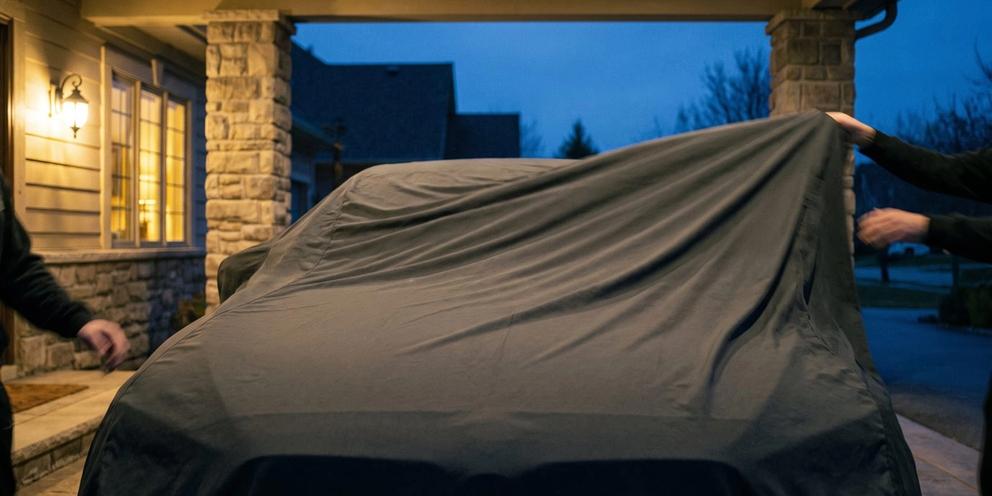
Best Car Cover for Long-Term Storage: What to Look For and How to Prep
Leave a car sitting for a few weeks and it barely notices. Leave it sitting for three months under the wrong cover, and you'll come back to swirl marks, a musty interior, or worse, a rodent nest under the hood. Picking the right car cover for long term storage isn't the same decision as grabbing whatever's cheapest for daily driveway use. Storage duration changes the math entirely, and so does what happens to a vehicle that isn't moving, isn't venting, and isn't getting checked on every day.
This guide walks through what actually matters when a car is going to sit for weeks or months, plus the prep work that determines whether the cover does its job.
Why Long-Term Storage Needs a Different Cover Strategy
A cover you throw on before work and pull off after dinner has a pretty easy job. It blocks some dust, maybe some morning dew, and comes off before conditions have time to do real damage. Long-term storage is a different animal. You're asking a single piece of fabric to manage moisture, temperature swings, dust, and pests for weeks or months without anyone touching it.
That's where things go wrong. Moisture trapped against the body leads to paint oxidation and, in bad cases, surface rust starting under the cover where nobody sees it coming. Tires sitting in one position under constant weight and heat can flat-spot. Mice and other rodents treat a quiet, covered engine bay as prime real estate. And UV exposure, even filtered through a garage window, fades interior trim and dashboard plastic over months of sitting still.
None of this means storage is risky by default. It means the cover and the prep work leading up to it need to match how long the car's actually going to sit. That's what the rest of this guide covers: choosing the right cover, then doing the prep that makes it worth using.
What Makes a Cover Suitable for Long-Term Storage
Breathability is the single biggest differentiator between a cover built for storage and one built for quick coverage. A non-breathable cover traps condensation underneath it, and over a few days that's a minor annoyance. Over a few months, that trapped moisture becomes the exact problem you bought a cover to prevent. A car cover for long term storage needs a fabric that lets vapor escape while still keeping dust and debris out.
Material weight matters too, and it depends on where the car's parked. Indoor storage doesn't need heavy-duty weatherproofing, so a lighter, more breathable fabric works fine and is easier to handle. Outdoor long-term storage needs something more durable, built to hold up to weeks of exposure rather than a single afternoon of rain.
Check the lining, too. A cover that sits motionless for months isn't getting whipped around by wind the way a daily-use cover might, but it's still in contact with the paint the entire time. A soft, non-abrasive interior lining prevents the slow, low-grade scratching that comes from months of static contact against clear coat.
Fit is the other half of this. A loose, universal-fit cover has room to shift, even indoors with no wind at all. Settling, minor vibration, someone brushing past it in a garage: any of that a can nudge a baggy cover just enough to rub the same spot repeatedly over weeks. A snug, custom-fit cover eliminates most of that movement because there's nowhere for it to shift.
Indoor vs. Outdoor Storage: Which Cover Type You Need
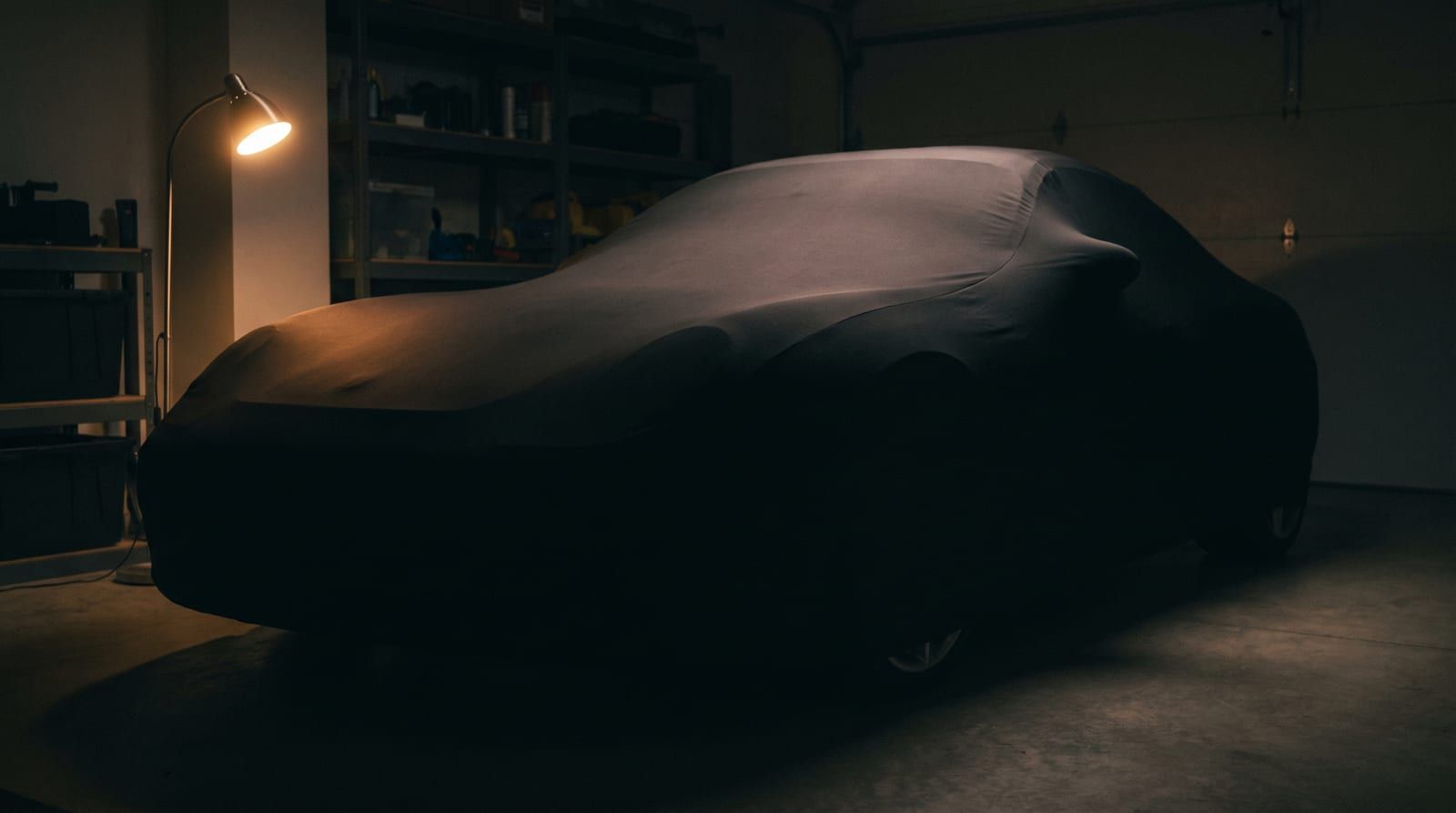
Where the car sits changes what the cover needs to do, and it's worth being honest about which category your storage plan actually falls into.
Indoor storage, a garage or a storage unit, doesn't need waterproofing or UV resistance. Rain and sun aren't the threat there; dust settling for months on end is. A lighter, breathable indoor car cover does the job without the bulk of a fully weatherproof design, and it's easier to fold and store when the car finally comes back out.
Outdoor storage is a different commitment. If the car's sitting under a carport, in a driveway, or exposed for the season, you need waterproof protection built to hold up over sustained exposure, not just a passing shower. Look for wind-strap compatibility too, since a cover that isn't secured against a car parked for months will eventually work itself loose in a storm.
Climate plays into this more than people expect. Humid regions need extra breathability regardless of indoor or outdoor storage, because trapped moisture is a bigger risk than trapped dust. Dry, sunny climates need real UV resistance even for cars parked in a carport or under a covered patio, since reflected and ambient UV still does damage over weeks. For the full spec breakdown on either scenario, the outdoor car cover guide walks through what to look for by climate and exposure level.
Prepping the Car Before You Cover It for Storage
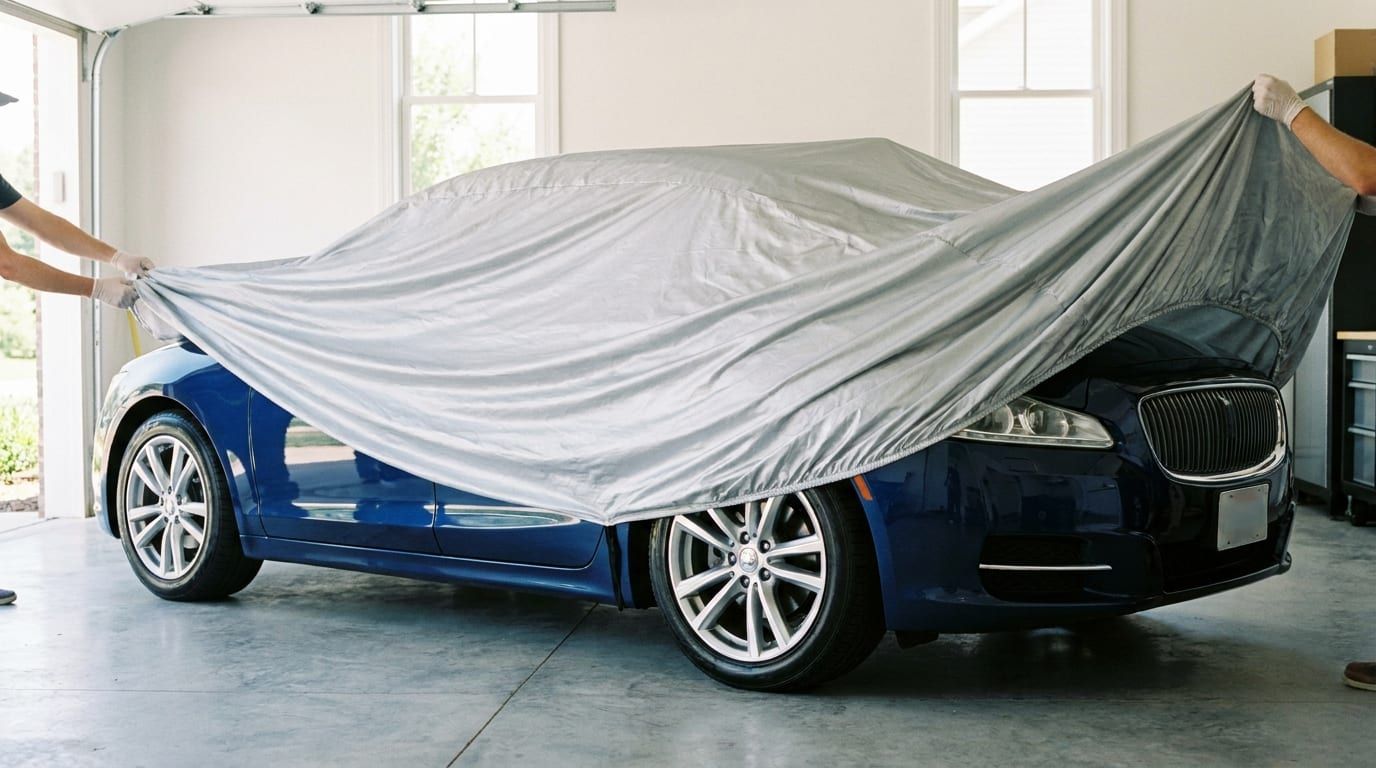
The cover only works as well as the car underneath it is prepped. Skip this step and you're just sealing problems in.
Wash and fully dry the car before it goes under the cover. Dirt and grime trapped against paint for months does more damage sitting still than it would in daily driving, and any residual moisture left on the body just adds to what the cover already has to manage.
The battery doesn't like sitting idle any more than the paint does. Disconnect it, or better, put it on a trickle charger so it holds a usable charge the whole time the car's parked. If you're not familiar with how these work, this trickle charger explainer covers the basics of why a dead battery is one of the most common surprises when people pull a stored car back out.
Rodents are a real risk during long-term storage, and a covered, undisturbed car is exactly the kind of quiet spot they look for. Block obvious engine bay entry points, don't leave food wrappers or paper in the cabin, and consider deterrents before the cover goes on, not after you've found evidence they got in. This guide on protecting a car from rodents has more detail on where they get in and what actually keeps them out.
Tires need attention too. Inflate to the manufacturer's recommended PSI, or better, use tire cradles if the car's going to be parked for months. Sitting in one position under constant weight is how flat spots develop, and they don't always fully round back out once the car's moving again.
If the storage space is fully enclosed with no ventilation, crack the windows slightly. It helps interior humidity escape instead of building up and turning into a musty smell or, worse, mold on upholstery.
Common Long-Term Storage Mistakes to Avoid

The biggest one: using a tarp instead of a real cover. Tarps aren't breathable, and they trap moisture against the paint the same way a bad car cover would, except tarps are also stiff, abrasive, and have zero fabric engineering behind them. This comparison of tarps versus car covers goes into exactly why the material difference matters, especially over months rather than days.
Second mistake: not securing the cover. No cable lock, no gust strap, nothing holding the hem down. Even indoors, a cover that isn't secured can shift slightly over time from foot traffic or airflow from an HVAC vent, and that slow shifting is what causes abrasion nobody notices until it's already there.
Third: skipping periodic checks. Long-term storage doesn't mean zero-maintenance storage. A monthly walk-around, just lifting a corner to confirm everything underneath is dry and the cover's still sitting right, catches problems early instead of finding them three months later.
Last one, and it's a common trap: picking a cover based on price alone. A cheap cover bought for a two-week trip isn't the same product you need for a car sitting all winter. Storage duration and climate should drive the material choice, not the sticker price. This breakdown of car cover materials is worth reading before buying if you're not sure what fabric fits your situation.
Seasonal Storage Considerations
Winter and summer storage put different stress on a cover, even if the car doesn't move either way.
Winter means snow load and ice buildup, so the cover needs cold-weather waterproofing that won't crack or stiffen in freezing temps. A cover that performs fine in October can behave very differently in January.
Summer storage has its own quiet risk: UV degradation, even in a garage. Skylights, windows, and open garage doors let in enough ambient sunlight to fade upholstery and stress cover fabric over a full season, so don't assume "indoors" means "no UV exposure at all."
It's worth checking the cover's fit and condition each time the seasons turn, especially right before a car goes into winter storage or comes back out in spring. Fabric wears, straps stretch, and a cover that fit perfectly last year might need a second look.
RV and camper owners run into the exact same decisions, just at a bigger scale. Breathability, fit, and climate-driven material choice all apply the same way to a stored camper as they do to a car. If that's your situation, the RV covers category covers the same principles sized up for larger vehicles.
Choosing and Buying Your Long-Term Storage Cover
It comes down to three questions: where's the car stored, what's the climate like, and how long is it actually going to sit. Indoor and short-term leans toward lighter, breathable fabric. Outdoor and multi-month leans toward heavier, waterproof, UV-rated material with secure strapping. Get those three answers right and the rest of the decision gets a lot easier.
Warranty coverage is worth checking too. A cover meant to protect a car for months at a stretch is doing real work, and it's reasonable to want that backed by something more than a 30-day return window. It's worth reading through what's actually covered before buying, since warranty terms on car covers vary more than people expect.
If you're ready to start narrowing things down, browse car cover options by vehicle type to see what fits your specific make and model before committing to a storage plan.
Storing a car right is mostly about not skipping steps. Get the cover, the fit, and the prep dialed in, and there won't be any surprises when it's time to pull the cover off. If you found this useful, stick around the blog for more real-world car care guides before your next storage season rolls around.
Updated