Best Cover for a Dirt Bike Trailer: Fit, Waterproofing & Strap Guide
Published
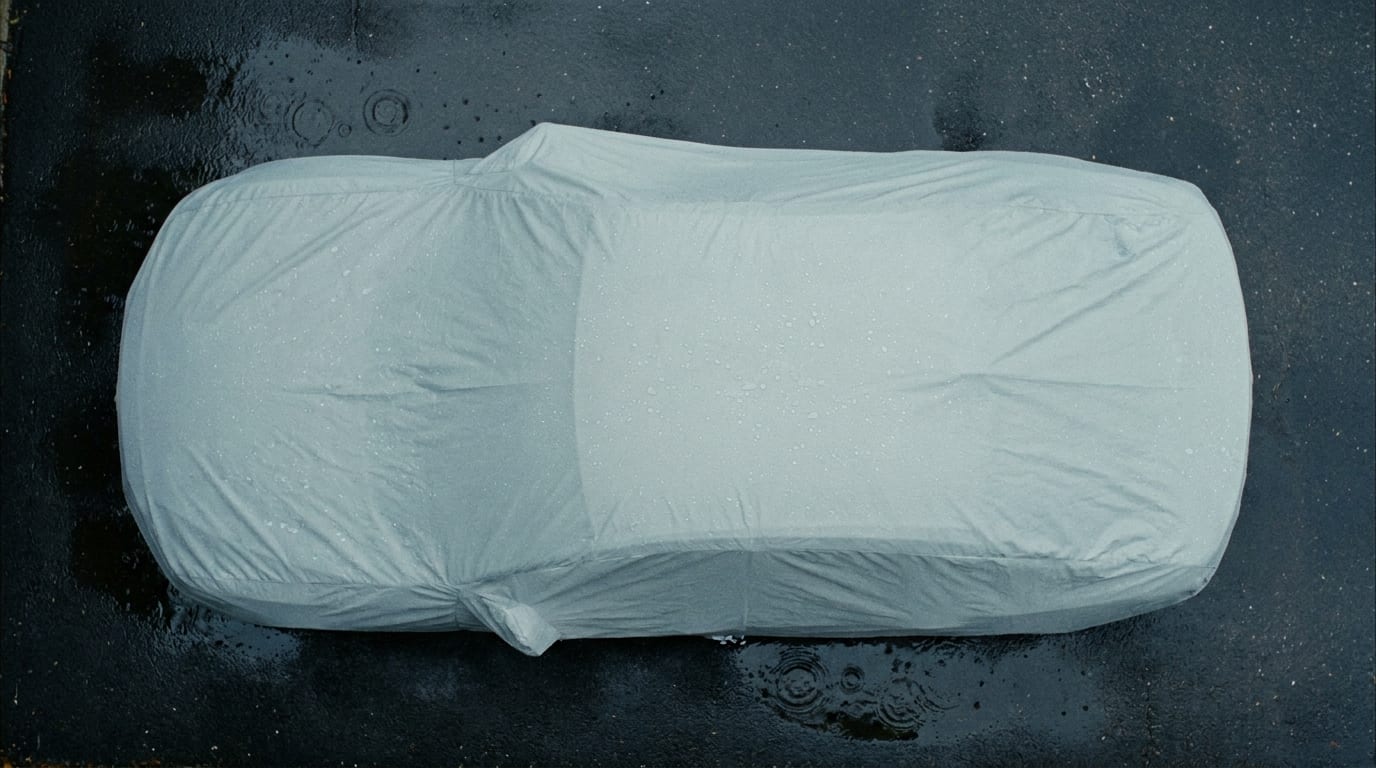
Haul a dirt bike to the trailhead often enough and you'll notice the trailer takes more abuse than the truck pulling it. It sits in the driveway between rides, gets rained on, bakes in the sun, and still has to be ready to load up on short notice. Finding the best cover for a dirt bike trailer means thinking about the trailer and the bikes strapped to it as one system, not just slapping a tarp over the whole thing and hoping for the best. This guide walks through fit, waterproofing, and the strap setup that actually survives highway speeds.
Why a Dirt Bike Trailer Needs a Different Kind of Cover
Covering a tow vehicle is mostly about paint and UV. Covering a motorcycle is about keeping water off the seat and chrome. A loaded dirt bike trailer is a different animal entirely: it's parked outside between rides, often in a gravel storage yard or a driveway with zero shelter, and it stays hitched up and ready to go for weeks at a time.
The exposure adds up. Road grime and brake dust cake onto the ramp gate and fenders every time it's towed. Steel trailer frames rust where paint chips off from loading and unloading bikes. Deck paint fades under UV the same way a car's clear coat does, except there's no garage to roll it into overnight. And because the deck is flat, water pools instead of running off, which is a problem a sloped hood or fender never has.
One more thing worth clarifying up front: "cover for a dirt bike trailer" can mean two different products. It can mean a single cover sized for the whole trailer, bikes and all, or it can mean individual motorcycle covers for each bike, strapped down separately on an open rail. Both are legitimate approaches, and we'll get into when each one makes sense.
Getting the Fit Right: Open vs. Enclosed Trailers
Fit is where most trailer cover purchases go wrong, mostly because people measure the bike and forget the trailer.
For a single-bike open trailer, you need the deck length, the width, and the tongue length, not just the bike's dimensions. A cover that stops short of the ramp gate or leaves the hitch area exposed defeats half the purpose, since that's exactly where road spray and standing water collect.
Multi-bike open trailers (the 3-5 rail setups common at most trailheads) need extra drop length. The cover has to clear handlebars and tie-down rails without pulling tight across them. A cover that's too snug will tent over the high points and then tear at those same pressure points the first time wind gets under it on the highway.
Enclosed cargo trailers hauling dirt bikes are closer to covering a small toy hauler than a flatbed. Check height clearance for roof vents and AC units, and check side coverage around spare tire mounts, because those are the spots where a generic cover either bunches up or doesn't reach.
If there's no trailer-specific cover available in the size you need, don't force a mismatched one. The practical fallback is to cover each motorcycle individually with a motorcycle cover and handle the deck and fenders with a separate heavy tarp. It's not as clean a solution as a single cover, but it protects the parts that actually rust and fade, which is the point. For dirt bikes specifically, a dirt bike-specific cover will fit the higher seat and narrower tank better than a generic street bike cover.
Waterproofing: What the Material Needs to Handle
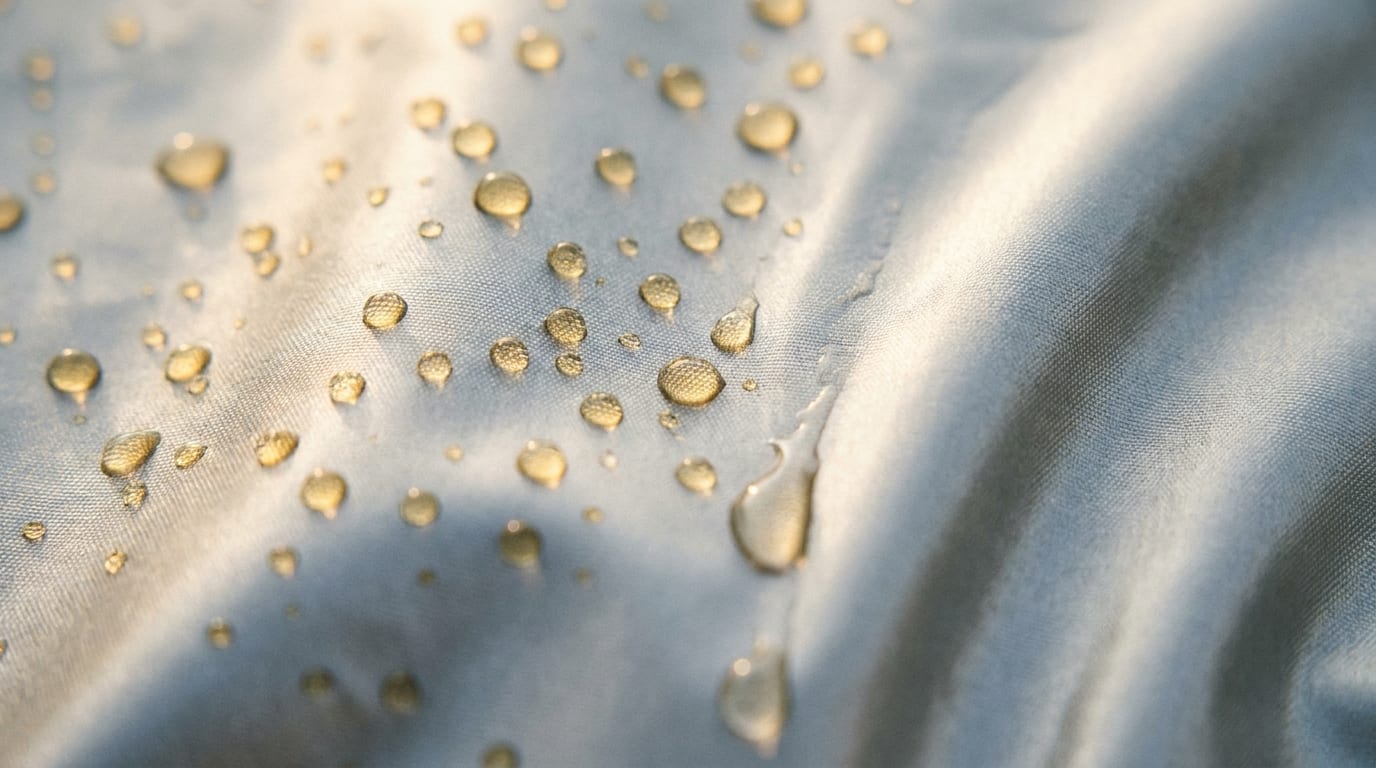
Water resistance matters more here than on almost any other cover category, because a dirt bike trailer rarely gets to dry out in a garage. Look for a water-resistant or fully waterproof outer layer over a breathable inner layer. Trapped moisture against a steel frame or a bike chain turns into rust fast, and that's the actual failure mode you're trying to prevent, not just surface wetness.
UV-stabilized coatings matter more for a trailer cover than for a car cover, too. A garaged car might spend most of its life under a cover indoors. A trailer cover is outside, full stop, for most of its life between trips. Without UV stabilization, the material itself breaks down well before the trailer does.
Seams are where cheaper covers fail first. Taped or double-stitched seams keep rain from wicking through right at the ramp gate hinge and around the fender wells, which are the two spots that take the most direct water exposure on tow.
One trade-off worth saying out loud: fully sealed, non-breathable material isn't automatically better. Strap a sealed cover over a muddy bike and a wet deck after a ride, and you've built a mildew incubator. Light rain exposure on a breathable cover is often less damaging long-term than trapping moisture that never gets a chance to evaporate.
Strap and Tie-Down Needs Specific to Trailer Use
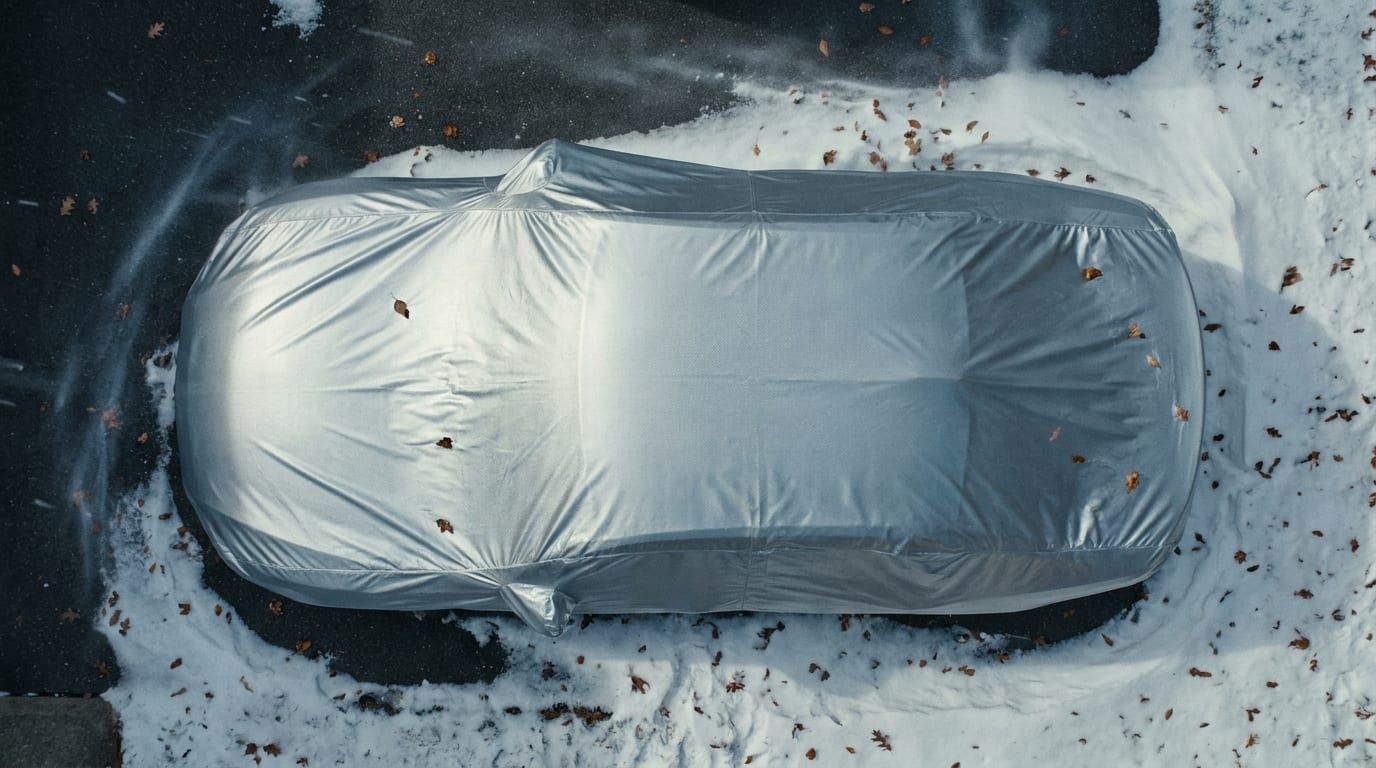
This is the section most generic cover advice skips, and it's the one that actually matters for a trailer.
A standard elastic hem works fine on a car parked in a driveway. At 60+ mph behind a truck, it's not enough. Wind gets under the edge and the whole cover starts billowing, then working itself loose. Look for covers with built-in grommets so you can route bungee cord or cable through them, not just rely on the hem's own elastic.
Better yet, look for a cross-strap or buckle-strap system that runs underneath the trailer frame itself, not just around the cover's hem. Straps anchored to the frame hold the cover down against the deck instead of just cinching the fabric to itself, which is the difference between a cover that survives a four-hour tow and one that's flapping in shreds by the second gas stop. For the specifics on adding this kind of hardware to a cover that only ships with a basic hem, see this guide to installing gust and wind straps.
There's a security angle too. Cable lock loops sewn into the hem aren't just about keeping the cover on, they're a deterrent against someone unstrapping a bike at an unattended trailhead or highway rest stop. If your cover doesn't have loops built in, you can still run a cable lock setup through the grommets.
And if the cover you've picked only ships with a standard drawstring hem, it's worth adding wind straps separately for any long tow distance. Trailer covers move more than parked-vehicle covers, by a lot, and the hardware that keeps them in place should be treated as part of the purchase, not an afterthought.
Covering the Bikes vs. Covering the Whole Rig
There are really only two practical setups here, and which one you pick should match how you actually use the trailer.
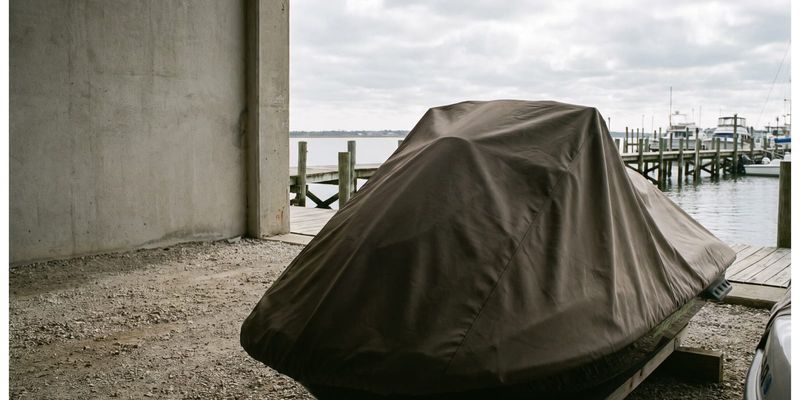
Option one: individual motorcycle covers, each one strapped down over its own bike on the rail. These are easier to size correctly since you're matching a cover to a known bike, not guessing at trailer dimensions, and they come off the trailer and work just as well at home or in storage. The downside is the trailer deck, fenders, and hardware are left exposed the whole time, rust and grime included.
Option two: one cover sized for the whole trailer, bikes and all. This protects the deck and the hardware that individual bike covers ignore, but it's genuinely harder to fit snugly around rails, winches, and ramp gate hinges without bunching or leaving gaps.
| Setup | Protects | Downside |
|---|---|---|
| Individual motorcycle covers | Each bike, reusable off the trailer | Deck, fenders, and frame hardware stay exposed |
| Whole-trailer cover | Deck, fenders, and hardware along with the bikes | Harder to fit tightly around rails and winches |
If the trailer sits loaded most of the time, a whole-rig cover earns its keep. If it's loaded for a weekend and then stored empty, individual bike covers plus a basic deck tarp is usually the more practical call.
Installing and Maintaining the Cover
Installation order matters more on a trailer than on a parked car, since gravity and wind are both working against you.
Start at the front, securing the cover over the tongue first, then work backward toward the ramp gate. Tension the underframe straps last, once the cover is already seated the way you want it. Doing it in reverse order just means re-adjusting everything twice.
Check strap tension again after the first few highway miles. Covers settle and shift in ways a parked-vehicle cover never does, and a strap that felt snug in the driveway can loosen once the trailer's been bouncing over actual road surface.
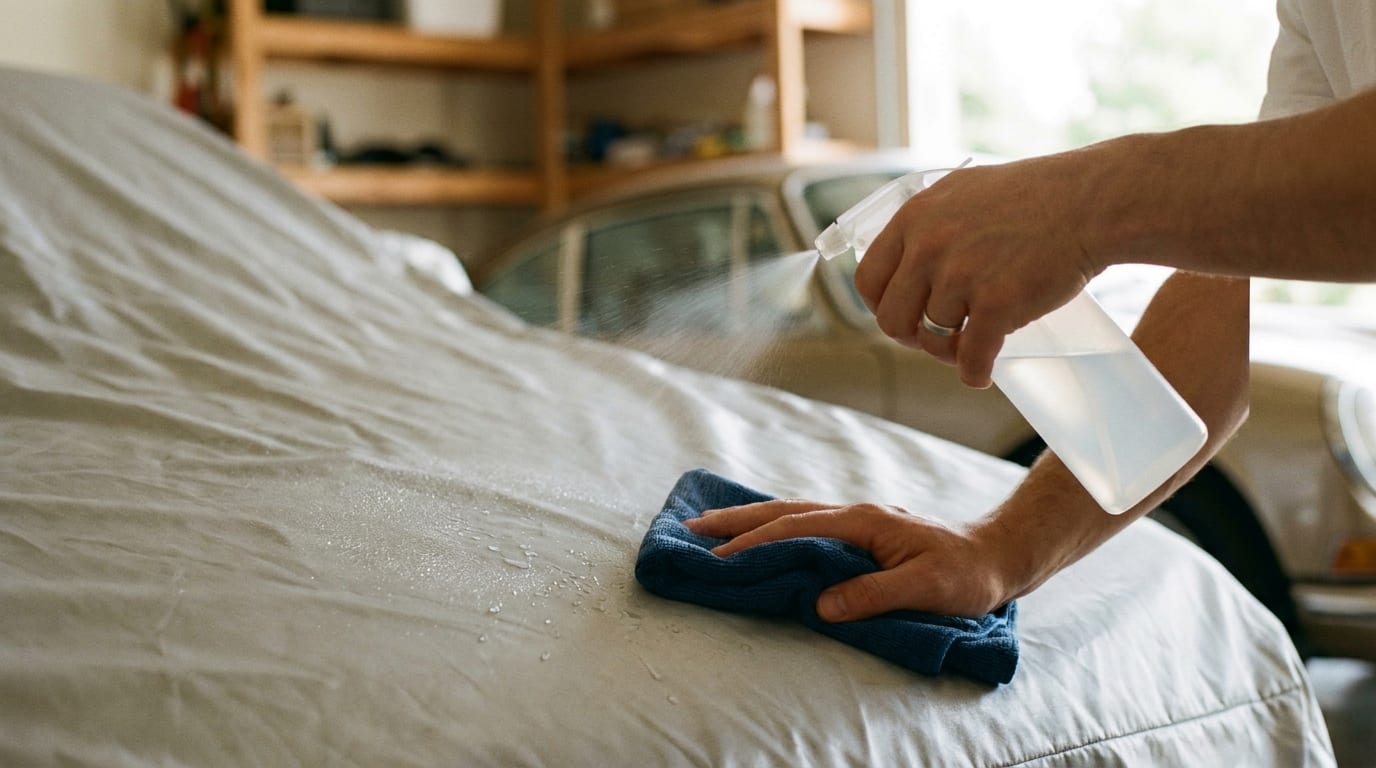
Between trips, hose off road grime and mud before folding the cover for storage. Dirt ground into folded fabric wears through the coating faster than the rain ever will. If the cover's due for a deeper clean, this cover cleaning guide covers the basics without damaging waterproof coatings.
Last thing: check the rust-prone contact points under the cover periodically, even when the top looks bone dry. Winch posts and rail clamps trap moisture against bare metal long after the visible surface has dried, and that's exactly where corrosion starts.
Finding the Right Cover for Your Setup
Before you buy, run through the short list: open or enclosed trailer, how many bikes, whether you need underframe straps or just a drawstring hem, and whether waterproofing or breathability matters more for how you store it.
If you're not sure what size you need, a sizing and fit guide or a cover finder tool can narrow things down by your trailer or bike's actual dimensions instead of guesswork.
Whichever setup you land on, the best cover for a dirt bike trailer is the one that matches how you actually tow and store the thing, not just the one that looked right in a product photo. Worth browsing the motorcycle cover and UTV and ATV cover categories for the bikes themselves, along with the strap and lock accessories, before you settle on a setup. And if you want more of this kind of fit and maintenance advice before your next trip, it's worth keeping an eye on future posts here.