Best Outdoor Car Cover for the Rivian R1T: Fit, Sizing, and What to Look For
Published
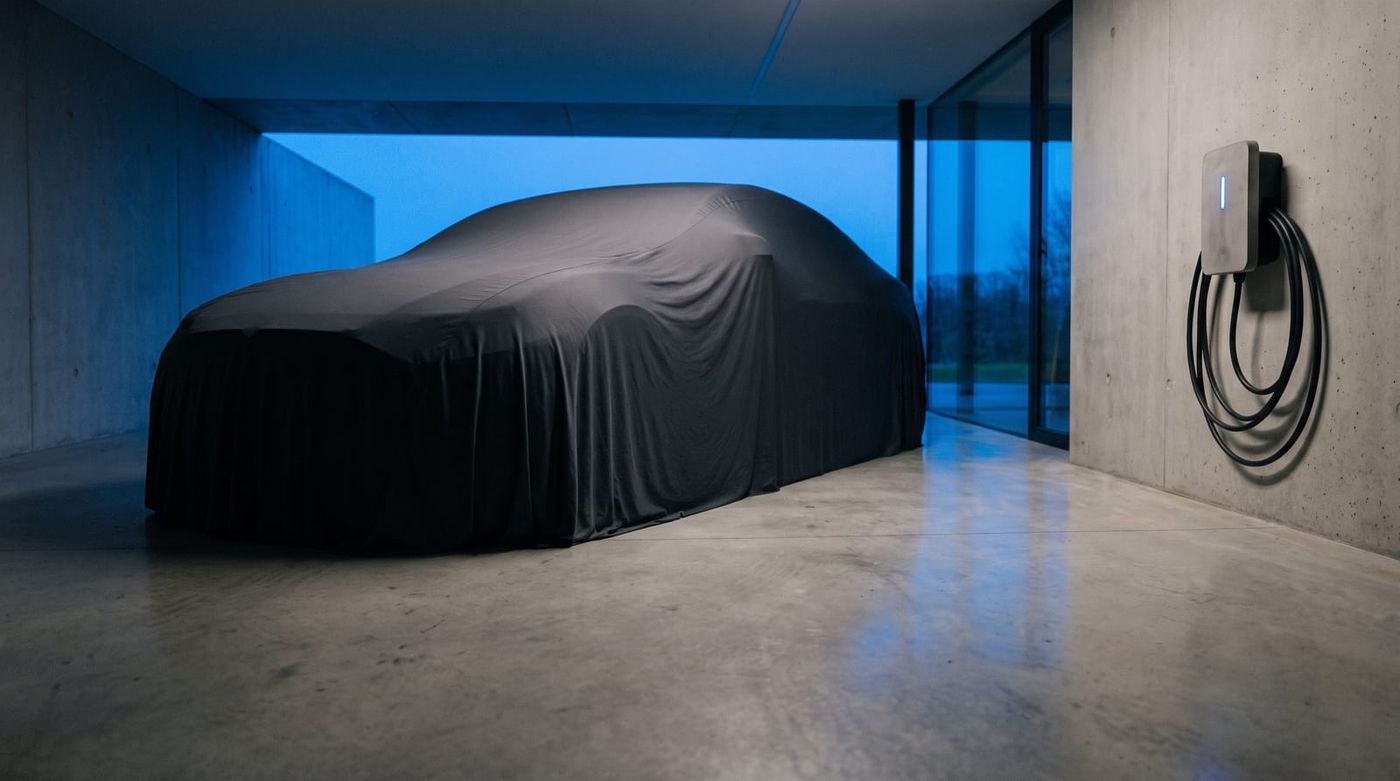
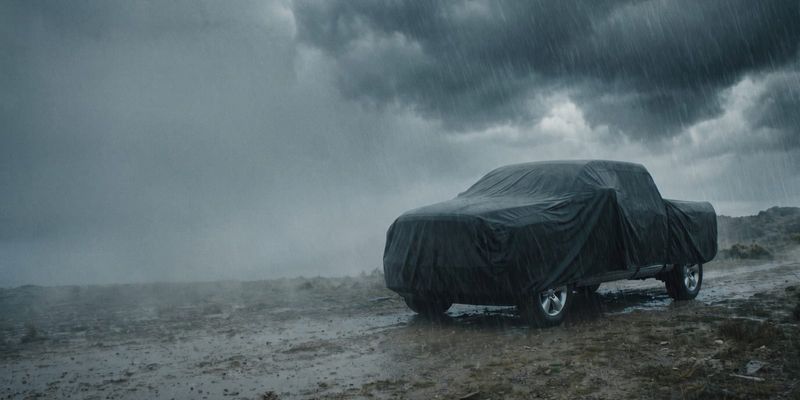
The Rivian R1T spends most of its life outside. That's just the reality for a lot of owners, since home charging setups often live in a driveway, not a garage. So when you're shopping for the best outdoor car cover for a Rivian R1T, you're not just buying a dust sheet. You're buying weather protection for a truck that doesn't get the luxury of four walls.
Why the Rivian R1T Needs a Cover Built for Outdoor Life
The R1T doesn't look or sit like a typical pickup. It's taller at the shoulder, the door handles sit flush against the body, and there's a gear tunnel running through the bed area that most truck covers have never heard of. Add the frunk seam up front, and you've got a shape that a generic tarp-style cover just won't follow. Drape something designed for a Ford or Ram over an R1T, and you'll get gaps at the mirrors, sagging over the tunnel doors, and a fit that looks more like a tent than a cover.
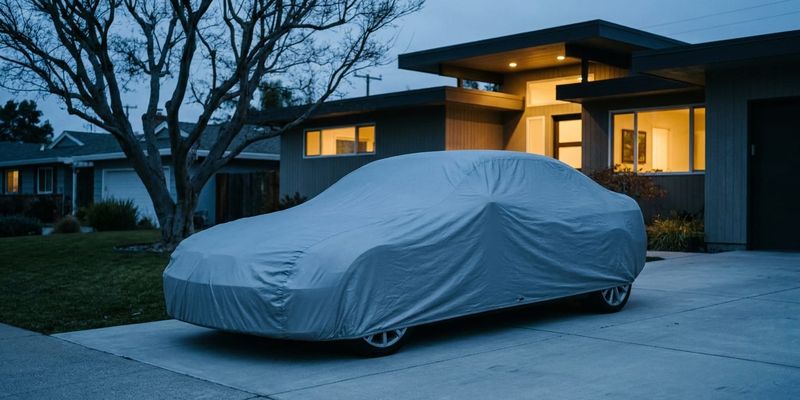
None of that would matter much if the truck lived in a garage. But most R1T owners park outside daily, often right next to a wall charger, which means the paint and the panels deal with full sun, rain, pollen, and bird droppings on a near-constant basis. A cover isn't optional gear here, it's part of the maintenance routine.
This guide isn't going to hand you one "best" SKU and call it done. Fit and features matter more than a ranking ever could, so what follows is what to actually check before you buy.
What 'Outdoor-Rated' Actually Needs to Mean
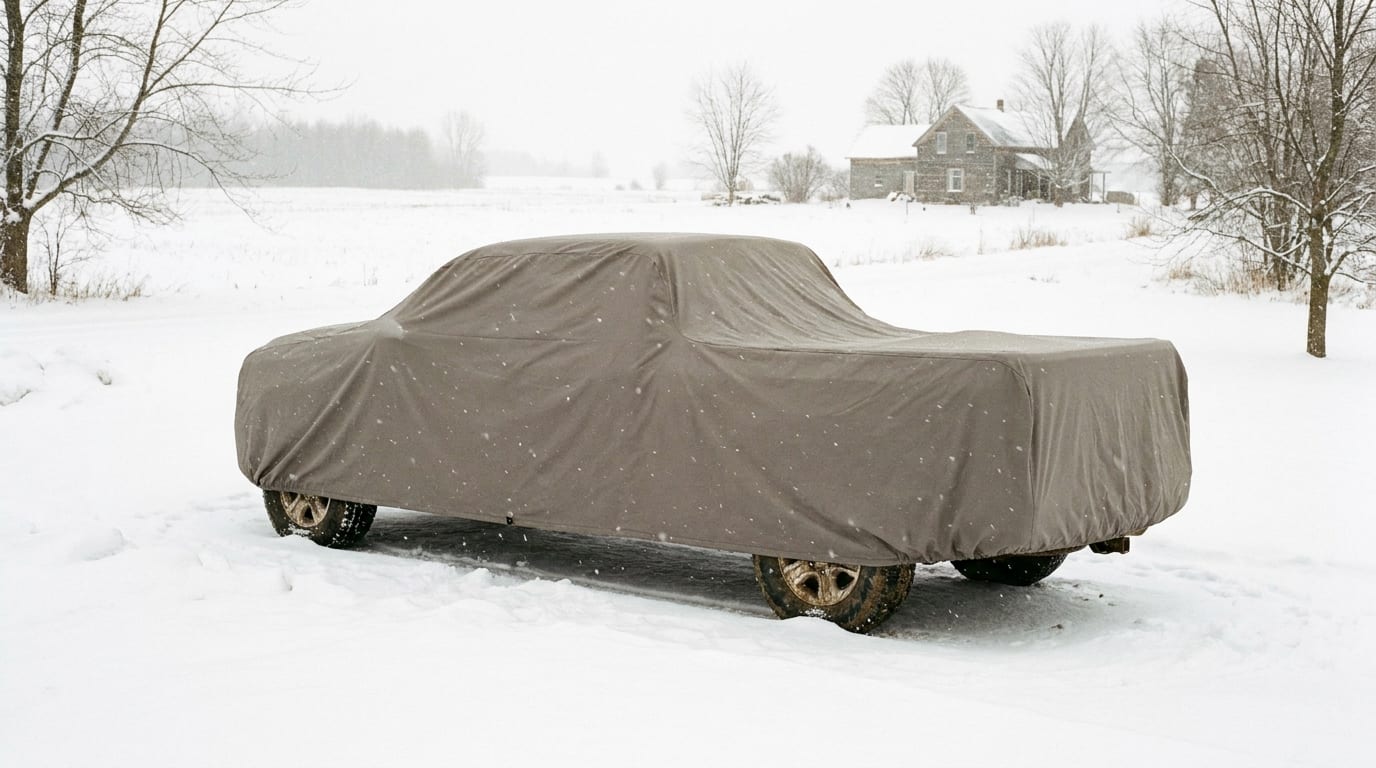
Three things wear down a vehicle left outside: UV rays, moisture, and airborne debris. Sun fades paint and breaks down rubber seals over time. Moisture, whether it's rain, snow, or just overnight condensation, invites rust and water spotting. And debris, sap, dust, bird droppings, settles onto the body and can etch into clear coat if it sits long enough.
A cover marketed as "outdoor-rated" should address all three, not just one. Here's where a lot of buyers get tripped up: water-resistant and waterproof are not the same claim. Water-resistant fabric sheds light moisture but will eventually soak through in sustained rain. Fully waterproof fabric is built to block water entirely, which matters a lot more when the truck is parked outside every single day rather than just during the occasional storm.
Breathability matters just as much as waterproofing, maybe more. A cover that seals out rain but traps humidity against the R1T's panels can actually do more damage than parking with no cover at all, trading water spots for trapped moisture and mildew. For a deeper look at how UV, wind, and water all interact with outdoor storage, the outdoor car cover guide breaks it down further.
Fit and Sizing: The Part Most Buyers Get Wrong
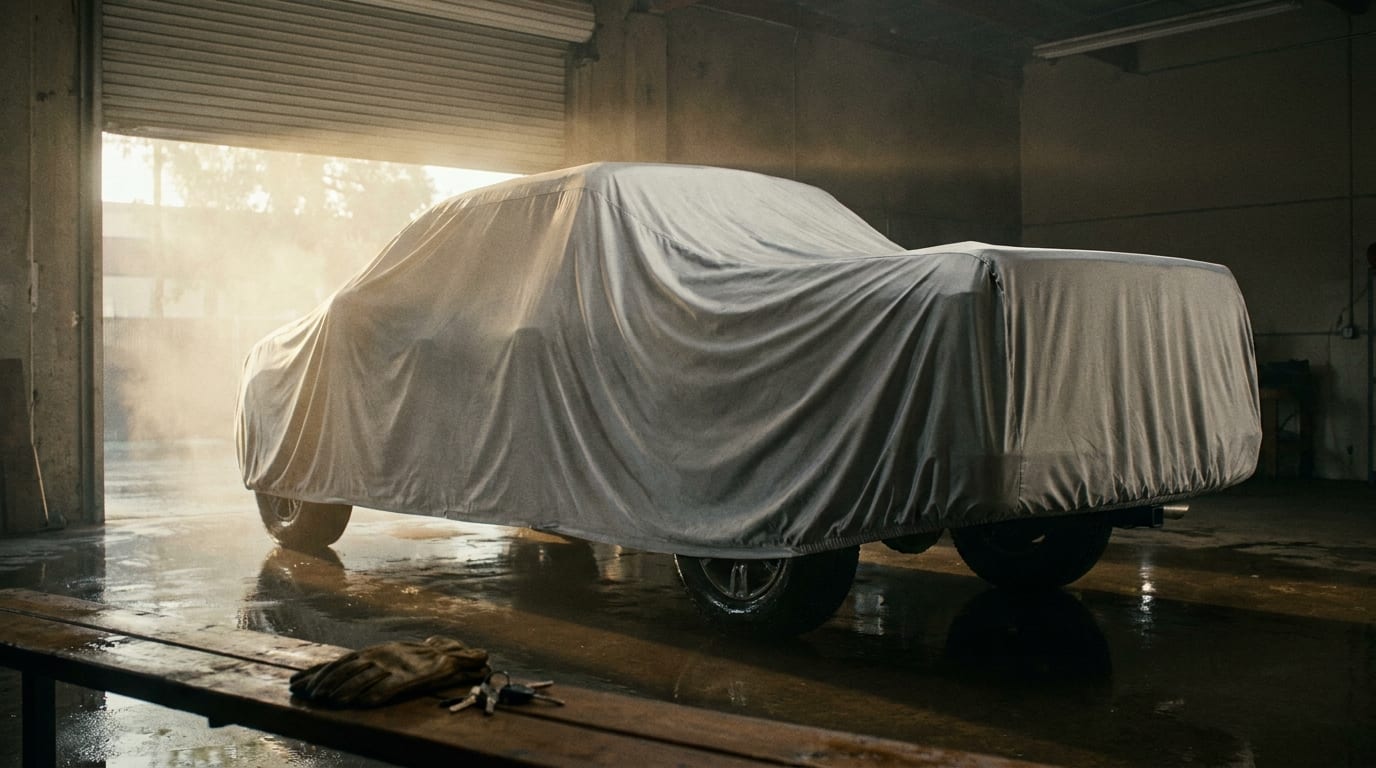
A universal "fits all trucks" cover is a gamble on the R1T, and it's a gamble you'll usually lose. The gear tunnel alone throws off most generic patterns, since there's nothing like it on a standard pickup. Add the R1T's tall stance and its bed configuration (different depending on whether you're running a tonneau cover or not), and a cover cut for a "full-size truck" category often ends up loose in the wrong places and tight in others.
Before you buy anything, check a few things on your own truck: cab height, bed length with and without the tonneau installed, where the mirrors sit, and where the charge port is located. These details change how a cover drapes and where it needs reinforcement or extra clearance.
Skip the generic truck sizing chart. Pull up a proper truck size guide or run your R1T through a cover finder tool that accounts for Rivian-specific body lines. It takes two minutes and saves you from returning a cover that almost fit.
Material and Weatherproofing Features Worth Comparing
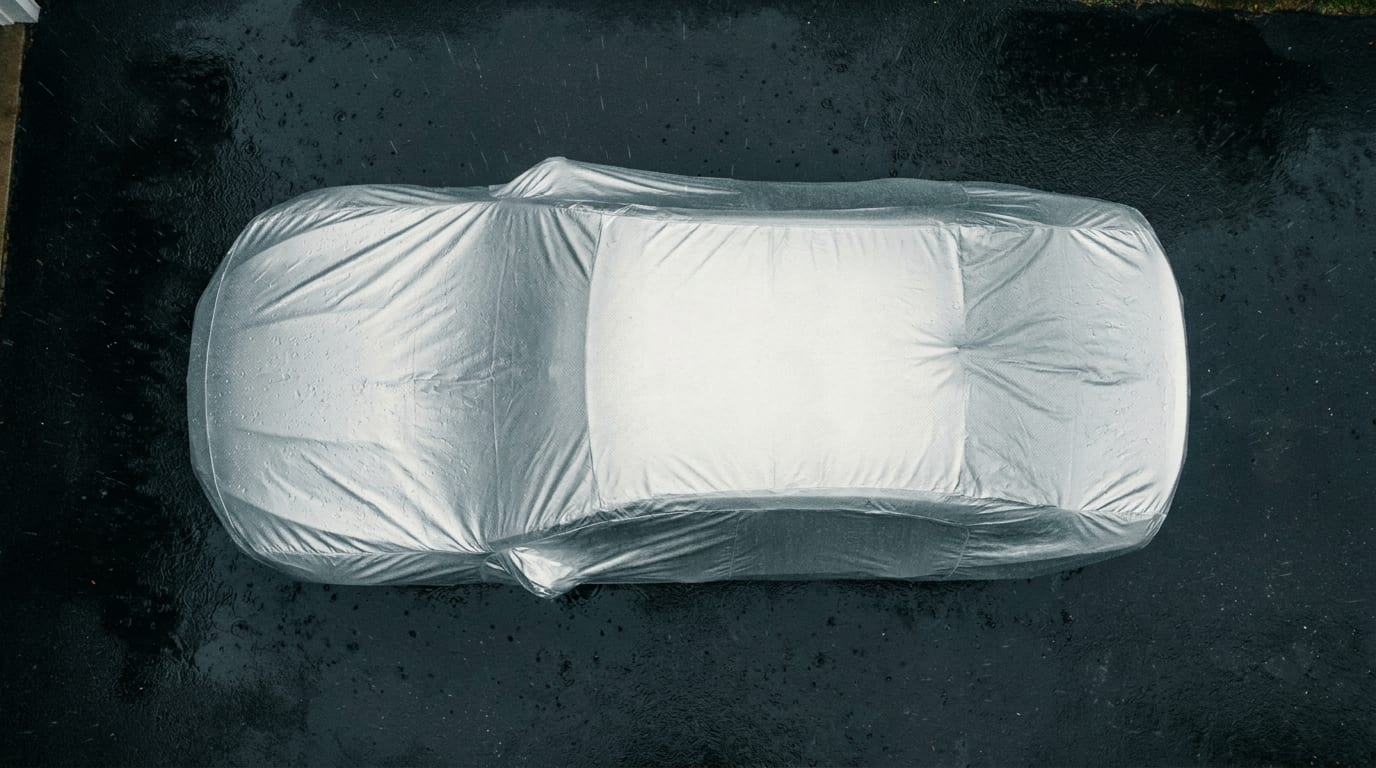
Once fit is sorted, the fabric and construction details are what separate a cover that lasts from one that falls apart after a season outside. Look for a soft inner lining that won't scratch clear coat, reinforced seams at stress points, a UV-stabilized outer shell, and elastic or cinch-strap hems that keep the cover snug instead of flapping loose.
Multi-layer fabric construction generally holds up better outdoors than single-layer tarp material. A single layer might shed rain fine on day one, but it tends to break down faster under constant sun and won't offer the same scratch protection. Layered construction spreads that job across multiple materials instead of asking one thin layer to do everything.
Ventilation panels are worth a second look too. They let trapped air escape during the kind of temperature swings that come standard with daily outdoor parking, which keeps moisture from pooling against the paint overnight. If you're set on waterproofing as the top priority, start with the waterproof car cover guide to understand what separates genuinely sealed fabric from a water-resistant coating that just delays the inevitable.
Security Features: Keeping the Cover on an R1T in Wind and Weather
A cover that doesn't stay put isn't protecting anything. Grommets paired with cable lock loops let you anchor the cover down and deter anyone from pulling it off, which matters if the truck is parked somewhere open or shared. Buckle straps underneath the body add another point of security so wind can't work the cover loose from below.
For owners in exposed driveways or open lots, gust straps are worth adding. They wrap around the body and cinch down, giving the cover a second line of defense against wind lift beyond the basic hem. You can see how they're installed in the gust strap installation guide, and it's a quick add-on once the cover itself fits right.
That last part is the one people skip past: security features only work as a backup. A properly sized cover is the real first line of defense against wind, because a loose, baggy cover has nothing holding it down in the first place no matter how many straps you bolt onto it.
Installing and Living With an Outdoor Cover Day to Day
Putting the cover on and taking it off should become routine, not a wrestling match. Secure the straps underneath, check that each grommet is actually anchored where it should be, and smooth the fabric over the mirrors and gear tunnel so it isn't bunching or catching wind in those spots.
If you're dealing with flat sections that tend to pool water, a support pole helps. It lifts the center of the cover slightly so rain runs off instead of collecting in a puddle on top of the truck. The truck support pole installation guide walks through setup if that's a feature you're considering.
Before you cover the truck each time, do a quick check: make sure the surface is dry and there's no leaf, twig, or grit trapped underneath. It sounds minor, but debris pressed against paint under a cover for hours is exactly the kind of thing that causes the scratches the cover was supposed to prevent.
Confirm Fit Before You Buy
The best outdoor car cover for a Rivian R1T isn't the cheapest one on the page, and it isn't the one labeled "universal truck fit" either. It's the one that's actually sized for this truck's shape and rated to handle real outdoor conditions day after day. Skip that step and you're paying for a cover that looks the part but doesn't do the job.
Take a look at what's built for this specific model on the Rivian truck cover page, and if you want the fabric itself backed by something solid, check what's covered under the lifetime warranty on car covers before you commit.
Before you buy, run your R1T through the cover finder and double check the size guide. It's a five-minute step that decides whether your cover actually earns its keep out there.