


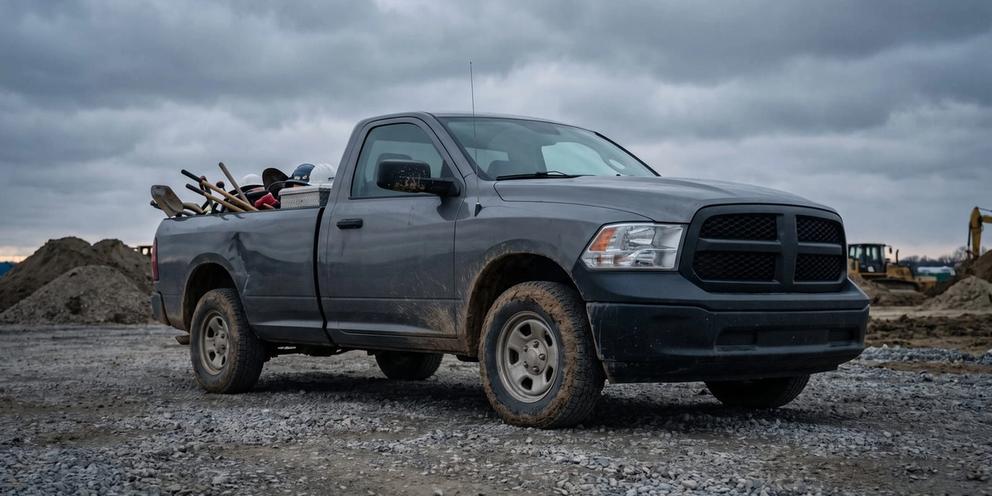
Best Truck Cover: Comparison Table + Buyer Checklist for 2024
The search for the "best truck cover" runs into a problem fast: trucks aren't uniform. A regular-cab Ranger parked in a garage has nothing in common, protection-wise, with a lifted Sierra 2500HD that lives outside in a gravel lot year-round. So instead of naming one winner, this guide breaks down cover types side by side, then hands you a checklist to match features to your actual truck and your actual weather.
What Makes a Truck Cover "Best" for Your Situation
There isn't a single best truck cover. There's a best truck cover for your situation, and that situation comes down to three things.
First, where does the truck actually sleep at night? Garage, carport, or fully exposed driveway or lot. Second, what's your climate throwing at it: relentless UV and heat, heavy snow load, or coastal salt air and humidity that never really lets fabric dry out. Third, how is the truck used. A daily driver has different wear patterns than a work truck that gets rained on at a jobsite, and both are different from a truck that goes into seasonal storage for months at a time.
A lifted work truck parked outside in Phoenix needs UV resistance and breathability above almost everything else. A garaged truck in the Pacific Northwest needs less sun protection and more focus on moisture and mildew resistance during the wet months it does spend uncovered. Neither one needs the same cover, even if they're the same model year.
One more thing to sort out before you shop: bed accessories. A toolbox, ladder rack, bed cover, or lift kit all change the truck's profile, and a cover that fits the stock configuration might not fit yours. Get that mapped out first, then use the truck covers category and the comparison below to narrow things down.
Truck Cover Comparison Table: Fit Types and Protection Levels
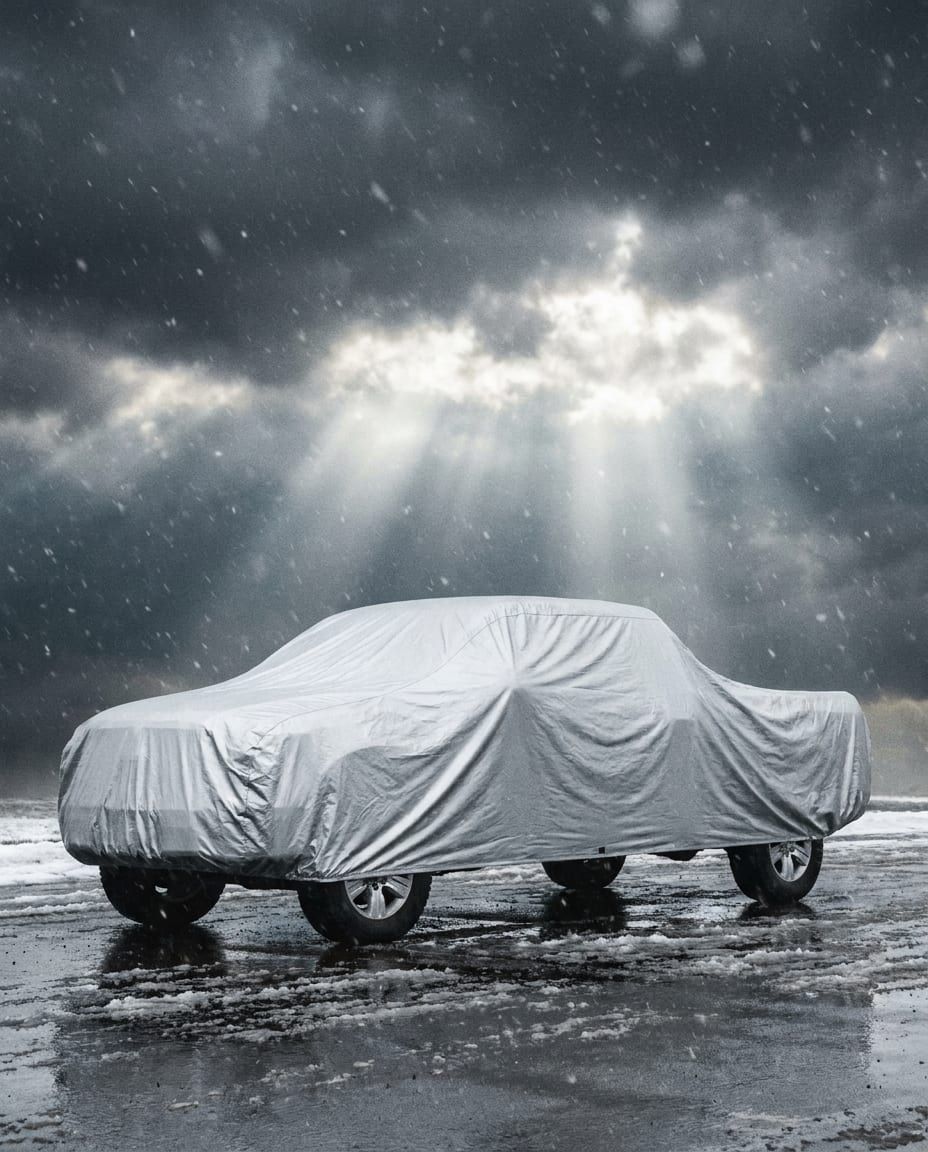
Here's how the main categories stack up against each other.
Universal/Semi-Custom Fit
- Fit accuracy: Loose to moderate, uses straps and elastic to approximate the truck's shape
- Best environment: Mixed use, occasional outdoor exposure
- Weather resistance: Basic rain and UV resistance, varies by material
- Breathability: Moderate
- Price range: Budget
- Ideal owner: Daily driver who wants baseline protection without a big spend
Custom-Fit
- Fit accuracy: Precise, contoured to mirror pockets, bed rails, and antenna
- Best environment: Outdoor or mixed, especially where wind is a factor
- Weather resistance: Strong, tailored to the specific weatherproofing tier of the fabric
- Breathability: Good on multi-layer versions
- Price range: Mid to premium
- Ideal owner: Owners who want less flapping and less long-term wear from wind friction
Indoor (Satin/Fleece)
- Fit accuracy: Often custom or semi-custom
- Best environment: Garage only
- Weather resistance: Minimal, not designed for rain or sun
- Breathability: High, soft against paint
- Price range: Budget to mid
- Ideal owner: Garaged trucks needing dust and scratch protection, not weather protection
Outdoor All-Weather
- Fit accuracy: Semi-custom to custom depending on brand
- Best environment: Outdoor, daily exposure
- Weather resistance: High UV and water resistance, built for repeated exposure
- Breathability: Multi-layer designs balance this well, single-layer tarp styles trap moisture
- Price range: Mid to premium
- Ideal owner: Daily drivers and seasonal-storage trucks parked outside
Heavy-Duty Work-Truck
- Fit accuracy: Semi-custom, built roomier to clear ladder racks and toolboxes
- Best environment: Outdoor, harsh daily use
- Weather resistance: Very high, prioritizes reinforced stitching and abrasion resistance over softness
- Breathability: Lower priority than durability
- Price range: Mid to premium
- Ideal owner: Work trucks that see mud, jobsite debris, and constant sun
Worth calling out separately: hail protection isn't just a beefed-up version of a standard outdoor cover. A real hail-rated cover uses thicker padding built to absorb impact, which is a different design goal than shedding rain or blocking UV. If you're in hail country, don't assume your all-weather cover has you covered. It probably doesn't.
Core Features Worth Paying For
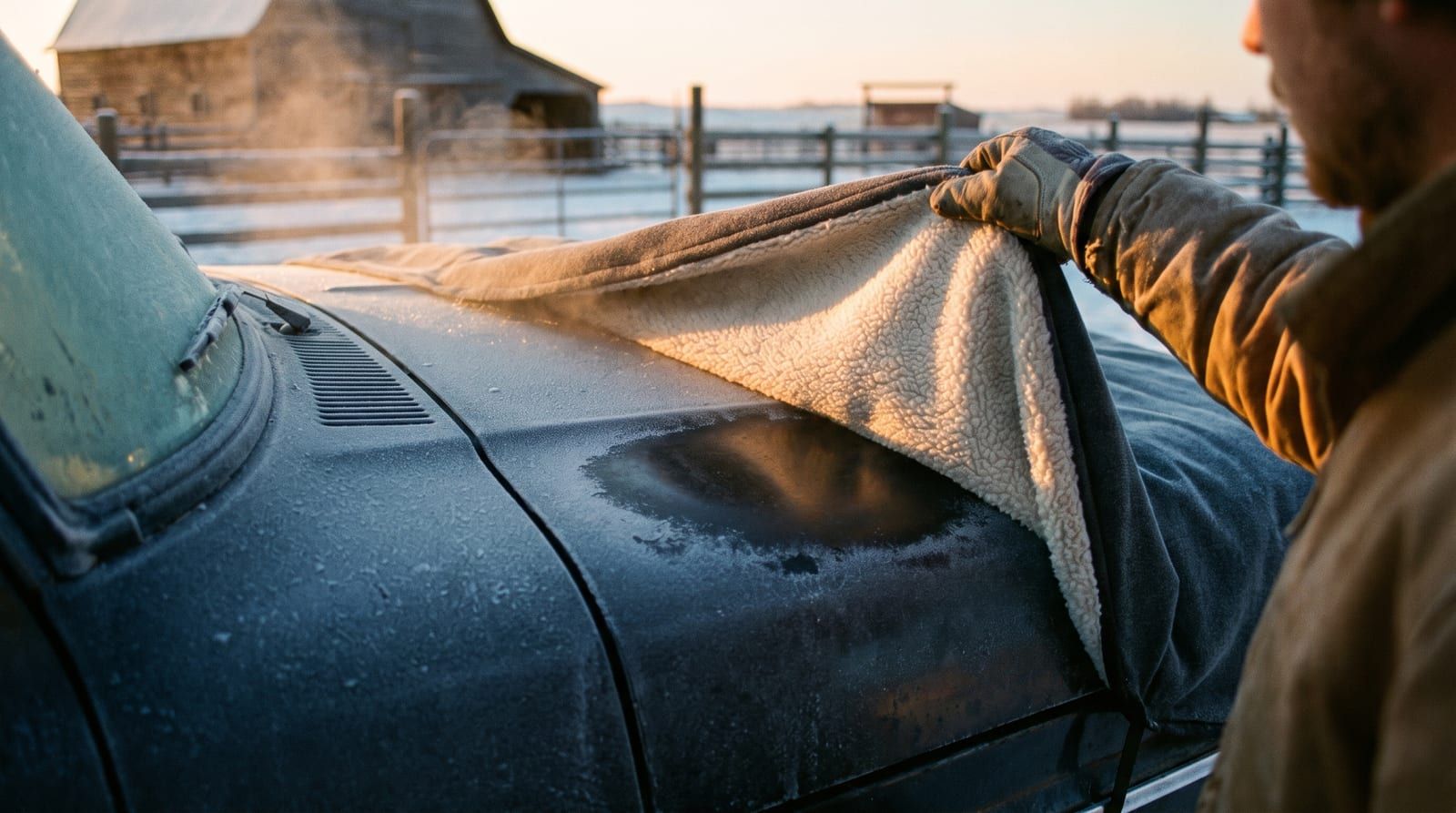
Not every feature on a spec sheet matters equally. A few actually move the needle.
Material and weave come first. Breathable multi-layer fabrics block UV and moisture from getting in while still letting trapped condensation escape from underneath. Single-layer tarp-style materials do the opposite: they seal moisture in against the paint, which is how you end up with water spots and mildew on a truck that was supposedly "protected." If you're buying for daily outdoor exposure, a waterproof, breathable cover earns its price premium here.
Seam and stitching quality matters more than people expect. Double-stitched seams and reinforced grommets hold up at the stress points, mirror pockets, tie-down loops, spots where a cheaper cover starts to fray within a season.
Elastic hem and lock compatibility are the difference between a cover that stays put and one that ends up in your neighbor's yard. An under-rocker elastic fit keeps wind from getting underneath and lifting the cover. Cable lock compatibility adds a layer of anti-theft security worth having if the truck sits outside overnight in a driveway or shared lot.
Included accessories tell you a lot about how complete the package really is. A storage bag, basic care kit, and a set of gust or wind straps signal a brand that thought past the fabric itself. A bare cover with none of that is usually a sign of corners cut elsewhere too.
And warranty length is a decent proxy for confidence. A manufacturer backing a cover with a longer warranty is telling you, indirectly, that they expect the material to hold up for years of real outdoor use, not just look good in the listing photos.
Buyer Checklist: 8 Questions to Ask Before You Buy a Truck Cover
Run through these before you add anything to your cart.
- Where will the truck be parked most nights, garage, carport, or fully exposed, and does the cover's weatherproofing level actually match that exposure?
- What's the dominant weather risk where you live: UV and heat, hail, snow load, or coastal salt and humidity? The cover's material should target that specific risk, not just "weather" in general.
- Does the cover account for aftermarket bed accessories like a tonneau cover, ladder rack, or lift kit that change the truck's profile?
- Is the fit universal, semi-custom, or custom-fit, and how much flapping or wear are you willing to tolerate for a lower price?
- Does it include an anti-theft cable or lock option, especially if the truck sits in a public or shared lot overnight?
- What's the manufacturer's warranty and return policy if the fit or material doesn't hold up the way you expected?
- How will you clean and store it when it's not in use, does it come with a storage bag and actual washing instructions?
- Do you need a support pole or gust strap to stop water from pooling in the bed or wind from lifting the cover on a full-size truck?
Matching the Cover to Your Truck Make and Size
Trucks are harder to fit than sedans, and it's not close. Cab style (regular, extended, crew) and bed length both change the silhouette, so a sizing chart matters a lot more here than it would for a compact car where most trims are close to identical dimensions.
Take a few popular full-size trucks as examples. The GMC Sierra 1500 and the heavier-duty Sierra 2500HD share a family resemblance but differ enough in mirror placement and bed rail height that a cover sized for one won't sit right on the other. Same story with the Ram 1500: different trims, different mirror styles, different fit tolerances.
The fix is simple but easy to skip: check the manufacturer's size chart before you buy, rather than assuming "full-size truck" is one universal size. And if your truck is lifted or carrying aftermarket mods, size up or lean toward a semi-custom option with more adjustability built in. A cover that was cut for a stock ride height will fight you every time you throw it on.
Installation and Care Basics That Extend Cover Life
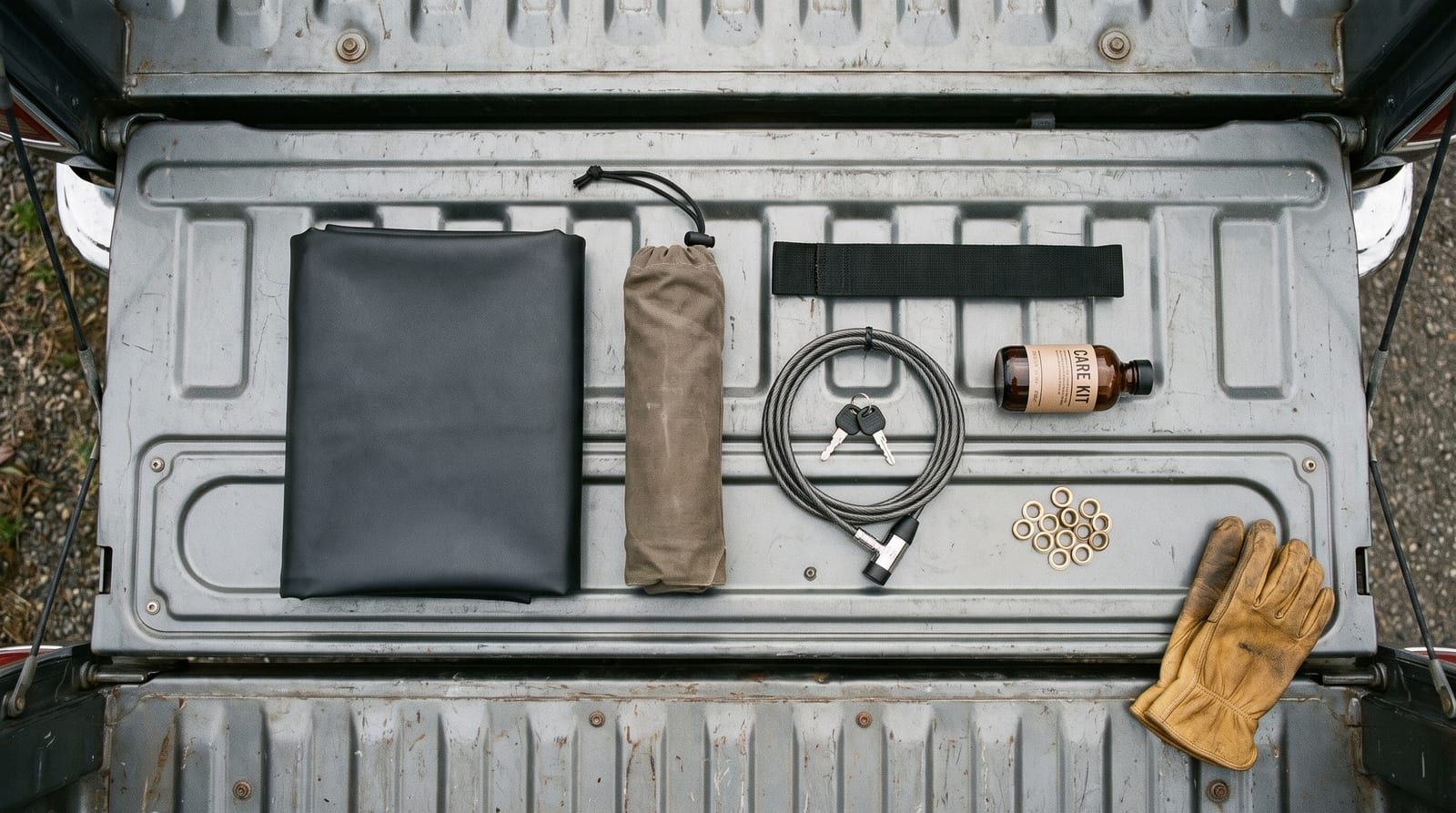
Good gear installed badly still wears out fast, so the process matters almost as much as the cover itself.
Install front to back. Secure the straps before you cinch the hem, not after, otherwise you're pulling stress onto the fabric before it's even settled into place. That's a fast way to tear a cover on day one.
Gust straps and wind straps do real work here too. They stop the cover from ballooning up in a gust or shifting sideways overnight, which matters most in open driveways where wind has nothing to break it up.
Cleaning is simple: rinse it off, let it air-dry, skip the harsh detergents. Those coatings that block water and UV don't last if you're scrubbing them down with something too aggressive every wash. Check a proper cover care and cleaning guide if you want the specifics.
Last thing: consider a support pole for the bed area. Flat truck beds pool water more than a sedan's sloped roofline does, and standing water under a cover is exactly how you get premature sagging and mildew. A pole breaks the flat plane and lets water run off instead of sitting there.
Frequently Asked Questions About Truck Covers
What is the best type of truck cover for year-round outdoor storage?
An all-weather outdoor cover with UV-resistant, breathable multi-layer fabric and reinforced seams is the right call here. Pair it with an anti-theft cable lock if the truck is left outside daily in a driveway or lot.
Do truck covers protect against hail?
Standard outdoor covers help with surface scratching, but they're not built to absorb hail impact. If you're in a region with frequent hailstorms, look at a dedicated hail-rated cover with thicker padding instead.
How do I know what size truck cover to buy?
Match the cover to your truck's cab style and bed length using the manufacturer's size chart. Don't assume "full-size truck" is one universal size, because trims vary more than people expect.
Can I use an indoor cover outdoors for short periods?
Not really. Indoor satin and fleece covers aren't built for UV or moisture exposure, and they'll degrade fast if you use them outside even occasionally. They're meant for garage storage only.
Do custom-fit truck covers cost significantly more than universal covers?
Usually, yes, upfront. But custom-fit covers reduce wind flap and wear over time, which can offset that price difference through a longer usable life. Cheap and loose isn't always cheaper in the long run.
Choosing Your Truck Cover: Next Steps
The best truck cover isn't the most expensive one on the shelf. It's the one that matches where your truck parks, what your climate actually throws at it, and its real size once you've accounted for any bed accessories or lift kit.
Run through the checklist above before you start comparing specific products, it'll save you from buying on price alone and regretting it after the first windy week or the first hailstorm.
If you want more on getting the fit and care details right, stick around and browse the rest of our car cover guides. It's worth a few extra minutes before you buy.
Updated