
Can You Recommend a Good Car Cover for a Sedan Parked in a Humid Climate Like Florida?
Published
Direct Recommendation: What to Buy for a Humid Climate
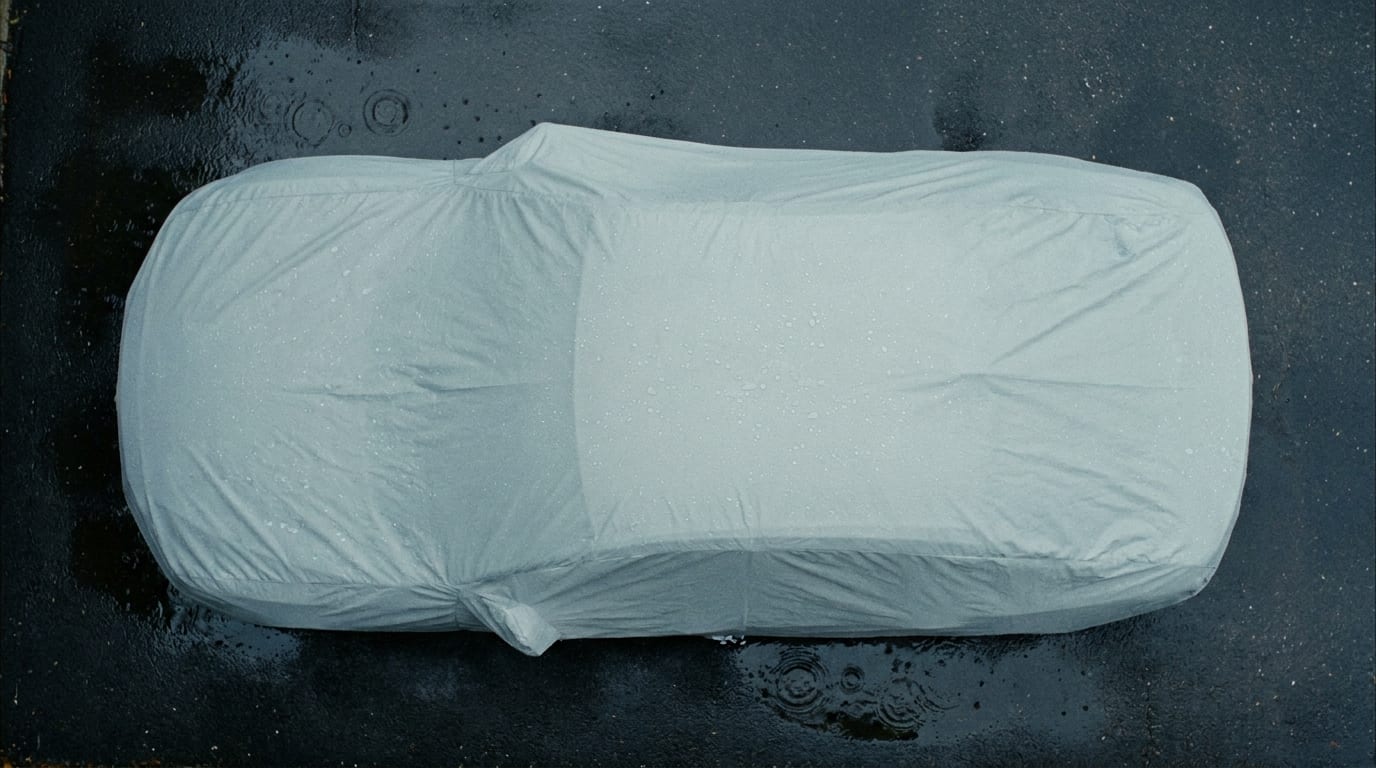
Yes. For a sedan parked outdoors in Florida-level humidity, you want a custom-fit, multi-layer outdoor cover with a breathable (not plastic-sealed) waterproof shell, built-in UV inhibitors, and a mildew-resistant fabric treatment. That combination handles the two things Florida throws at a parked car every single day: thick air that won't let moisture evaporate, and sun strong enough to cook a cover's coating from the outside in.
Skip universal-fit tarp-style covers. They're cheap for a reason, and in a humid climate that reason bites you fast: a loose, non-breathable cover traps condensation right against your paint overnight, which is worse than leaving the car uncovered at all. This advice is specifically for outdoor or semi-exposed parking. If your sedan lives in a garage, the calculus changes, and we'll get to that further down. The rest of this article walks through why this is the right call, so you can see the reasoning instead of just taking our word for it.
Quick Comparison: Car Covers for Humid, Rainy Climates
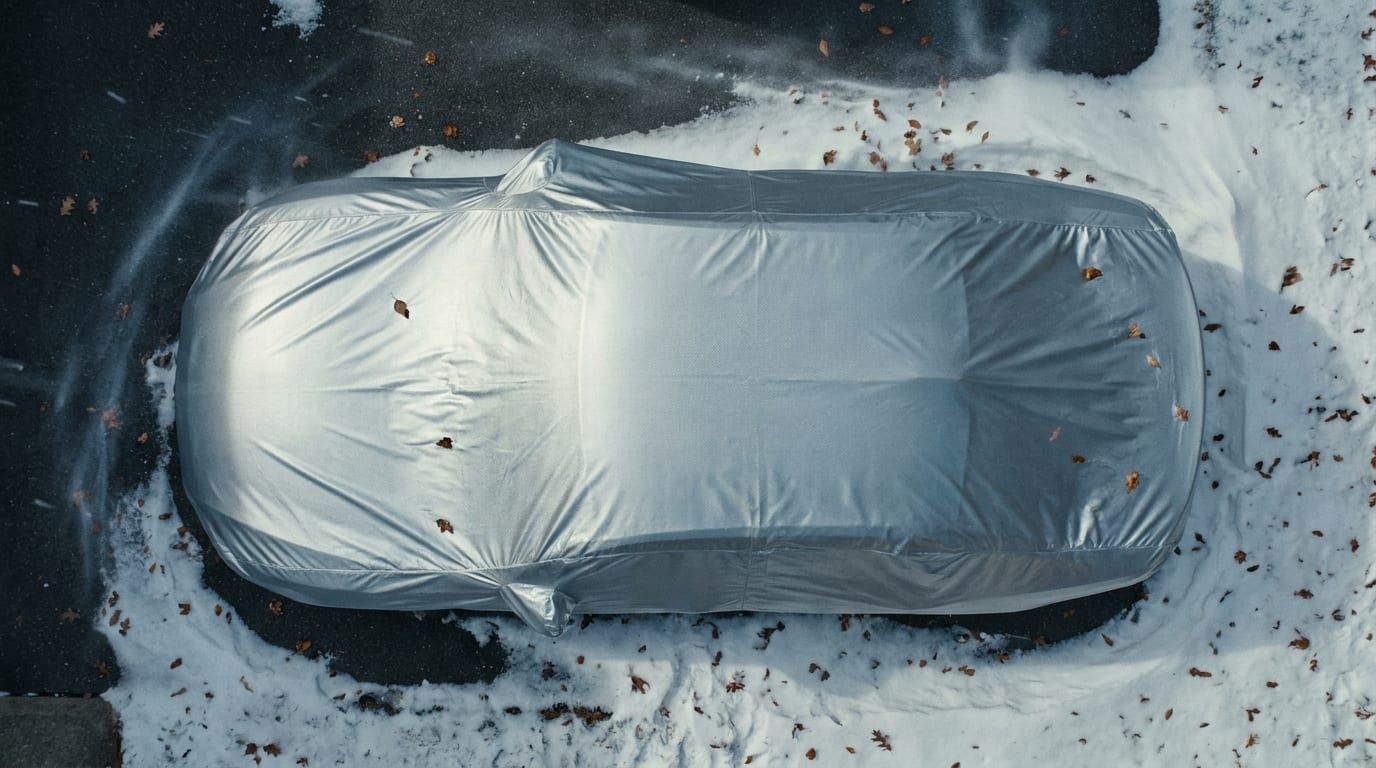
Not all outdoor covers are built the same, and in a climate like Florida's the gap between tiers actually matters. Here's how the common tiers stack up for humidity and rain specifically:
| Cover Tier | Breathability | Waterproofing Level | UV/Mildew Resistance | Best For |
|---|---|---|---|---|
| Basic outdoor | Moderate | Light rain resistance | Minimal UV coating | Short-term or covered parking |
| Deluxe outdoor | Strong, multi-layer | Multi-layer waterproof barrier | Reinforced UV and mildew resistance | Daily outdoor parking in wet/humid regions |
| Platinum/premium outdoor | Highest-grade | Maximum waterproofing | Maximum UV blocking plus antimicrobial treatment | Year-round coastal or subtropical exposure |
For Florida specifically, Basic is really a stopgap. If your sedan sits outside daily and you're dealing with near-constant humidity plus strong UV, Deluxe or Platinum is the practical minimum, not a luxury upgrade. You can browse the tiers side by side in the best car cover comparison if you want to see how they're priced against each other.
What Makes a Car Cover Good for Florida's Humidity?

Breathability is the piece people overlook. A cover isn't just a shield, it's also a barrier sitting inches from your paint all night. If it can't let moisture vapor escape, that vapor condenses right there on the surface, and now you've got standing moisture trapped under fabric for eight or ten hours. That's how you get water spotting, and eventually, finish damage.
Waterproofing is a separate job from breathability, and both need to happen at once. Florida's downpours aren't gentle. The outer layer has to shed rain fast, before it has a chance to soak through to the fabric layers underneath. A cover that's breathable but not genuinely waterproof will just get saturated in the first afternoon storm.
Mildew and mold resistance matters here in a way it simply doesn't in Arizona or Colorado. Fabric treatments designed to resist mold growth aren't an upsell in Florida, they're a requirement. Without them, you're looking at a cover that starts smelling musty within a season.
UV resistance is its own category too, separate from waterproofing. Florida sun degrades cover fabric and fades paint even on overcast, muggy days, because UV exposure doesn't require clear skies. And don't ignore the hardware: a secure strap and grommet system keeps the cover anchored through sudden coastal wind gusts and the fast-moving afternoon storms that roll in with almost no warning. Our guide to using a car cover outdoors covers all of this in more depth if you want the full picture before you buy.
Material Comparison: Waterproof Fabrics for Humid Climates
This is where most buying mistakes happen. Multi-layer woven polypropylene blends breathe. They're engineered with microscopic pores that let vapor pass through while still blocking liquid water from the outside. Single-layer vinyl or PVC covers do the opposite: they seal the car in completely, which sounds protective until you realize that seal traps humid air against the paint with nowhere to go.
Honestly, non-breathable plastic and vinyl covers are the most common cause of paint damage complaints we hear about from humid-state owners. It's not a design flaw exactly, it's a mismatch. Those materials work fine in dry climates. In Florida, they work against you.
Higher thread-count, multi-layer fabrics cost more upfront. But they resist the mold and mildew cycle that otherwise forces Florida owners to replace a cheap cover every year or two. You're paying once instead of three times. For more on how these fabrics actually perform side by side, this breakdown of waterproof fabrics and this comparison of car cover materials are worth a read before you commit to one.
One more thing: don't pick a fabric on price alone. Match it to where the car actually parks. Full sun, partial shade, and coastal salt air each put different stress on a cover, and the right material shifts depending on which one you're dealing with.
Getting the Right Fit for Your Sedan
Fit matters more in humid, rainy climates than almost anywhere else. A loose, universal cover doesn't just look sloppy, it creates gaps and low spots where water pools and humid air sits trapped against the body panels. That pooling is exactly what a tight, custom pattern is built to prevent.
Sedan-specific patterning accounts for mirror pockets, antenna notches, and a contoured hemline that follows the car's actual shape instead of draping over it like a sheet. Water runs off instead of collecting in folds. That detail alone is the difference between a cover that protects your paint and one that quietly damages it over a season.
You'll typically choose between sizing by exact make, model, and year, or a generic size range. Exact fit is the better call for daily outdoor parking since it eliminates slack entirely. Size ranges can work fine for occasional or short-term coverage, but they leave more room for the gaps that cause trouble in a humid climate. If you're not sure which your sedan needs, the custom-fit car covers guide and the sizing guide both walk through how to check.
A properly fitted cover also just stays put better. Florida's sudden wind gusts will whip a loose cover around on the car's surface, and that flapping is a legitimate scratching risk over time. Tight fit solves that too, almost as a side effect.
Care Tips to Prevent Trapped Moisture Under Your Cover
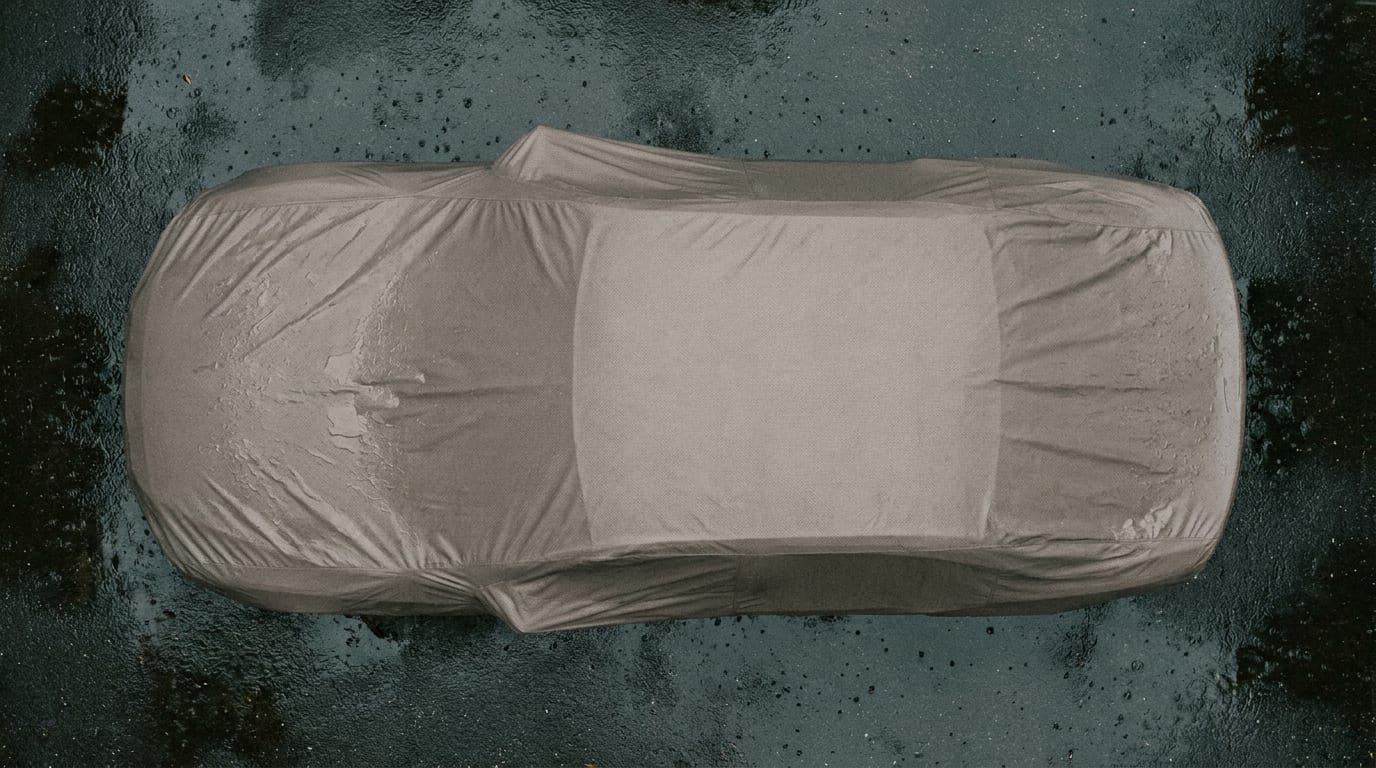
Let the car dry fully before you cover it. This sounds obvious, but after a rain shower or Florida's typical morning dew, people cover a still-damp car all the time, and that moisture has nowhere to go once it's sealed under fabric.
Pull the cover off periodically, even during long stretches of good weather, just to let both the cover and the car's surface air out. This matters most after multi-day humid spells when moisture has had time to build up underneath, even with a breathable fabric doing its job.
Give the cover itself a basic cleaning cadence: rinse it off, let it air-dry completely, and don't skip this just because the car looks clean. Mildew builds on the fabric over time regardless of what's happening to the paint. Our cover cleaning guide has the specifics on how often and how to do it right.
And never, ever fold up a damp cover and toss it in the trunk. That's basically a mold incubator. Give it time to dry flat first, even if that means a short delay before you store it.
Bottom Line: Choosing Your Sedan's Cover
So, can you recommend a good car cover for a sedan parked in a humid climate like Florida? Yes, and it's the one that checks all four boxes: breathable, genuinely waterproof, custom-fit to your sedan, and treated for UV and mildew resistance. Skip anything that seals the car in plastic, no matter how cheap it looks.
Here's the simple rule: if your sedan parks outdoors daily in humid or coastal conditions, go Deluxe or Platinum. Basic tier covers are fine for occasional, short-term, or already-covered parking, but they won't hold up to Florida's combination of constant moisture and relentless sun.
If you want to browse options built for exactly this kind of climate, it's worth exploring CarCovers' sedan lineup and using the fit tool to match your specific make and model. And if you're still unsure what fit or material makes sense for your situation, take a few minutes with the size and fit guide before you buy. It'll save you a return down the line.






