


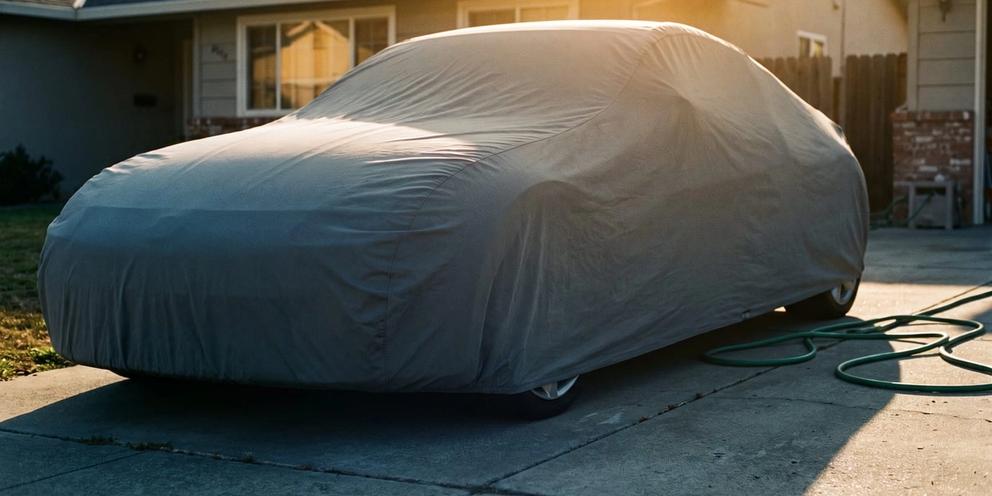
Car Cover for a Chevrolet Bolt: Custom-Fit Sizing, Tiers & Buying Guide
The Chevrolet Bolt EV and Bolt EUV look similar enough from across a parking lot that most cover shoppers assume they're interchangeable. They're not. A universal or generic-fit cover treats them the same, and that mismatch shows up the first windy night your car sits outside. If you're shopping for a car cover for a Chevrolet Bolt, the model year and body style you own change which pattern actually fits, and getting that wrong costs you paint, not just convenience.
Why a Universal Cover Won't Cut It for a Chevrolet Bolt
The Bolt EV (2017-2021), the redesigned Bolt EV (2022-2023), and the Bolt EUV (2022-2023) don't share one body. Different lengths, different rooflines, different rear overhangs. A universal cover sized for "compact hatchbacks" splits the difference and fits none of them well. That slack becomes a problem fast: fabric flaps in wind, water pools at the seams instead of running off, and grit works its way into the gap between cover and paint.
Two spots on the Bolt make this worse than average. The charging port door sits up front, and a loose universal cover snags on it every time wind lifts the fabric. The low front fascia is the other trouble zone. Universal covers designed with more ground clearance in mind tend to drag or rub right along that painted edge.
This guide exists to get you to the right size and tier before you're staring at a checkout page trying to guess. It's built to pair directly with CarCovers' Chevrolet custom-fit product listing for the Bolt, so once you know your year and body style here, you can go straight to the custom-fit car cover options and finish the purchase.
Chevrolet Bolt Fit & Size Table
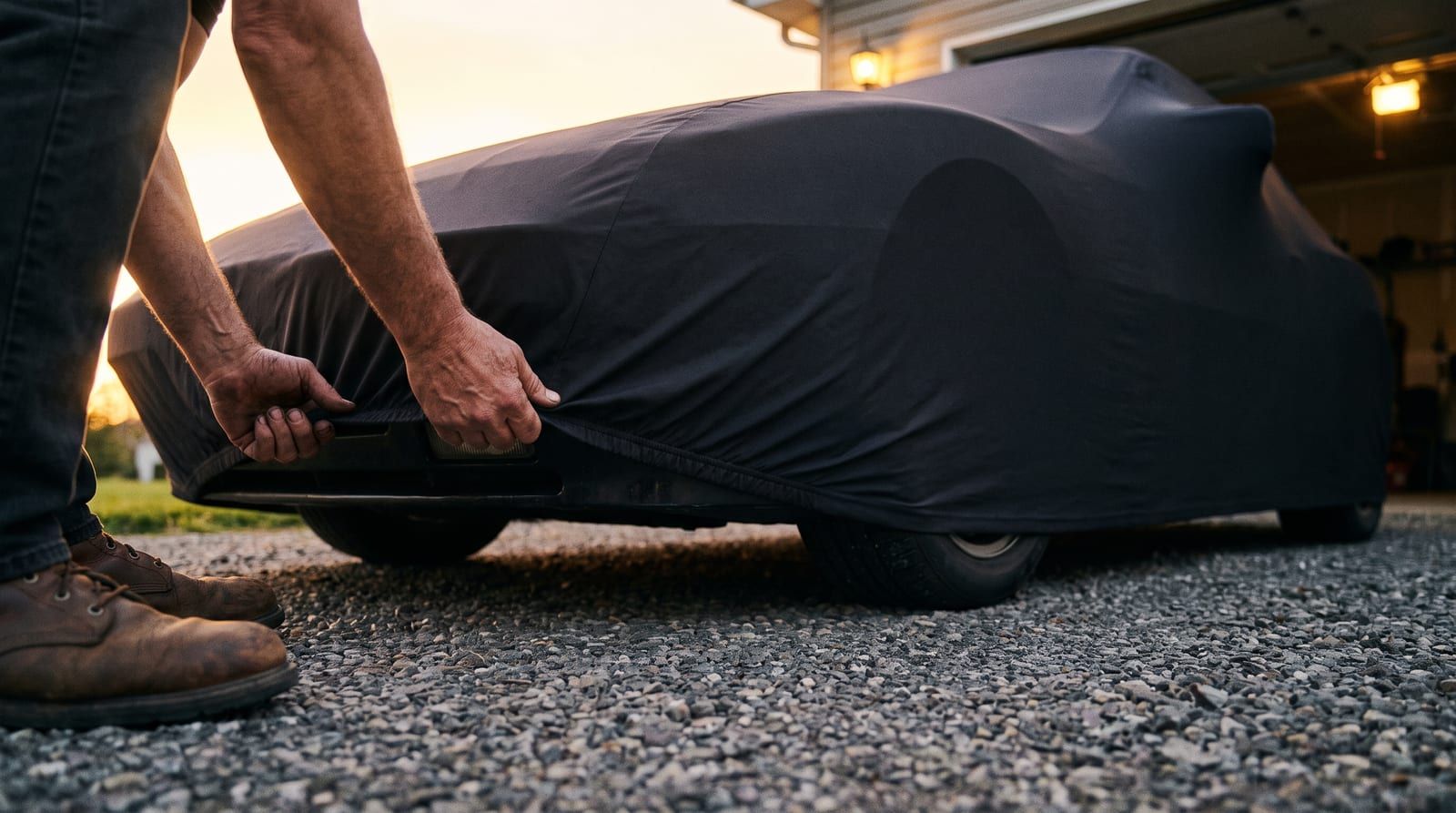
Here's the breakdown by generation and body style. Use it to narrow things down, then confirm the exact match on the product page.
Bolt EV, First Generation
- Model Years: 2017 to 2021
- Body Style: Compact hatchback
- Recommended Cover Size/Fit Code: Compact hatchback fit pattern (Gen 1 Bolt EV)
Bolt EV, Second Generation
- Model Years: 2022 to 2023
- Body Style: Compact hatchback
- Recommended Cover Size/Fit Code: Compact hatchback fit pattern (Gen 2 Bolt EV), revised bumper and front fascia contour from Gen 1
Bolt EUV
- Model Years: 2022 to 2023
- Body Style: Crossover (extended wheelbase)
- Recommended Cover Size/Fit Code: Crossover-length fit pattern, distinct from the standard Bolt EV hatchback
The table's a starting point, not the final word. Confirm your exact trim and year at checkout on the custom-fit product page rather than guessing from a chart alone. If you're unsure which category your Bolt falls into, this sizing guide walks through how body style and trim affect the right fit.
One more wrinkle: mirror pockets, antenna style, and whether your Bolt has a rear spoiler can shift which exact pattern applies, even within the same model year. Two 2023 Bolt EVs off the same lot might need slightly different accessory configurations on the cover. If you're not sure what your car has, find your cover by vehicle details instead of relying on memory.
Custom-Fit vs. Semi-Custom vs. Universal: What to Buy for a Bolt
Not all "fitted" covers are actually fitted. Here's how the three tiers stack up on a Bolt specifically.
Custom-Fit
- Fit accuracy: Patterned to the Bolt's exact body lines, including the charging port door and rear liftgate contour
- Security: Snug hem plus cable-lock routing built around the Bolt's factory tie-down points
- Cost: Higher upfront, but the fit doesn't loosen with use
Semi-Custom
- Fit accuracy: Stretch-fit sized to a general body class, close but not precise at the charging port or liftgate
- Security: Elastic-based hem, holds reasonably well short-term but loosens over repeated use
- Cost: Mid-range, a reasonable trade-off for short-term or occasional storage
Universal
- Fit accuracy: Generic sedan/hatchback sizing, noticeably loose around the Bolt's charging door and low front fascia
- Security: Generic elastic hem that stretches out over time, no real cable-lock integration
- Cost: Cheapest upfront, but the gaps mean more movement, more flapping, more wear
That flapping matters more than it sounds. Fabric that moves in the wind rubs against clear coat, and over months that's how you get fine swirl marks you can't buff out easily. Custom-fit avoids most of that because there's simply less slack to move.
For a daily-driven Bolt or one that's parked outside for weeks at a time, custom-fit is the default, full stop. Semi-custom is an acceptable trade-off if you're on a tight budget and only need coverage for short-term storage, like a week away or an off-season garage swap. Universal only makes sense as a stopgap, not a long-term plan.
Choosing the Right Cover Tier for Your Bolt
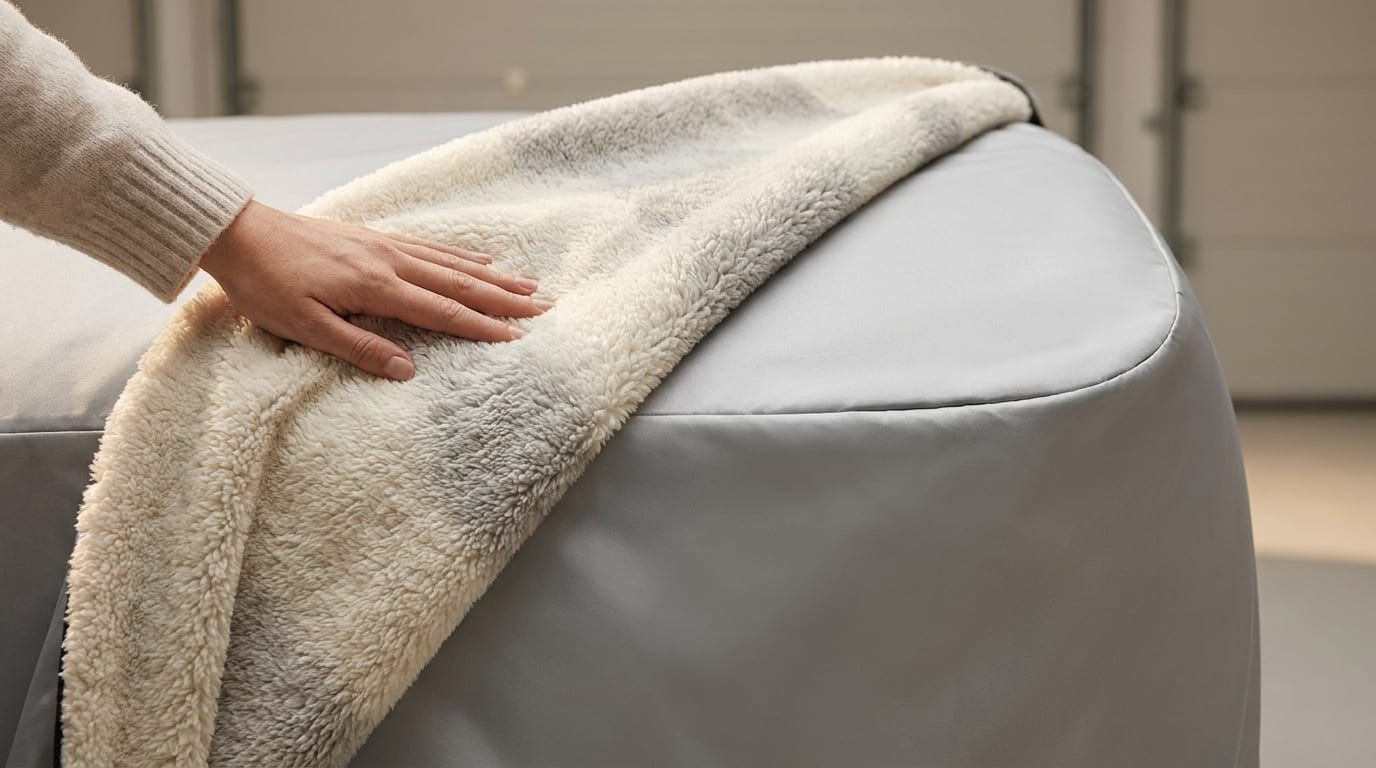
Once you've settled on custom-fit, the next decision is tier, and that's really a question about where the car lives.
The base outdoor tier uses a lighter fabric built for mild climates, good if you're mostly dealing with dust, sun glare, and the occasional light rain. The mid-tier steps up with reinforced water resistance and better UV protection, which matters if your Bolt sits in direct sun for hours or you're in a region with regular rain. The top outdoor tier uses heavier, layered material meant to handle hail and genuinely severe weather, not just drizzle.
If your Bolt lives in a garage, skip the outdoor tiers entirely and look at the indoor black satin-style option. It's a softer interior liner with no need for waterproofing or UV protection, since it's never seeing sun or rain, and it costs less than any of the outdoor tiers.
The decision rule is simple: street-parked Bolt owners in sun-heavy or rainy climates should size up in tier rather than default to the base option. Garage-only owners should go straight to the indoor cover and save the money.
One thing worth repeating: every tier here is built on the same Bolt-specific pattern. Moving up or down in tier changes the material and the weather protection, not how well the cover actually matches your car's body lines. You're not sacrificing fit accuracy by choosing a lighter fabric, you're just choosing less protection against sun and water. Compare the outdoor car cover options against the indoor car cover line, and if hail is a real concern where you live, the hail-specific cover is worth a look too.
EV-Specific Fit Considerations for the Bolt
The Bolt's charging port sits up front, which is different from where most gas-powered hatchbacks route anything you'd need daily access to. A properly patterned Bolt cover accounts for this, and on some trims that means you can plug in without pulling the whole cover off first. That's a small detail, but it's the kind of thing that decides whether you actually use the cover every night or start skipping it because it's a hassle.
Bolt EUV owners need to pay closer attention to the rear overhang. The EUV's wheelbase runs longer than the standard Bolt EV, and a hatchback-length cover pulled taut over the EUV will leave the back end exposed or stretched thin at the seams. Make sure whatever you buy is listed under the crossover-length pattern, not the standard Bolt EV hatchback fit.
Aftermarket antennas and roof racks are the other wildcard. A factory-pattern cover is built around the Bolt's stock shape, so an added roof rack or a swapped antenna can change how the fabric sits, usually creating a tent-like gap or a snag point where there wasn't one before. Minor adjustments (a notch, an extra grommet) usually solve it, and it doesn't mean you need a different cover altogether. If you've made either of these changes, the fit modifications guide covers how to adjust a factory-pattern cover so it still sits right.
Installation, Care, and Protecting Your Investment
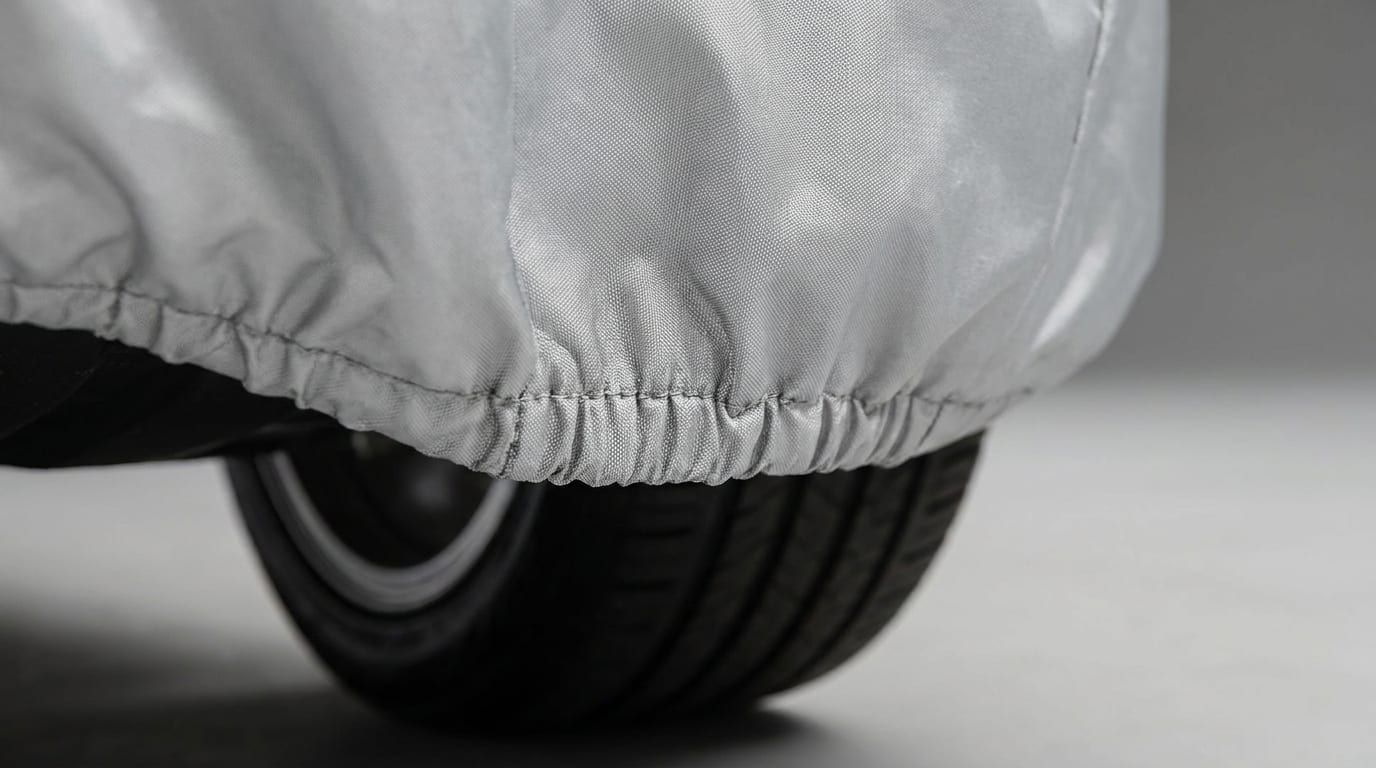
Installation order matters more than people think. Start at the front, work your way back, and secure the elastic hem underneath the rocker panels as you go rather than trying to tuck everything in at once from one end. Once the cover's on, run any cable lock through the Bolt's factory tie-down points and cinch it down. That's what actually keeps the cover from becoming a sail in a strong gust.
Care is mostly just consistency. Shake off leaves and debris before folding the cover away, spot-clean it based on what the fabric's rated for, and store it in the bag it came with between uses. Skipping that last step is how covers end up torn or mildewed faster than they should. The installation walkthrough and the cleaning guide both go into more detail if you want the full routine.
Here's a practical reason to spend the extra money on the right custom-fit size: it's backed by a lifetime warranty that a cheaper universal cover simply doesn't qualify for. You're not just buying a better fit, you're buying coverage that holds up if something goes wrong down the line.
And if you're still not sure you picked the right size or tier combination, the return policy exists for exactly that situation. No need to agonize over the decision before you buy.
Chevrolet Bolt Car Cover: Final Pick and Next Step
Here's the short version. Identify your Bolt's model year and body style from the table above, choose custom-fit over universal or semi-custom, and pick outdoor or indoor tier based on where the car actually parks each night.
Get that combination right and you're protecting more than paint. You're protecting the charging port area from grit and moisture, and you're cutting down on the fine scratches that come from loose fabric moving in the wind, things a generic cover just wasn't built to handle on this car.
If you've made it this far, you've got what you need to stop comparing and start choosing. Browse the full car covers lineup, or if you already know your Bolt's year and trim, head to the product page and lock in the exact fit.
Updated