


Do Car Covers Cause Scratches? What Actually Damages Paint (and How to Prevent It)
Do Car Covers Cause Scratches?
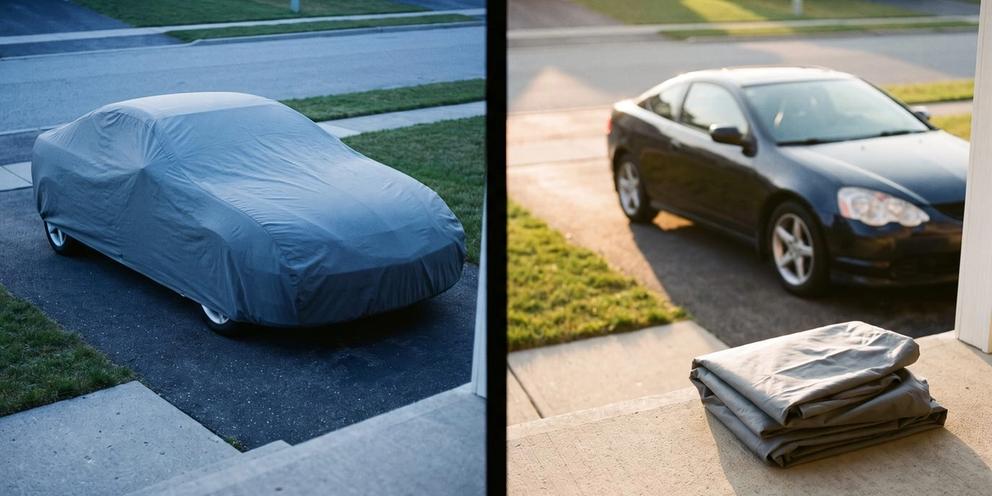
Car covers themselves don't cause scratches. The cover isn't the problem, it's what's happening between the cover and the paint: trapped dirt, a poor fit, a cheap lining, or wind whipping loose fabric against the body. So when people ask "do car covers cause scratches," the honest answer is usually "not on their own, but misuse or the wrong product will." The rest of this article breaks down exactly what causes cover-related scratches and how to stop it before it starts.
That's the snippet-sized version. Now let's get into why it happens and what actually fixes it.
What Actually Causes Scratches Under a Car Cover
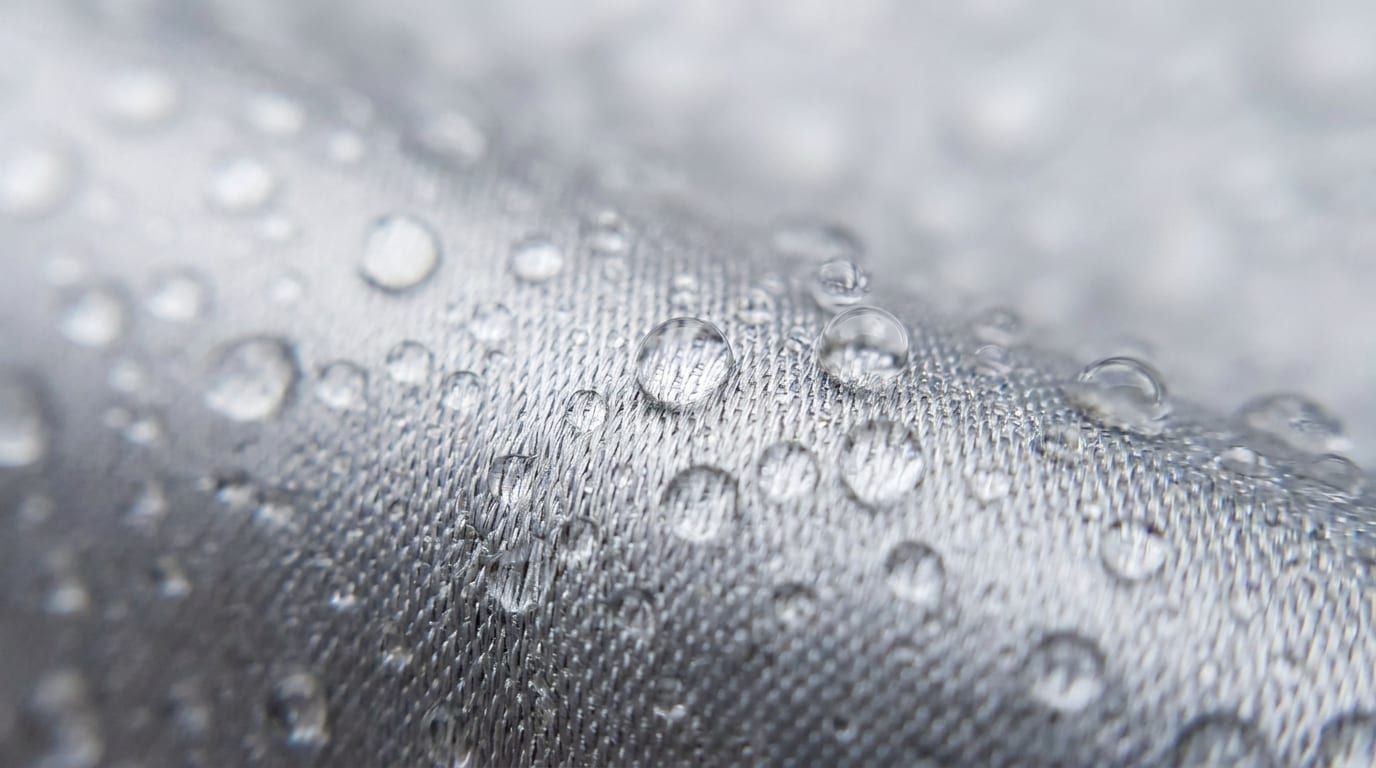
Almost every scratch blamed on a car cover traces back to one of four things, and none of them are the cover being inherently dangerous to your paint.
Dirt is the biggest culprit. Dust, pollen, road grit, whatever settled on the car before you covered it, all of that gets trapped between the fabric and the paint. Every time the cover shifts, even slightly, that grit acts like sandpaper. You don't need a storm to cause damage. A light breeze over a few weeks of repeated contact is enough.
Fit matters just as much. A cover that's too loose has room to move, and movement is what turns fabric into an abrasive. Wind gets underneath, the cover billows, and the excess material rubs against the hood, mirrors, and roofline over and over.
Then there's material quality. A stiff, non-breathable, no-lining cover concentrates friction on the highest points of the car, the same spots that catch the most wind and see the most contact. Soft-lined interiors spread that friction out or eliminate it. Cheap tarp-style materials don't.
Last, there's how you handle it. Yanking a cover off in a hurry, dragging a buckle or grommet across the hood, letting straps whip around during installation, all of that adds up. It's not the cover doing damage, it's careless use of it.
Material choice drives most of this risk, and it's worth understanding the differences before you buy. Our breakdown on what makes the best car cover material covers which fabrics resist this kind of friction damage and which ones don't.
Which Types of Covers Are Most Likely to Scratch Paint?
Not all covers carry the same risk. Universal, one-size-fits-most covers are the biggest offenders simply because they're not shaped to your car. Extra fabric bunches at the mirrors, sags at the hood, and flaps at the edges. Custom or semi-custom covers are cut to the vehicle's actual dimensions, so there's a lot less material free to move around.
Cheap woven or tarp-style covers are the next issue. Without a fleece or soft-lined underside, these materials rub directly on paint at every high-contact point: the hood, the roofline, the trunk lid. It's basic physics. Rough material plus repeated contact equals fine scratching over time, even if you can't see it happening day to day.
Hem design matters too. A cover without a cinched or elastic bottom edge catches wind more easily, and once wind gets under the hem, it drags fabric across the lower body panels and rocker panels every time it gusts.
And outdoor exposure changes the math. A cover sitting in a still, closed garage barely moves. The same cover strapped to a car parked outside in wind and weather is going to shift constantly, which means far more opportunity for movement-related rubbing over the course of a season.
How to Prevent Scratches From a Car Cover
Most of this comes down to prep, fit, and technique. None of it is complicated.
Start clean. Wash and dry the car before you cover it. Any dirt or grit left on the surface gets trapped the moment the cover goes on, and that's the single easiest cause of scratching to eliminate. Skip this step and it doesn't matter how good the cover is.
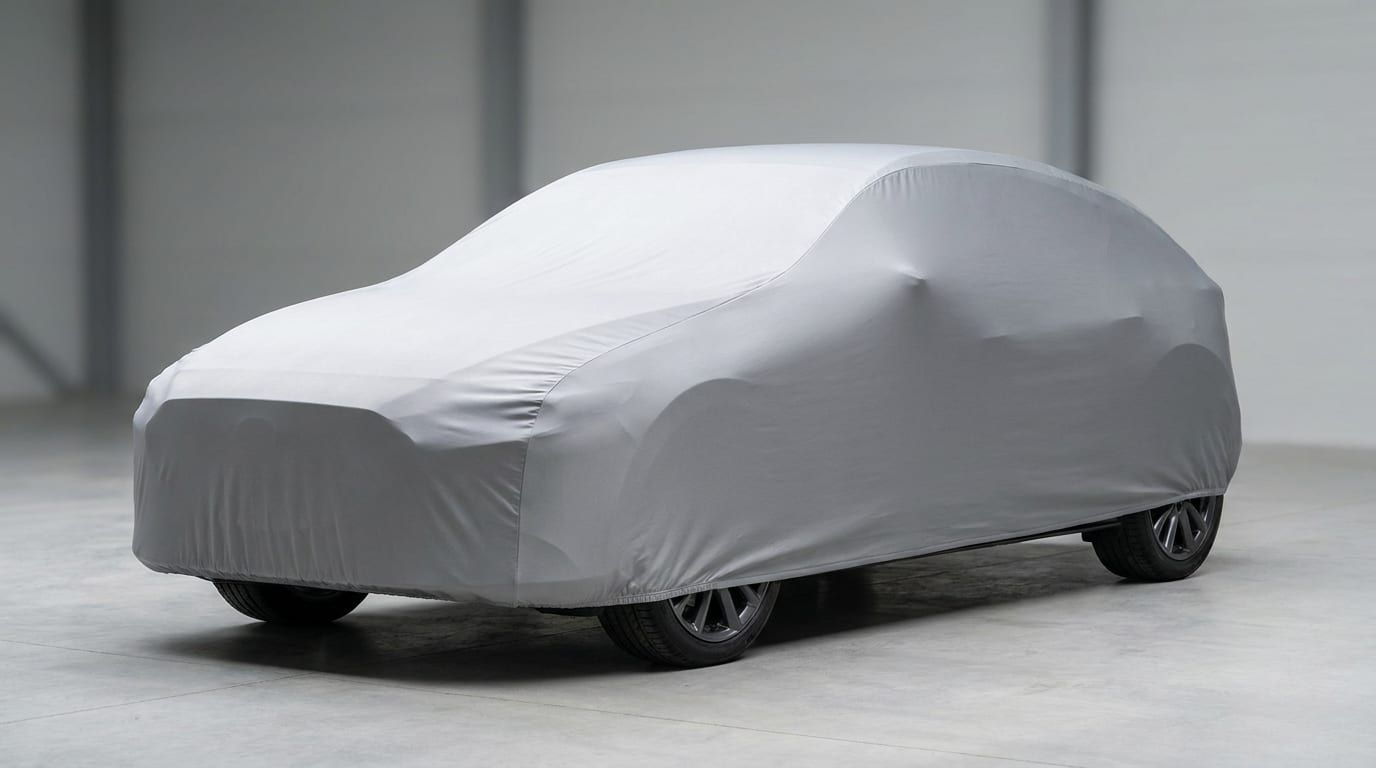
Get the fit right. A cover with excess fabric is a cover with room to move in the wind. A custom-fit car cover is shaped to your exact vehicle, which cuts down on loose material dramatically. If a custom fit isn't in the budget, at minimum use our guide on choosing the right car cover size for your vehicle so you're not buying something baggy just because it technically fits.
Check the lining. A soft, fleece-lined interior, or a breathable multi-layer material at the high-contact points, is what actually protects the paint underneath. If you can feel roughness on the inside of the fabric with your hand, your paint can feel it too.
Anchor it properly. Straps, cable locks, and tie-downs exist so the cover stays put instead of ballooning in the wind. Use them. A cover that's cinched down tight barely moves, which means barely any friction against the paint.
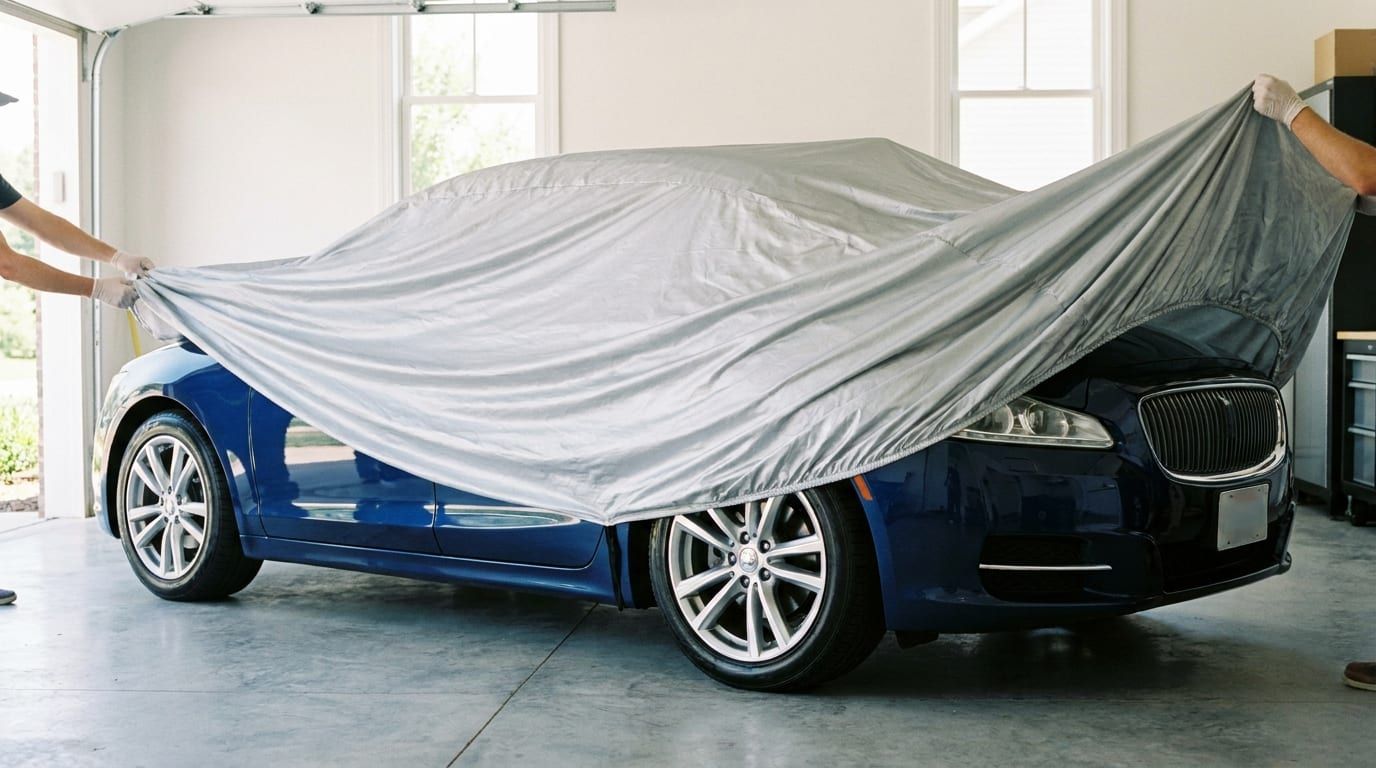
And handle it carefully going on and off. Dragging a buckle or grommet across the hood on the way off the car is a common, avoidable cause of surface marks. Our step-by-step installation guide walks through the technique that keeps hardware away from paint during removal and installation.
Indoor vs. Outdoor Covers: Does the Risk Differ?
Yes, and it comes down to environment, not just cover quality.
Indoor covers are lighter and softer since they don't need to fight wind, rain, or UV exposure. In a still garage, there's minimal movement, so even a lower-end indoor cover carries relatively low scratch risk. The environment does a lot of the work.
Outdoor covers are a different story. They're built heavier and more weatherproof to survive rain, sun, and wind, but that means an outdoor cover with a poor fit has far more opportunity to rub against paint repeatedly. Wind is the variable that turns a mediocre fit into a real problem. A loose cover in a garage just sits there. A loose cover outside flaps for hours.
If your car lives in a garage, an indoor car cover built for that lighter-duty environment is usually the better and less abrasive choice. If it's parked outside full time, you want an outdoor car cover that's not just weatherproof but properly fitted and anchored, since that's the setup where fit actually matters most.
Signs Your Car Cover May Be Damaging Your Paint
A few tells are worth checking for, especially if you've been using the same cover for a while.
Fine swirl marks or dulling concentrated on the hood, roof, and trunk lid are the clearest sign. These are the highest-contact points on the car, so they're where friction damage shows up first.
Check the underside of the cover after you take it off. Visible dirt, dust, or grit residue means that material has been sitting against your paint, moving around, and doing exactly the kind of abrasive damage described earlier.
Feel the interior fabric. If it's stiff, thin, or has no lining at all, it's not doing your paint any favors, regardless of how well it fits otherwise.
And look near the wheel wells and rocker panels for small marks or wear patterns. Loose straps or grommets that haven't been secured properly tend to leave signs right around where they hang.
If you're already seeing surface damage, it's worth a broader look at car paint care to figure out what's cover-related and what might be coming from something else entirely, like washing habits or environmental exposure.
Choosing a Cover That Protects Instead of Damages
The right fit, the right material, and a decent lining take the scratch risk off the table entirely. That's really the whole answer to "do car covers cause scratches": get those three things right and a cover does exactly what it's supposed to do, which is protect the paint, not wear on it.
If you're shopping for one, browse fitted car cover options built around the vehicle instead of a generic size range. And once you've got a cover, keeping it clean matters too. Grit that builds up on the cover itself can eventually work its way back into contact with your paint, so a quick look at how to clean a car cover is worth the ten minutes.
Worth mentioning too: a cover backed by a lifetime warranty is one less thing to weigh against long-term paint protection. If you're still narrowing down options, poke around the rest of the blog. It's a decent place to keep learning before you commit to a cover.
Updated