Does a Car Cover Need to Be Removed Before Driving?
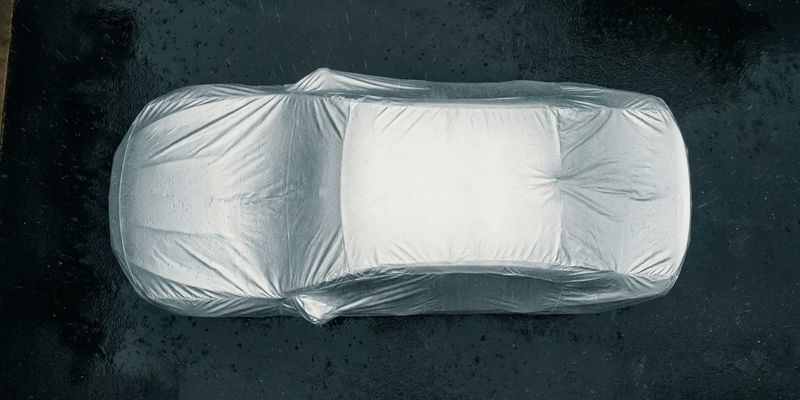
Yes. Every car cover, full or partial, custom-fit or universal, has to come off completely before the car moves an inch. No exceptions for front-only panels, no "it's just loosely draped" workaround. Car covers are built for a parked vehicle sitting still, not for wind, speed, or moving parts. Once you turn the key, the cover's job is done.
The rest of this guide covers what actually happens if you skip that step, how long removal really takes, and the small checklist that keeps you from leaving a strap or mirror pocket behind.
What Happens If You Drive With a Cover Still On?
Start moving at even 15 or 20 mph and wind gets under the fabric fast. Straps snap. Elastic hems stretch past their limit and tear. Grommets rip clean out of the material. None of this is gradual, it happens in seconds once air gets underneath and starts lifting the cover like a sail.
Loose fabric doesn't just flap around harmlessly, either. It can get pulled into a wheel well, wrap around a wiper arm, or drift toward the exhaust, any of which can jam something that's supposed to keep moving. And if the windshield or mirrors are even partly covered, you're driving blind, which is a safety problem before it's ever a cover problem.
Here's the part people don't think about until it's too late: a cover that shreds on the highway isn't a warranty claim. It's just gone. Most warranties cover material defects and workmanship, not damage from being used outside its intended purpose. So the "does a car cover need to be removed before driving" question isn't really about preference, it's about not throwing away a cover you paid for.
Do You Wear the Cover While Driving, Even Partially?
This question comes up more than you'd think, usually framed as "can I just leave the back half on" or "what if I'm only going a few blocks." The answer is still no. No cover on the market, custom-fit or universal, is rated for use while the vehicle is in motion. That's not a gap in product design, it's just not what the product is for.
Those mirror pockets and antenna cutouts you see on a lot of covers aren't driving features. They exist so the cover sits snugly in storage, not so you can putter down the street with your mirrors poking through fabric. The fit is for a parked, stationary shape, full stop.
And the "quick trip to the end of the driveway" mentality is where most of the damage stories start. Thirty feet at 5 mph feels harmless. But wind doesn't care about distance, and a loose cover can start tearing at the first gust or the first turn of the wheel. If you're moving the car, the cover comes off first. Every time.
Can You Put a Cover Back On Right After Driving?
Not right away. Give the engine, exhaust, and brakes time to cool, generally 15 to 30 minutes depending on how long and how hard you were driving. A quick errand might only need 15. A highway trip in summer heat might need closer to 30.
The reason is simple: a cover thrown over a hot vehicle traps that heat right against the paint and components underneath. Some fabrics can warp, scorch, or melt slightly near hot exhaust tips if you get impatient. It's a completely avoidable problem, you just have to wait it out.
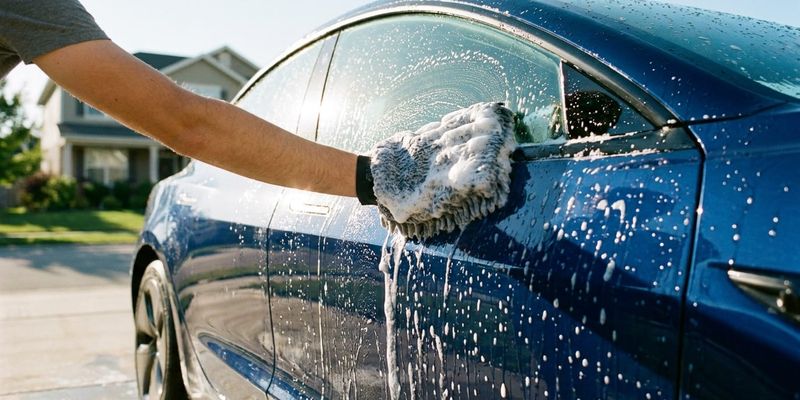
While you're waiting, wipe down any surface moisture, dust, or road grime. Covering a dirty or damp car seals that grime against the paint for hours, and over time that's how you get swirl marks or dulled clear coat. A minute with a microfiber towel before covering saves you a bigger headache later. If you want the full rundown on keeping a cover in good shape long-term, cleaning your car cover properly is worth a read.
What Are the Real Downsides of Using a Car Cover?
People search this expecting a long list. There isn't one. The honest downsides are: it takes an extra minute or two to put on and take off each time, debris sitting under the cover can scratch paint if you skip wiping the surface first, and a poorly sized cover can trap moisture instead of blocking it.
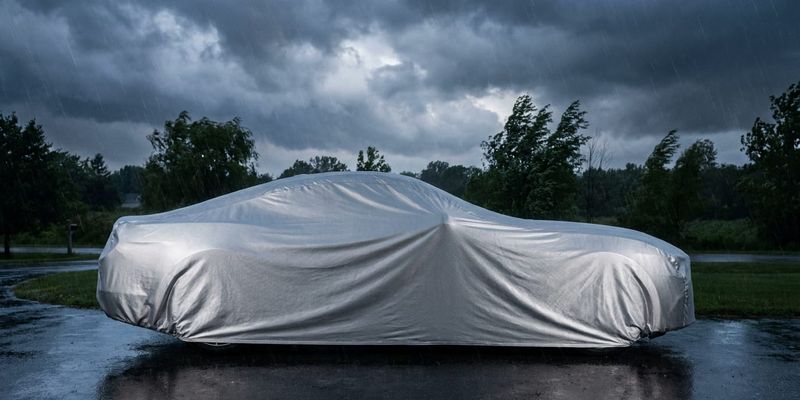
Compare that to what a cover is actually protecting against: UV fading, tree sap, bird droppings, hail dents, dust buildup. The downsides are minor inconveniences. The upside is avoiding damage that costs real money to fix. It's not a close call.
Almost every downside traces back to one thing: wrong fit or skipped prep. A cover that's too loose shifts around and invites moisture pockets. One that's too tight stresses seams and straps. If you're not sure what you're working with, start with a properly sized cover built for your vehicle instead of a generic one-size-fits-most option, and most of these complaints disappear on their own.
How Long Does It Actually Take to Remove a Car Cover?
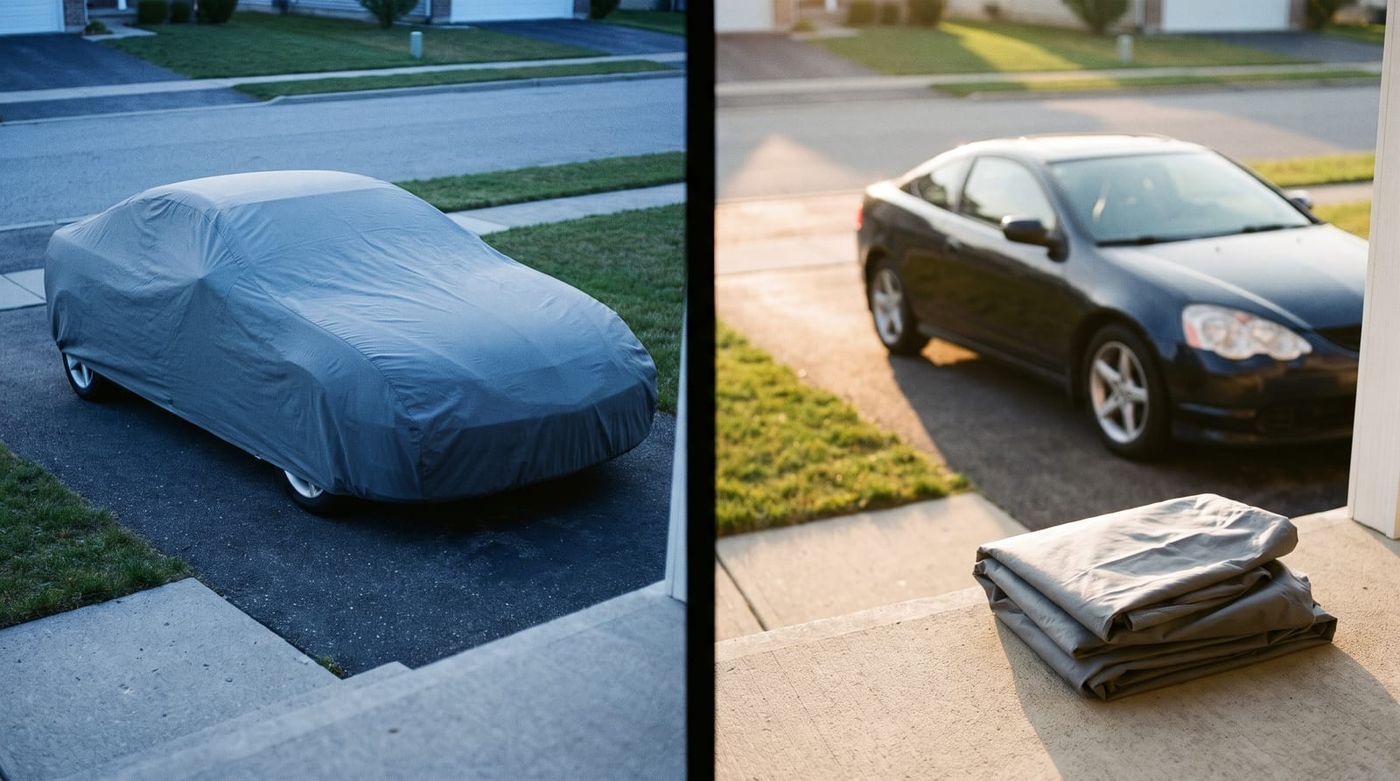
Realistically, 30 seconds to 2 minutes for a basic cover. Add another minute or two if you're running a cable lock or gust straps, since those need to be released before the cover will budge.
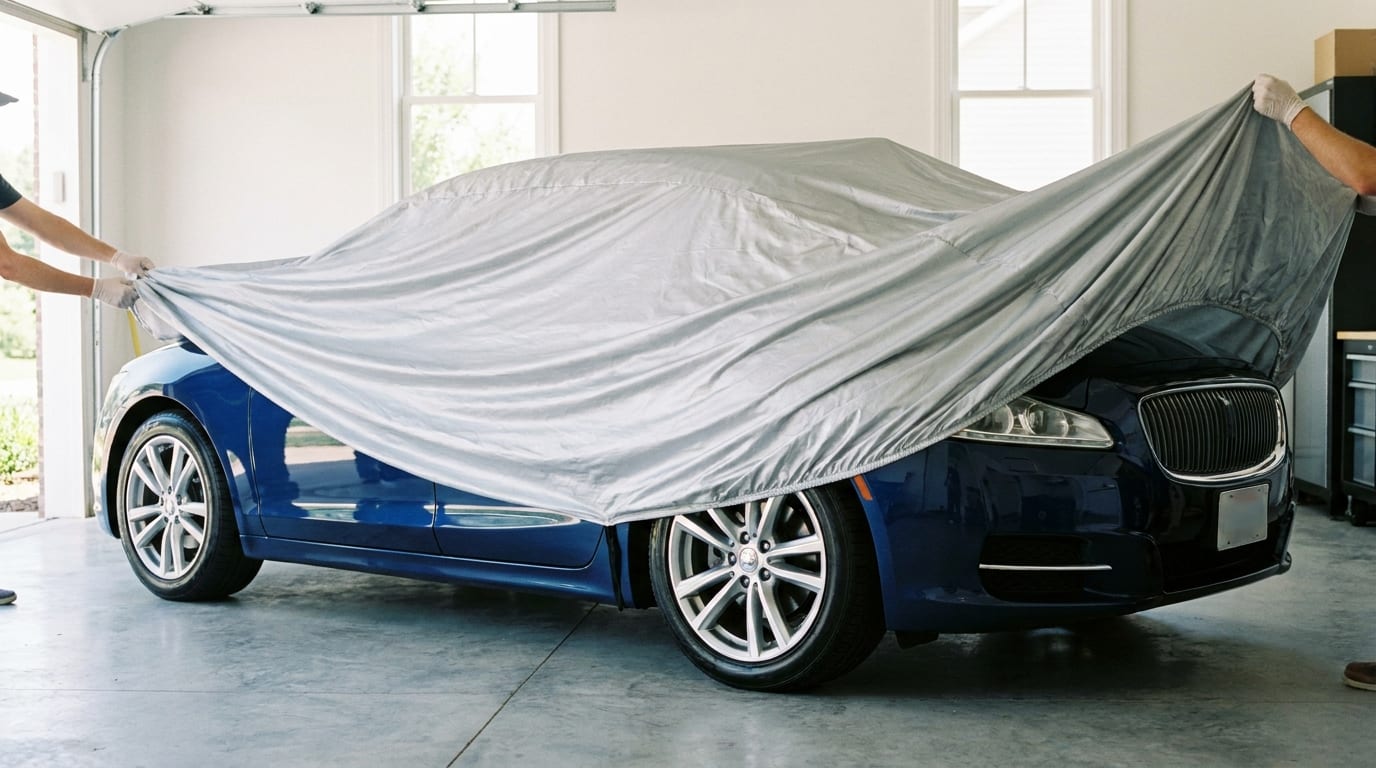
The sequence is pretty mechanical once you've done it a few times: release any lock or strap at the base, unhook the mirror pockets, fold the cover back from front to rear so you're not dragging it across the paint, then stow it in the trunk or a garage bag. None of this is complicated, it just has to happen in order.
Worth saying plainly: cable locks and straps add real security, especially if the car sits outside or near foot traffic, but they also add a step you can't skip or rush. That step happens before you drive, not as you're backing out of the spot. If you've never set one up, installing a cable lock cover only takes a few minutes the first time and gets faster after that.
Quick Pre-Drive Checklist Before You Pull Out
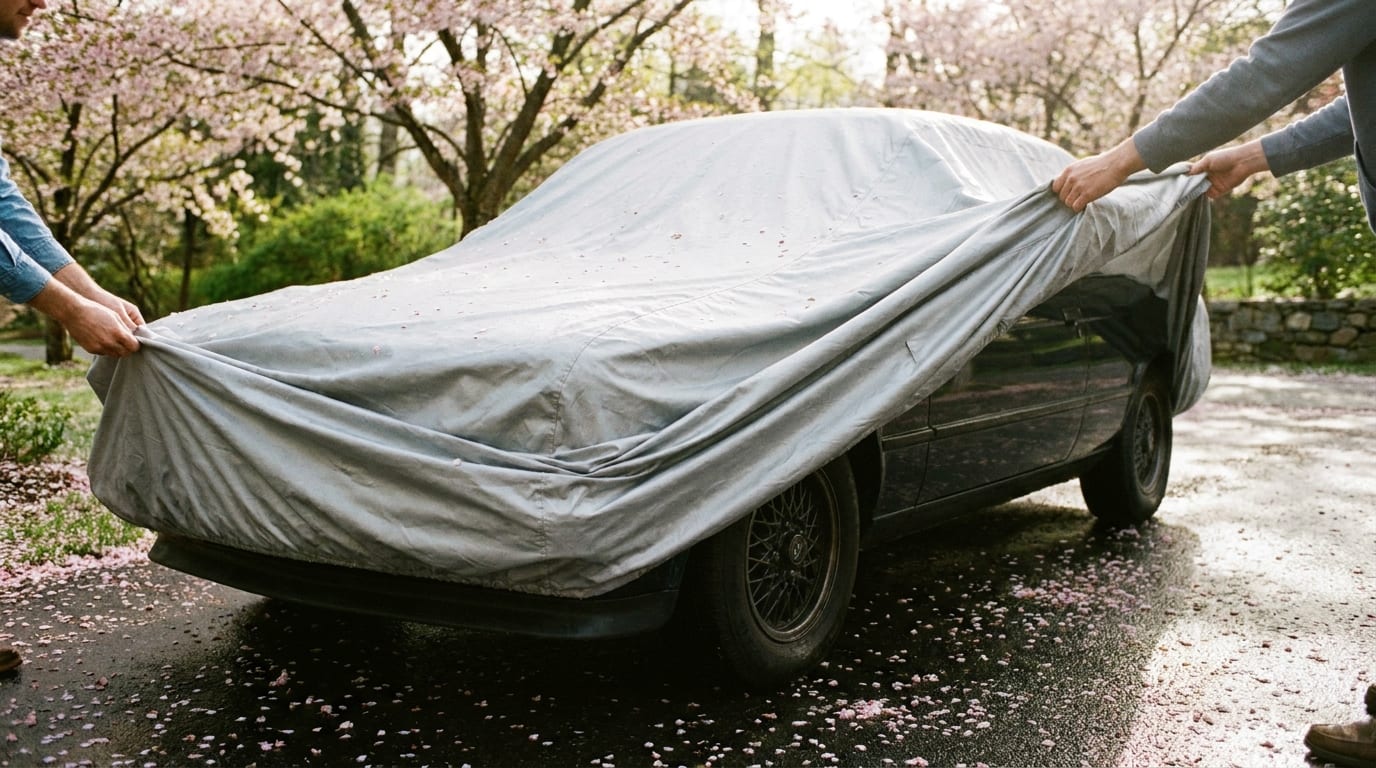
Keep it simple and do it in the same order every time:
- Unlock or unstrap the cover at the base
- Remove the cover completely, don't leave any section draped or tucked
- Check that mirrors and wipers are fully clear
- Fold the cover and stow it in the trunk, garage, or storage bag
- Start the engine only after the cover is off and stored
The spots people forget are predictable: the antenna patch, the side mirror pockets, and straps that loop underneath the vehicle. Those underside straps are the sneaky one, they're out of sight, so it's easy to walk around the car, think it's clear, and miss one still clipped under a wheel or bumper.
Even a small piece of fabric caught under a tire or pinched in a door can tear the moment you start moving. It doesn't take much. So the extra 20 seconds of double-checking before you turn the key is cheap insurance against a cover that's otherwise in good shape. If you're setting one up for the first time and want the installation side dialed in too, the simple installation guide walks through fit and strap placement from scratch.
Protect Your Vehicle Without the Guesswork
A car cover is a parked-vehicle tool. That's it, that's the whole job. Does a car cover need to be removed before driving? Every single time, no shortcuts, no partial removal. Once you treat that step as automatic, the rest of the routine (cooling down before recovering, wiping off grime, checking for forgotten straps) becomes second nature pretty fast.
If removal feels like a hassle right now, it's usually a fit problem, not a routine problem. A cover that's sized correctly for your vehicle goes on and off in under a minute without you wrestling straps into place. Browse why a quality cover is worth it if you're still weighing whether to buy one, and if you want more guides like this on installation and day-to-day care, poke around the installation guides section or subscribe to keep these tips coming.