Does a Car Cover Scratch a Freshly Waxed Car? What You Need to Know
Published

A properly fitted, clean, soft-lined cover will not scratch a freshly waxed finish. A loose, dirty, or rough-fabric cover can, creating fine swirl marks as it shifts against the paint in the wind or during install. The wax itself isn't the risk. Trapped grit and a bad-fitting cover are what actually cause the damage, and the rest of this article walks through when that happens and how to avoid it.
Does a Car Cover Scratch a Freshly Waxed Car?
So here's the direct answer: does a car cover scratch a freshly waxed car? Not if it's clean, sized right, and lined with something soft. A cover that's too big will billow and rub every time the wind picks up. A cover caked in road dust from last season will grind that dust into your clear coat like sandpaper. Neither of those problems has anything to do with the wax underneath.
Wax doesn't make paint more fragile. It just makes tiny scratches easier to spot, because the glossy finish reflects light differently once something's disturbed it. That's why people assume the cover caused new damage when really it just revealed existing issues, or made old swirl marks more visible under direct sun.
The rest of this guide covers where the actual risk comes from, what wax can and can't fix, and how to cover a car right after a wax job without undoing your work.
Does Waxing a Car Cover Scratches?
This one trips a lot of people up because it sounds like the same question, but it's not. "Does waxing a car cover scratches" is asking whether wax hides existing paint damage, not whether a car cover causes new damage.
The answer: wax can fill in very light surface scratches temporarily, the kind that barely break the surface, sometimes called spider webbing. The wax sits in the groove and reflects light more evenly, so the scratch looks softer or disappears under casual inspection. But it's a cosmetic fix, not a repair. Wax doesn't bond into the clear coat or rebuild anything. It just fills a gap and shines.
That fill wears off. Every wash strips a little more of it, and within a few weeks those "fixed" scratches tend to creep back into view. If a scratch cuts through the clear coat into the base paint, wax won't touch it at all. It'll sit on top and look fine for a day, then fade right back to showing the damage.
Keep this separate in your head from the cover question. One is about wax hiding scratches that already exist. The other is about whether a cover creates new ones. Search results blend the two together constantly, which is probably how you ended up here.
When a Car Cover Can Actually Cause Swirl Marks on Wax

Real causes, not hypotheticals:
- Trapped dirt and debris. If you cover the car without washing it first, or the cover itself is dirty, grit gets sandwiched between fabric and paint. Every gust of wind grinds it in a little more.
- A cover sized too loosely. Universal-fit covers often have extra fabric that flaps in wind and rubs against the hood, roof, and fenders repeatedly. That repeated motion is what creates swirl patterns.
- Rough, non-lined synthetic fabric. Cheap polyester with no interior lining can feel fine to the touch but still be abrasive enough to mark a soft wax layer over time.
- Skipping the wash before covering. Even a light coating of pollen or dust under the cover acts the same way sandpaper does under constant light pressure.
Here's why this shows up more on waxed cars specifically: wax adds a glossy, reflective layer, and that layer makes every fine scratch catch the light. Unwaxed paint can have the same micro-scratches and you'd never notice them. Wax just makes your paint more honest about what's happening to it.
A cover that's actually built for your vehicle, snug through the body lines with no slack to flap around, removes most of this risk because there's nothing loose to rub. If you're not sure your current cover fits right, it's worth checking sizing against custom-fit car covers built to your exact make and model rather than a generic shape.
What Do Dealerships Use to Hide Scratches?
Quick detour, since this question comes up in the same searches. Dealerships prepping a car for the lot typically reach for scratch-repair compounds and rubbing or polishing compounds first, working the area down until the scratch blends with surrounding paint. For deeper marks that go into the base coat, they'll use a touch-up paint pen matched to the factory color code. Once the repair is done, they finish with a wax or sealant layer to blend the sheen so the repaired spot doesn't look duller or shinier than everything around it.
None of this is magic. It's the same process available to anyone with a detailing kit and patience. It works fine on light-to-moderate scratches but it's not a substitute for actual paint correction on anything that's gouged down to metal or primer.
What Is the Best Car Wax to Cover Scratches?
Without naming specific brands, here's what actually matters: you want a wax or paste formula with fine fillers built for scratch concealment, not a pure sealant. Sealants are great for durability and shine, but they sit on top of the paint rather than filling anything in, so they won't do much for existing light scratches.
Carnauba-based waxes tend to fill more visibly, giving that deeper, warmer gloss that also happens to mask fine marks well. The tradeoff is durability. They wear off faster than synthetic sealants, often within a few weeks depending on exposure. Synthetic sealants last longer, sometimes months, but with less of that fill effect since they're not designed to sit inside a scratch.
Either way, treat this as temporary cosmetic improvement. It's not paint correction, and it's not going to replace polishing or correction work if the damage is real. If you're shopping for a formula, browsing through car care and detailing products will give you a sense of what's built for filling versus what's built for pure protection.
Will Car Wax Buff Out Scratches?
No, not really. Wax can make very fine "spider web" scratches look less obvious by filling them in, but it's not buffing anything out. Buffing implies removing material or leveling the surface, and wax doesn't do either of those things. It's a topical layer, nothing more.
Actual scratch removal needs a cutting or polishing compound, applied with some mechanical action, either by hand or machine. Deeper scratches sometimes need wet sanding before any compound touches the surface at all. Wax goes on after all of that, as the final protective and cosmetic step, not as the fix itself.
This matters for the cover question too. Since the wax layer is thin and sits right on the surface, it's easily disturbed by anything abrasive moving against it, including a bad cover. That's part of why getting the cover situation right after waxing isn't a minor detail. You just put a soft, easily-marked layer on your paint. Treat it that way for the first few days.
How to Cover a Freshly Waxed Car Without Marring the Finish
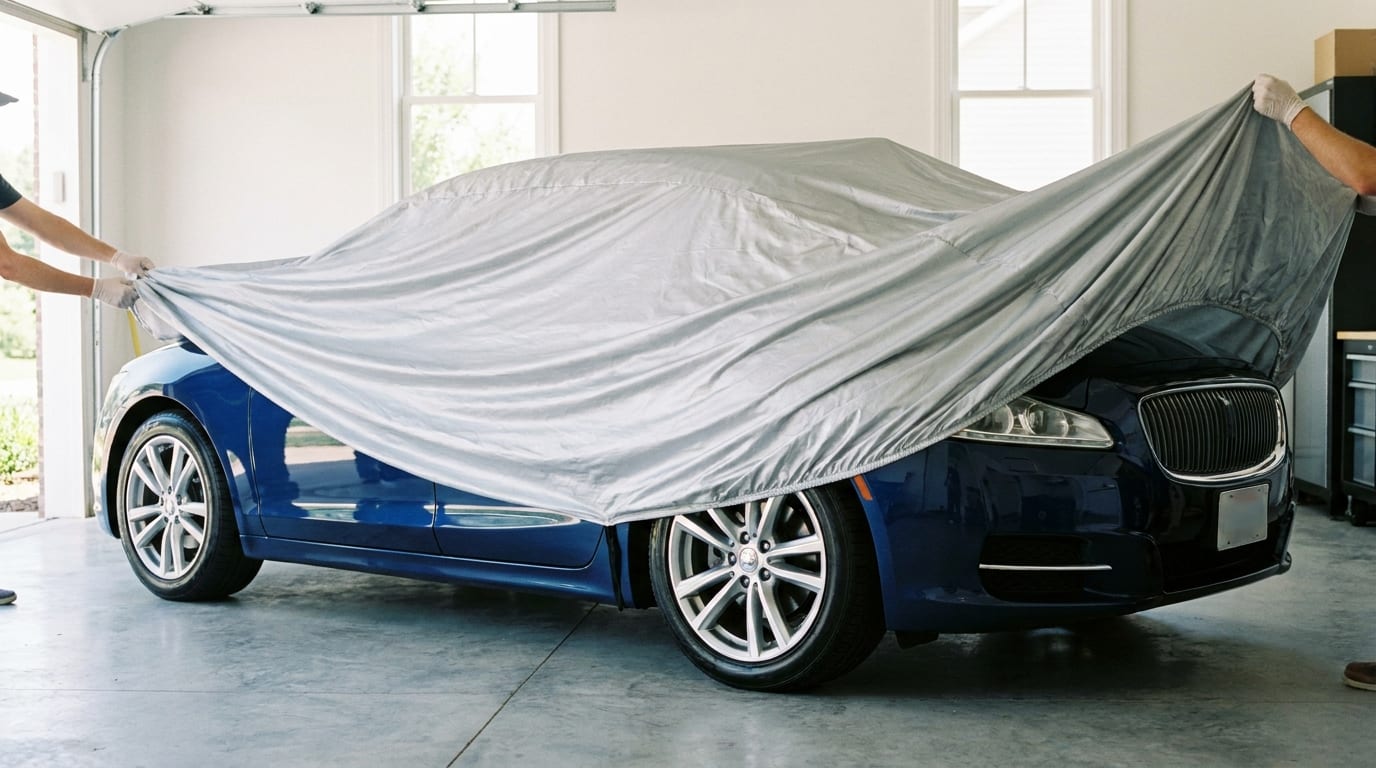
A short checklist that actually prevents the problems above:
- Let the wax cure fully before covering. Most waxes need a few hours to haze and set. Covering too early traps uncured product against the fabric.
- Make sure both car and cover are clean. Wash the car first. Shake out or wash the cover if it's been sitting in a garage collecting dust.
- Choose a soft fleece or microfiber-lined interior. This is the single biggest factor in whether a cover marks paint over repeated use.
- Size the cover to your actual vehicle, not a generic "fits most sedans" label. Loose fabric is the main driver of wind-related rubbing.
Indoor and outdoor covers aren't built the same way, and that matters here. Indoor car covers use lighter, softer fabric since they don't need to handle rain or UV exposure, which makes them gentler on a fresh wax job if the car's garaged. Outdoor car covers need tougher, weatherproof material to survive sun and rain, so fit and lining quality matter even more outside.
One more habit worth building: wash the cover itself periodically, not just the car. A cover that's accumulated months of dust is doing the opposite of protecting your paint. There's a straightforward rundown on how to clean a car cover if you've never done it before.
Protect the Wax Job You Just Did
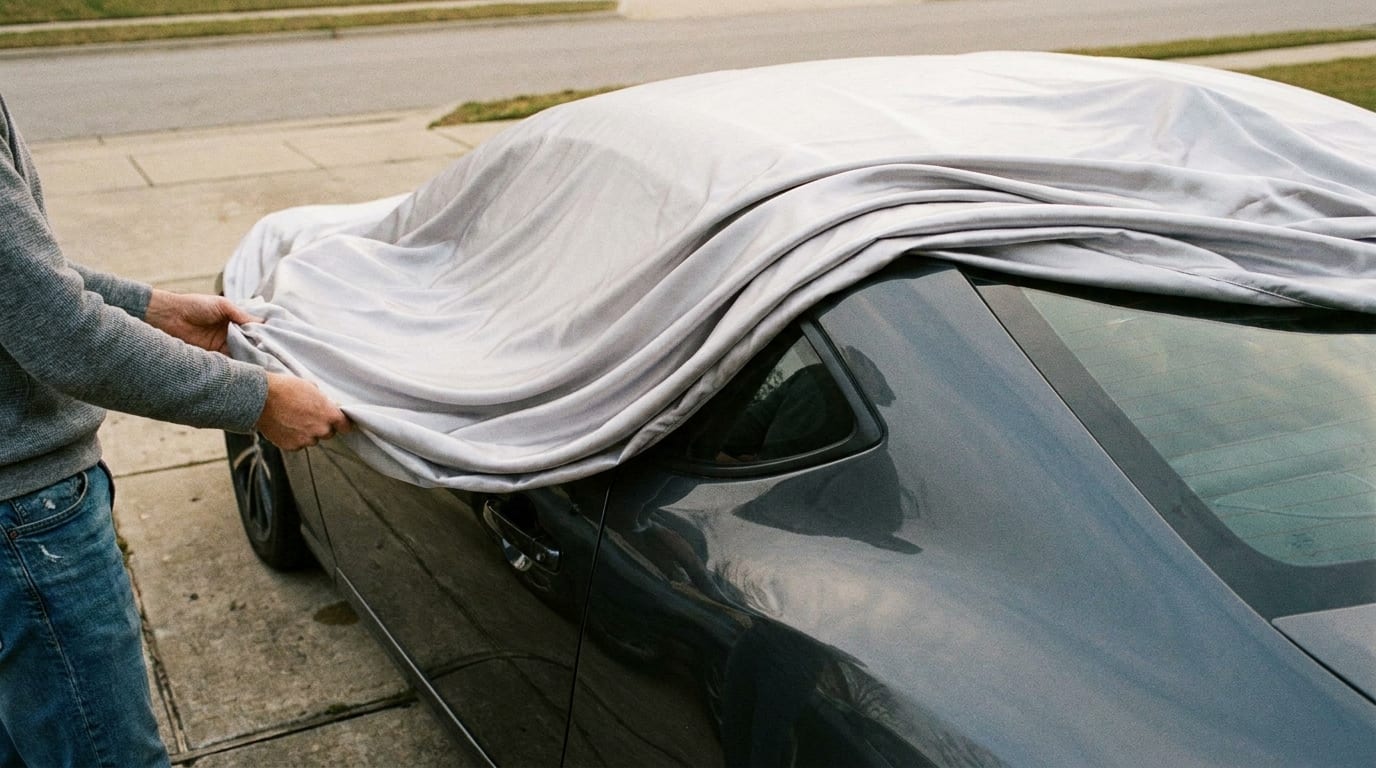
The cover isn't working against your wax job. Fit, cleanliness, and fabric quality decide whether it helps or hurts, and all three are things you control before you ever throw the cover on.
If you want to read more on keeping paint protected long-term, past just the cover question, our paint protection options guide runs through other methods worth considering alongside waxing. And if you're still using a cover that doesn't quite fit your car, it's probably time to find the right car cover for your exact make and model instead of guessing with a universal one.