
I Have a Sedan and Live in a Coastal Area With Salty Air — What Car Cover Should I Buy?
Published
The Quick Answer: What to Buy for a Coastal Sedan
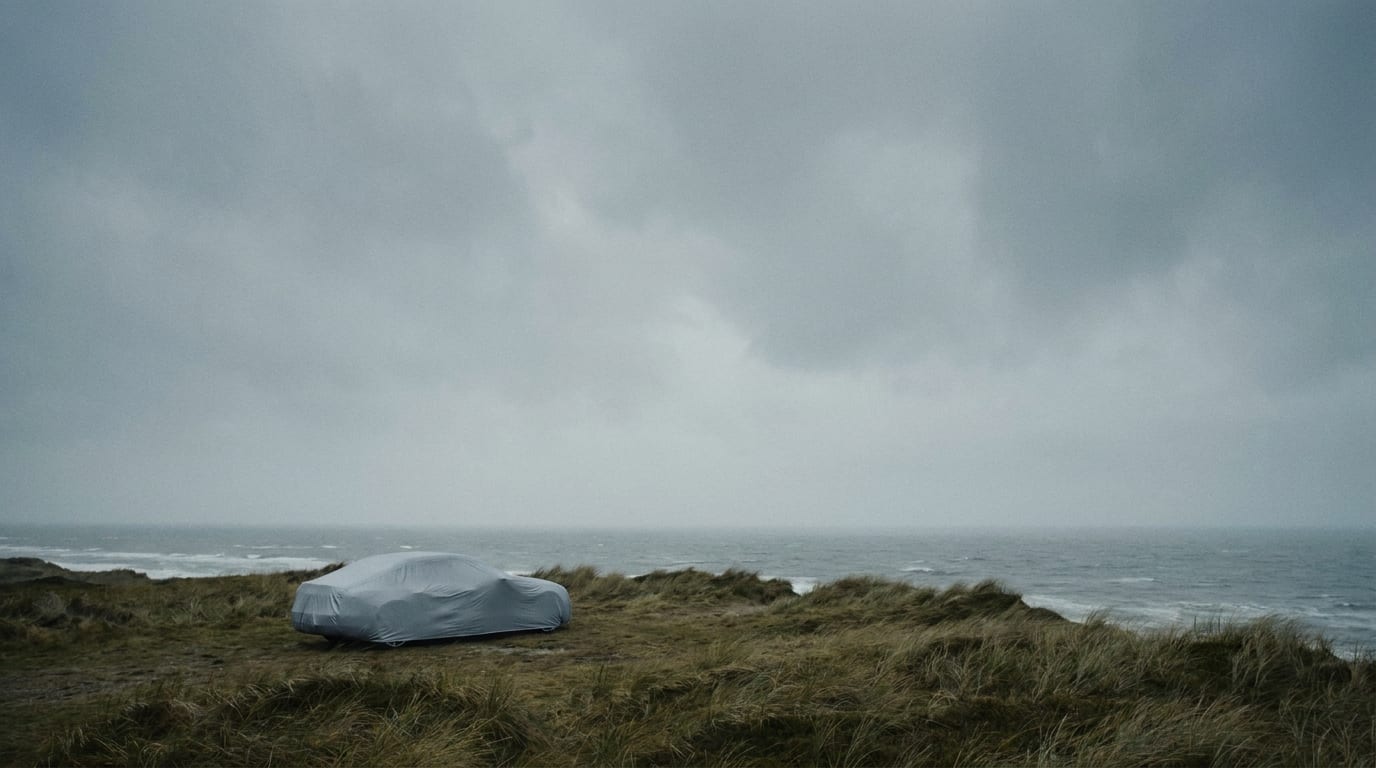
If you have a sedan and live in a coastal area with salty air, what car cover should you buy? Go with a custom-fit outdoor cover made from a breathable, multi-layer waterproof fabric, one with built-in UV inhibitors, a soft non-scratch inner lining, and corrosion-resistant hardware on the grommets, buckles, and straps. That combination matters because breathability stops moisture from getting trapped against your paint (where it accelerates rust and mildew), while the UV and water resistance handle the relentless sun and humidity that coastal zones throw at a parked car. Skip anything that sounds like a glorified tarp. That's the short version, but the material tier you pick matters almost as much as getting the basics right.
Here's how the tiers typically stack up for someone parking a sedan near the ocean:
| Cover Type | Salt/Moisture Resistance | UV Protection | Breathability | Best For |
|---|---|---|---|---|
| Basic outdoor | Low to moderate | Moderate | Limited | Occasional coastal exposure, garage-kept most of the time |
| Deluxe outdoor | Good | Strong | Good | Daily-driven sedans parked outside most nights |
| Platinum/premium weatherproof | Excellent | Strongest available | Excellent | Sedans stored outdoors full-time in heavy salt air |
A basic cover might be fine if your car spends most of its life in a garage and only sees the elements occasionally. But if it's parked outside every night a few blocks from the water, that's a different equation, and the deluxe or platinum tier earns its price difference fast.
One more thing before the deep dive: fit matters just as much as the fabric. A loose, generic-fit cover flaps around in coastal wind, and every flap grinds salt grit straight into your clear coat. A custom-fit car cover that actually matches your sedan's dimensions is the safer buy, full stop.
Why Salt Air Is Harder on Car Covers (and Your Paint) Than Regular Weather
Salt air doesn't look like a threat. No rain, no visible grime, just a breeze off the water. But airborne salt particles settle on every exposed surface of a parked car, cover included, and they pull in moisture even on days that feel bone dry. That's just how salt works: it's hygroscopic, meaning it grabs ambient humidity out of the air. Chrome trim, exposed metal edges, anything not fully sealed starts oxidizing faster than it would fifty miles inland.
Then there's the overnight cycle. A non-breathable cover traps condensation underneath it as temperatures drop, and that moisture doesn't fully evaporate the next day because the salt residue on the surface holds onto it. So you get a loop: damp overnight, still damp by afternoon, damp again by the next morning. Over months, that's exactly the environment mildew and corrosion need.
Add in the sun. Coastal areas usually have less tree cover and more reflective surfaces (water, sand, light-colored pavement), which means UV exposure is more intense than a typical suburban driveway. Cheap cover fabric breaks down under that kind of sustained UV faster than you'd expect, cracking and losing its water resistance well before a comparable inland cover would show wear.
And wind. Coastal wind tends to be stronger and steadier than inland breezes, which changes how a cover needs to be secured, not just what it's made of. A cover that would sit still in a quiet neighborhood might be flapping and working itself loose two blocks from the beach. For a full rundown on handling all of this at once, the guide to using a car cover outdoors covers wind, UV, and waterproofing together.
The Must-Have Features for a Salt-Air Sedan Cover

Start with the fabric. You want a multi-layer woven material that blocks rain and salt spray from the outside while still letting trapped moisture vapor escape from underneath. A plastic tarp-style cover does the opposite: it seals moisture in, which is the last thing you want in a humid, salty environment. This single point is probably the most important answer to "what car cover should I buy" if you live anywhere near the coast.
From there:
- UV-stabilized outer layer. Reflected coastal sunlight is brutal on fabric. A UV-stabilized layer resists the fading and breakdown that cheaper materials suffer within a season or two.
- Soft fleece or microfiber inner lining. Wind carries salt grit, and grit against bare paint under a flapping cover is how clear coats get scratched. A soft lining is cheap insurance against that.
- Corrosion-resistant hardware. Grommets, buckles, straps: if they're standard steel, salt air will rust them out within a season or two. Look for hardware specifically built to resist that.
If you're still deciding between fabric types based on how close you actually are to the water, the material comparison guide breaks down which weave and coating combos handle which conditions. And once you've narrowed down the fabric, a waterproof car cover built specifically for wet, humid climates is the category to be shopping in, not a general all-weather cover that's really optimized for dry heat.
Custom-Fit vs. Universal: Why Fit Matters More Near the Ocean
A snug cover built for your sedan's exact make, model, and body style doesn't flap. That's the whole point. Less flapping means less salt grit grinding into the paint and less fabric fatigue from constant movement. A universal or generic-fit cover, on the other hand, leaves excess material everywhere. More loose fabric means more surface area for wind to catch, and more gaps at the hem where salt-laden moisture can blow underneath and sit there undetected.
Honestly, fit is the part people underestimate most. They'll spend money on a premium fabric and then buy it in a generic "mid-size sedan" size that's actually cut for a car four inches wider than theirs. That extra slack is where all the problems start.
If you're in a windier coastal spot, pair a well-fitted cover with gust straps or a cable lock. It's not overkill. Onshore gusts during a storm can lift even a decent cover if it's not anchored, and once it's flapping loose, you're back to the grit-and-wear problem a custom fit was supposed to solve.
Before buying, confirm sizing properly: year, make, model, and body style, not just "sedan, midsize." A cover labeled universal can still be technically the wrong shape for your car's actual dimensions. The sizing guide walks through how to check this, and a quick cover finder search by your vehicle's exact specs takes the guesswork out entirely.
Care Tips to Stop Salt Buildup From Ruining the Cover Itself
Here's something that gets missed a lot: the cover needs maintenance too, not just the car. In heavy salt-air zones, rinse the cover with fresh water every one to two weeks, whether it's still on the car or off. That rinse dissolves salt crystals before they work into the fabric fibers and embed there permanently.
This matters more here than it would in a dry climate. Salt residue left on fabric keeps attracting moisture even between washes, so you end up with a slow cycle: salt pulls in moisture, moisture feeds mildew, mildew breaks down the fibers faster, and the cycle repeats. A dry-climate owner can get away with occasional cleaning. A coastal owner can't.
When you do wash it, air-dry fully and use a mild detergent, not anything harsh that strips the waterproof coating. That coating is doing real work and it's not worth sacrificing for a slightly faster clean. The full cover cleaning guide has the specifics on detergent types and drying steps if you want to get it exactly right.
Build in seasonal check-ins too, especially right after storm season. Look over the straps, grommets, and seams for early rust spots or fraying. Catching corrosion on the hardware early is a lot cheaper than replacing the whole cover because one strap failed in a gust and the cover blew off and dragged across the pavement.
What to Expect From Durability and Warranty in a Harsh Coastal Climate
Set your expectations honestly: even a genuinely good cover will show wear faster in salt air than the same cover would inland. That's not a defect, that's just the environment. Which is exactly why warranty terms matter more to a coastal buyer than to the average one.
A lifetime warranty typically covers material defects and stitching failures, things that shouldn't happen regardless of climate. What it generally doesn't cover is normal wear from environmental exposure, salt corrosion included. That's an important distinction to go in understanding, because it shapes which tier makes financial sense.
For coastal buyers specifically, it's worth leaning toward the higher tiers, the deluxe or platinum weatherproof options, precisely because the upfront cost difference gets offset by how much slower the material breaks down. A cheaper cover that needs replacing every year isn't actually cheaper once you're buying it three times.
Bottom Line: Protecting a Sedan From Salt Air
If you have a sedan and live in a coastal area with salty air, the answer really comes down to five things: breathable waterproof fabric, a UV-stabilized outer layer, a soft inner lining, corrosion-resistant hardware, and a true-to-model fit. Skip any one of those and you're leaving the door open for rust, mildew, or a scratched clear coat down the line.
Don't guess on sizing. Run your car's year, make, and model through a cover finder tool so you're matching the cover to your sedan's actual dimensions, not a rough size category.
If you're still comparing options, it's worth browsing a few car covers built for outdoor, high-humidity use before deciding. No pressure, just worth seeing what's actually out there before you commit.






