I Have a Sports Car and Live Somewhere With Heavy Spring Pollen — What Car Cover Should I Buy?
Published
The Quick Answer: Best Car Cover for a Sports Car in Heavy Pollen Season

If you have a sports car and live somewhere with heavy pollen in spring, what car cover should you buy? Go with a custom-fit, breathable outdoor cover that has a soft, non-abrasive inner lining and a water-resistant (not fully sealed) outer shell. That combination keeps pollen from grinding into your clear coat while still letting trapped moisture escape before it turns into a problem.
Two choices trip people up every spring. The first is a universal-fit tarp-style cover. It never hugs the body right, so pollen just blows in underneath and settles against the paint anyway. The second is a fully waterproof, sealed cover. It sounds like the safer bet, but sealed fabric traps condensation, and condensation plus pollen equals a sticky, slightly acidic paste sitting on your finish all week.
Here's how the main options stack up for this exact situation:
| Cover Type | Pollen & Dust Blocking | Breathability | Water Resistance | Fit Precision (Low Cars) | Best Use Case |
|---|---|---|---|---|---|
| Basic outdoor cover (universal) | Moderate | Moderate | Moderate | Poor | Occasional outdoor parking, mild climates |
| Custom-fit all-weather cover | High | High | High (not sealed) | Excellent | Daily-driven sports cars parked outside |
| Indoor/soft cover | High (indoors only) | High | Low | Good | Garage-kept cars needing dust protection |
For most daily-driven sports cars that spend spring sitting in a driveway or carport, a custom-fit car cover built for outdoor use is the top pick. If your car lives in a closed garage and just needs protection from dust drifting in when the door's open, an indoor cover does the job for less money and less bulk.
Why Spring Pollen Is Tougher on a Sports Car's Finish Than You'd Think
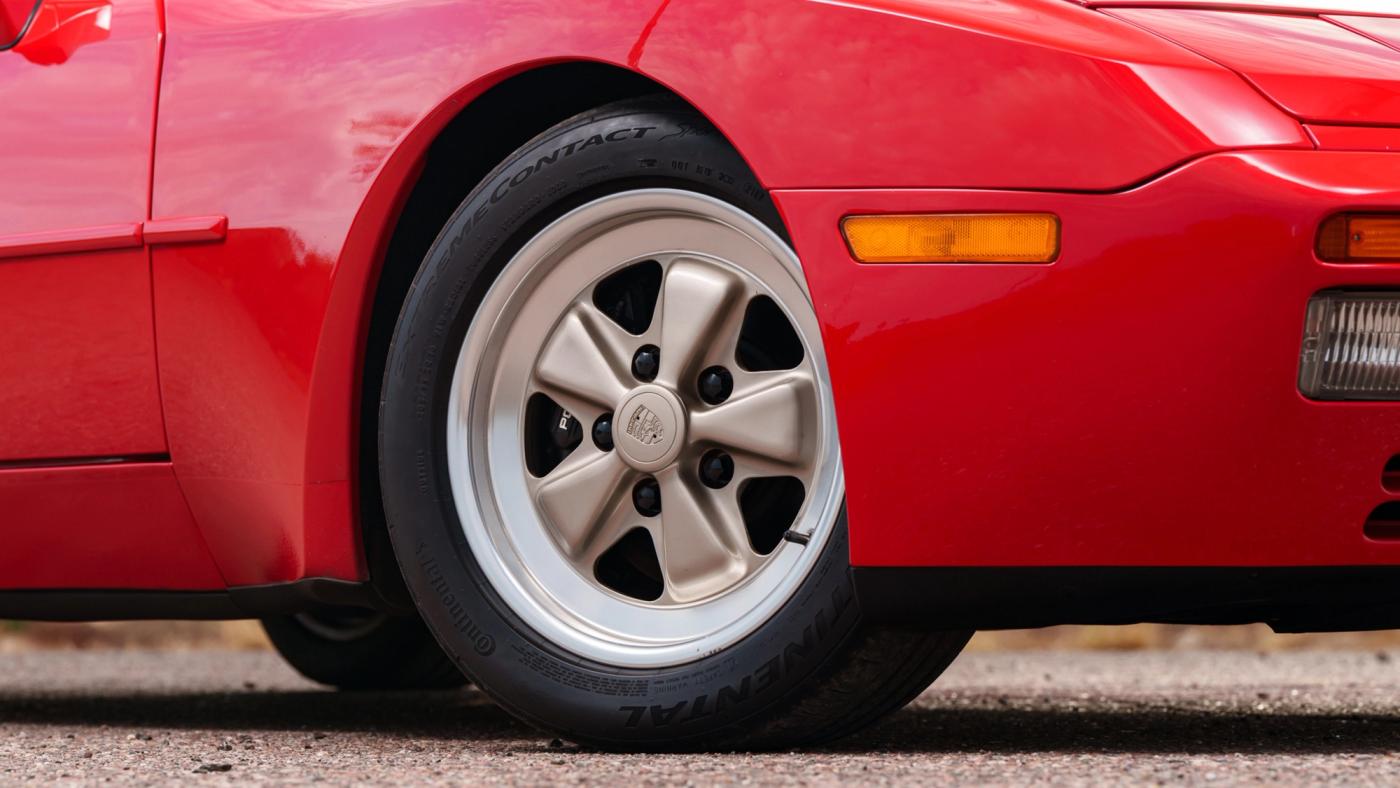
Pollen looks harmless. It's not. Under a microscope, those grains are small, irregular, and surprisingly hard-edged. Sitting still, they're fine. Disturbed by wind, a wiper blade, or someone wiping the hood with a rag, they behave like light sandpaper dragging across your clear coat.
It gets worse with moisture. Morning dew or a light spring shower mixes with pollen to form a thin film, and that film is mildly acidic. Left sitting for a few days during peak tree pollen weeks, it can actually etch into the clear coat rather than just sitting on top of it. This is the part most owners don't realize until the damage is already done.
Sports cars have it worse than your average SUV, too. Low hoods, flat decklids, hatch glass angled just enough to collect rather than shed. All that exposed horizontal surface area is basically a landing pad for pollen, and it accumulates faster than on a taller vehicle with more vertical bodywork.
If your car has paint protection film, a vinyl wrap, or a matte finish, the stakes are higher still. Those surfaces don't tolerate repeated dry wipe-downs well, and pollen season means you'll be tempted to wipe constantly if you're not covering the car. Prevention here is a lot cheaper than correction, and correction on PPF or matte paint isn't simple or cheap.
The Four Features That Matter Most in a Pollen-Season Cover

Not every cover sold as "outdoor" is built the same. For pollen season specifically, four things separate a cover that actually works from one that just looks the part.
First, breathable, multi-layer woven fabric. It needs to block fine pollen and dust on the outside while letting moisture vapor pass through from underneath. A cover that can't breathe traps humidity against the paint, and that's when pollen residue starts to bake in rather than just brush off.
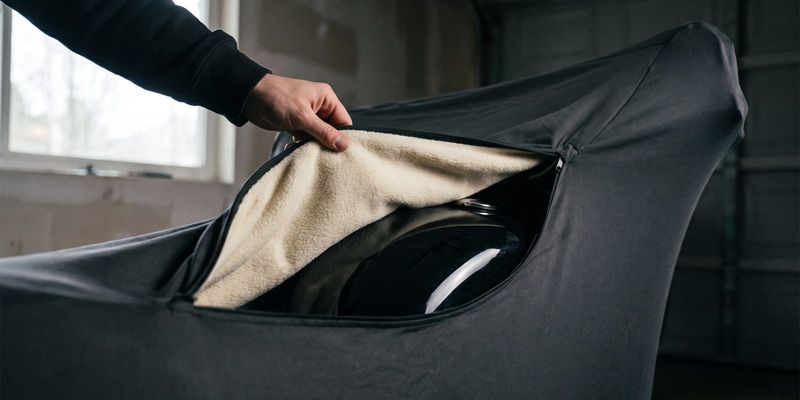
Second, a soft microfleece or flannel inner lining. Every time wind shifts the cover or you pull it off for a drive, the inside surface rubs against the paint. If that lining is coarse, you're basically using the cover itself as the abrasive. Checking which material a car cover is made from before buying is worth the five minutes it takes.
Third, water resistance, not full waterproofing. You want the cover to shed a light spring shower, not seal moisture in like a greenhouse on a warm, humid afternoon. This distinction trips a lot of buyers up, and it's covered in more detail in this guide to using a car cover outdoors.
Fourth, UV-stabilized fabric. Pollen season means more on-and-off handling as you cover the car between drives, and more total sun exposure days while it sits. A cover that degrades under UV won't hold its water resistance or its shape for long.
Garage, Carport, or Driveway: Match the Cover to Where You Park
Where the car actually sleeps changes the answer more than people expect.
Garage-kept car? A lighter indoor/soft cover is plenty. You're not fighting wind-driven pollen, just the dust that drifts in whenever the door goes up. No need to pay for storm-grade waterproofing you'll never use.
Carport or covered patio? Step up to a mid-weight breathable outdoor cover. You've got some exposure to blown-in pollen and the occasional gust of wind-driven rain, but you're not dealing with full sun or standing water. This tier handles it without overkill.
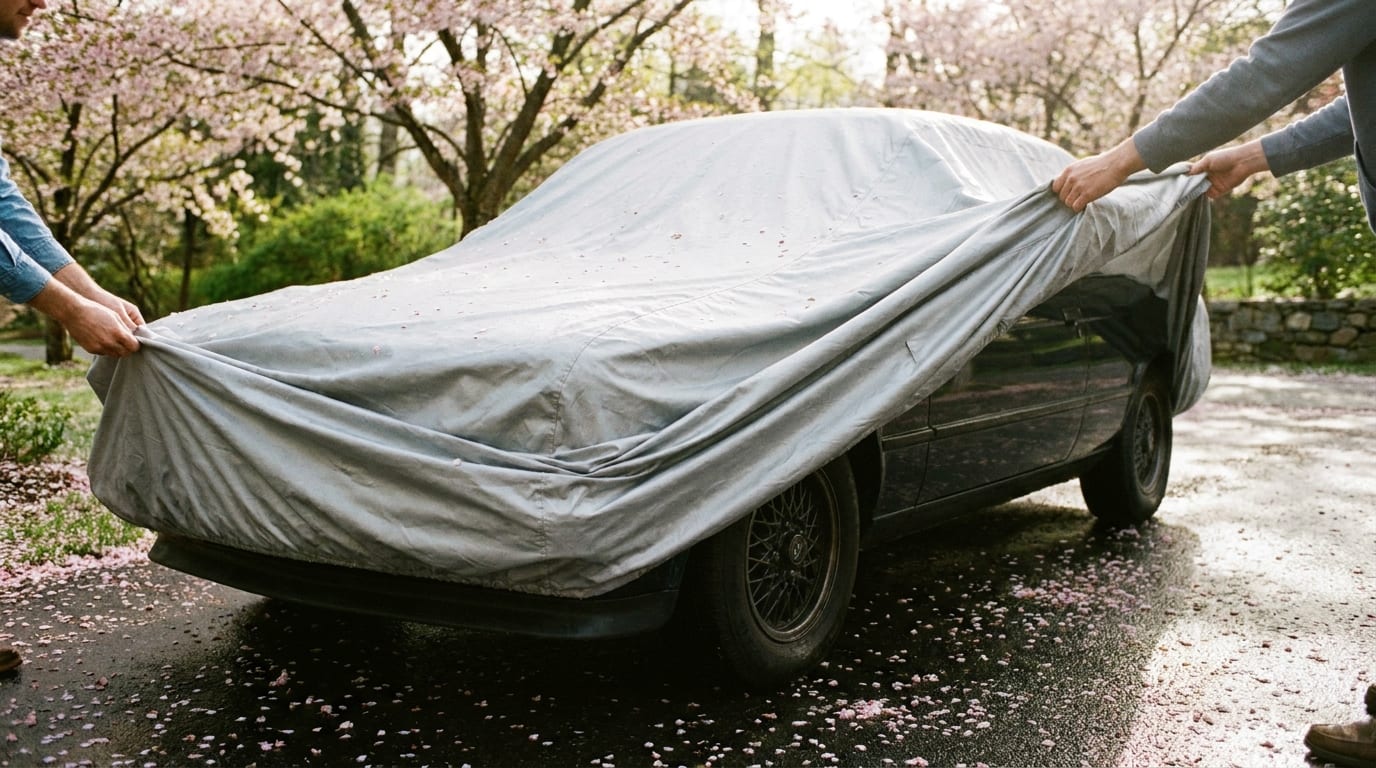
Driveway or street parking with real sun and tree exposure? This is where the custom-fit all-weather cover earns its price. You want UV resistance built in, plus a cable lock or wind strap so the cover stays snug against the body. Loose edges flapping in the wind are exactly how pollen sneaks underneath and settles against the paint, which defeats the whole purpose of covering the car.
Not sure which tier actually fits your exposure? Reading through the specifics on outdoor car cover waterproofing and UV protection before you buy saves you from either overspending or underprotecting.
Fit Matters More on a Sports Car: Low Clearance, Spoilers, and Mirror Pockets
A loose, universal cover is bad everywhere, but it's especially bad on a sports car. It flaps. It gaps at the rocker panels and wheel wells. And those gaps are exactly where pollen and road grit blow in and sit against the paint, which is the one thing you bought the cover to prevent.
Custom-fit covers are cut around the actual shape of your car, low front splitter, rear spoiler, side mirrors and all. That means the fabric sits close to the body instead of sagging onto trim pieces that scuff easily. Mirror pockets and antenna patches sound like small details, but on a car with factory or aftermarket mirrors and a short antenna, they're the difference between a cover that fits and one that's constantly shifting out of place.
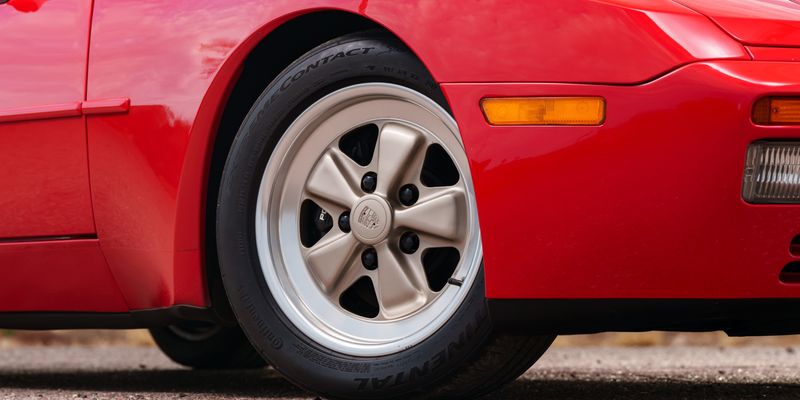
A Porsche with a low front splitter, a Corvette, a Mustang: none of these fit a generic sedan-shaped pattern, not really. If you drive something like a 911 or Cayman, it's worth looking at a cover built specifically for Porsche rather than hoping a one-size-fits-most option gets close enough. And if you're unsure what size or pattern your car actually needs, running it through a car cover sizing guide is a faster way to get it right than guessing from the product photos.
Keeping the Cover Itself Pollen-Free (Care Routine)
Here's the part people skip: the cover itself needs maintenance during peak pollen weeks, or it starts working against you.
Shake it out, or give the exterior a quick rinse, every week or two while pollen counts are high. Do this before folding it up. Dried pollen pressed into the lining during storage gets transferred right back onto your paint the next time you put the cover on.
The cleaning routine itself is simple: a cool rinse, mild soap, and a full air dry before you store or reinstall it. Skip the hot dryer. Heat can damage the water-resistant coating that's doing a lot of the work here. There's a full walkthrough in this step-by-step guide to cleaning a car cover if you want the specifics, and the cover care basics page covers general upkeep too.
And skip the tarp. It's a tempting shortcut, but a tarp has no soft lining and no breathability, so it traps moisture against the paint and grinds pollen in rather than keeping it off. The reasons are laid out in more detail in why a tarp isn't a substitute for a real car cover.
One more thing worth factoring in: a cover under a solid warranty matters more in pollen-heavy climates, simply because the fabric gets handled and washed more often over a season than it would somewhere milder. Checking the warranty coverage before you buy isn't a bad idea.
Bottom Line: Protect the Finish Before Pollen Season Peaks
So if you have a sports car and live in a place with heavy pollen in spring, the car cover you want is custom-fit, breathable, water-resistant (not sealed), and lined with something soft enough not to scratch the paint it's supposed to protect.
Don't guess at a universal size and hope for the best. Measure your specific make and model. Fit is the single biggest factor in whether pollen actually stays off your car or just finds a new way in.
If you're not sure where to start, browse custom-fit car cover options and run your vehicle through a sizing tool before pollen season really kicks in. A little prep now beats a clear coat correction later.