Indoor Car Cover for a Chevrolet Trailblazer: Fit, Sizing, and What to Look For
Published
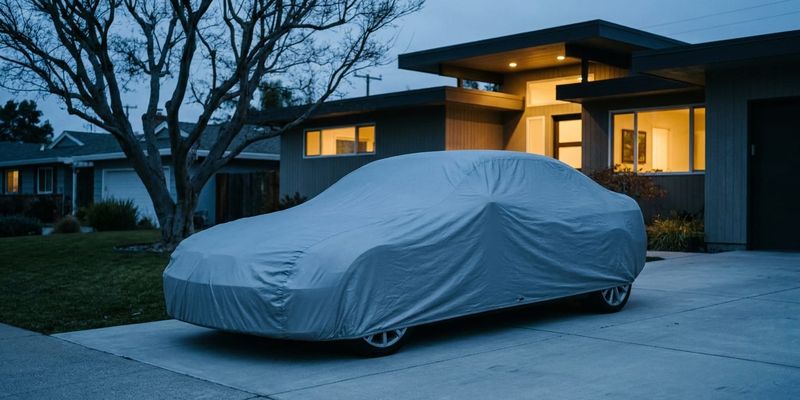
Your Trailblazer lives in the garage. That doesn't mean it's safe. Dust settles, pollen drifts in through the open door, and anything leaning against the wall nearby (a bike, a shelf, the occasional errant rake) is one bump away from a scratch. An indoor car cover for a Chevrolet Trailblazer handles exactly this kind of low-grade daily risk, and it's a different product than what you'd use outside. Getting the fit right matters just as much indoors as out, maybe more, since a sloppy fit defeats the point of covering the car in the first place.
Why a Trailblazer Needs Indoor-Specific Protection
People assume garaged means protected. It's not, not fully. Dust is constant. Pollen gets tracked in on shoes and through cracked windows. If you've got a bike rack, storage shelving, or a dog that likes to jump up against the bumper, your Trailblazer is picking up fine scratches and hair it doesn't need.
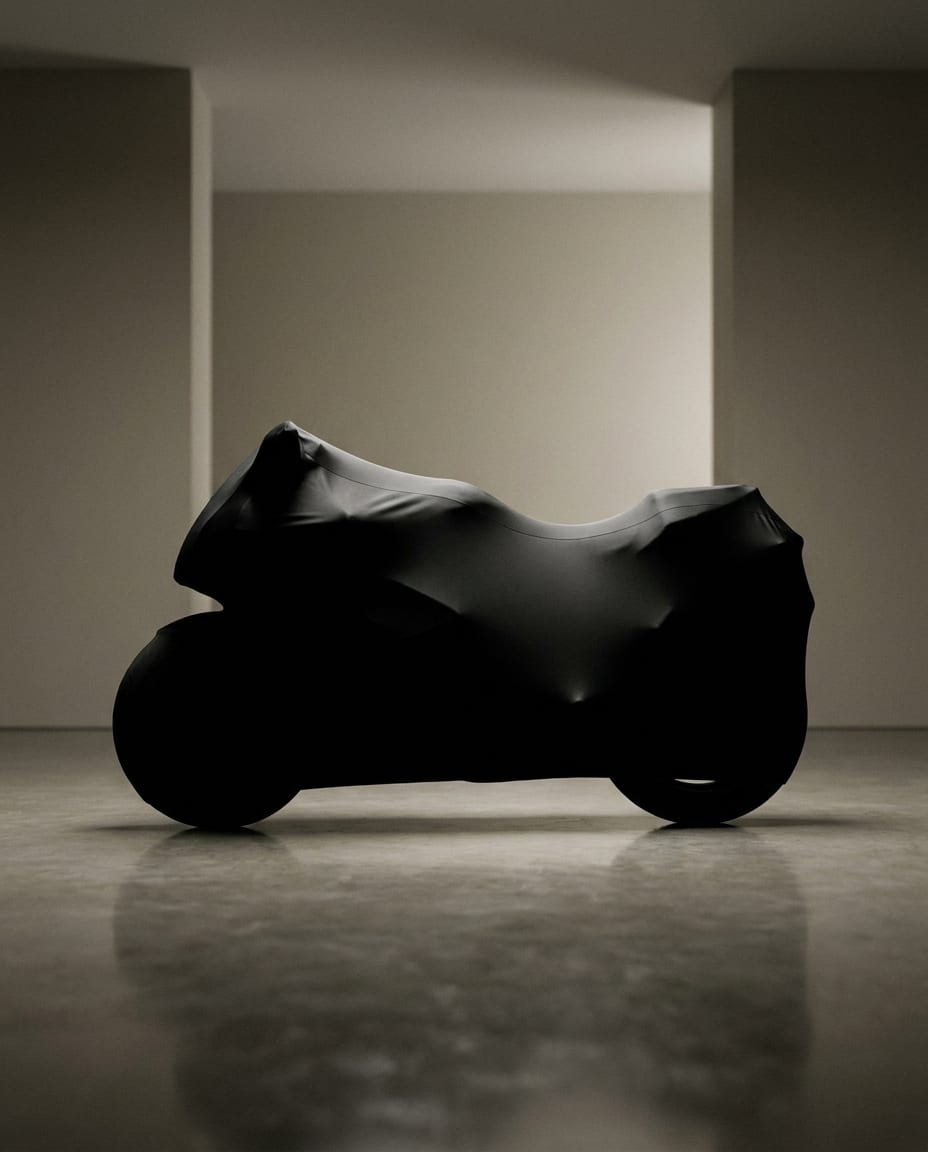
An indoor cover is built for that specific, smaller set of threats. It's lighter than an outdoor cover, made from a softer, breathable fabric instead of thick weatherproof layers. There's no rain to block, no UV to fight off, so the material can prioritize being gentle on paint and easy to live with instead of bulletproof against the elements.
This article isn't trying to crown one cover "the best." It's about understanding fit and sizing well enough that whatever indoor car cover for your Chevrolet Trailblazer you end up buying actually does its job.
Why Generic Trailblazer Fit Claims Are Risky
"Trailblazer" isn't one car. Chevy has used that name across multiple body styles and generations, from the original midsize SUV to the compact crossover sold more recently. A cover sized for one isn't guaranteed to sit right on the other, even though the badge on the back says the same thing.
Here's what happens when fit is off. Too much slack, and the cover bunches up on the garage floor, dragging and collecting dirt. Too tight, and you get stress points pulling at the mirrors or straining across the roofline. Either way, gaps show up near the bumpers where dust and pet hair sneak right in, which is the exact thing you bought the cover to stop.
The fix isn't complicated, but it does take a minute: check your actual vehicle dimensions, year, and trim against a real sizing resource instead of assuming the model name alone tells you enough.
How to Size an Indoor Cover Correctly
Three things actually drive sizing: model year, trim or body configuration, and whether your Trailblazer has factory extras like roof rails or a spoiler. Skip any of those and you're guessing.
A good size guide takes those inputs and translates them into a cover size without you having to eyeball it. CarCovers' sizing guide and the coverfinder tool are built to do that matching for you, plugging in your Trailblazer's specifics and pointing you to the size that actually fits, rather than the one that fits "most" SUVs in that class.
Worth knowing going in: universal-fit covers and custom or semi-custom covers approach sizing differently. A universal cover is cut to a size range meant to work across several vehicles, with more give built in by design. A custom-fit cover is shaped to your specific vehicle's contours. Neither is automatically wrong for indoor use, but you should know which one you're buying before you start comparing prices, because the fit expectations aren't the same.
What to Look For in an Indoor Car Cover
Material comes first. You want something breathable with a soft lining, not a stiff or rubberized fabric that traps moisture against the paint during long stretches in storage. Indoor covers sit on the car for days or weeks at a time, so anything that holds moisture is working against you.
Fit at the pressure points matters too. Mirrors, antenna, wheel wells. These should sit snug, not stretched thin, so the cover doesn't shift if someone brushes past it or a bike handlebar taps the side. A cover that slides around is a cover that's not really protecting anything.
Elastic hems or cinch points at the bottom edge keep things anchored. Indoor covers don't need the cable locks or ground straps an outdoor cover relies on against wind, since wind isn't the problem in a garage. Simple elastic does the job.
And don't overlook how easy the thing is to fold and put away. You'll be handling an indoor cover more often than an outdoor one, pulling it off before a drive, putting it back on after. If it's a wrestling match every time, it's a cover you'll eventually stop using.
For reference on what "indoor use" actually requires day to day, the guide to using car covers inside walks through the specifics in more depth. There's also a satin-finish indoor cover option worth a look if you want something built specifically for this kind of storage.
Fit Checklist Before You Buy
Before you check out, run through this:
- Confirm the model year and trim actually match what the cover is listed for. Not "close enough," actually match.
- Check for factory add-ons: roof rack, spoiler, running boards. Any of these change how a cover drapes and can leave gaps if the listing doesn't account for them.
- Use the size guide and coverfinder tool rather than eyeballing it against a similar-looking SUV in the parking lot.
- Read the retailer's fit guarantee or return policy. If the size is off once it arrives, you want an easy path to exchange it, not a fight.
Skipping any one of these is how people end up with a cover that technically fits "a Trailblazer" but not theirs.
Caring for an Indoor Cover Long-Term
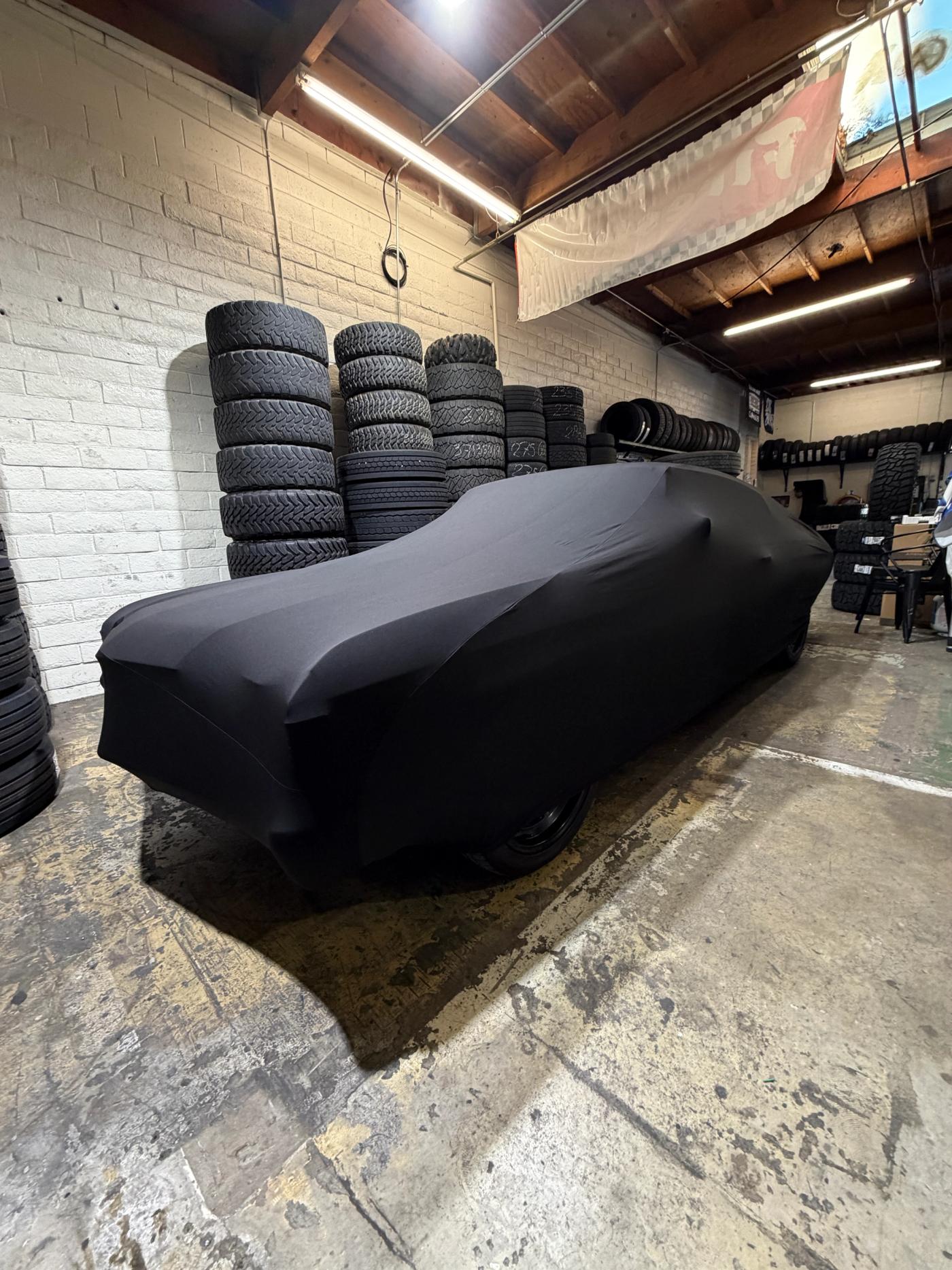
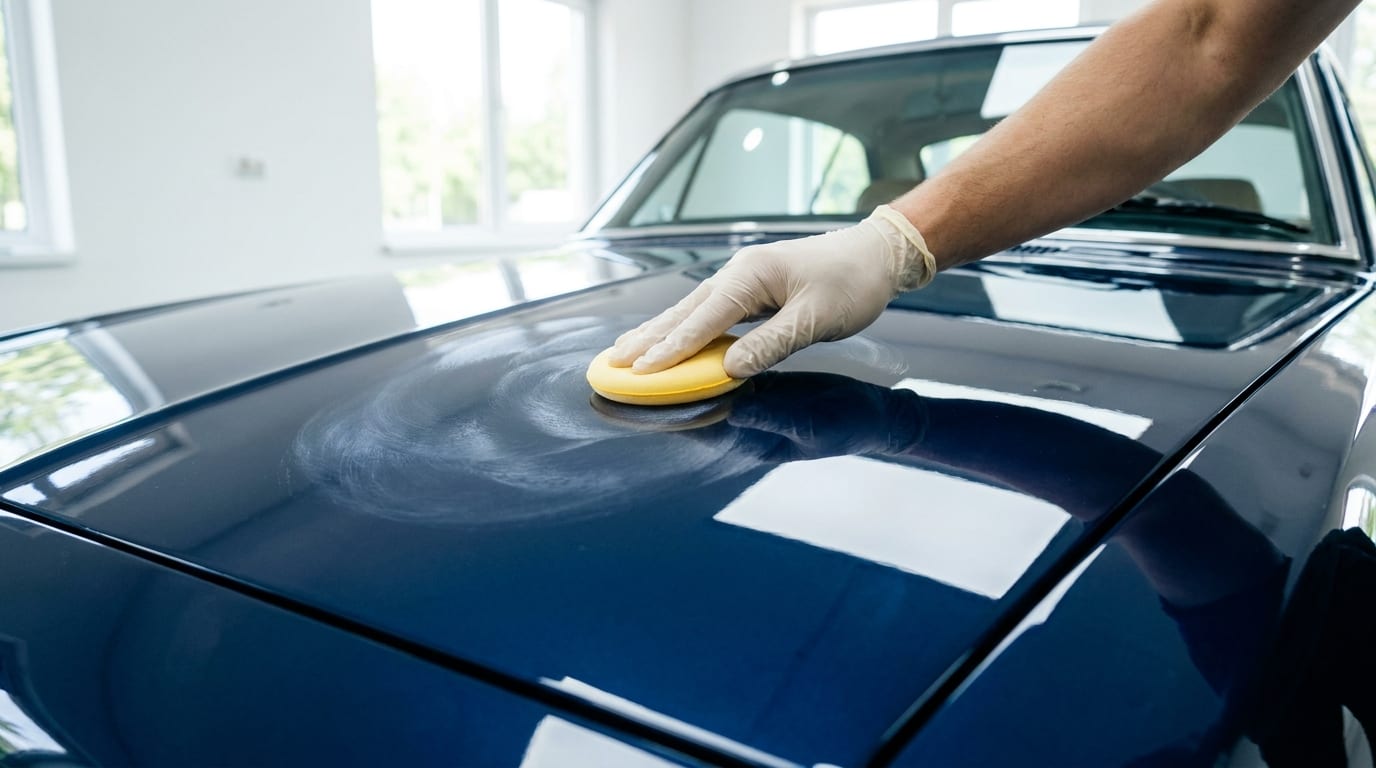
Indoor covers don't need cleaning as often as outdoor ones, no argument there. But "less often" isn't "never." Dust builds up on the inside and outside of the fabric even in a closed garage, and letting it sit just means more wear on the paint every time you drape the cover back on.
A quick wash every so often keeps the fabric doing its job. The guide to cleaning a car cover walks through the actual steps so you're not guessing at what detergent or method is safe for the material.
Folding matters more than people think, too. Jam the cover into a bag the wrong way every time and you'll set creases that affect how it drapes over the car next time around. Takes thirty extra seconds to fold it properly. Worth it.
Where to Go Next
Getting this right isn't complicated, it just takes a little more care than grabbing the first listing that says "Trailblazer" on it. Confirm your year and trim, check real sizing instead of assuming, and pick a material that's actually built for indoor conditions rather than one designed to fight off rain and sun it'll never see.
If you want to browse what's available for your specific Trailblazer, the Chevrolet SUV cover lineup is a good place to start. And before you commit to a size, run your vehicle through the size guide or coverfinder tool. It takes a couple of minutes and saves you the hassle of sending a mis-fitted cover back.
Want more guides like this one before you buy? Stick around and explore the rest of our car cover articles, we're adding to them regularly.