


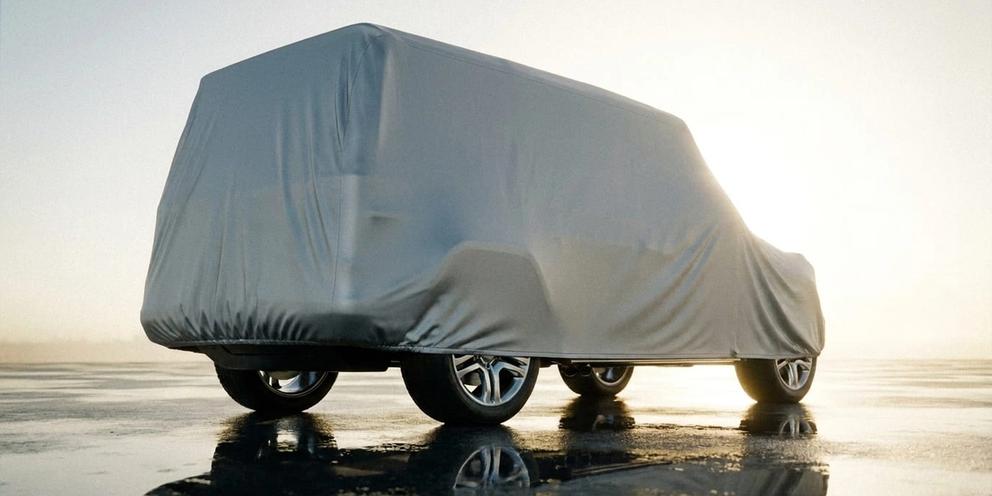
The Best Car Cover for a Nissan Rogue: Custom Fit, Sizing & Buying Guide
Why Your Nissan Rogue Needs a Purpose-Built Cover
If you're comparing options for a car cover for a Nissan Rogue, you're probably already past the "do I need one" question. Good. Here's the thing that trips people up next: the Rogue isn't one shape. A 2010 first-gen, a 2018 second-gen, and a 2023 third-gen all sit differently, ride at different heights, and carry different rooflines. A cover cut for one won't sit right on another.
Get the fit wrong and you'll see it fast. UV rays bake through a loose cover and fade the clear coat anyway. Tree sap and bird droppings sit on exposed panels and etch into the paint before you notice. Water pools in the slack fabric on top, finds a seam, and seeps through overnight. None of that is dramatic, it's just slow damage that adds up over a few seasons.
This guide walks through the whole decision: fit type first, then sizing by generation, then which protection tier actually matches your climate, then the features and policies worth checking before you pay. If you already know your Rogue's year and just want to order, the Nissan-specific cover page has the custom-fit options ready to go. Everyone else, keep reading.
Custom-Fit vs. Universal Cover for the Rogue
Universal covers are sized by broad categories like "SUV medium" or "SUV large." That works fine on paper. In practice, it means slack fabric everywhere a Rogue doesn't perfectly match the average SUV the cover was designed around, and the Rogue's mirror shape, antenna position, and (on 2021+ SL and Platinum trims) rear spoiler clearance don't match "average" particularly well.
A custom-fit car cover is patterned to the Rogue's actual body lines for its specific generation. Mirror pockets land where the mirrors actually are. The hem follows the real contour instead of guessing at it.
That accuracy matters most in bad weather. A snug cover resists wind lift because there's nowhere for gusts to grab and flap loose fabric. A universal cover, with its extra room built in for a range of vehicles, is more likely to shift, ride up, or get blown half off in a storm unless you add extra strapping to compensate.
It also matters at the ends of the vehicle. Front and rear overhangs are where universal covers commonly come up short, literally, exposing the bumper or the hatch to exactly the weather you bought the cover to block. Custom-fit closes that gap because it's built to the Rogue's actual length, not a rounded-off estimate.
Yes, custom-fit costs more upfront. But it's matched to your exact Rogue generation and body style, which cuts down the odds you're returning or exchanging it because the fit's off. If you're keeping the Rogue long-term or it lives outside most nights, custom-fit is the one that makes sense as a default, not a splurge.
Nissan Rogue Car Cover Fit & Size Chart by Model Year
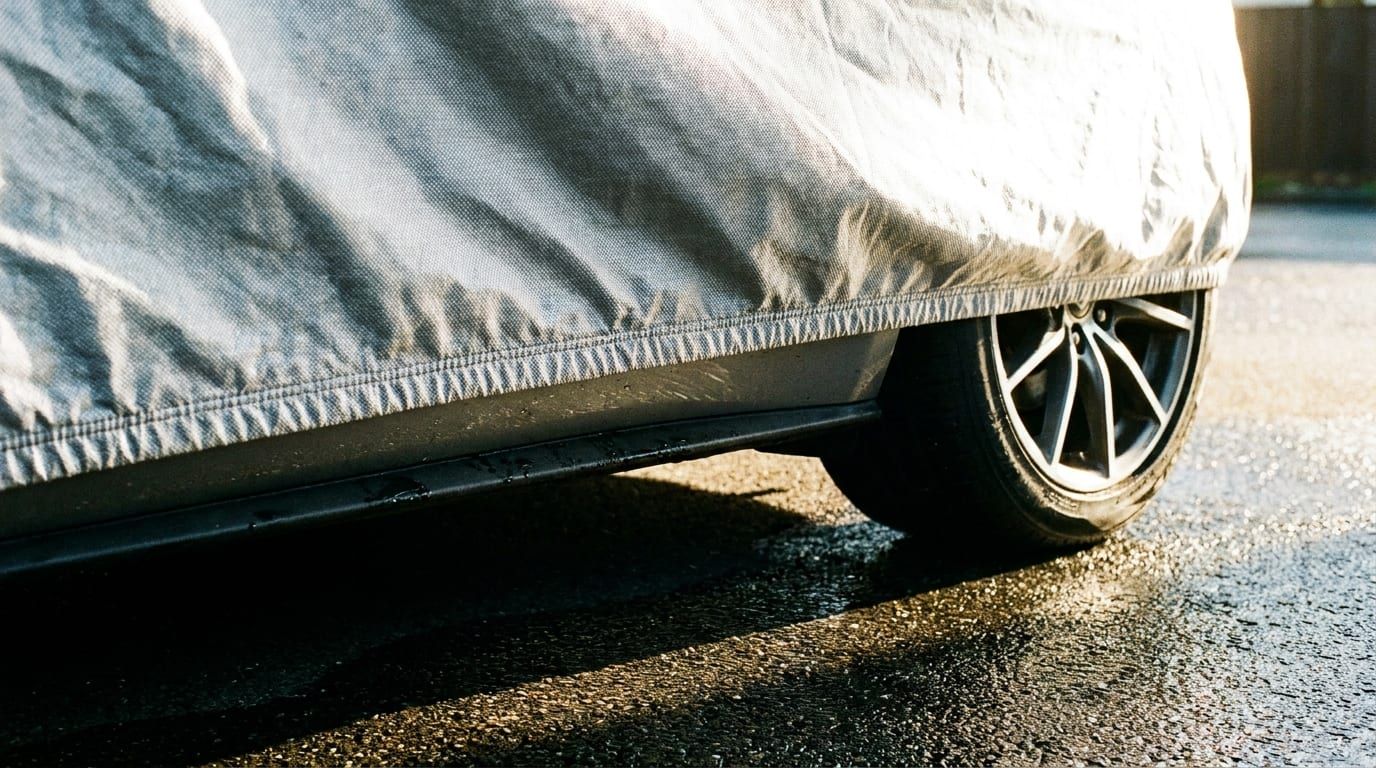
Rogue dimensions shifted more between generations than most owners realize. Here's the breakdown:
2008-2013 (First Generation, S/SV/SL)
- Approx. length: Shortest of the three generations
- Fit notes: Lower roofline than later Rogues, more compact overall footprint, straightforward mirror and hatch shape
2014-2020 (Second Generation, includes Rogue Sport variants where relevant)
- Approx. length: Longer than first-gen, with a slightly taller stance
- Fit notes: Rogue Sport shares some body language with the standard Rogue but isn't identical dimensionally, worth confirming which one you have
2021-Present (Third Generation)
- Approx. length: Longest body of the three generations
- Fit notes: More pronounced rear spoiler, mirror placement was revised from prior gens, which means mirror pockets need to match this specific body style, not an older one
The takeaway: don't eyeball your measurements against a spec sheet and assume you're covered. Roof rails, spoilers, and trim-level add-ons shift the fit enough to matter, even within the same generation. Confirm your exact model year and trim at checkout on the Nissan Rogue cover page, and if you're not sure which generation you're dealing with, the size and fit lookup tool will sort it out faster than guessing.
Choosing the Right Protection Level for Your Climate
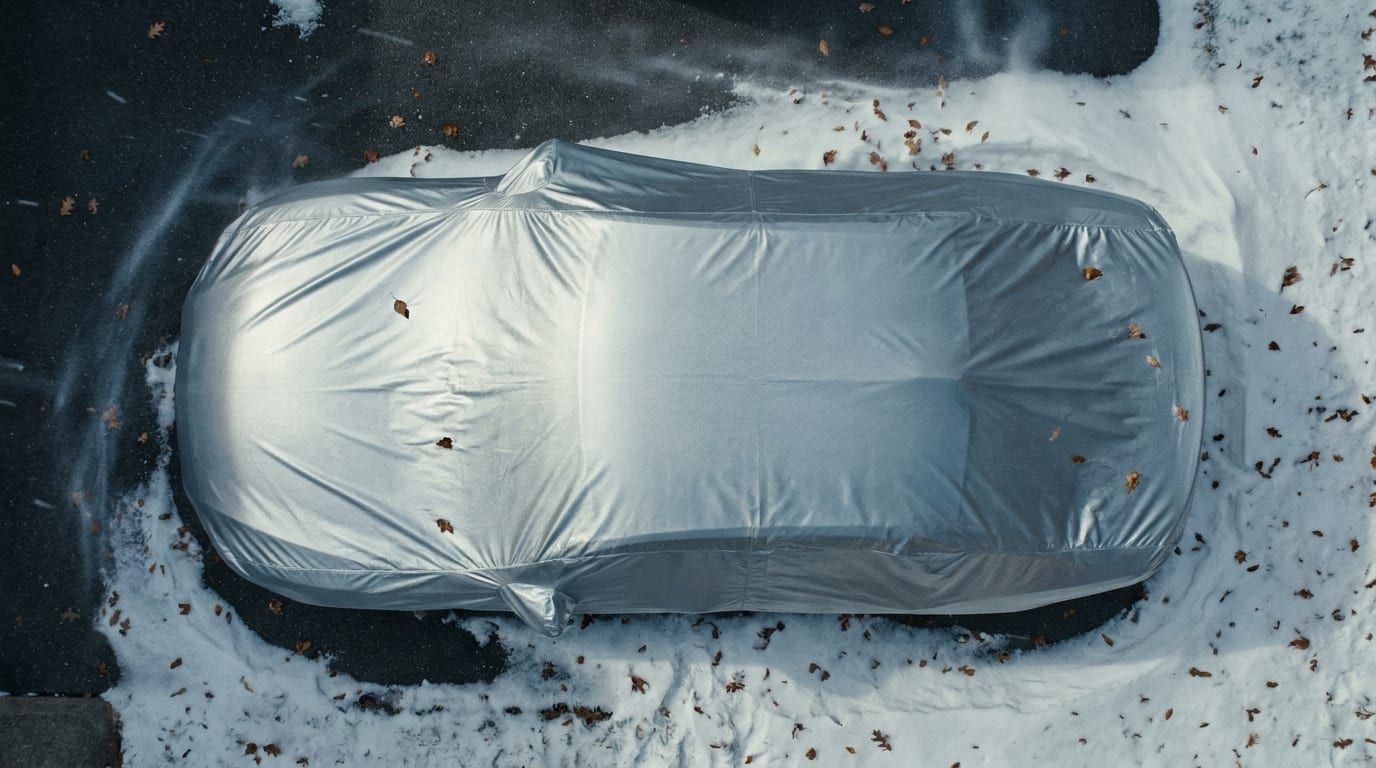
Fit is half the equation. The other half is picking a fabric tier that matches where your Rogue actually spends its nights, not the worst storm you can imagine happening once a year.
Park outside daily, rain or sun? You want a waterproof, UV-resistant outdoor cover. Multi-layer fabric is what stops the fading and the moisture intrusion that a single-layer cover just can't handle over time.
Garage or carport most nights? You don't need the heavy-duty shell. A lighter, breathable indoor cover, something like a satin-style fabric, handles dust and minor scratches without trapping heat or moisture against the paint.
Live somewhere hail shows up more than once a decade? Step up to a hail-rated, padded cover. The extra cushioning is the difference between a cover that deflects impact and one that just delays it.
Mixed climates, snow in winter, salt air near the coast, humidity that never quite lets up, call for a heavier all-weather tier with reinforced seams and elastic hems that actually seal against the elements instead of just resisting them.
Simple rule: buy for where the Rogue sleeps most nights. If it's outdoors 300 nights a year and garaged for the other 65, buy the outdoor cover. Don't buy the indoor one because it's cheaper and hope for the best.
What's Included: Features That Matter on a Rogue Cover
Not all covers at the same price point are built the same. A few features are worth checking for specifically before you buy.
An elastic hem or cinch cord at the bottom edge keeps the cover snug around the Rogue's rocker panels instead of billowing in the wind. Reinforced grommets paired with included tie-down straps give you a way to secure the cover in genuinely windy areas, rather than relying on the hem alone. Double-stitched seams at the roofline and hatch area, the two spots that take the most stress over years of folding, draping, and wind exposure, are what keep a cover from tearing at exactly the point you need it most.
Beyond the base cover, a few add-ons are worth factoring into your decision: a cable and lock for anti-theft, a storage bag for compact off-season storage, and antenna patch compatibility if your Rogue has a shark-fin or mast-style antenna (most 2021+ models do). Some tiers throw in a free care kit, which sounds minor until you compare total prices across brands and realize you'd have paid for cleaning supplies separately anyway.
Installation, Cleaning & Care for Your New Cover
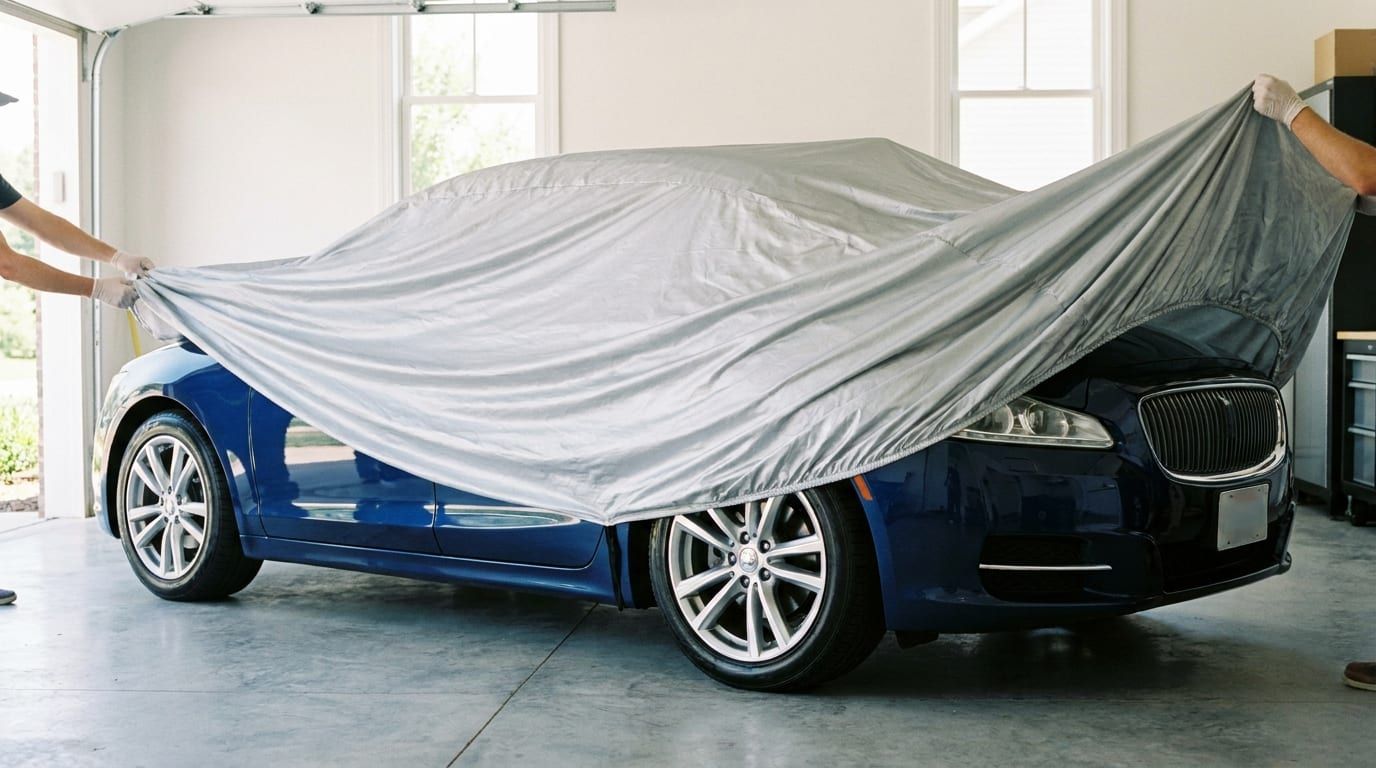
Getting the cover on right takes a few minutes, not a project. Drape it front-to-back, seat the mirror pockets so they sit over the actual mirrors instead of near them, cinch the hem snug around the rocker panels, then attach any gust straps or the cable lock if you're using one.
If you're somewhere with consistent wind, don't skip the gust strap installation. It's a five-minute add that stops the cover from shifting overnight, which is usually how covers end up half off the car by morning. For a full walkthrough of the process, the installation guide covers it step by step.
Cleaning is simple and it's easy to get wrong. Rinse and air-dry. Don't machine-wash. A washing machine's agitation and heat can strip the waterproofing and UV coating that you're paying for in the first place, and once that's gone, it's gone. The cover care guide has the full cadence if you want specifics.
None of this is optional if you care about the warranty. Improper installation or cleaning is exactly the kind of thing that can complicate a claim down the line, so getting the routine right protects both the cover and your coverage.
Warranty, Guarantee & Shipping: What You're Actually Buying
A lifetime warranty against manufacturing defects means the fabric and stitching are covered for as long as you own the cover, not just the first year. That's worth knowing before you buy, not after something goes wrong.
If the fit doesn't match your Rogue the way you expected, the no-hassle guarantee and return policy exist so a wrong-size order isn't money lost. That's a real difference from ordering a generic cover somewhere with no clear return path.
Shipping has a processing window before it ships, so don't order the week of a storm and expect it to arrive by Thursday. Order with a little lead time, especially for seasonal needs.
Together, the warranty and guarantee are the risk-reducers that make paying more for custom-fit make sense. You're not just buying fabric, you're buying the assurance that a mismatched order gets fixed instead of shrugged off.
Ready to Order Your Nissan Rogue Cover
Recap: confirm your Rogue's exact model year and generation, pick a protection tier that matches your actual climate (not your worst-case scenario), and decide if you want straps, a lock, or a storage bag added on.
From there it's a quick order. Head to the Nissan Rogue custom-fit product page, select your year, and you're done. If you're heading into storm season, an early freeze, or a stretch of outdoor storage, order now rather than after the first bad night. And if the fit's somehow off once it arrives, the warranty and no-hassle return policy mean that's a fixable problem, not a wasted purchase. Worth browsing the SUV covers category too if you're outfitting more than one vehicle, or just want to see what else is out there before you commit.
Updated