The Best Car Cover for a Pickup Truck in a Coastal Area with Salty Air
Published
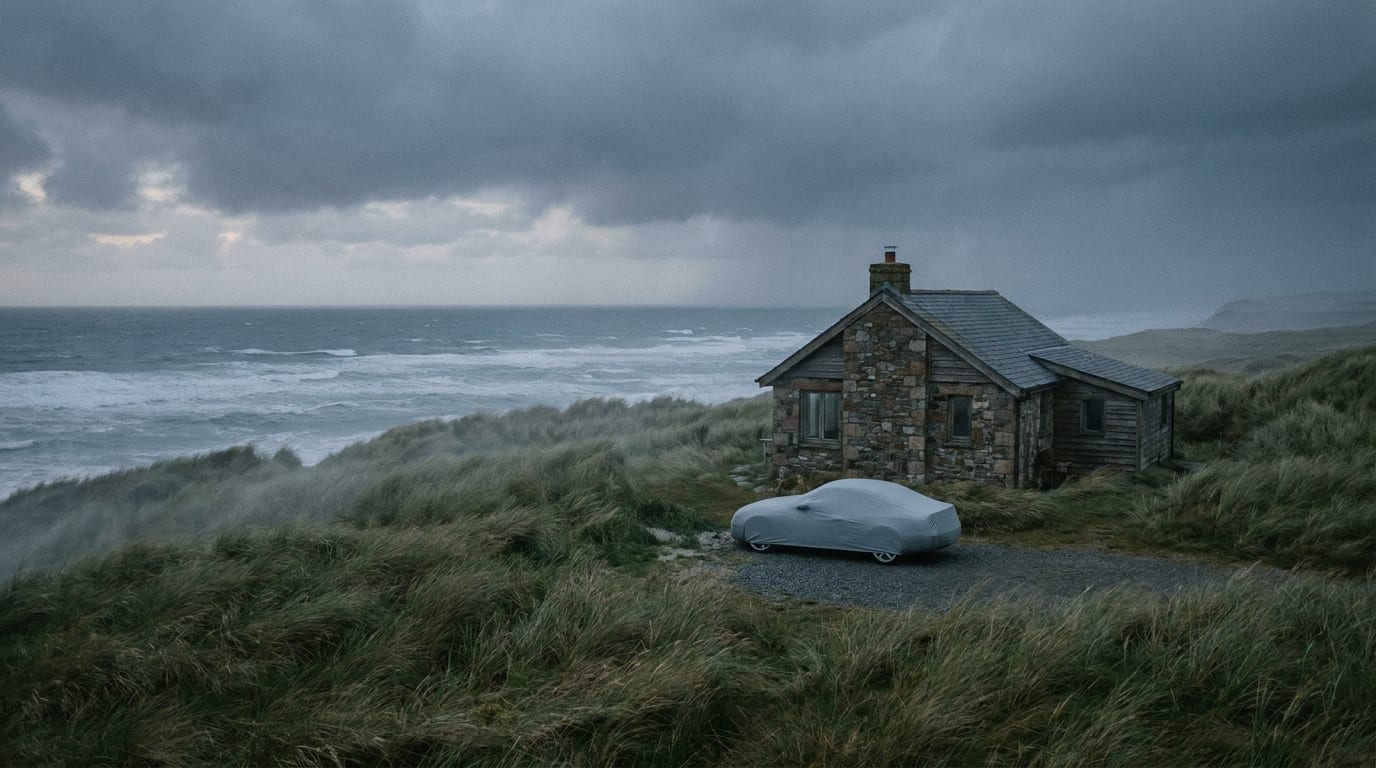
The Quick Answer: Best Car Cover for a Coastal Pickup Truck
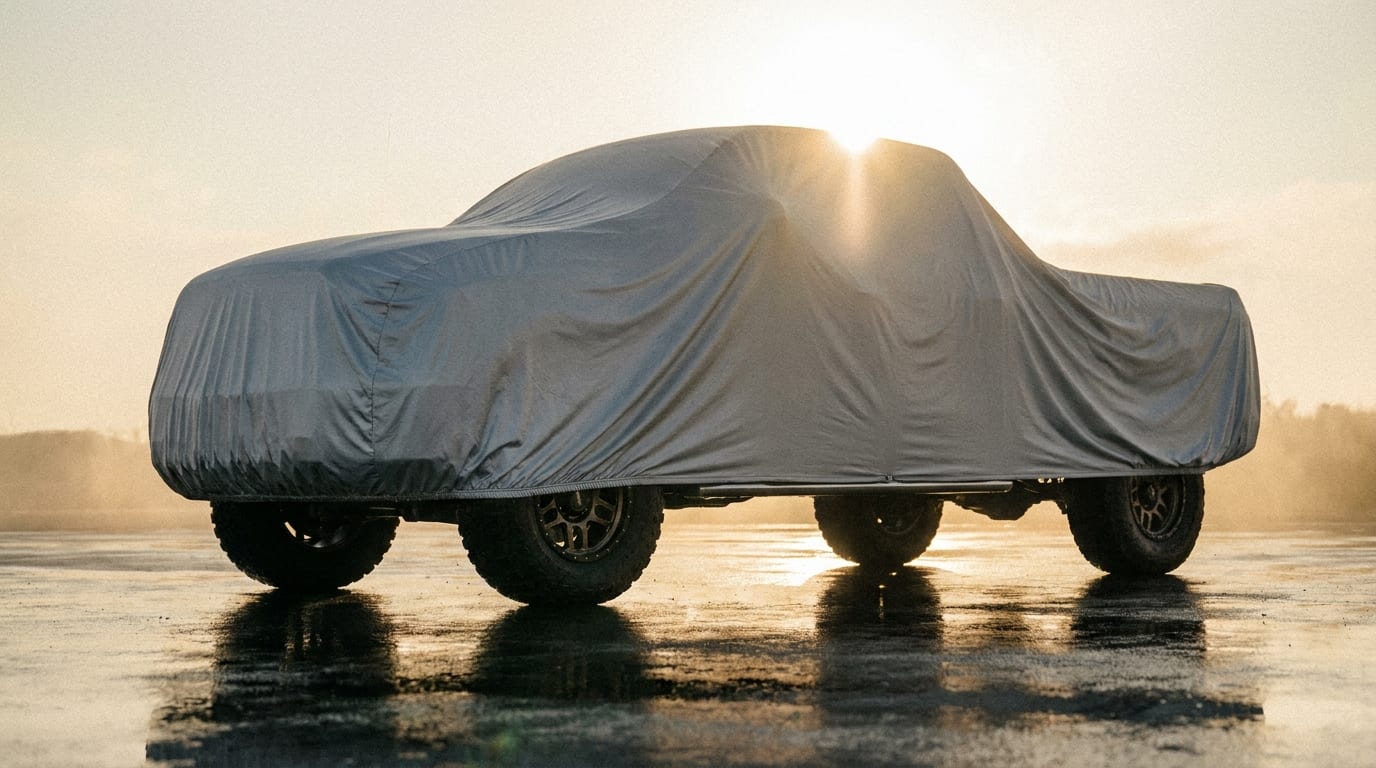
Can you recommend a good car cover for a pickup truck parked in a coastal area with salty air? Yes: go with a custom-fit, multi-layer waterproof-and-breathable outdoor cover that has a UV-resistant outer coating and corrosion-resistant hardware. Skip the basic universal cover. It's cheaper up front, but it won't hold up against what salt air does to fabric and metal over a season or two.
Here's why the upgrade matters. Salt air works faster than regular weather. It speeds up fading, breaks down fabric fibers quicker than dry inland heat does, and eats through cheap zippers, grommets, and buckles in a way that looks like rust bloomed overnight. A cover built for this environment needs an outer layer that blocks moisture and salt mist from getting in, paired with an inner layer that lets trapped condensation escape, otherwise you're just sealing humidity against your paint.
If you want the fast-scan version before reading further, here's how the three common cover tiers stack up for coastal truck owners:
| Cover Tier | Fabric Construction | Salt & Moisture Resistance | UV Protection | Breathability | Hardware Durability | Best Fit For |
|---|---|---|---|---|---|---|
| Basic Outdoor | Single-layer woven | Low, no barrier against salt film | Minimal | Low, traps condensation | Standard, prone to corrosion | Dry inland storage only |
| Weatherproof (Platinum-tier) | Multi-layer with water-resistant coating | Moderate to high | Strong | Good, vents moisture | Coated, better corrosion resistance | Coastal trucks parked in open driveways |
| Custom-Fit Waterproof | Multi-layer, shaped to body panels | High, minimal gaps for spray intrusion | Strong | Good | Coated, reinforced grommets | Trucks parked directly near open coastline or with frequent sea spray exposure |
For most coastal pickup owners, that middle or top tier is where the real protection lives. You can browse the full range of waterproof car covers to see how the layering and coating differ by product line.
Why Salty Coastal Air Is Harder on Truck Covers Than Inland Weather
Salt doesn't just sit on the surface. It settles into the weave of the fabric and works its way into every metal touchpoint, your grommets, buckles, and cable lock points included. Inland, those same parts might go years without a hint of corrosion. Near the coast, weeks.
Then there's the UV factor stacking on top of it. Salt residue combined with sun exposure speeds up fabric breakdown, so you get fading and brittleness on the hood, the bed, and the cab roof sooner than you'd expect from sun alone. It's a one-two punch most inland cover guides don't even mention, because they don't need to.
Humidity adds another layer of risk. A non-breathable cover traps moisture underneath, and that moisture, loaded with salt, is a near-perfect setup for mildew on paint and door seals. You want something built like the options under outdoor car covers, where breathability is treated as a core feature, not an afterthought.
One more thing specific to trucks: size works against you here. A pickup has more exposed surface than a sedan, bed, tailgate, extended cab roof, side mirrors, which means more material catching salt mist and more seams where spray can sneak underneath.
Key Features a Coastal Truck Cover Needs
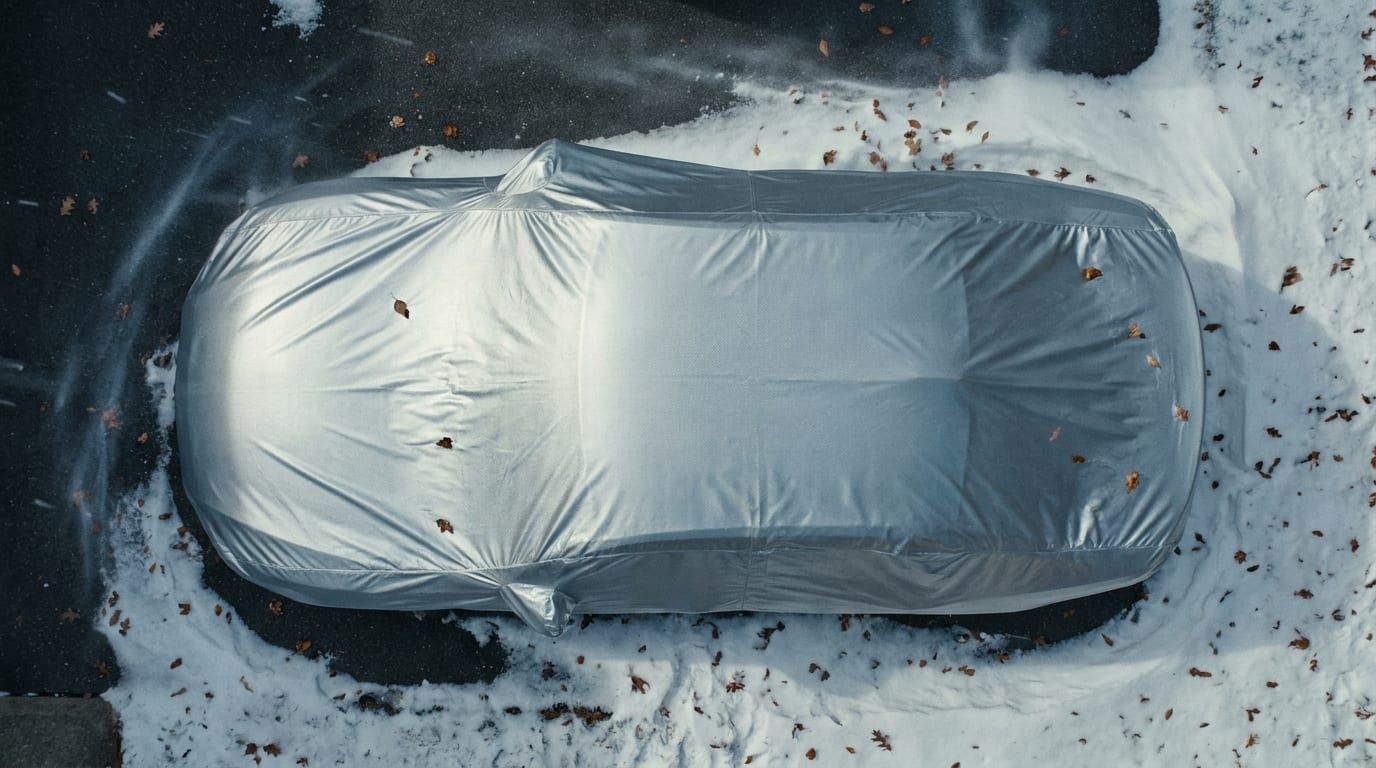
If you're shopping specifically for salt-air durability, there's a short list of features that actually matter, and a longer list of marketing language that doesn't.
- Multi-layer fabric that's waterproof outside, breathable inside. This is the single biggest factor. A cover that blocks rain but can't vent trapped vapor will cook moisture against your paint.
- UV-resistant outer coating. Salt accelerates what sun damage starts. You want a coating rated for prolonged outdoor exposure, not just "water resistant."
- Corrosion-resistant hardware. Grommets, buckles, and cable lock points should be coated or treated metal, not bare steel that rusts the first season.
- A cinching hem or elastic system. Wind-driven salt spray finds gaps. A snug hem keeps the cover sealed against the body instead of flapping and letting spray underneath.
- Reflective or heat-reducing properties, if your truck sits in direct coastal sun for hours at a time. This isn't salt-specific, but it extends the life of the fabric itself.
Honestly, breathability is the feature most people underrate. It's the quiet one, hiding behind words like "waterproof" on the packaging, but it's the difference between a cover that protects your paint and one that slowly mildews it.
Matching the Cover to Your Truck's Size and Cab Style
A universal-fit cover is built to loosely accommodate a size range, not your specific truck. That looseness is exactly where salt spray gets in. A custom-fit car cover is cut to your make and model, which closes those gaps and keeps wind from working the cover loose over time.
Cab style changes the equation too. A regular cab, extended cab, and crew cab all have different roof lengths and bed proportions, so the surface area needing sealed coverage shifts with each one. Owners searching for coastal coverage often search by name, F-150, Silverado, Tacoma, Ram 1500, because fit varies enough between these that a cover made for one won't sit right on another. If you're in that group, there are dedicated pages for Ford, Chevrolet, Ram, and Toyota trucks worth checking before you buy.
Bed accessories matter here too. A tonneau cover or a bed rack changes the truck's overall profile, which can mean a standard-shaped cover no longer fits cleanly. If you've modified your bed in any way, check that detail before ordering. And if you're not sure which fit category your truck falls into in the first place, there's a sizing guide at what size car cover for my vehicle that walks through it.
Installation and Maintenance Tips to Beat Salt Buildup

A great cover still needs upkeep near the coast, more than it would inland. Salt film builds up on the cover's surface whether or not it ever rains, just from the air itself. Rinsing the cover (and the truck underneath it) with fresh water on a regular basis dissolves that film before it has a chance to embed into the fabric weave.
Tension matters too. A loose strap or cable lock gives wind room to work the cover around, and every bit of movement is an opening for salt spray to get underneath. Check your straps when you rinse the cover, not just when you first install it. If you need a refresher on setup, the installation guide covers the basics clearly.
Pooling water is its own problem. As water sits and evaporates off the bed or cab area, it leaves concentrated salt residue behind, worse than if it had just rinsed off. A support pole under the cover prevents that low spot from forming in the first place.
As for cadence: inland, a monthly rinse is usually fine. Near open coastline, you'll want to do it every couple of weeks, more often if you're getting regular sea spray or living through a particularly humid stretch. For the full cleaning process, the cover care guide is worth bookmarking.
Know the signs a cover's done. Fabric that's gone stiff, hardware with rust bleeding through the coating, or water that no longer beads up and rolls off, that's your cover telling you it's lost its protective layer. Replace it before it starts letting moisture sit against your paint.
Warranty and Durability: What to Expect in a Harsh Coastal Climate
Material stress is just higher near the coast, so a longer warranty isn't a nice-to-have here, it's a reasonable expectation. Look for coverage that backs the manufacturing of the cover itself: stitching, seams, hardware failure from defects. What it won't typically cover is wear from environmental exposure, fading from years of sun and salt is expected use, not a defect.
Register your warranty as soon as you buy. It's a five-minute step that people skip and then regret when they need it. Details on what's covered are laid out at lifetime warranty on car covers.
Set your expectations accordingly. Even a well-built, custom-fit, corrosion-resistant cover is going to wear faster parked a quarter-mile from the ocean than the same cover would inland. That's not a flaw in the product. That's just what salt air does.
Bottom Line: Protecting Your Pickup Near the Coast
For a pickup parked near the coast, the answer stays the same: a custom-fit, multi-layer waterproof and breathable outdoor cover with UV-resistant coating and corrosion-resistant hardware. Three things aren't negotiable here: fabric that breathes while keeping water out, hardware that won't corrode, and a fit snug enough to keep wind-driven salt spray from sneaking underneath.
If you're not sure which cover matches your exact truck, it's worth spending two minutes with a cover finder tool to narrow it down by make, model, and cab style rather than guessing.
And don't underestimate the maintenance side of this. The best cover on the market still needs rinsing, proper tensioning, and the occasional check for wear. Near the ocean, that routine matters just as much as what you bought in the first place.