


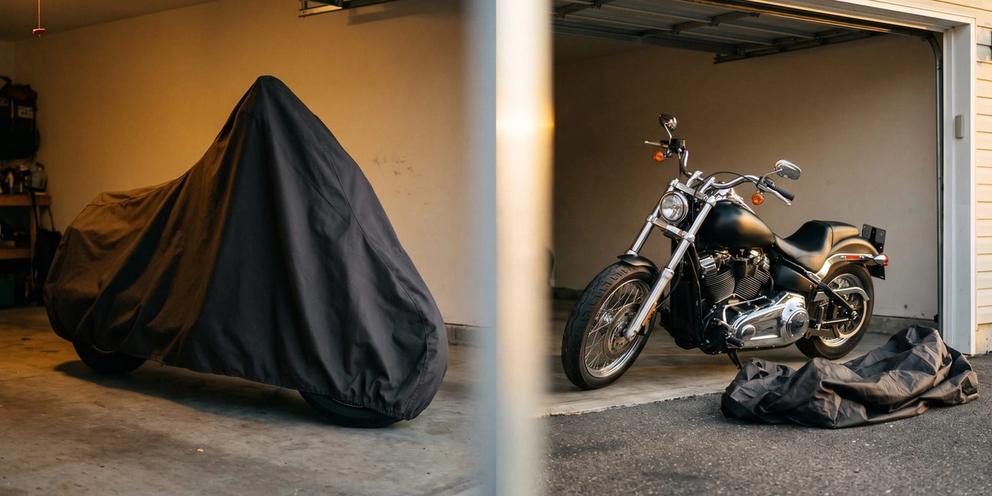
The Best Motorcycle Cover for Your Bike: Comparison Table and Buyer Checklist
What 'Best' Actually Means for a Motorcycle Cover
If you're reading this, you've already decided you need a cover. You're past the "do I really need one" stage and into the harder question: which one. That's actually the tougher decision, because there isn't one best motorcycle cover that wins across the board. There's a best cover for your bike, your climate, and where it sits when you're not riding it.
A cover that's perfect for a sport bike parked in a heated garage will fail miserably on a touring bike that lives outside through a Midwest winter. So instead of chasing a single "top pick," this guide compares the four things that actually determine fit: material and weatherproofing, fit type, security features, and price tier. Get those four right for your situation, and you've found your best motorcycle cover, full stop.
One thing worth saying up front: a mismatched cover can do more harm than skipping one entirely. A light indoor cover left outside traps moisture against the tank instead of shedding it. A heavy waterproof cover used indoors can scuff paint it's supposed to protect. Fit the cover to the conditions, not the other way around.
Motorcycle Cover Comparison: Material, Fit, and Features at a Glance
Here's how the main options stack up across the factors that matter.
Material and Weatherproofing
- Entry-level breathable polyester: Good for dust, light rain, and garage storage. Not built for sustained exposure.
- Mid-tier water-resistant woven fabric: Handles dew, splashes, and short storms. Reasonable middle ground for riders who move the bike in and out often.
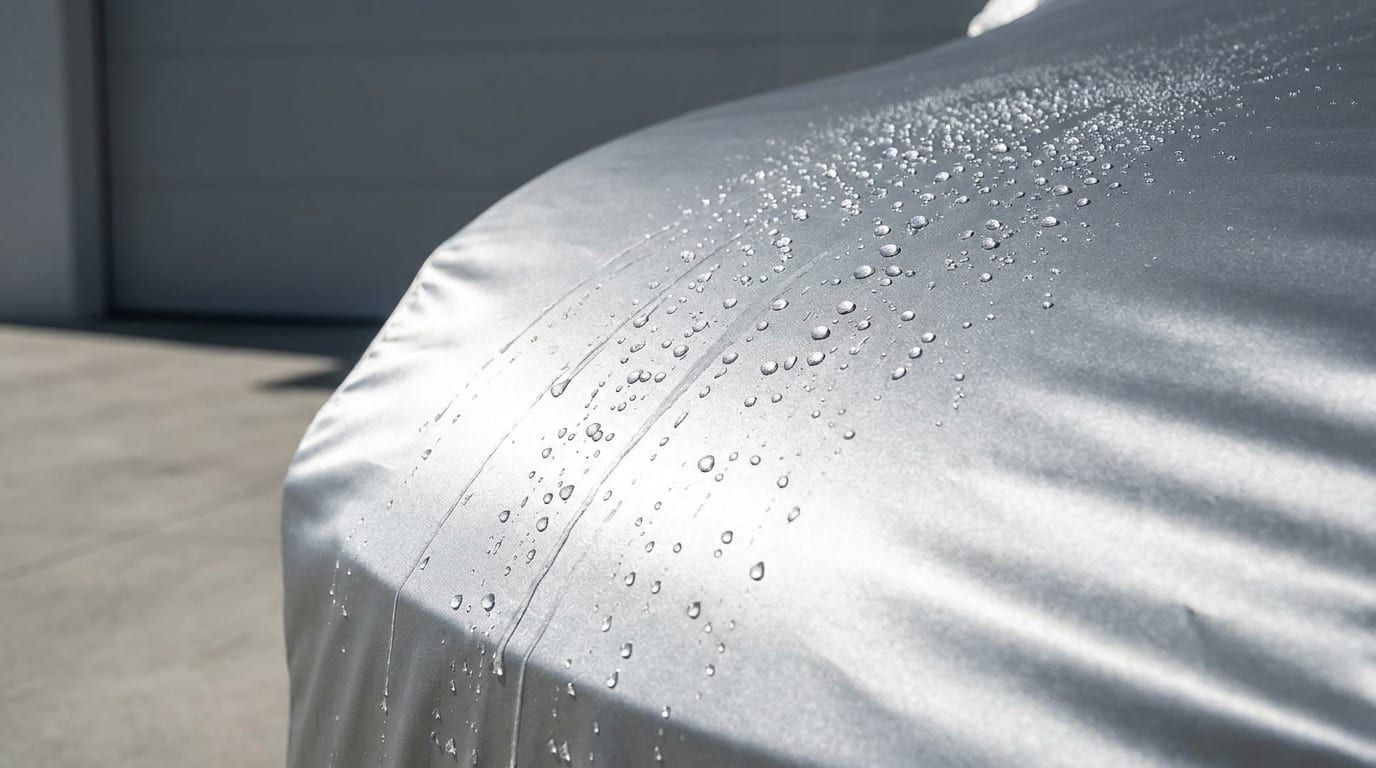
- Premium multi-layer waterproof fabric with UV coating: Built for bikes that live outside. Blocks water and slows sun degradation on tanks and seats.
Fit Type
- Universal one-size covers: Cheapest option, loosest fit, more flapping in wind.
- Semi-custom fit by bike category: Sized for cruiser, sport, touring, or dual-sport shapes. Noticeably better fit without custom pricing.
- True custom fit: Built to an exact model's dimensions, hugging mirrors and fairings closely. Best protection, highest price.
Security Features
- No attachment points: Fine for calm, covered storage. Risky anywhere windy.
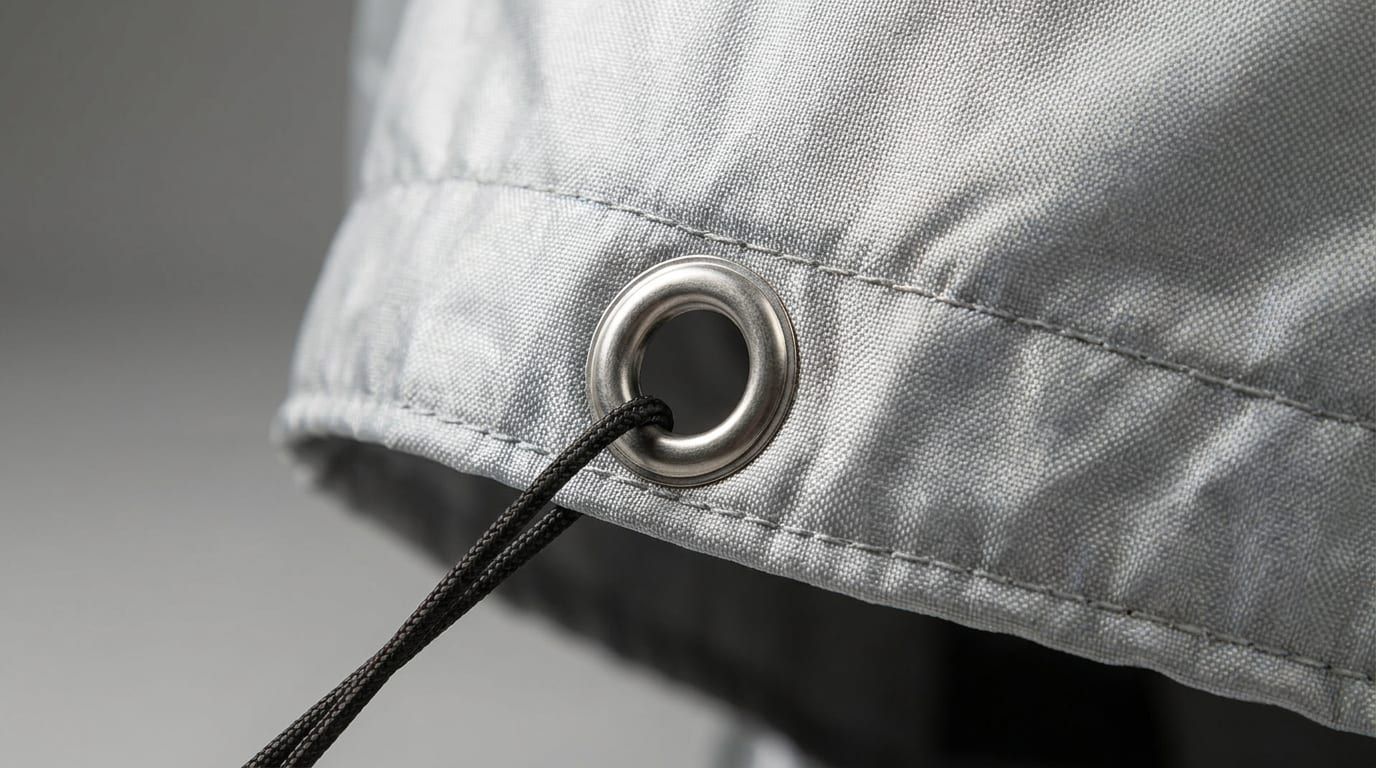
- Grommets with tie-down straps: Keeps the cover anchored in wind, standard on most mid-range covers.
- Integrated cable-and-lock loop: Adds theft deterrence by locking the cover (and effectively the bike) to a fixed point.
Storage Use Case
- Short-term dust protection indoors: Lightweight, breathable, low cost.
- Daily outdoor exposure: Needs waterproofing, UV resistance, and secure anchoring.
- Long-term winter storage: Needs moisture control most of all, since trapped humidity causes more damage than any single storm.
Price Tier
- Budget (under $50): Basic polyester, universal fit, no lock loop. Fine for short-term or indoor use.
- Mid-range ($50 to $120): Water-resistant fabric, semi-custom sizing, tie-down straps. Where most riders land.
- Premium ($120+): Waterproof, UV-treated, often custom-fit with a lock loop and storage bag. Worth it if the bike sits outside year-round.
If you want to browse actual options rather than just specs, the motorcycle covers category page breaks these out by brand and bike type, and our best car cover comparison walks through the same tradeoffs for four-wheeled vehicles if you're covering more than one thing in the driveway.
Buyer Checklist: 7 Things to Confirm Before You Buy
Before you check out, run through this list. It takes five minutes and it's the difference between a cover that lasts and one that ends up balled up in the garage after a month.
- Measure first. Get the bike's total length, mirror-to-mirror width, and windshield or fairing height. Guessing by "cruiser" or "sport bike" alone gets you close, not exact.
- Check the breathability rating. A cover that can't vent moisture traps it against the tank and chrome. That's how corrosion and mildew start, not from rain getting in.
- Confirm UV treatment if the bike sits in direct sun. Untreated fabric breaks down fast under constant UV, and so does the paint underneath if the cover isn't blocking it.
- Look for reinforced seams. The seat and tank area take the most stress from wind and repeated on/off use. Double-stitching there matters more than anywhere else on the cover.
- Verify tie-downs or a lock loop are included. A cover that flaps in the wind wears out at the seams fast, and one without any theft deterrence is just a suggestion to would-be thieves, not a barrier. Straps also help in gusty conditions, and it's worth reading up on how to install wind straps if the cover doesn't come with clear instructions.
- Check for a storage bag. Sounds minor. It isn't. A bulky cover with nowhere to stuff it is a cover that stops getting used within a few weeks.
- Read the warranty before comparing price. A $40 cover with no warranty and a $65 cover backed for years aren't really competing on price at all. Some brands back their covers for the life of the product, which is worth knowing before you decide based on the sticker price alone. Our lifetime warranty page explains what that kind of coverage typically includes.
Indoor vs Outdoor Storage: Matching the Cover to the Environment
This is the split that decides everything else. Get this part wrong and no amount of stitching quality or brand reputation saves you.
Garage-stored bikes don't need heavy waterproofing. They need something soft-lined that guards against dust and accidental scratches from tools or bike parts leaning nearby. A heavy, stiff, fully waterproof cover indoors is overkill, and honestly, it can do more damage than good by trapping moisture against a bike that was already dry. Our indoor car cover guide covers the same logic for four wheels, and it applies just as much here.
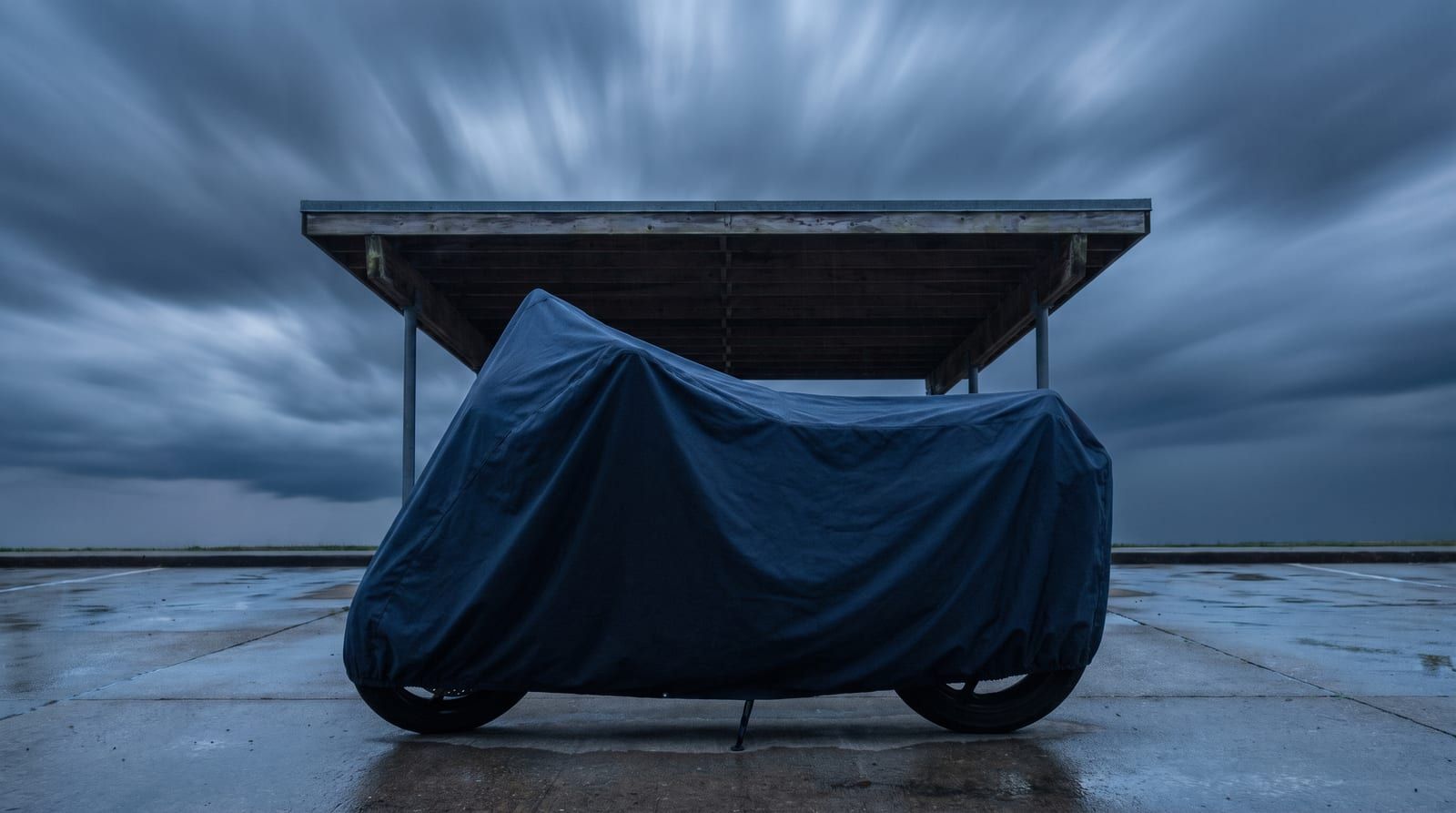
Outdoor-exposed bikes are a different animal entirely. Rain, snow, sun, wind, sometimes all in the same week. That calls for a heavier, fully waterproof, UV-treated cover that can shed water instead of absorbing it. The outdoor car cover guide goes deeper on what "fully waterproof" should actually mean on a spec sheet.
Here's the mistake I see most: someone buys a soft indoor-style cover, uses it outside because it's what they had, and wonders why the seat feels damp every morning. Indoor fabric is designed to breathe, not repel. Outside, that breathability works against you, wicking moisture in instead of keeping it out.
Some riders just keep two covers. A light one for daily indoor use, a heavy-duty one for road trips or bad weather. It's not overkill if you actually park in both situations regularly.
How Do I Know What Size Motorcycle Cover to Buy?
Measure three things: overall length from front tire to rear tire, widest point (usually the mirrors), and tallest point including any windshield or top box. Write the numbers down before you shop.
Then compare those numbers against the manufacturer's actual size chart. Not a guess based on "I ride a cruiser so I'll get the cruiser size." Charts exist because bikes within the same category vary more than people expect. A Harley-Davidson Sportster and a full dresser are both cruisers on paper, but they're nowhere close in dimensions.
Semi-custom covers, sized by bike type rather than exact model, usually fit noticeably better than a generic universal cover, and they don't cost what a full custom fit does. If your model has a dedicated fit option, like the sizing available for a Yamaha YZF-R3, that's worth checking before defaulting to universal just because it's cheaper on the shelf. Our sizing guide walks through the measuring process in more detail if you want a second pass before you order.
What's the Difference Between Water-Resistant and Waterproof Covers?
People use these two terms like they're interchangeable. They're not, and the gap between them matters more than most spec sheets let on.
Water-resistant fabric slows moisture down. It'll shrug off dew, a light drizzle, or a quick shower, but leave the bike out through a real downpour and water eventually gets through. Waterproof fabric uses a sealed or coated layer that blocks water outright, which is the standard you want for anything parked outside year-round. Our waterproof cover guide breaks down what that coating actually does at the material level.
Here's the part that trips people up: fully waterproof doesn't automatically mean better. Sealing out water often means sealing in less air, so waterproof covers can breathe worse than water-resistant ones. For a bike stored indoors in a dry garage, that tradeoff isn't worth it. Match the rating to your actual conditions instead of grabbing the highest number on the box.
How Long Should a Motorcycle Cover Last?
A decent cover, used in normal conditions and looked after, should hold up for several riding seasons before the fabric or stitching starts to give out. That's a realistic expectation, not a promise tied to any specific product.
What actually kills a cover faster than that: constant sun, harsh winters, and being left dirty between uses. It's not really about how often you put it on and take it off. It's about what it's fighting while it's on the bike. A cover baking in direct sun all summer degrades faster than one that spends most of its life in a garage, even if the garage one gets used more often.
Cleaning it matters more than people think. Dirt and grit sitting in the fabric grinds away at water-repellent coatings every time the cover flexes in the wind. A quick rinse and proper drying between uses keeps that coating intact longer. Our cover care guide covers the basics, and most of it applies directly to motorcycle covers too.
Choosing With Confidence
Work through it in order: match the material to where the bike actually sits, confirm the exact measurements instead of guessing by category, then decide which security features earn their price bump. That's the whole decision, really. Everything else is just detail.
The best motorcycle cover was never going to be the priciest one on the shelf. It's the one built for your storage setup, sized to your bike, and rated for the weather it'll actually face. Get those three things right and you're covered, literally.
If you're still narrowing things down, it's worth browsing options by brand or bike type before you commit, and keeping an eye on new posts here if you want more buying breakdowns like this one.
Updated