Waterproof Car Cover for a Ford Maverick: Fit, Sizing, and What to Look For
Published
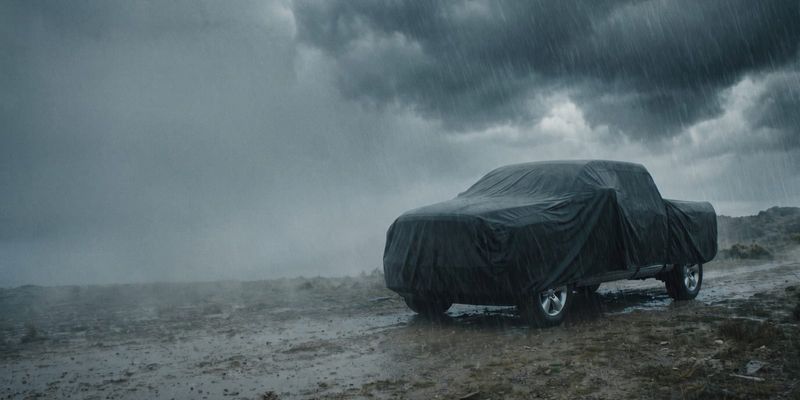
Ford's Maverick doesn't fit neatly into any one category, and that's exactly the problem when you go looking for a cover. It's a unibody pickup, smaller than a Ranger or F-150, but it's still a truck with an open bed, raised fenders, and real exposure to the elements if you're parking it outside every day. A lot of Maverick owners bought it specifically because it's the daily-driver truck, the one that lives in a driveway or a street spot, not a garage queen. That's where a waterproof car cover for Ford Maverick owners actually earns its keep.
Here's the issue though: a generic "truck cover" sized for a full-size pickup is going to hang wrong on a Maverick. And a cover built for a sedan obviously won't account for the bed at all. This article isn't going to hand you a single "best cover" pick, because that's not really how fit works. Instead, we'll walk through what waterproofing actually means, where compact pickups like this one run into fit trouble, and what features are worth paying attention to. For the actual size specs, you'll want to run your Maverick's details through the size guide and the coverfinder tool rather than guessing off anything written here.
What "Waterproof" Actually Means on a Car Cover
People use "waterproof" and "water-resistant" interchangeably, and that's a mistake that costs you a dry interior.
Water-resistant fabric repels light rain and dew. Fine for occasional drizzle, not fine for a truck parked outside through a week of storms. Fully waterproof construction is a different thing: sealed seams, taped stitching, and layers that are actually laminated together so water can't creep through the needle holes. If your Maverick sits outside daily, that distinction matters a lot more than it would for a car that's only exposed on weekend errands.
There's a catch with full waterproofing, though. A cover that blocks every drop of outside moisture also has to let moisture escape from the inside, otherwise you're trapping condensation against your clear coat, which is worse than just getting rained on. That's why breathability is part of this conversation, not a separate one. The best waterproof car covers handle both sides of that equation at once.
UV resistance is worth checking too, separately from waterproofing. A Maverick that bakes in direct sun all day has different needs than one parked in shade, and UV exposure breaks down fabric and fades paint over time even if rain's never an issue. Most decent multi-layer covers pair a waterproof, UV-resistant outer shell with a soft inner layer that protects the clear coat from rubbing. That combination, not just the word "waterproof" on the label, is what you're actually shopping for.
Fit Challenges Specific to a Compact Pickup Like the Maverick
Sedans are simple. Pickups are not.
An open bed, raised wheel arches, side mirrors, sometimes an antenna, all of that creates fit variables a car cover never has to deal with. Add in the fact that the Maverick comes in different configurations, and bed length or cab setup can shift how a cover drapes across the truck and where it needs extra fabric to compensate.
A few spots are worth checking closely before you commit to any cover: mirror pockets (do they actually sit over the mirrors, or just kind of near them), hem length at the back of the bed (too short and it flaps, too long and it drags), and clearance if you've got a tonneau cover or bed rack installed. Those accessories change the truck's profile, and a cover that was sized for a bare bed won't necessarily play nice with one that isn't.
If you're not sure how your specific bed length affects sizing, it's worth a look at the pickup truck bed size guide before you buy anything. It'll save you a return.
What to Look For When Shopping for a Waterproof Maverick Cover
A few features separate a cover that actually stays put from one that ends up in your neighbor's yard after the first windy night.
- Elastic or cinch-strap hems. A cover that's just draped over the truck will shift in wind. One with proper hem tensioning stays anchored.
- Grommets or loops for a cable lock. If you're street parking, this is a small deterrent against someone just lifting the cover off.
- Reinforced panels at high-wear points. The roof and tailgate edge take the most abrasion over time, so extra reinforcement there actually extends the cover's life.
- Reflective or light-colored outer layers. For trucks baking in summer sun, this cuts down on heat buildup under the cover, not just UV damage.
- Tie-down or wind-strap compatibility. If you're in a windy region, straps make a real difference in keeping the cover from working itself loose. Note that straps are often sold separately from the cover itself, so check before you assume they're included. (Here's a guide to installing wind straps if you go that route.)
None of these features are deal-breakers on their own. But stack two or three of them together and you've got a cover that's built for actual outdoor use, not just indoor dust protection with a waterproof label slapped on.
Outdoor vs. Garage Storage: Does It Change What You Need?
Yes, and it's worth being honest with yourself about which category you're in.
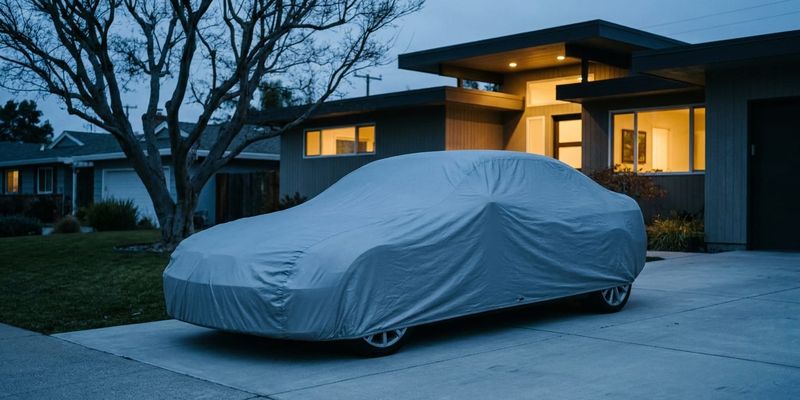
If your Maverick lives outside year-round, full waterproofing and UV resistance aren't nice-to-haves, they're the whole point of the cover. Rain, sun, pollen, bird droppings, all of it is hitting the truck daily. A lighter indoor-style cover just won't hold up to that kind of exposure.
Garage-kept trucks have it easier. If your Maverick's tucked away most of the time, a lighter cover focused on dust and dings is probably all you need, since it's not fighting weather at all. The indoor car cover guide covers what that lighter-duty option looks like.
Split time between both? Say your truck's in the garage most nights but parked outside at work or on road trips. In that case, lean toward the outdoor-rated option. A waterproof, UV-resistant cover handles indoor storage just fine, but it doesn't work the other way around. Compare the two use cases directly in the outdoor car cover guide if you're still weighing it.
Confirming the Right Fit Before You Buy
Don't eyeball this part. Measure your truck's overall length, width, and height following the brand's actual measuring instructions, not a guess based on what "looks about right."
Trim matters more than people expect. Bed length differs across Maverick configurations, and cab style factors in too. If you've added a bed rack, a rail system, or anything else that changes the truck's outer dimensions, that needs to be accounted for as well. This is exactly what a coverfinder tool is for: feed it your actual configuration, accessories included, instead of relying on a generic "compact truck" size bucket that might miss those details entirely.
Why does this matter so much? Because a cover that's too loose will whip around in wind and scratch your paint from the inside, which somewhat defeats the purpose of buying one. A cover that's too tight stresses the seams and shortens its own lifespan. Precise fit isn't a nitpick, it's the difference between a cover that works for years and one that fails in a season. Run your specifics through the coverfinder before you buy, not after.
Keeping a Waterproof Cover Working Over Time
A waterproof cover doesn't stay waterproof forever on its own. It takes a little upkeep.
Dirt and grit act like sandpaper against the coating every time the cover shifts in wind, so regular cleaning isn't just cosmetic, it's protecting the waterproofing itself. Installation matters too: a cover thrown on loosely and left to flap around wears out a lot faster than one that's snug and properly strapped down. Check high-friction points seasonally, mirror pockets and hems especially, since those are the first spots to show wear.
For the actual cleaning steps, the cover care guide walks through what's safe to use on these materials without breaking down the waterproof layer. And if you want the deeper rundown on managing wind, UV, and rain together, this guide to using a cover outdoors covers all three at once.
Finding the Right Cover for Your Maverick
The short version: waterproofing level, accurate fit, and outdoor-specific features like UV resistance and strap compatibility are the three things that actually matter here. Everything else is secondary.
Don't rely on guesswork for sizing. A truck as configuration-dependent as the Maverick needs the size guide and coverfinder doing the actual matching, not a general sense of what "compact truck" means. If you want to see what's actually available for your Ford, the Ford truck covers page is a reasonable place to start browsing.
If you're still narrowing things down, it's worth running your exact Maverick trim through the coverfinder tool rather than picking something off a shelf and hoping. And if you found this useful, our other car care and ownership guides cover a lot of the same ground for different vehicles and situations, worth a look if you want to keep learning before you buy.