
What Is a Fitted Car Cover? A Straight Answer Plus Material Comparison
Published
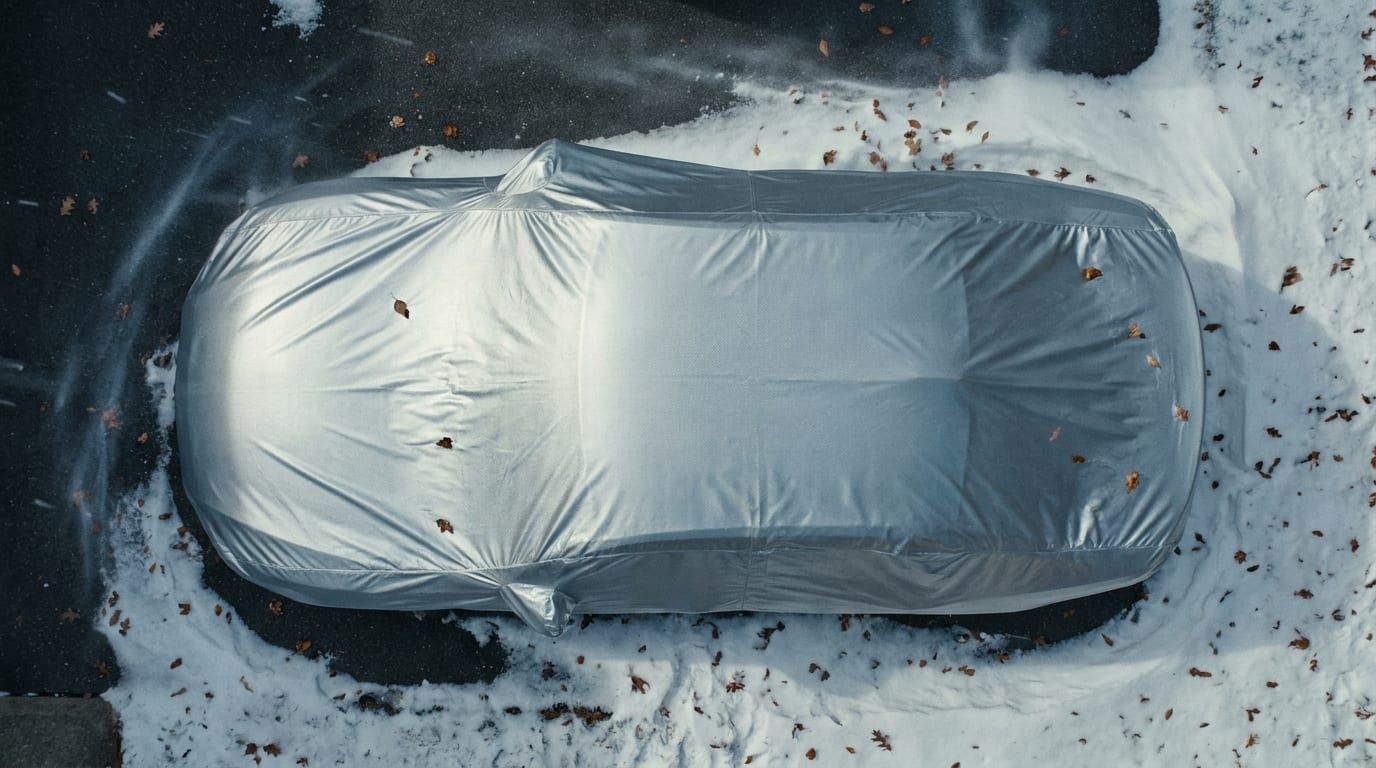
A fitted car cover is built to match one specific vehicle: its year, make, and model, down to the body lines. Not a generic rectangle of fabric that drapes over whatever's parked underneath it. If you're asking what is a fitted car cover and how it's different from the thing you might already own, the short answer is precision. It follows the actual contours of your car instead of guessing at them.
What Is a Fitted Car Cover?
So what is a fitted car cover, exactly? It's a cover manufactured using pattern data pulled from the real dimensions of a specific vehicle: mirror pockets placed where your mirrors actually sit, antenna cutouts where your antenna actually is, panel lengths that match your bumper-to-bumper measurement instead of a rough size range.
Here's where people get tripped up. "Fitted," "semi-custom," and "universal" get used like they mean the same thing. They don't. They're points on a spectrum, with fit precision increasing (and price climbing right along with it) as you move from universal to semi-custom to fitted.
The mechanics matter because they produce a real, physical difference. A properly fitted cover doesn't flap in the wind the way a loose one does. It doesn't pool extra fabric at the bumpers where water and dirt like to collect. It seals closer against the body, which cuts down on the gaps where dust and moisture sneak in during a storm or a dusty driveway season.
But fit alone doesn't tell the whole story. The material the cover is made from matters just as much as how well it's shaped, and that's where a lot of buyers make the wrong call. A beautifully custom-fit car cover in the wrong fabric for your climate will still let you down.
Fitted vs. Semi-Custom vs. Universal Covers
Universal covers are the lowest tier. One cover size covers a range of vehicles grouped by overall length or body type. Cheapest option on the shelf, loosest fit, and the most movement in wind. If you've ever seen a cover billowing like a parachute in a parking lot, that's usually a universal cover doing exactly what it's built to do: approximately cover something.
Semi-custom covers step up from there. They're sized to a vehicle category, think midsize sedan or compact SUV, with some shape allowance built in. Better than universal, but still not matched to your specific model's body lines.
Fitted (sometimes called custom-fit) covers sit at the top. They're pattern-matched to one specific model, about as close to a factory-tailored fit as you'll get off the shelf. That precision comes at a price, usually the highest tier among the three.
The trade-off is straightforward: paying more for fit precision lowers your risk of paint swirling from fabric rubbing against the clear coat, chafing at edges, and water pooling in gaps that a looser cover leaves open. It's worth asking yourself, though, whether you actually need that. If your car only sits outside occasionally, or you're covering it for a few weeks between trips on a tight budget, a universal or semi-custom cover might do the job fine. But if the vehicle lives outside daily, sits in long-term storage, or happens to be a collector car you actually care about protecting, the fitted option earns its price tag. Browsing car covers by category is a reasonable starting point if you're not sure which tier fits your situation.
Fitted Car Cover Materials Compared

Fit precision answers one question. Material answers a different one: how well does the cover actually hold up against sun, rain, hail, or dust in your specific garage or driveway.
| Material/Fabric | Weather Resistance | Breathability | Typical Use Case | Relative Price Tier |
|---|---|---|---|---|
| Multi-layer polypropylene (Platinum-style) | High | Good | Year-round outdoor use | Higher |
| Polyester/PEVA blend | Moderate | Moderate | Mild climates, short-term outdoor storage | Lower-mid |
| Satin/fleece-lined indoor fabric | None needed | High | Garage storage, dust and scratch prevention | Low-mid |
| Ripstop/water-repellent woven fabric | High | Moderate | Harsh weather, hail-prone regions | Higher |
Multi-layer polypropylene fabrics are built for the vehicle that lives outside full-time. They shed rain, block UV, and still breathe enough to avoid trapping condensation underneath. If you want the full rundown on how these weatherproof fabrics actually perform, the waterproof fabrics guide goes deeper on the layering and coatings involved.
Polyester/PEVA blends are the middle ground. Fine for someone in a mild climate who just needs overnight or short-term protection, but they won't hold up to a brutal summer or a wet winter the way a true multi-layer fabric will.
Satin and fleece-lined indoor covers skip weatherproofing entirely, because they don't need it. Their job is dust, light scratches, and keeping a garage-kept car looking clean between drives. Ripstop and water-repellent woven fabrics are the answer for harsh conditions, hail especially, where tear resistance matters as much as water resistance.
One takeaway from that table matters more than the rest: match the fabric to where the car is actually stored, not to whatever "fitted" claim is printed on the packaging. A fitted cover in the wrong material is still the wrong cover. Compare indoor car covers against outdoor car covers before you decide, since the fabric families genuinely don't overlap much.
Why Fit Precision Matters as Much as Material
Here's a problem a lot of buyers don't expect: a loose universal cover can still let moisture and grit in even when the fabric itself is technically waterproof. The water doesn't need to soak through the material if it can just walk in through the gap at the wheel well or the slack fabric bunched at the bumper.
A fitted cover closes that gap. There's no excess fabric left to shift around in the wind, which also means less chafing against paint and trim over time. That's the quiet damage nobody notices until they pull the cover off and find swirl marks where loose fabric has been rubbing against a fender for six months.
The details that make this possible, mirror pockets, antenna patches, exact panel drops at the right length, only show up on true fitted or custom-fit designs. A semi-custom cover might get close. It won't nail all three.
One caveat worth saying plainly: even a snug, well-fitted cover still needs tie-downs or straps if you're in a windy area. Fit reduces movement. It doesn't eliminate the need for a cover to actually be secured.
How to Decide If You Need a Fitted Cover
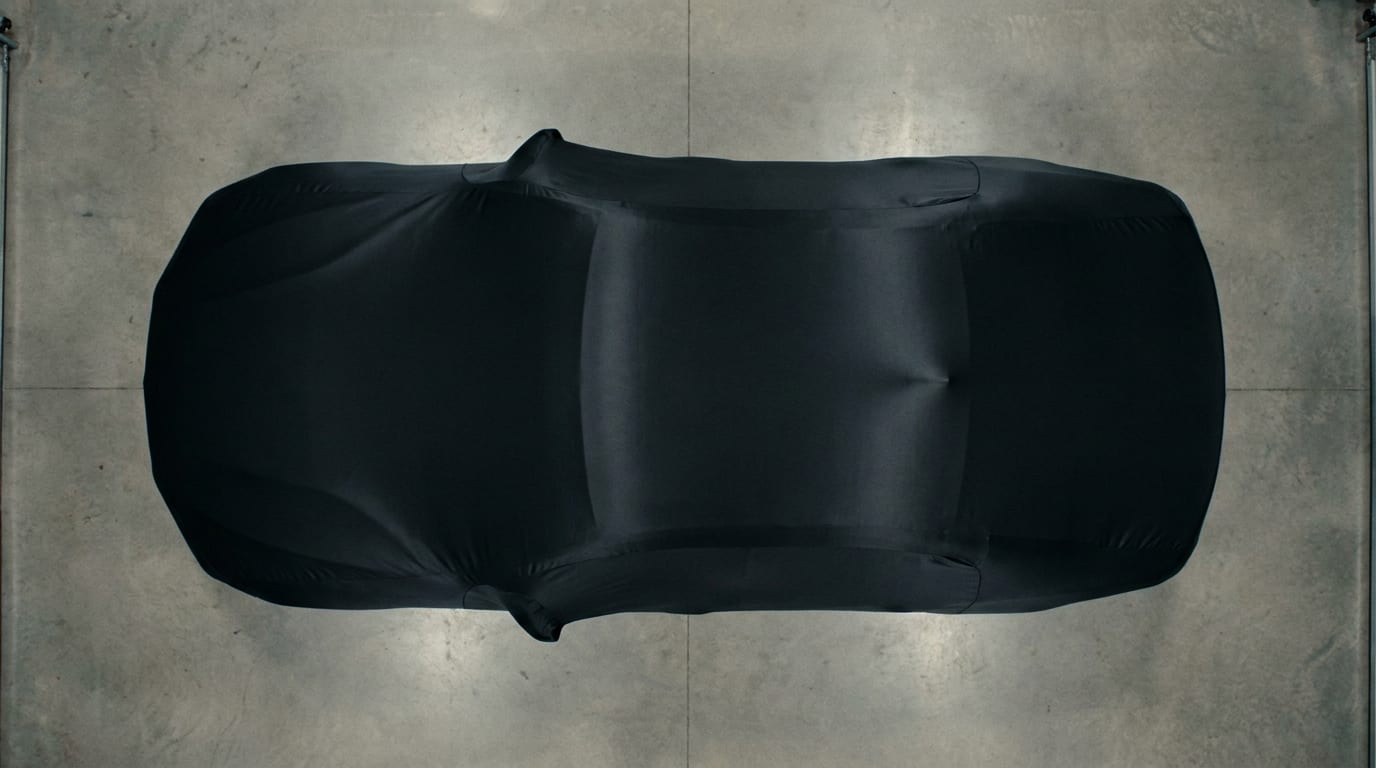
Run through a short checklist before you buy anything. Where does the vehicle actually live: outside every day, or tucked into a garage most of the time? How severe is your local weather? What's the vehicle worth to you, in dollars or in sentiment? And how long does it typically sit between drives?
Indoor storage changes the calculus. You want something breathable and lighter, since UV and rain aren't in play, but dust and scratch protection still matter more than people assume. A satin or fleece-lined indoor cover usually covers that need without overpaying for weatherproofing you'll never use.
Outdoor storage in anything other than a mild, dry climate is where the higher cost of a fitted, weatherproof-rated cover starts to pay for itself. If you're driving daily and only covering the car overnight in your own driveway, a semi-custom cover is often good enough. You don't need the full fitted tier for eight hours of overnight coverage in a low-traffic area.
The first practical step, regardless of which tier you land on, is nailing down the correct size for your exact vehicle. Guessing a size off a chart is how people end up with a cover that's technically "fitted" for the wrong car. Running your vehicle cover size by year, make, and model first saves you a return shipment later.
Installing and Maintaining a Fitted Cover
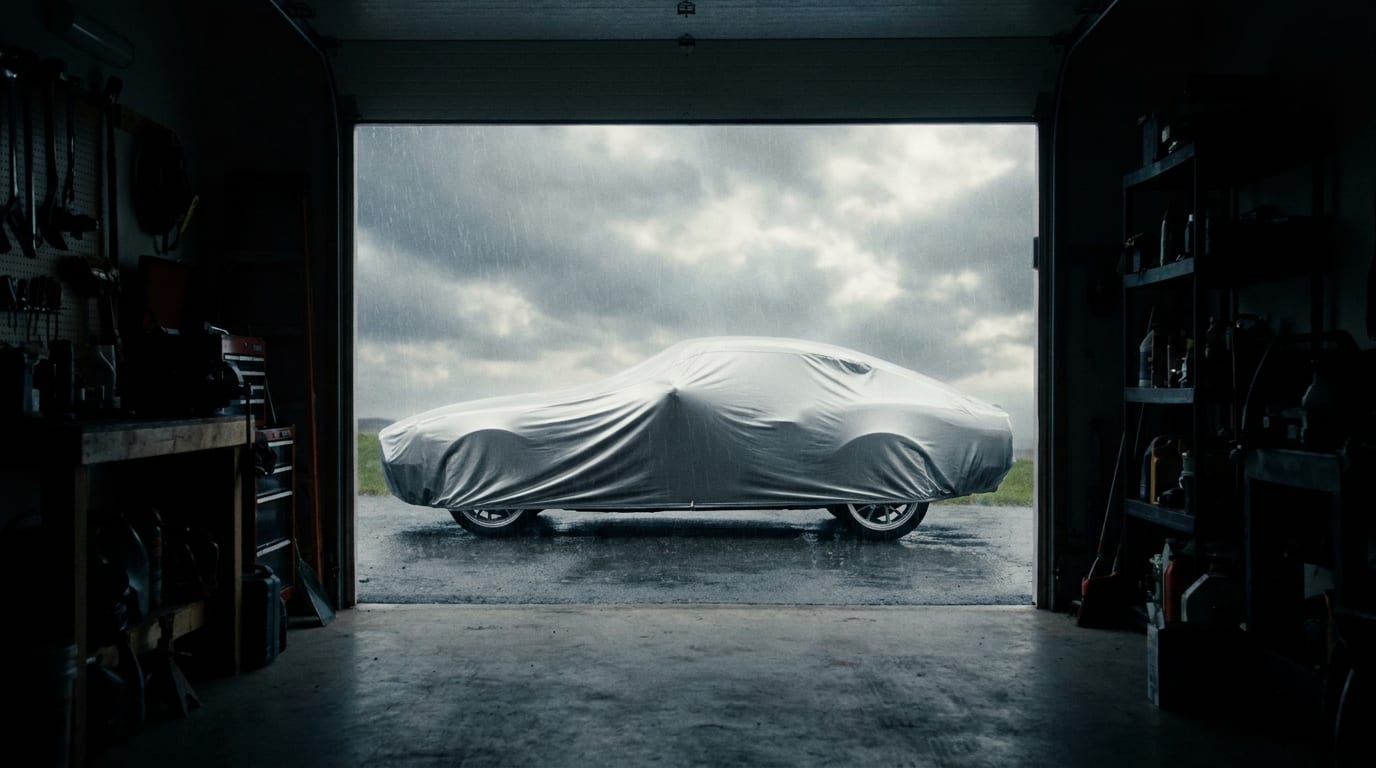
A fitted cover only delivers that snug fit if it goes on correctly. Front to back, straps secured in the right order, nothing twisted underneath. Skip a step and even a true fitted cover can sit crooked, which defeats half the point of buying one.
Washing method depends entirely on the material. Mild soap, air drying, no high heat, that's the general rule across most fabrics, but multi-layer and weatherproof-coated covers are especially sensitive to the wrong detergent or a tumble dryer that cooks the coating right off. The full process is laid out in the car cover cleaning guide if you want the specifics for your fabric type.
Folding and storing the cover itself matters more than people think, too. Jamming a multi-layer fabric cover into a tight ball for months can set creases that affect how it sits on the car next time. A quick look at the installation guide covers both putting it on and storing it properly between uses, and a cover backed by a lifetime warranty gives you some room to not stress over every minor wear mark.
Find the Right Fitted Cover for Your Vehicle
Fit and material are two separate decisions that both matter. Fitted gets you the closest possible match to your car's actual shape. Material determines whether that fit holds up against sun, rain, or a surprise hailstorm. Neither one does its job without the other, and neither one does its job if it doesn't match how and where you actually store the vehicle.
If you've made it this far still weighing options, the fastest next step is running your own year, make, and model through a lookup tool rather than guessing at a size off a generic chart. It takes the guesswork out of an otherwise confusing decision. And if you want more of this kind of straight-talk buying advice before your next purchase, it's worth poking around the rest of the guides here.






