What's the Best Car Cover for a Minivan in a Humid Climate Like Florida?
Published

The Short Answer: Best Minivan Cover for Florida Humidity
What's the best car cover for a minivan in a humid climate like Florida? A breathable, multi-layer waterproof fabric cover with a UV-resistant coating and built-in mildew resistance. That combination blocks rain and overnight condensation while still letting trapped moisture work its way out, instead of sitting against your paint all night.
Basic vinyl or single-layer covers are the wrong call here. They seal moisture in rather than keeping it out, and in Florida's heat that turns into mold and mildew in a matter of weeks, not months. For a minivan specifically, fit matters just as much as fabric: sliding doors, a taller roofline, and a longer body than a sedan all create extra seams and gaps where a generic cover tends to come up short. A custom-fit car cover closes those gaps and keeps the fabric taut, which, as you'll see below, is a big part of what makes breathable fabric actually work.
That's the quick version. The table below breaks down how the three main cover tiers stack up so you can pick the right one for where in Florida you're parking.
Minivan Cover Options Compared for Humid Climates
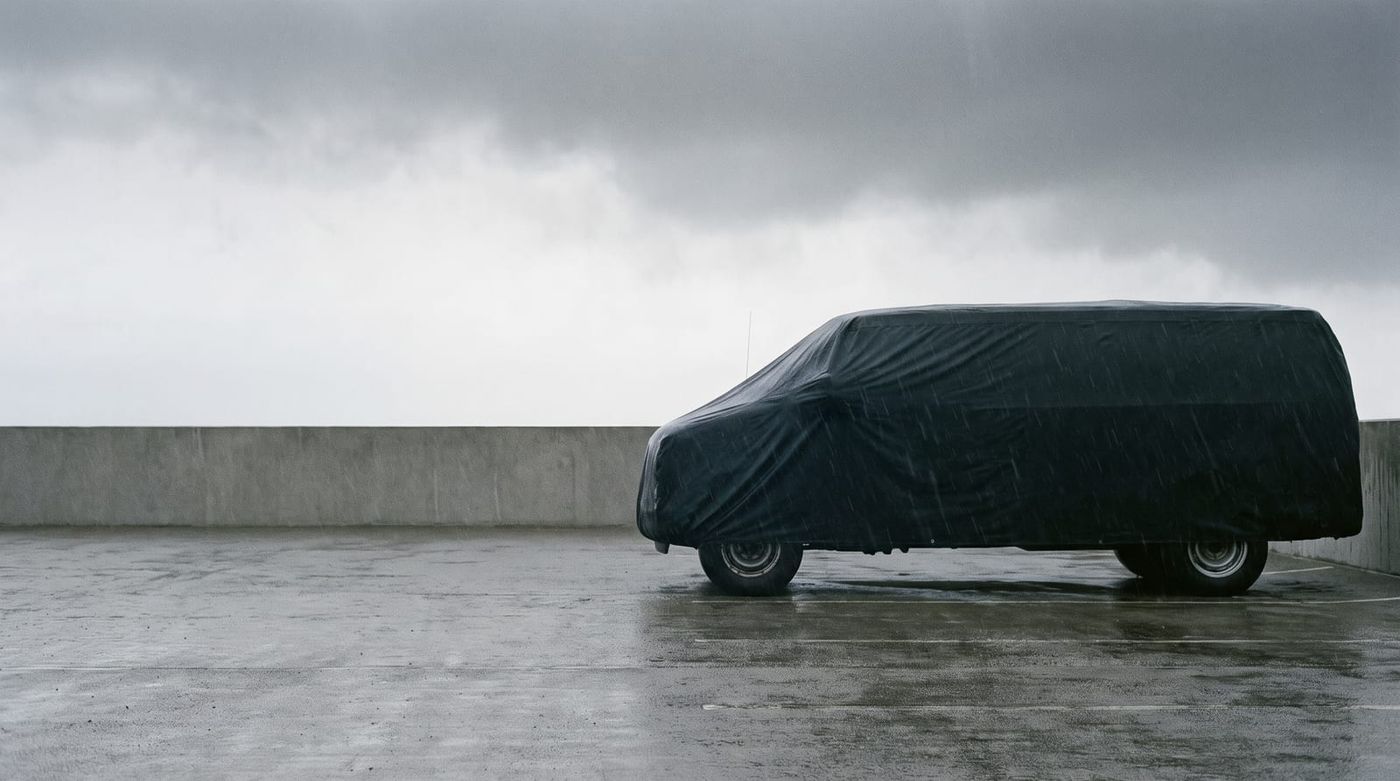
Not every cover tier is built for the same level of exposure. Here's how the common options compare for a minivan that lives outside in Florida humidity:
| Cover Tier | Breathability | Waterproof Rating | UV Protection | Mildew Resistance | Best For |
|---|---|---|---|---|---|
| Basic/economy outdoor cover | Low | Light rain only | Minimal coating | Poor, traps moisture | Occasional use, dry climates |
| Mid-tier weather-resistant (multi-layer woven) | Good | Fully waterproof, sealed seams | Strong | Built in | Daily driveway parking in Florida |
| Premium/platinum all-weather | Highest | Fully waterproof, heat-reflective | Heaviest | Best available | Coastal or year-round high-humidity storage |
A basic cover might handle a quick afternoon shower, but it's not made for Florida's daily cycle of heat, rain, and humidity. Most Florida minivan owners end up choosing between the mid-tier and premium options, with coastal proximity being the deciding factor, more on that below.
Why Florida's Humidity Is Especially Hard on Minivan Covers
Florida does something most climates don't: it heats up fast, dumps rain, then heats up again, often more than once a day. Under a non-breathable cover, that cycle creates condensation that forms underneath the fabric and just sits there overnight, right against your paint and trim. Over weeks, that's how you end up with dulled clear coat and musty interior smells, even when the van itself never got rained on directly.
Then there's the UV side of things. Florida's UV index runs high most of the year, and combined with humidity, it breaks down cheap cover fabric faster than it would in a drier state. You'll see fading and brittleness show up sooner than the product label probably suggested.
If you're near the coast, add salt air to the list. Salt exposure corrodes hardware over time, grommets, buckles, strap hardware, unless that hardware is actually rated for it. And here's the practical reality for most minivan families: these vehicles get parked outside a lot more than the average sedan. School runs, sports practice, grocery runs, they're in and out of the driveway daily, which means more exposure cycles and less downtime for a cover to dry out between uses. That raises the bar on breathability more than people expect.
Key Features to Prioritize When Shopping
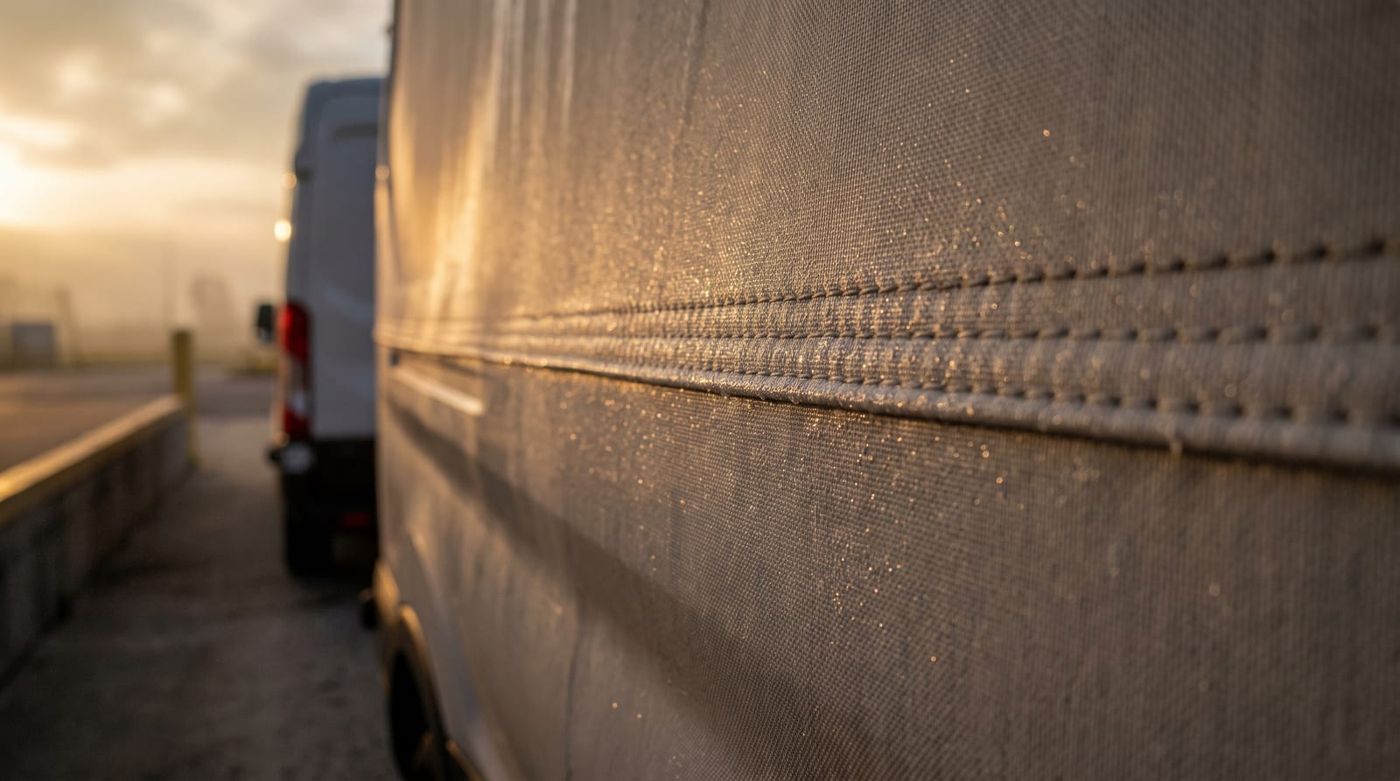
A few features separate a cover that actually works in Florida from one that just looks like it should.
Multi-layer breathable fabric, not single-layer vinyl. Breathable fabric works like a raincoat for your van: it keeps liquid water out while still letting water vapor escape from underneath. Vinyl can't do that. It's basically a plastic sheet, so any moisture that gets trapped stays trapped.
Taped or sealed seams. Minivans have more panel lines and seams than sedans, especially around the sliding doors. If those seams aren't sealed, that's exactly where water finds its way in during a downpour.
UV-stabilized coating or a reflective color. This isn't just about the cover's lifespan, it also cuts down heat buildup on your dashboard and seats, since the fabric blocks sun from baking through the windows.
Elastic hem plus wind straps or cable lock points. Florida storms bring sudden gusts, and a loose-fitting cover will shift, flap, or blow off entirely if it's not secured. Check out our guide to using a car cover outdoors for more on wind and storm handling specifically.
Built-in vents near the hood and windshield. Small design detail, big impact: vents give trapped humid air somewhere to go instead of pooling under the windshield area.
Look for all five together. A cover that nails four out of five but skips sealed seams, for instance, is still going to let water in where it counts.
Custom-Fit vs. Universal Covers for Minivans
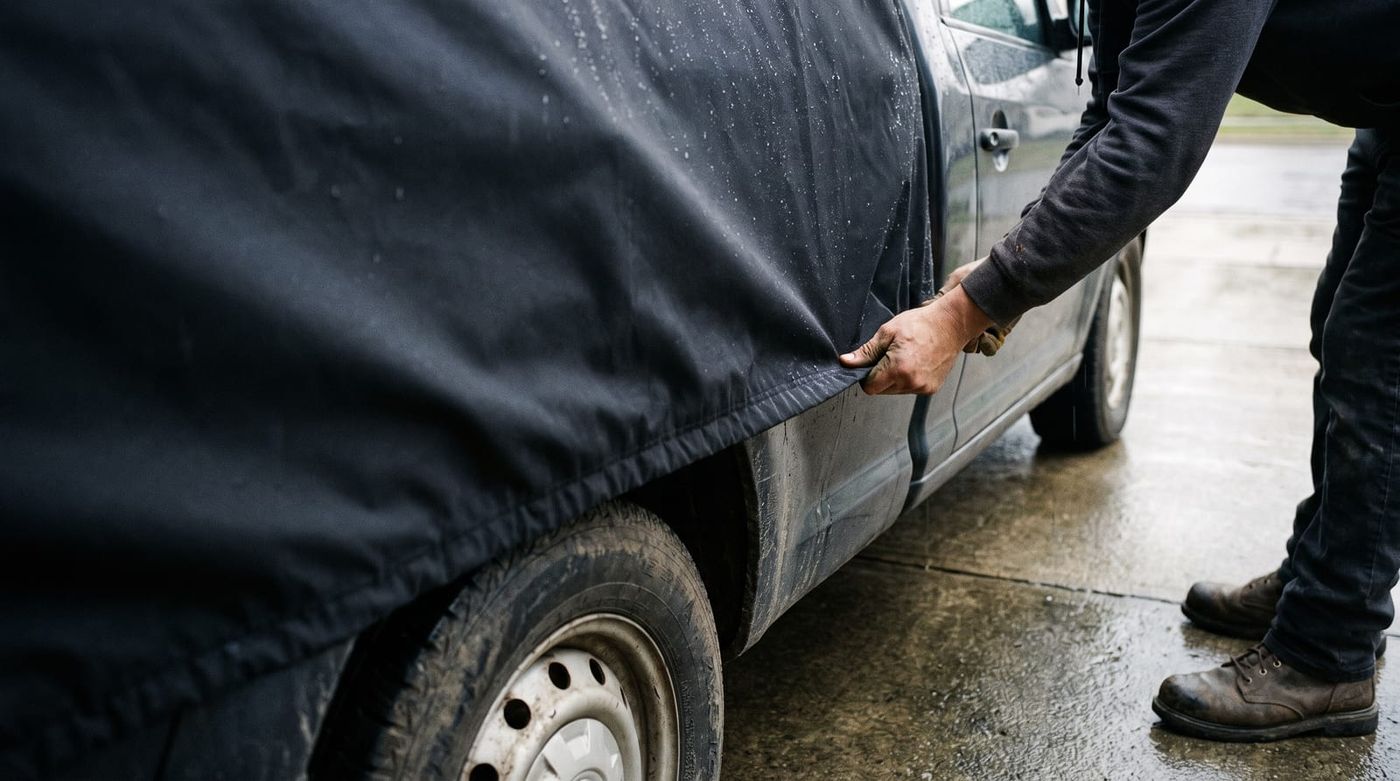
Minivans aren't all built the same, and that's the problem with a one-size-fits-most cover. A Honda Odyssey, Toyota Sienna, Chrysler Pacifica, Dodge Grand Caravan, and Kia Sedona all have different rooflines, different rear hatch shapes, and sliding doors positioned a little differently on each body. A generic universal cover has to compromise somewhere, and that compromise usually shows up as a gap at the sliding doors or a loose fold around the rear hatch.
Those gaps matter more than they sound like they should. Humid air pools in them overnight, which defeats the entire point of buying a breathable fabric in the first place. You've paid for moisture-wicking material, but it can't wick moisture that's sitting in a loose fold instead of touching the fabric at all.
A properly sized custom-fit car cover keeps the material taut against the body. Taut fabric sheds rain, loose fabric collects it in pockets. Before comparing fabric tiers at all, start by sizing to your exact model and year using a cover size finder, then check fit against your specific van, whether that's a Honda, Toyota, Chrysler, Dodge, or Kia model.
Installation and Maintenance Tips for Humid Climates
A few habits make a real difference in how long a cover performs in Florida conditions.
Let the van dry fully before covering it after rain. Throwing a cover over a wet vehicle just seals that moisture in, which is the exact problem a breathable fabric is supposed to prevent in the first place.
During especially humid stretches, pull the cover off every few days and let everything air out, the cover and the vehicle both. A few hours of open air does more than people expect.
Clean the cover periodically, too. Mild soap, a soft brush, and full air drying before you put it back on is the general approach, and our guide to cleaning a car cover walks through it step by step. Skipping this is how mildew builds up on the fabric itself, even a mildew-resistant one, over a season or two.
Last thing: during storm season, use a cable lock or wind strap every time. Florida's pop-up storms come with gusts that can lift a loose cover clean off, and a waterproof cover only works if it stays put.
Final Recommendation and Next Step
So, what's the best car cover for a minivan in a humid climate like Florida? A custom-fit, multi-layer breathable waterproof cover with UV protection and mildew resistance built in. If you're near the coast or your van sits outside year-round, step up to the premium tier. The extra heat-reflective coating and stronger mildew resistance are worth it when salt air is part of the equation.
Start with a cover finder tool to match your exact model and year before you get into comparing fabric tiers, fit is the foundation everything else builds on. And if you're deciding between fabric types in general, our breakdown of which material car cover is best is worth a read. Whatever tier you land on, check that it comes backed by a lifetime warranty, it's a fair bit of reassurance when you're investing in the higher-end fabric.
If you're ready to browse, take a look at the full lineup of van covers by brand and start narrowing down what fits your family's minivan.