
What's the Best Car Cover for a Sports Car in a Hot, Sunny Climate Like Arizona?
Published
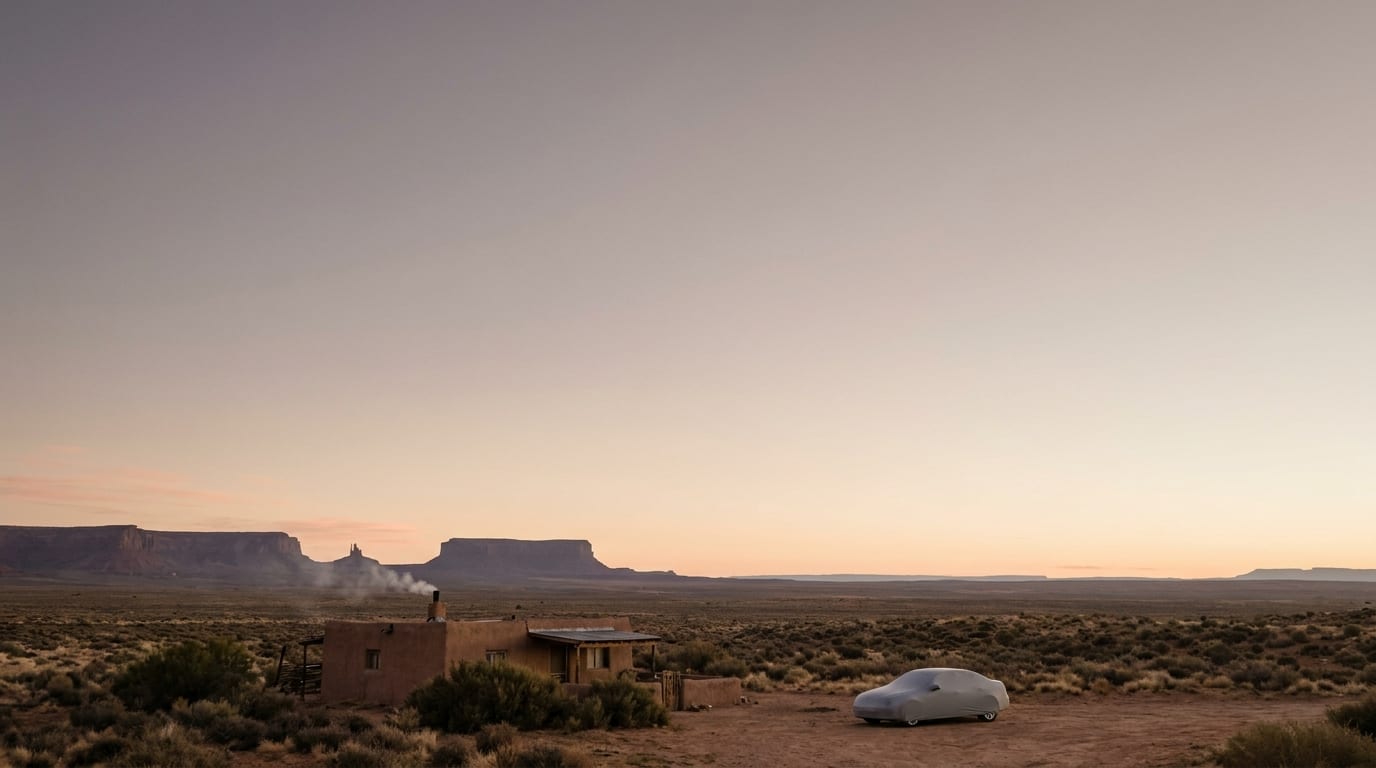
The Quick Answer: What to Buy for Arizona-Level Heat
If your sports car lives outside in Phoenix, Tucson, or anywhere the pavement feels like a stovetop by noon, here's the short version: you want a custom-fit, multi-layer outdoor cover with a UV-reflective outer shell and a breathable inner lining. That's the best car cover for a sports car in a hot, sunny climate like Arizona, full stop. Anything less and you're trading convenience for paint damage.
Why those three things specifically? The UV-reflective outer layer bounces heat and radiation away from your clear coat instead of letting it bake through. Breathable fabric lets moisture and trapped heat escape instead of cooking against your paint overnight. And a custom fit keeps the cover pulled tight against the body, so desert wind gusts don't lift it and expose panels to direct sun for hours at a time.
Here's how the main cover types stack up for this specific use case:
| Cover Type | UV/Heat Protection | Breathability | Fit Precision | Best For |
|---|---|---|---|---|
| Custom-Fit Multi-Layer Outdoor Cover | Excellent | Good to excellent | Exact, model-specific | Daily outdoor parking in extreme heat |
| Universal-Fit Outdoor Cover | Moderate | Varies, often poor | Loose, generic | Occasional use, budget buyers |
| Indoor Satin/Dust Cover | Minimal | Poor outdoors | Loose | Garage-kept cars, dust only |
The indoor option isn't even really a contender here. It's built for dust protection in a climate-controlled garage, not a 115-degree driveway. If your car sits outside, you need something from the outdoor car covers category, and ideally one built around your exact vehicle through a custom-fit cover program rather than a generic universal size.
Why Hot, Sunny Climates Like Arizona Are Brutal on Sports Cars
Desert UV isn't the same as UV everywhere else. The combination of high elevation in some areas, low humidity, and near-constant cloudless skies means your paint takes a harder hit per hour of exposure than it would in, say, Ohio. Clear coat fades and oxidizes faster, and that's especially rough on the dark or metallic finishes common on Corvettes, Mustangs, and exotics, where oxidation shows up as a dull haze instead of a nice deep shine.
Then there's the ground heat. Asphalt and concrete driveways can hit well over 150°F in a summer afternoon, and that heat radiates straight up into your undercarriage and rocker panels. Sports cars sit low to begin with, so there's less airflow clearance to dissipate that heat before it reaches sensitive components and trim near the bottom of the body.
Interiors take a beating too. Dash plastics, leather seats, trim pieces, they all crack and fade even with a cover on, if that cover doesn't seal properly and leaves gaps where sun sneaks through. An ill-fitting cover that bunches at the hood or gaps at the mirrors is basically giving the sun a window to work through.
And it's not just paint and interior. Rubber window seals, tires, and trim dry out under constant desert sun, and that acceleration toward cracking and brittleness happens faster without a barrier in place. If you want the fuller picture on keeping a car cool through summer beyond just the cover itself, the seasonal car care guide for summer heat covers the rest of it.
Must-Have Features for a Sports Car Cover in Extreme Heat
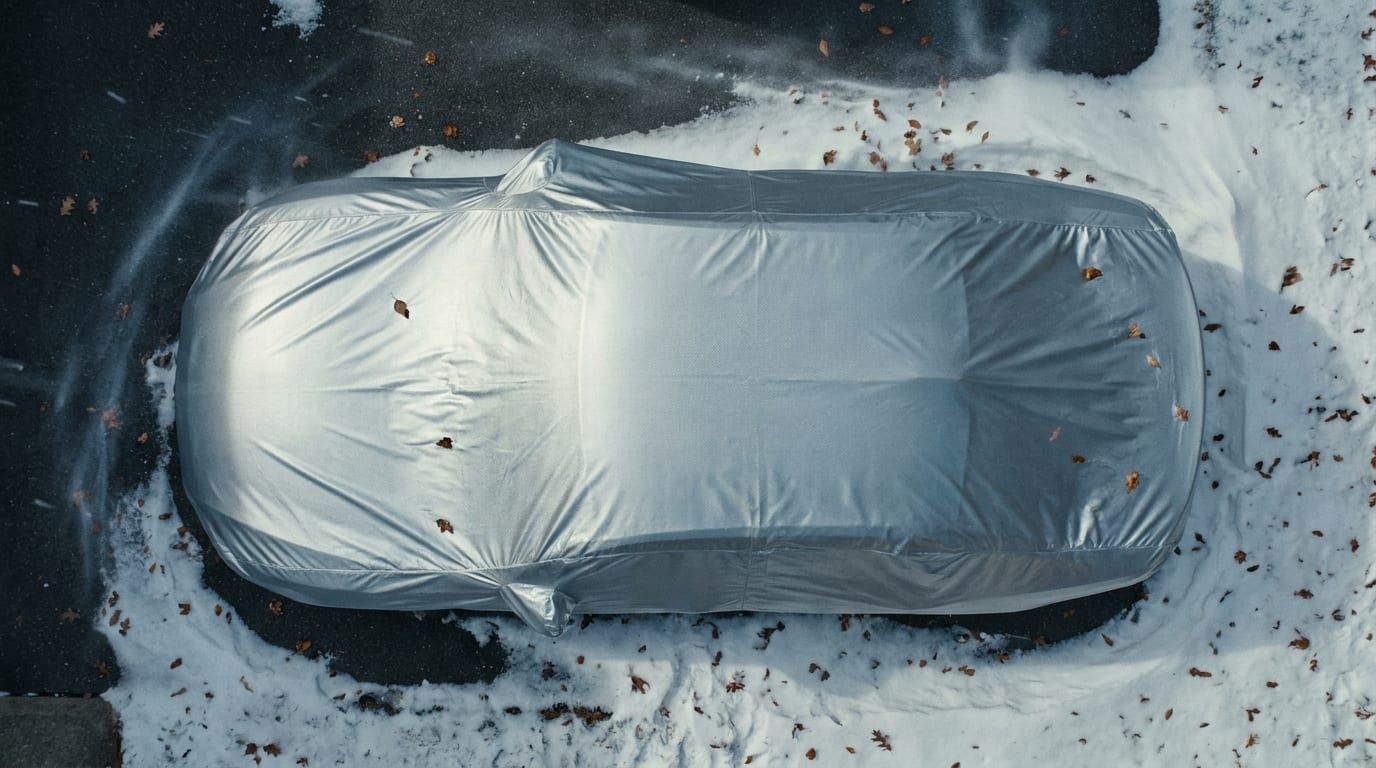
Fabric construction is where this gets decided. You want multi-layer or laminated material with a UV-blocking or heat-reflective treatment baked into the outer shell, not just a single-ply fabric that happens to be thick. Thickness alone doesn't block radiation the way a reflective treatment does.
Breathability matters more in the desert than people expect. Arizona swings hard between scorching afternoons and genuinely cool nights, and that temperature swing creates condensation if the cover can't vent it out. A sealed, non-breathable cover traps that moisture right against your paint, which defeats half the purpose of covering the car in the first place. Vented designs let that air exchange happen without letting sun through.
Inside, you want a soft, brushed lining. This isn't optional if you've got a wrap, a matte finish, or just a clear coat you care about, because a rough inner layer will micro-scratch the surface every time wind makes the cover shift slightly against the body. It's a slow, invisible kind of damage that shows up as swirl marks months later.
Last piece: the strap and buckle system, or an elastic hem, strong enough to handle monsoon season gusts. Arizona's summer storms aren't gentle, and a cover that isn't secured well will shift, bunch, or blow half off, which puts you right back to exposed panels baking in the sun. For a full breakdown of wind, waterproofing, and UV considerations together, the outdoor cover buying guide is worth a read, and if you want to compare fabric types side by side, the material comparison guide goes deeper into that.
Custom-Fit vs. Universal-Fit: Why Precision Matters More in Desert Heat
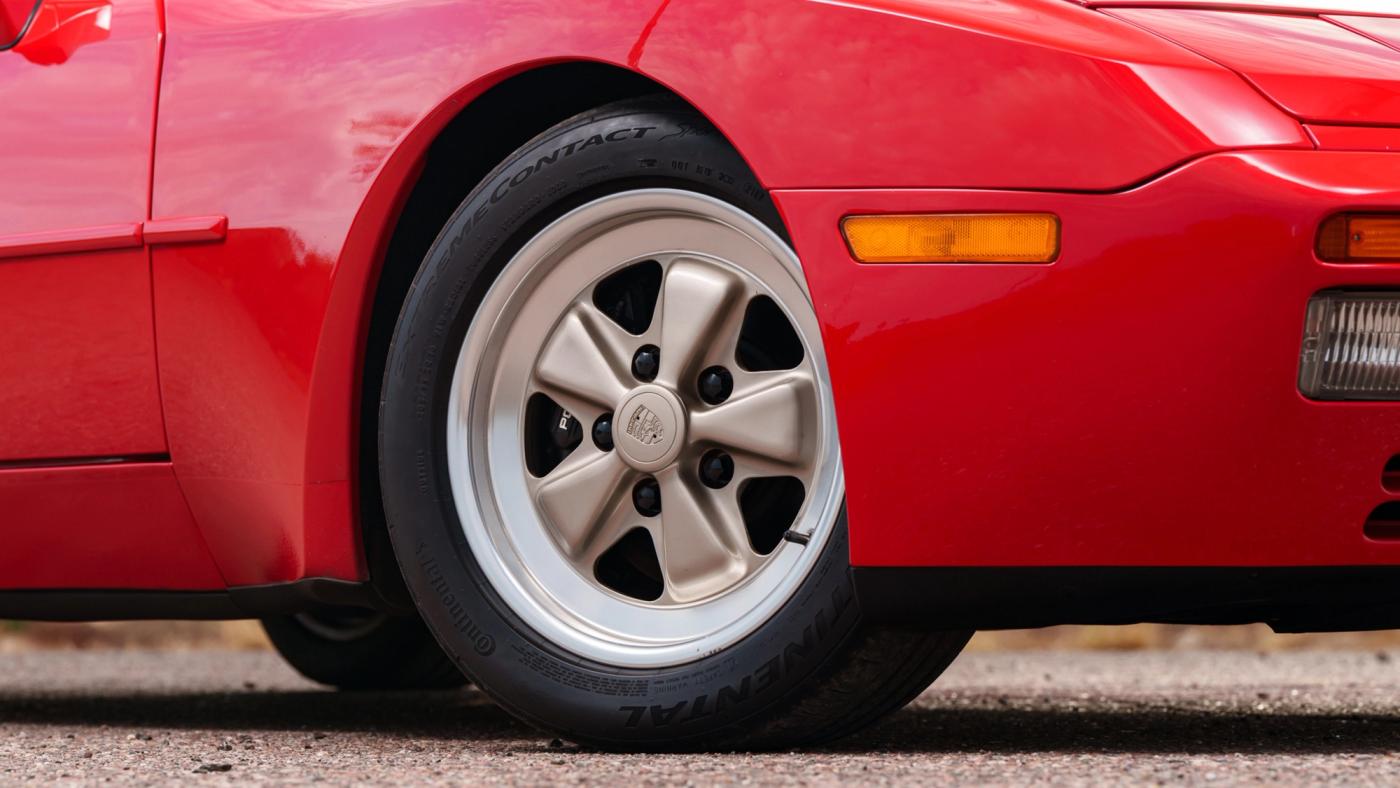
A custom-fit cover is patterned to your car's actual body lines, mirror shape, spoiler, the works. There's no slack fabric left over to flap in the wind or bunch up at the hood. That precision is the whole point when you're trying to keep direct sun off every panel, all day, every day.
Universal "sports car" sized covers don't do this. They're built to loosely fit a range of similarly sized vehicles, which means they often bunch at the hood and trunk and leave gaps at the rocker panels. Those gaps are exactly where hours of direct Arizona sun get through and do the most damage, right at the panel edges where paint is already more vulnerable.
If you own a Porsche 911, a Corvette, or a Mustang, there's a real difference between grabbing something generic and finding a cover actually patterned for your model. Brand pages like Porsche, Chevrolet, and Ford are good starting points if you want to see what's actually built for your specific car rather than a size range.
One thing worth saying plainly: an oversized cover undermines all the UV-blocking fabric tech in the world if it doesn't actually sit against the car properly. Fit is not a secondary consideration here, it's load-bearing for the whole strategy. Before you buy anything, run your measurements against the sizing guide so you're not guessing.
Installing and Maintaining Your Cover for Maximum Protection
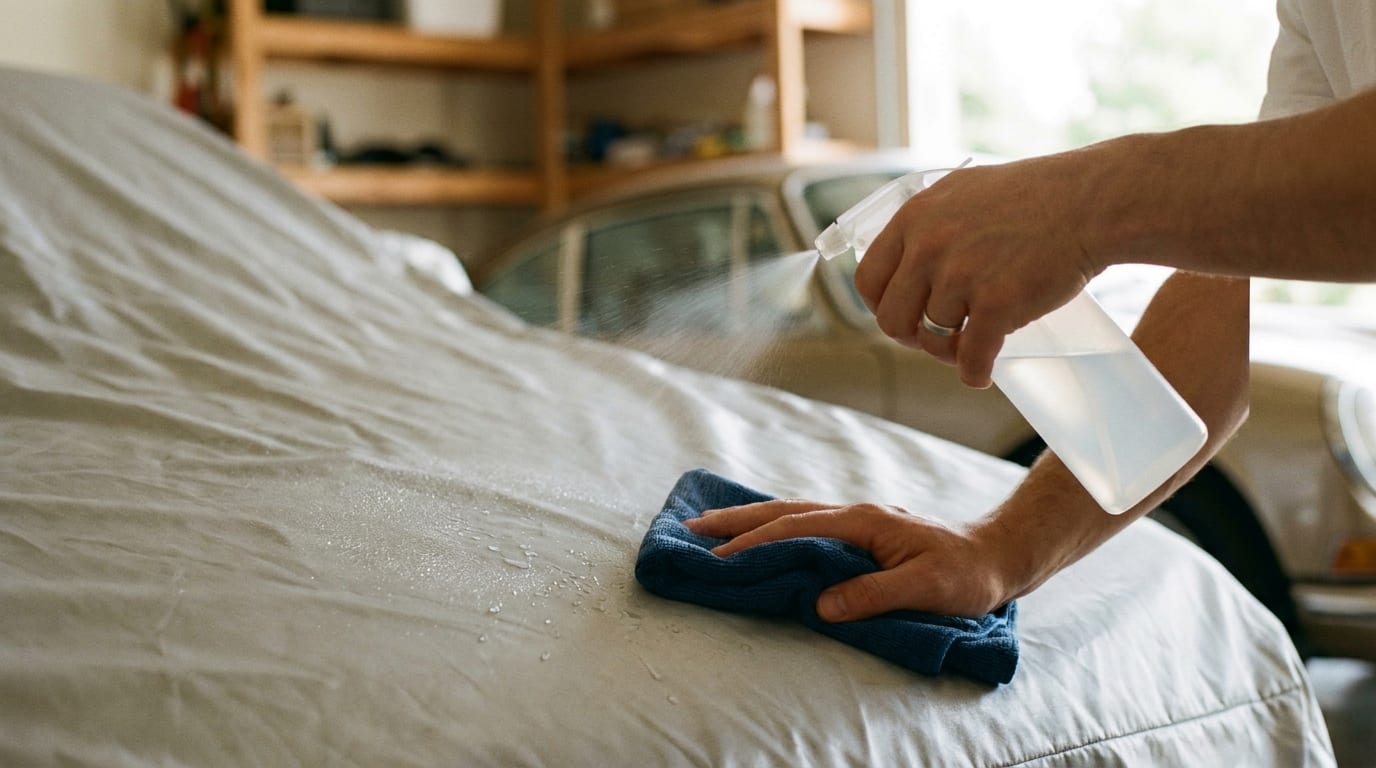
Timing matters more than people think. Throw a cover on a car that just came off a hot freeway drive, and you're sealing residual engine and panel heat underneath it, right against the paint. Better to cover it early in the morning, or after the car's had time to cool down in the shade.
Desert dust and sand aren't just cosmetic annoyances. Grit trapped between the cover and the paint acts like sandpaper every time the fabric shifts, and it also holds heat against the surface instead of letting it dissipate. Regular cleaning, both of the car and the cover itself, keeps that abrasive buildup from accumulating.
The cover needs care too. Rinsing it off and letting it air-dry rather than leaving it folded up dirty helps preserve whatever reflective or UV-blocking coating it has. That coating is doing real work, and dirt and grime degrade it over time just like anything else exposed to constant sun.
Worth checking before you buy: what the warranty actually covers when it comes to sun-related wear. Extreme UV exposure is one of the leading causes of cover degradation in climates like this, so it's worth knowing what's backed and for how long. The lifetime warranty details page lays that out. And if you want the full step-by-step on keeping the cover itself in good shape, the cover cleaning guide and the installation guides hub cover the rest of the process in more detail than I can fit here.
Bottom Line: Match the Cover to the Climate and the Car
So, back to the question that started this: what's the best car cover for a sports car in a hot, sunny climate like Arizona? A custom-fit, multi-layer, breathable, UV-reflective outdoor cover, sized exactly to your vehicle. Not close enough. Exactly.
Fit precision and UV-rated materials are doing more work here than price. A cheaper universal cover might look like the smart move on paper, but if it bunches, gaps, and lets sun hit your rocker panels for four hours a day, it's not actually saving you anything.
If you're ready to look at options, browse car covers by vehicle, or run your specs through the cover finder tool to narrow things down fast. And if you're not buying today, it's worth bookmarking this one, or subscribing for more guides like it, since the right cover really does come down to getting these details right the first time.






