What's the Best Way to Protect a Car Cover Investment So It Lasts for Years?
Published

The Quick Answer
A car cover lasts for years when it's cleaned regularly with the right method, dried fully before folding, stored in a breathable bag away from sun and moisture, secured with straps or a cable lock so wind can't chafe it against the paint, and matched to the vehicle's actual climate and storage conditions from day one. That's really the whole answer. Everything else in this guide just unpacks how to do each piece right.
Most premature cover failures come down to two mistakes: storing the cover damp, which invites mildew and fabric breakdown, and letting it flap loose in the wind, which abrades the surface and tears grommets loose. Fix those two habits and you've solved most of the problem. A quality cover that's cleaned, dried, and secured properly can realistically protect a vehicle for several years. Neglect it and you might get one season before the fabric starts failing.
Clean It the Right Way Between Uses
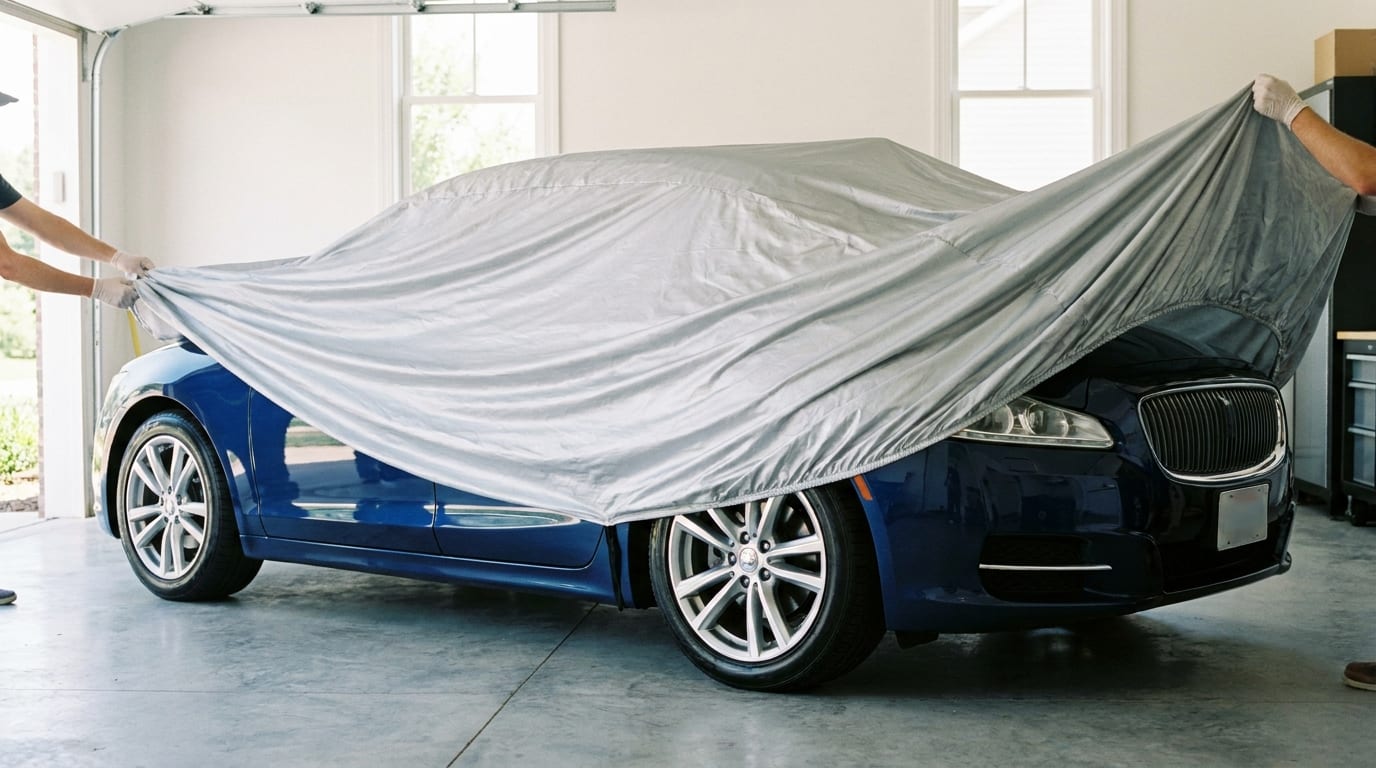
Dirt, pollen, tree sap, and road grit don't just sit on the fabric looking ugly. Every time you pull the cover on or off, that grit grinds against both the clear coat underneath and the cover material itself. It's basically sandpaper, and it happens quietly, a little bit each use, until one day the fabric looks worn out and you're not sure why.
Use a mild soap made for the cover's specific material, not whatever detergent is under the kitchen sink. Household cleaners strip the water-repellent coatings that make a cover worth owning in the first place. For outdoor covers, a light rinse or wipe-down once a month keeps grit from building up, with a deeper clean every 3 to 4 months or right after a heavy pollen season or a storm. Skip the washing machine and the dry cleaner entirely. Heat and harsh chemicals break down UV-resistant and waterproof coatings fast, and that damage doesn't reverse. For the full process, our step-by-step guide to cleaning a car cover walks through exactly what to use and what to avoid.
Always Dry It Completely Before Folding or Storing
Here's where a lot of covers die early: folded up wet and shoved in the trunk. Even materials marketed as waterproof can trap moisture against the fabric underside, and mildew doesn't need long. Give it a few days in a damp fold and you'll smell it before you see it.
Air-dry the cover flat, or drape it over a rack or a couple of sawhorses, before you store it. Don't ball it up straight off the vehicle. Once it's dry, put it in a breathable storage bag instead of a sealed plastic bin. An airtight container traps whatever moisture is left and turns it into condensation, which just recreates the same mildew problem you were trying to avoid. This single habit, drying fully before storage, is probably the best way to protect a car cover investment beyond the basics of just owning one.
Secure It Correctly Every Time It's On the Vehicle
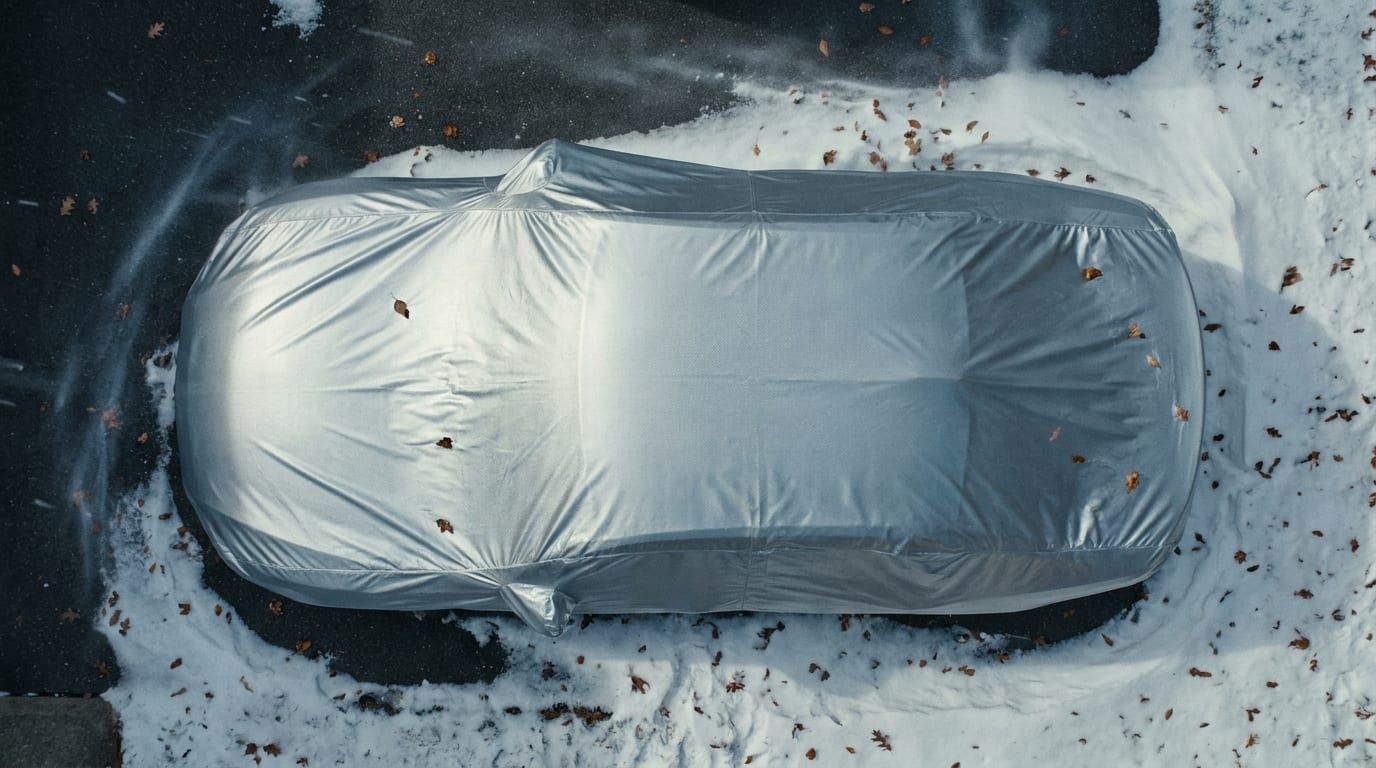
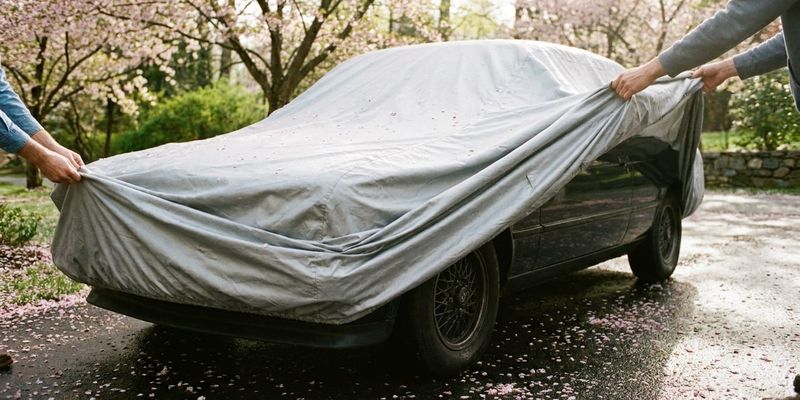
Wind lift wrecks more covers than sun does. A cover that's not secured will catch gusts and flap against the mirrors, the antenna, the body panels, over and over, and that constant friction wears through fabric faster than almost anything else. You'll usually see it first at the mirror pockets and roofline, right where the fabric rubs hardest.
Most quality covers come with built-in grommets for exactly this reason. Pair them with a cable lock and you solve two problems at once: the cover stays put in wind, and it's a lot harder for someone to just lift it off the car. If you're in a windy region or leaving the cover on for extended outdoor storage, add gust straps that cinch underneath the vehicle. Skipping these accessories is, honestly, the single most common reason a cover fails well before it should. People buy a solid cover, never secure it, and then wonder why it's torn at the seams six months later.
Match the Cover Type to Where and How It's Actually Stored
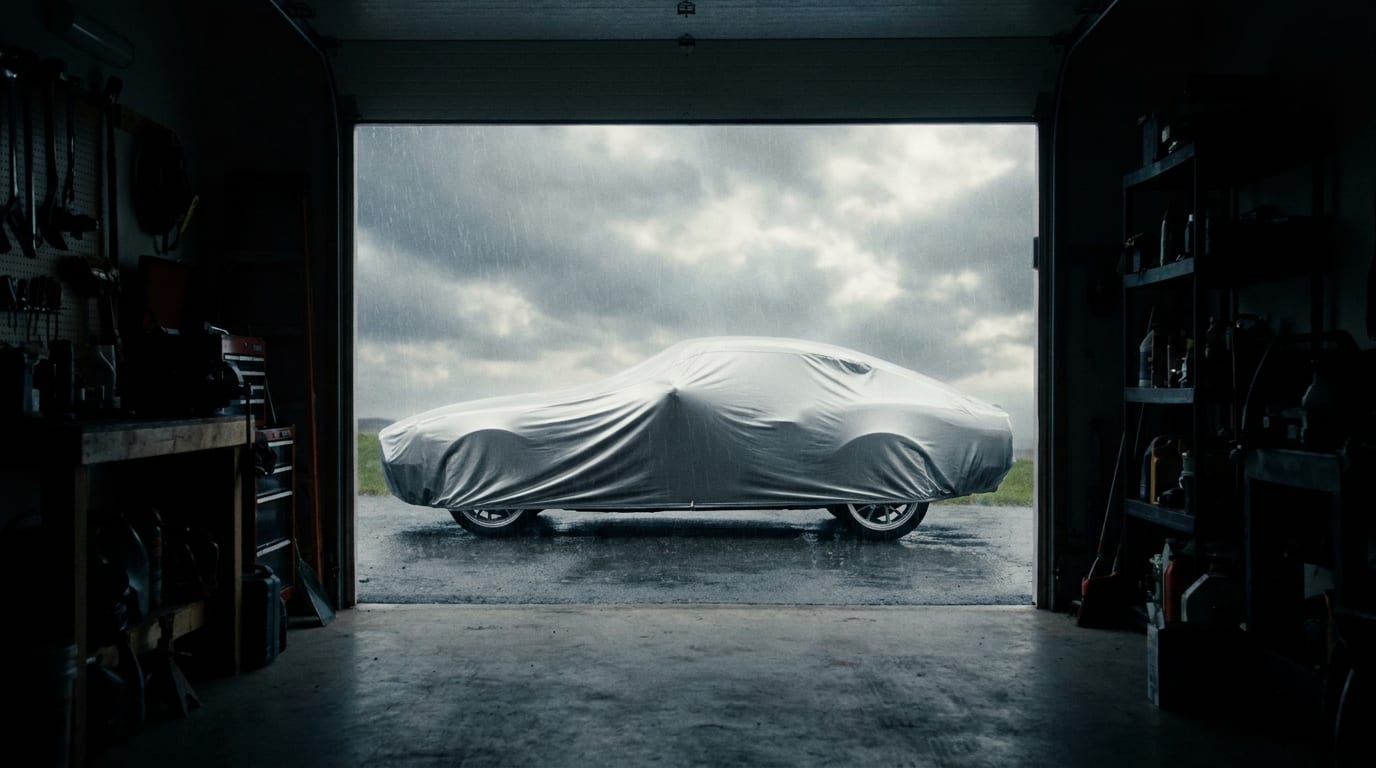
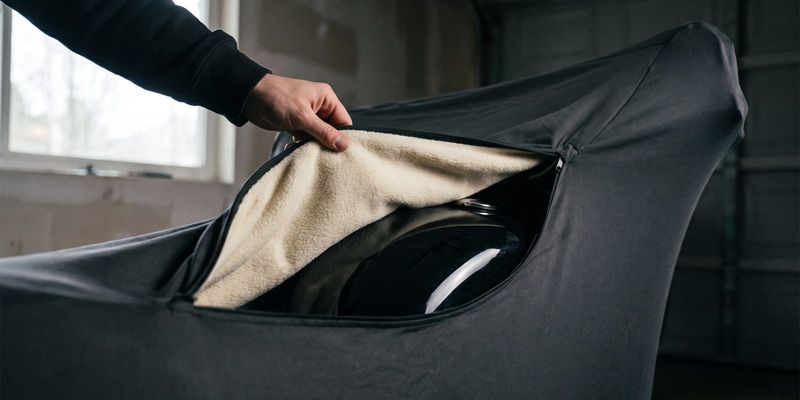
An indoor cover and an outdoor cover aren't interchangeable, even though they look similar folded up. Indoor covers are lighter and breathable, built to stop dust and light scratches in a garage. Outdoor covers are heavier, UV-stabilized, and waterproof, built to take sun and rain day after day. Put an indoor cover outside for a season and you'll watch it degrade in weeks.
The reverse mismatch happens too. A cover rated for occasional light rain isn't built to handle daily sun exposure or snow sitting on top of it for days. If you know the vehicle sits outside year-round, buy for that environment from the start rather than trying to make a lighter cover stretch further than it's designed for. Our guide on using a car cover outdoors covers how to judge that against your actual climate. And it's worth checking which waterproof fabric or material actually fits your situation, since "waterproof" covers a pretty wide range of real-world performance.
Fit matters just as much as material. A cover that's too loose shifts around in the wind and chafes at the same spots repeatedly. One that's too tight stresses the seams every time it goes on, and eventually something gives, usually at a corner or a mirror pocket. Proper installation starts with getting the fit right before anything else.
Inspect for Small Problems Before They Become Big Ones
Get in the habit of a quick look-over each time the cover comes on or off. Loose stitching, a worn elastic hem, a small tear starting at a seam, water that no longer beads on the surface and just soaks in instead. These are all early warning signs, and none of them take more than thirty seconds to spot once you know what to look for.
A small tear doesn't stay small. Left alone, wind stress pulls at it every time the cover's on the car, and a pinhole can become a six-inch rip within a few outings. Catch the fraying early and a simple spot repair solves it. Wait too long and you're looking at a full replacement instead of a patch job. This is the cheapest kind of maintenance there is: thirty seconds now versus buying a whole new cover later.
Know What Your Warranty Actually Covers
Register the cover after you buy it. It takes a few minutes and it matters if a material defect shows up down the line that has nothing to do with how you've used it. Keep the receipt too, since warranty claims move faster with proof of purchase in hand.
Worth understanding going in: a manufacturing defect, like a seam that fails under normal use, is typically what a warranty covers. Wear from storing the cover damp, or skipping straps and letting it flap loose for a year, generally isn't. That's just wear from how the cover was treated, not a flaw in the product. Registering the product soon after purchase means you're not scrambling to find documentation if you ever do need to file a claim.
Bottom Line: Treat the Cover Like Part of the Vehicle's Maintenance Routine
Clean it regularly with the right soap. Dry it fully before it goes into storage. Keep it in a breathable bag, not a sealed bin. Secure it with straps or a cable lock every single time. Buy the version built for your actual climate. Check it over each time you use it. None of this is complicated, but skipping any one of them is how a cover that should last years ends up replaced after one.
If you're still working out which fit or material makes sense for your vehicle, it's worth browsing our car care resources or digging into our other guides before you buy. A few minutes of care after each use is really the difference between a cover you replace every fall and one that's still doing its job three winters from now.