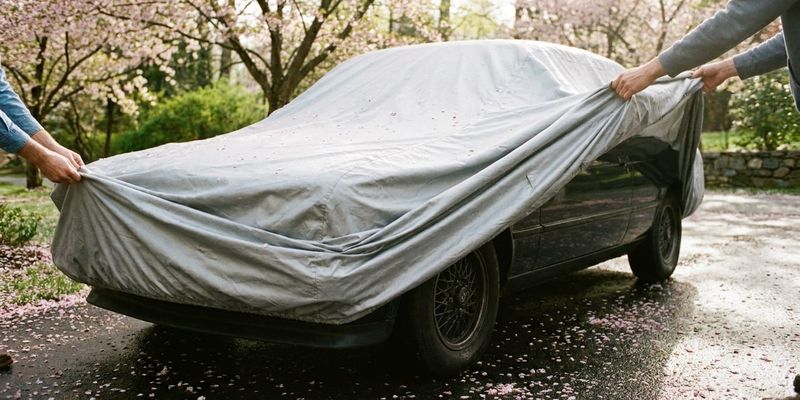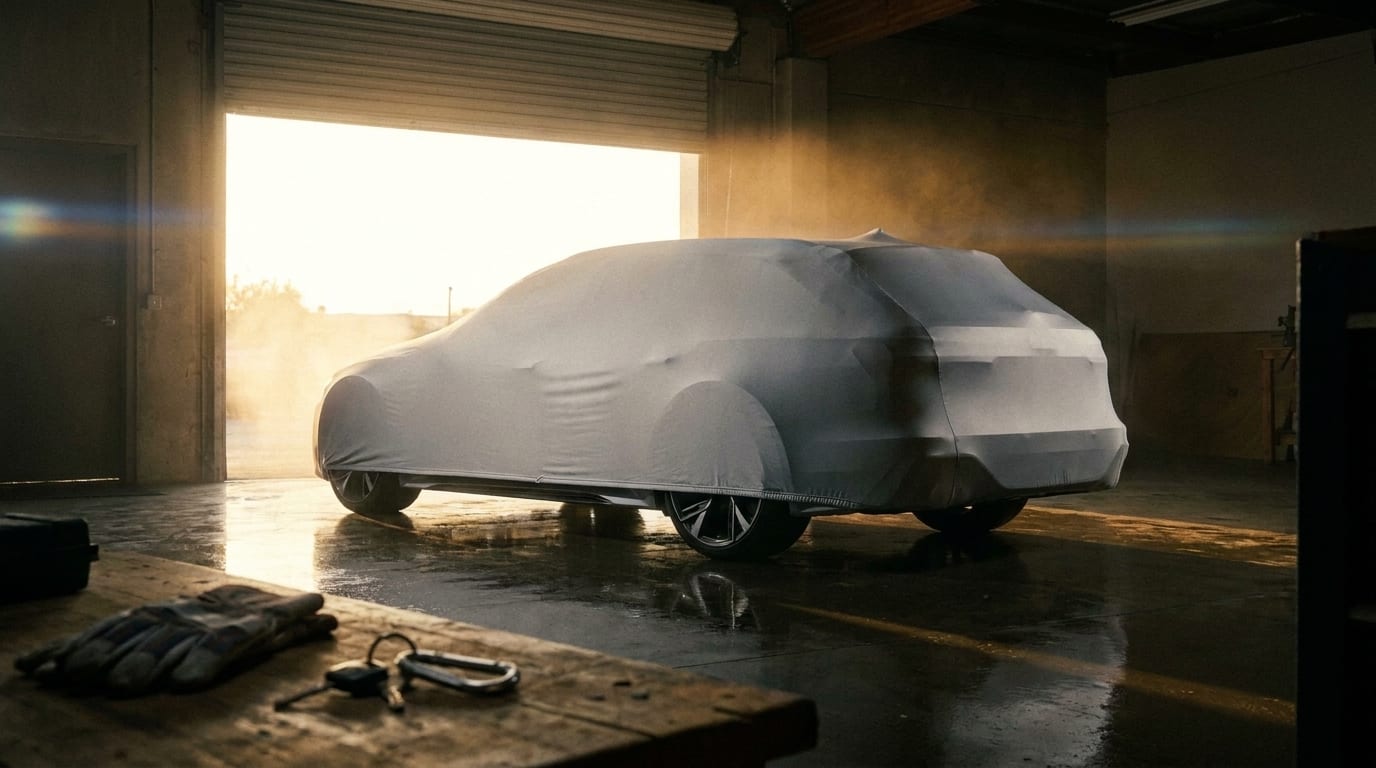
Subaru Outbacks get parked everywhere: driveways, trailheads, office lots, ski resort gravel. That kind of life means real exposure to sun, rain, and dust, and a decent cover handles all of it without you needing to spend like you're protecting a Porsche. If you're looking for an affordable car cover for your Subaru Outback, the good news is the shape and size of this wagon-crossover make it one of the easier vehicles to find a well-fitting cover for at a reasonable price. The bad news is "affordable" gets used to sell some genuinely bad products, so it helps to know where the line is.
Why Subaru Outback Owners Don't Need to Overspend on a Cover
The job of a cover is simple: keep sun, rain, and dust off the paint, clearcoat, and interior. That's it. You don't need heated elements, military-spec ballistic nylon, or a cover designed for a vehicle twice the Outback's value.
The Outback's body style also works in your favor. It's a long-roofline wagon with roof rails and a hatchback, and that profile is common enough that manufacturers have been cutting patterns for it for years. Plenty of covers are designed around that exact shape, which means decent fit doesn't require a custom order at a premium price.
Affordable doesn't have to mean flimsy, though. There's a real floor below which a cover just stops doing its job, and a lot of budget shoppers don't find that floor until the cover they bought is already shredded. This guide covers what actually drives cover pricing, where the minimum quality bar sits, which price tier fits your situation, and where it's fine to cut corners versus where it costs you more later. If you want to see what's actually built for this vehicle, Subaru-specific cover options are a reasonable starting point before you go comparing random SUV covers that weren't designed with the Outback's rails and hatch in mind.
What Actually Drives the Price of a Car Cover
A few things separate a $40 cover from a $150 one, and it's worth knowing which of them you actually need.
Material layering is the big one. A single-layer fabric cover is cheap to make and cheap to buy, but it also tears easier and breaks down faster under UV exposure. Multi-layer laminated fabrics cost more because they're doing more: outer layer for weather resistance, inner layer for softness against the paint. That added fabric weight shows up in both the price tag and how long the cover survives a season outdoors.
Fit is another factor. Custom-fit covers are cut to the Outback's exact dimensions, roof rails included, and that precision costs more to manufacture than a generic universal cover sized for "mid-size SUVs" in general. A universal cover is cheaper upfront, but it's also baggier, and bagginess causes its own problems (more on that later).
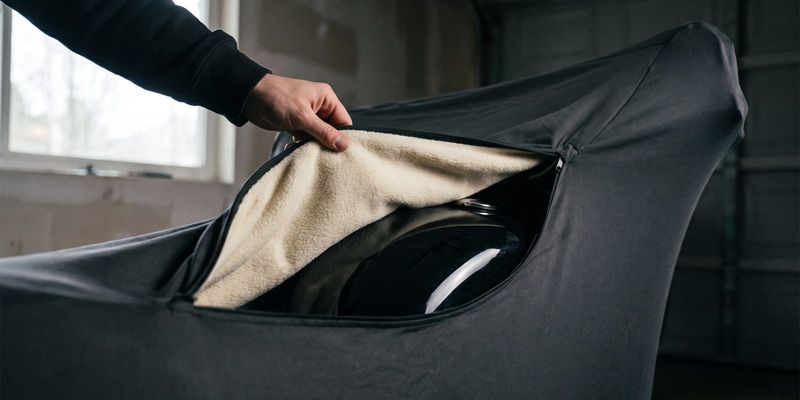
Then there are the add-ons: a soft inner liner, grommets for a cable lock, elastic hems that cinch the cover tight, reflective trim for visibility, a storage bag. None of these are essential, but each one nudges the price up.
Whether a cover is rated for indoor or outdoor use matters a lot too. An indoor cover only needs to block dust, so it can be thin and cheap. A waterproof outdoor cover needs UV inhibitors and water-resistant coatings built into the fabric, and that engineering costs more.
Finally, warranty length and brand reputation quietly affect price. A company willing to back its cover with a real written warranty is usually pricing in the fact that the material should actually last that long.
The Minimum Quality Bar: What to Never Go Below

Here's where I'll take a firm stance: skip the cheapest unbranded "universal fit" covers that don't tell you what the fabric actually is. If the listing doesn't name the material, doesn't mention a fabric weight, and doesn't state UV or water resistance anywhere, that's not a budget option, that's a one-season disposable. Those covers fade, crack, or tear apart faster than most owners expect, and then you're buying a second cover anyway.
A real baseline looks like this: the material is named (woven polypropylene, polyester blend, something you can actually look up), seams are reinforced rather than just stitched once, and UV and water resistance are stated outright rather than implied. If you want a primer on what these fabrics actually mean in practice, this breakdown of cover materials is worth a few minutes before you buy.
Fit matters just as much as fabric, even on a tight budget. A cover that's too loose will flap in wind and rub against the clearcoat, which defeats the entire point of owning one. Semi-custom or custom-fit for the Outback's specific body style is worth the small premium over a vague "universal" listing.
And don't skip the warranty. Even a basic one-year written warranty tells you the maker expects the material to hold up. No warranty at all is often the clearest signal that nobody expects the thing to survive contact with weather. Coverage backed by something like a lifetime warranty program is obviously the stronger end of that signal, but even a modest guarantee beats none.
Budget Price Tiers for a Subaru Outback Cover
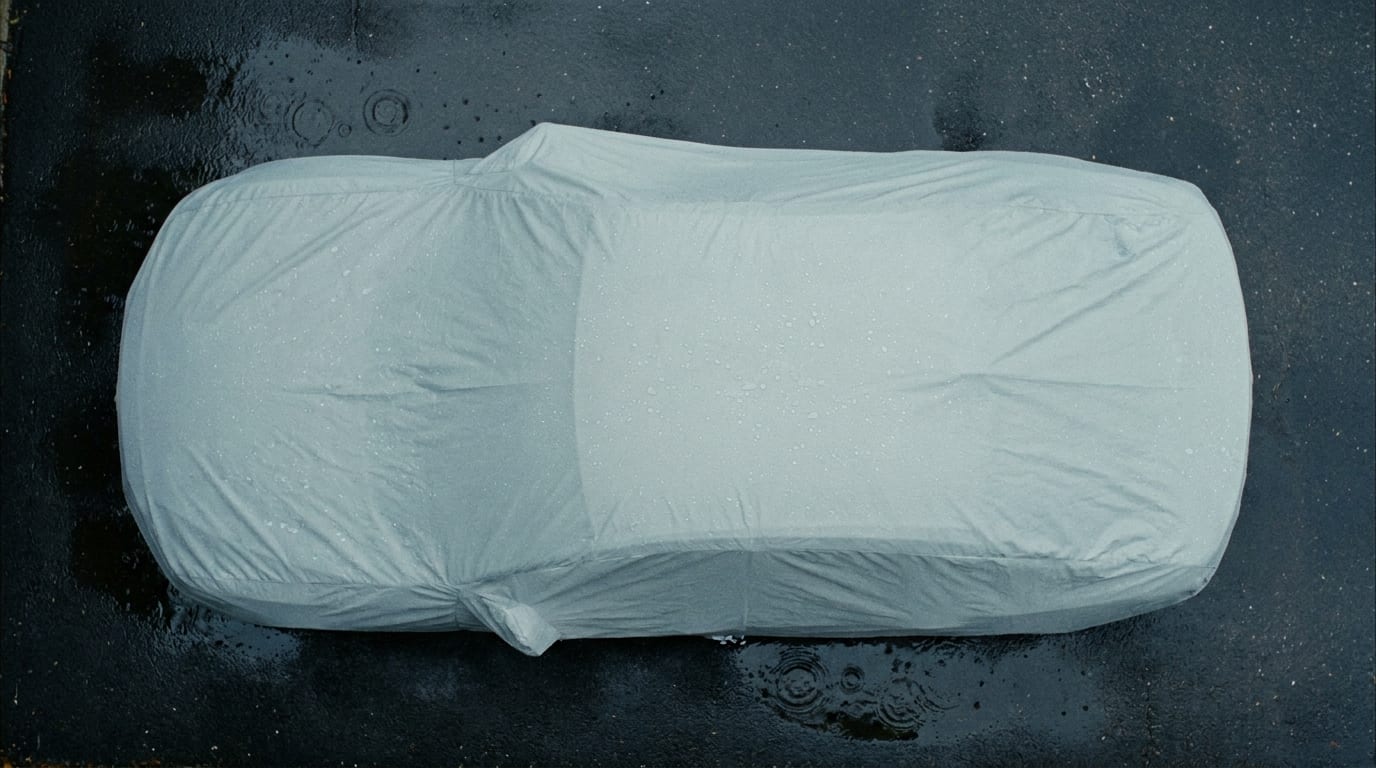
Rather than quoting prices that'll be outdated in a year, it helps to think in tiers and compare whatever you're looking at against them.
Entry tier covers are lightweight, indoor-only dust covers. They're the cheapest option on the shelf, and they're genuinely fine if the Outback lives in a garage and never sees rain or sun. Don't use one outside, though. They're not built for it.
Mid tier covers are all-weather, multi-layer, water-resistant fabric. This is the sweet spot for most Outback owners, especially anyone who parks outside sometimes but isn't leaving the car exposed year-round. You get real UV and moisture protection without paying for every possible add-on.
Upper-budget tier covers are custom-fit, built for outdoor use, and come with extras like reinforced grommets and longer warranties. They cost more than the mid tier, but they're still affordable next to premium or luxury-grade covers, and the better fit means the cover actually lasts as long as it's supposed to.
When you're comparing listings, use this framework instead of chasing the lowest number on the page. A $15 cover marketed for a crossover with no material details is almost always worse value than a $60 one that names its fabric and states a warranty, because you'll likely replace the cheap one within the year. For a side-by-side look at how different options stack up on fit, material, and price, this cover comparison guide is a useful gut check.
Where to Save and Where Not To
Some corners are fine to cut. Color is cosmetic, pick whatever you like. Extra accessories like antenna patches, premium zippered storage bags, or branded trim are nice but not functional necessities. If a clearance listing has the right material and fit minus the fancy bag, that's a legitimate way to save money, and it's worth checking the clearance collection before paying full price for the same spec elsewhere.
Where you shouldn't save: weatherproofing, if the Outback is parked outside at all. Fit accuracy around the roof rails and rear hatch, since that's where a loose cover catches wind and starts rubbing. And UV resistance, especially if you're in a sunny climate where unprotected paint and interior plastics fade within a season or two.
Here's the math that gets skipped: a poorly fitting $20 cover that flaps against the hood for six months can do more cosmetic damage than no cover at all, and then you're buying a replacement on top of whatever paint correction the first one caused. That's not saving money, that's deferring the cost and adding interest.
The smarter approach is matching the cover to how you actually use the car. Daily outdoor parking calls for a real all-weather cover. Seasonal storage in a garage can get by with something lighter. A dust cover for a car that's already under a carport is a different purchase than a cover for one that sits in a driveway through winter. Buying the cheapest option across the board, regardless of use case, is how people end up disappointed.
Fit, Sizing, and Installation Tips Specific to the Outback

The Outback's roof rails and wagon-length body are the main things to think about when choosing fit. A generic "mid-size SUV" universal cover often doesn't account for rails at all, and the fabric catches or sags around them. That's the fit problem that turns a decent cover into a noisy, flapping one within a month.
Don't guess your size from a loose category listing. Check sizing guidance specific to your model year before buying, since even within "Outback" there's been some variation in dimensions across generations.
Installation is where a budget cover can punch above its price. Use the straps or elastic hem properly so the fabric stays snug instead of billowing in wind, and if the cover has grommets, run a cable lock through them, both for security and to keep the cover anchored in gusty weather.
Care extends the life of any cover, budget or not. Shake off loose debris and let it dry before folding it up, and don't stuff it away damp or dirty since that's how mildew and fabric breakdown start. A few minutes of basic cover cleaning between uses buys you real extra seasons out of the same cover.
Final Take: Getting the Best Value on a Subaru Outback Cover
Keep it simple: named material, stated UV and water resistance, a fit that actually matches the Outback's shape, and a basic warranty behind it. Hit those four and you're not gambling on a cover that falls apart by spring.
Affordable and durable aren't opposites here. Most of the "cheap covers are junk" complaints come from skipping one of those four boxes, not from the price itself. A cover that checks all four can cost less than you'd expect, especially for a shape as common as the Outback's.
If you're still narrowing things down, it's worth browsing a few options side by side, comparing fit notes and material specs before you commit, and maybe bookmarking our other buying guides for when it's time to think about your next vehicle too.