All-Weather Car Cover vs. Seasonal Car Cover: Which Should You Buy?
Published
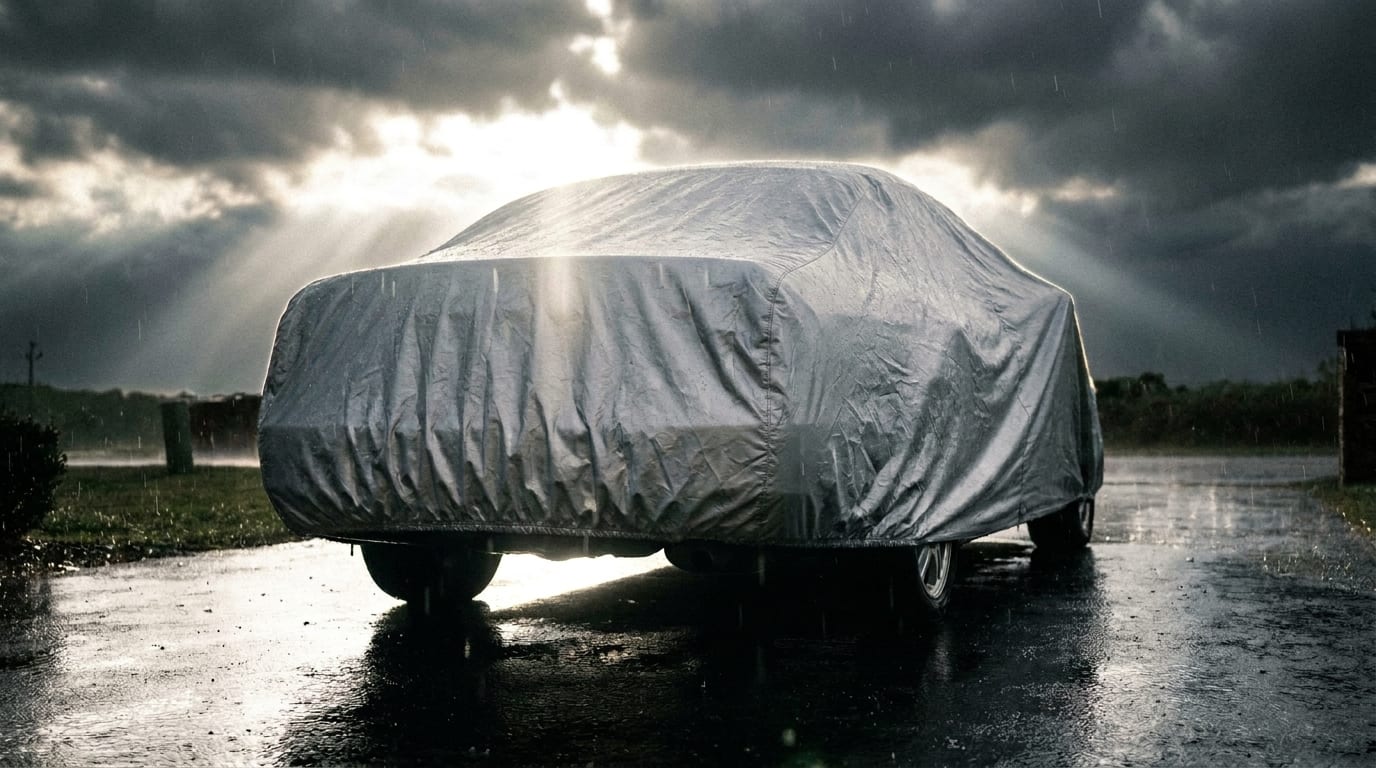
The Quick Verdict: All-Weather vs. Seasonal Car Covers
Here's the short answer: if you drive year-round and want one cover that handles whatever the sky throws at it, get an all-weather car cover. If your climate swings hard between brutal winters and scorching summers, and you don't mind swapping covers twice a year, go seasonal. That's the whole all weather car cover vs seasonal car cover decision in one sentence.
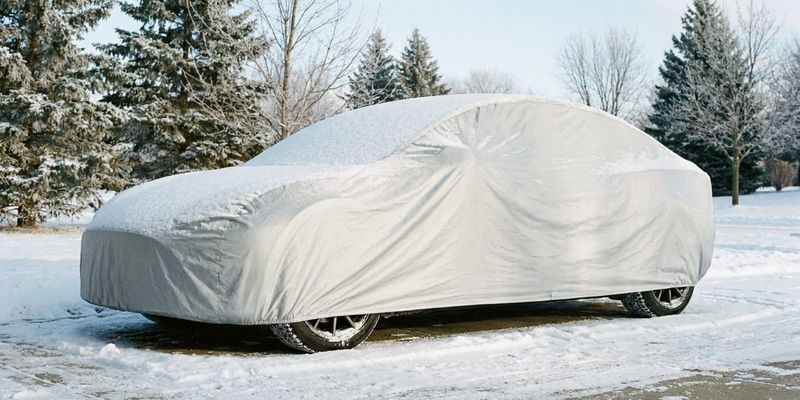
A quick clarification before you keep reading. "All-weather" doesn't mean it beats a dedicated winter cover in a blizzard or out-breathes a summer cover in Phoenix heat. It means the fabric is built to handle a mix of sun, rain, and light snow without falling apart. It's a generalist, not a specialist.
Seasonal setups, meanwhile, are really two separate purchases. A breathable summer cover for UV and heat, and an insulated winter cover for snow load and ice. Each one is optimized for a single threat, which is exactly why they perform better at their one job.
So this isn't really about which option is "better" made. It's convenience against precision. One cover you never think about, or two covers that each do their narrow job really well.
All-Weather Car Cover vs. Seasonal Car Cover: Comparison Table
Laid out side by side, the trade-offs get a lot clearer.
| Factor | All-Weather Cover | Seasonal Cover (Summer + Winter) |
|---|---|---|
| Weather protection scope | UV, rain, light snow, dust in one fabric | One extreme per cover: winter insulation or summer breathability |
| Cost over time | One purchase | Two covers, replaced on separate timelines |
| Material weight | Multi-layer compromise fabric | Summer: light and breathable. Winter: heavy and insulated |
| Swapping effort | None, stays on year-round | Changeover twice a year, plus storing the unused cover |
| Best climate fit | Moderate, mixed, unpredictable weather | Regions with genuinely extreme winters and summers |
| Durability per cover | Wears all 12 months | Each cover only sees about 6 months of exposure |
| Ideal owner | Daily drivers who want simplicity | Collectors or garage-kept vehicles with a storage routine |
The durability line is the one people miss. A seasonal cover ages slower per calendar year because it's only exposed half the time. An all-weather cover is out there in all of it, all year, which is part of why fit and fabric quality matter more than people assume. If you're parking outdoors full-time, it's worth reading through what actually makes a cover waterproof before you commit to either path, since "water resistant" and "waterproof" get used loosely in this category.
What Is an All-Weather Car Cover?

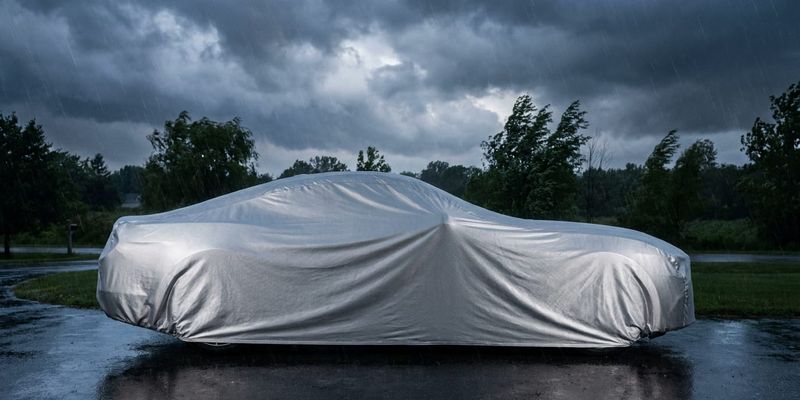
Most all-weather covers use a multi-layer woven fabric built to do three things at once: block UV, shed light-to-moderate rain, and resist dust. It's a single product doing a generalist's job.
Where it shines is outdoor parking in a region that doesn't commit to one extreme. Think a place with real rain in spring, real sun in summer, and maybe a dusting of snow in January, none of it severe enough to need specialized gear. If that's your driveway, this guide to protecting a car parked outdoors is worth a look before you buy.
Be honest about the limits, though. A true all-weather cover won't insulate against heavy snow and ice the way a dedicated winter cover will, and it won't breathe as well as a summer-specific cover in extreme heat. It's a compromise fabric, and compromises mean nothing is maximized.
Fit matters just as much as the fabric itself. A universal cover flaps in wind-driven rain and lets water find the gaps. A custom-fit cover seals against the body lines and keeps that same wind-driven rain out where a loose universal fit would fail. If you're unsure whether a given cover's rating actually holds up in your climate, the waterproof fabrics breakdown is the place to check before buying.
What Is a Seasonal Car Cover?
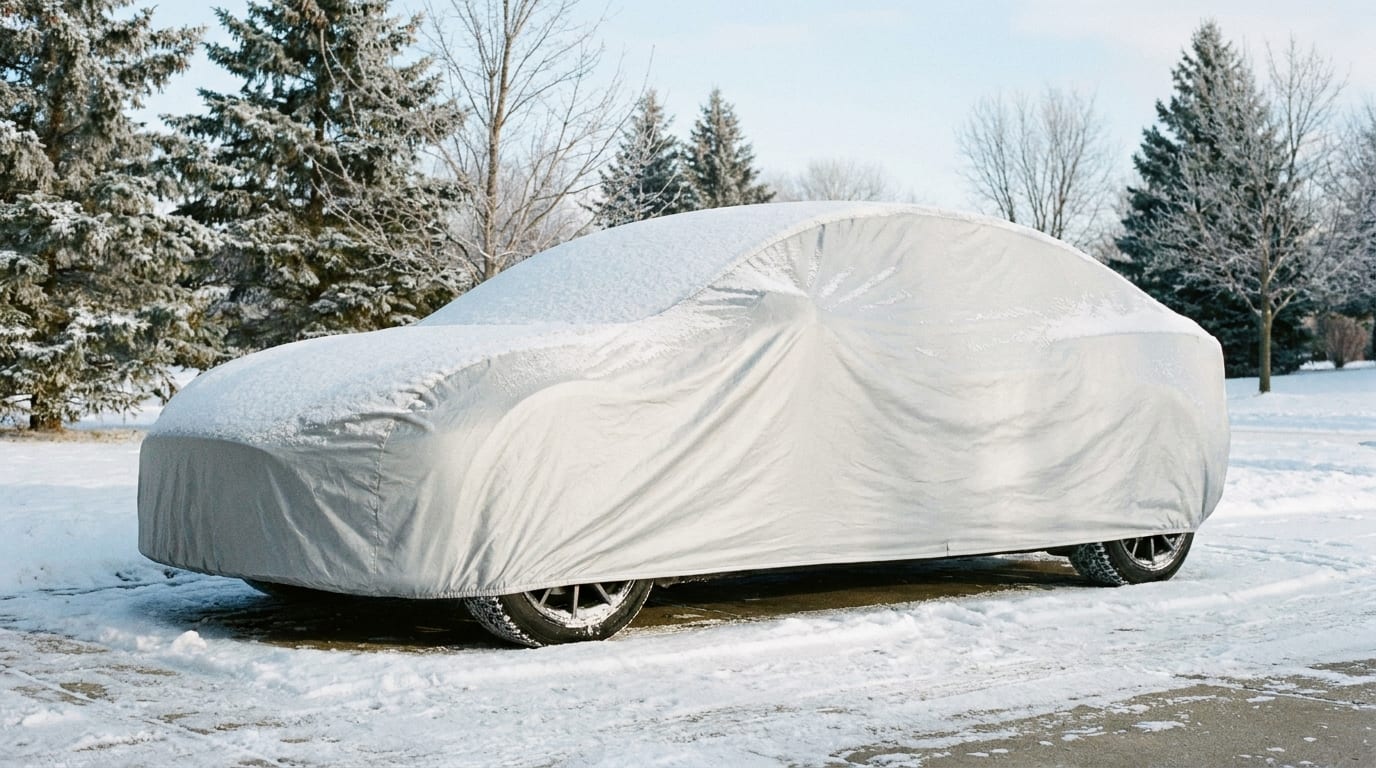
Seasonal setups split the job into two covers, each tuned for one threat.
Summer covers prioritize breathability and UV resistance. The goal is stopping paint fade and keeping interior heat buildup down, so the fabric is lighter and looser-woven. Winter covers flip that priority entirely: water resistance, insulation, and the strength to carry snow load and resist ice, usually with tighter strapping to handle wind.
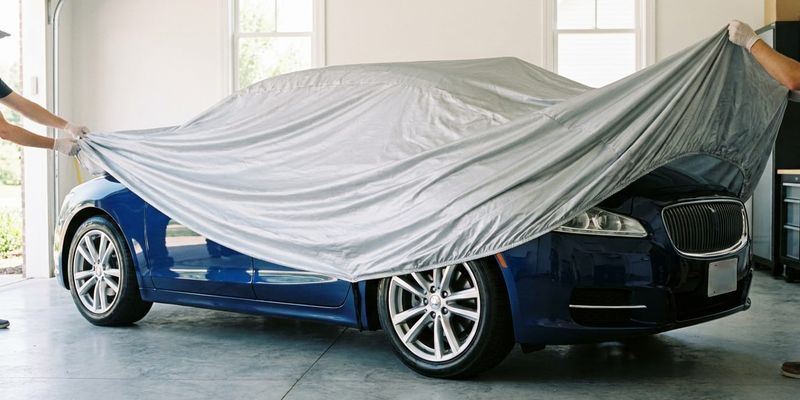
Owners running this system typically swap covers twice a year, once in spring and again in fall, storing whichever cover isn't in use. That's an extra task most daily drivers skip, but it's a natural fit for anyone who already has a storage routine for indoor-kept vehicles, garage space, or a dedicated spot for the off-season cover. Classic car owners, convertible owners who only drive April through October, and RVs parked for winter all fit this pattern more naturally than someone driving the same car to work every day.
Which Cover Type Fits Your Situation?
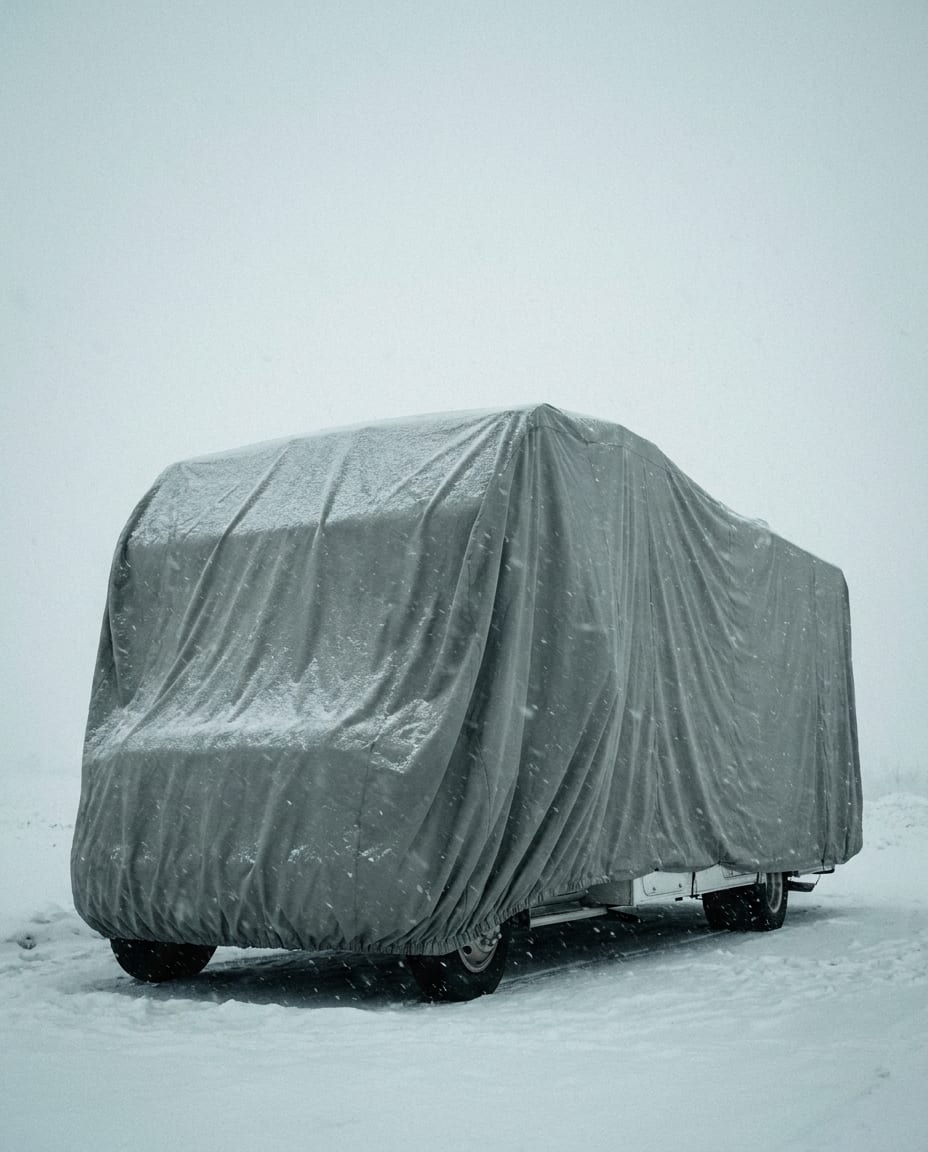
Run through a few real variables before deciding.
Climate variability is the big one. If your winters are mild and your summers aren't extreme, an all-weather cover closes the gap just fine, no second cover needed. Where storage happens matters too. A car parked outdoors 365 days a year is a different situation than one that moves into a garage for half the year.
Vehicle type shifts the math as well. A daily driver that needs protection every single day leans toward all-weather simply because nobody wants to be swapping covers in a parking lot. A seasonal or collector vehicle, like a convertible only driven in summer, is already sitting idle part of the year, which is exactly when a cover swap is easiest to manage.
Budget and maintenance tolerance count for something too. One cover to wash and inspect is less work than two covers to maintain, store, and eventually replace separately. For a deeper look at how this plays out specifically outdoors, the outdoor car cover guide covering wind, UV, and waterproofing walks through it in more detail.
Worth calling out directly: RV and camper owners are often already set up for seasonal switching. If the rig gets winterized and tucked away for months anyway, swapping to a dedicated winter cover at that same moment costs almost nothing extra in effort.
How to Choose: A Quick Decision Checklist
Five steps, in order.
First, name your region's dominant threat. Is it sun and heat, heavy rain, snow and ice, or genuinely all three in roughly equal measure? Second, figure out where the vehicle actually lives: outdoors full-time, garage-kept, or moved into storage for part of the year.
Third, be honest with yourself about step three in practice: will you actually swap and store a second cover twice a year, or will it sit in the garage unused while the car goes uncovered? A seasonal setup only works if the swap actually happens.
Fourth, match the cover type to how and where you park using the indoor car cover guide or the outdoor equivalent before you commit to a custom-fit purchase, since custom sizing isn't cheap to get wrong twice. And if you're still weighing whether a cover is worth it at all for your situation, this rundown on why a car cover matters and the basics of general car care are good starting points.
Fifth, check the warranty before buying. This matters more than people think for all-weather covers specifically, since they rack up 12 months of exposure instead of 6. Look at the lifetime warranty terms before you decide, not after something tears.
Final Take: Protecting Your Car Year-Round
If you're skimming just for the answer: all-weather for simplicity in a mixed climate, seasonal for precision in an extreme one. Neither is the "better" cover in some absolute sense, they're built for different jobs.
One thing matters more than the all-weather/seasonal label itself, though: fit. A custom cover that actually matches your vehicle's body lines will outperform a universal one of either type, every time, because loose fabric is where water, wind, and dust all find their way in.
If you're still not sure which way to go, run your vehicle through CoverFinder or browse covers built for your specific make and climate to see what actually fits your situation. And whichever you choose, check the warranty terms before it goes on the car, especially if it's staying there all year.