What Happens If You Wash a Car Cover in a Washing Machine (And How to Fix It)
Published
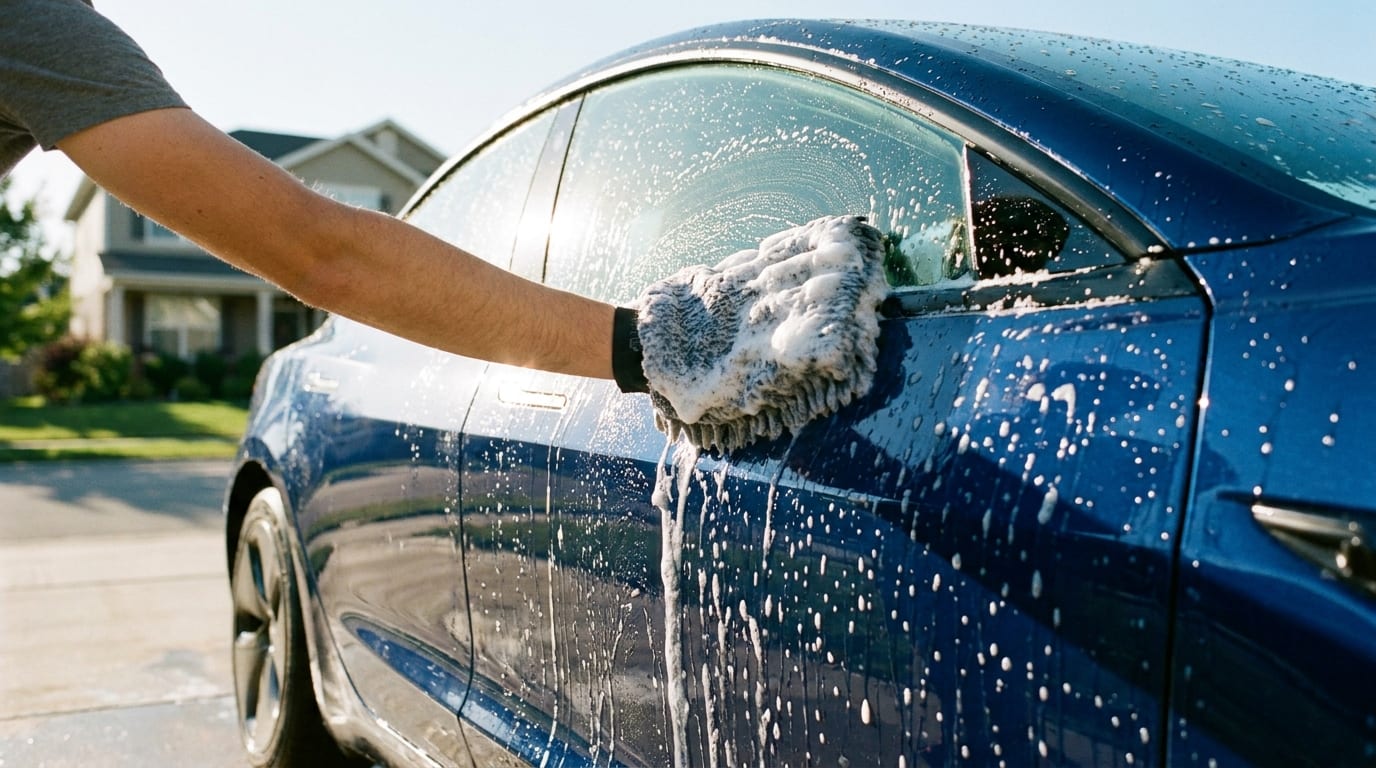
What Happens If You Wash a Car Cover in a Washing Machine?
Short answer: nothing good. If you're wondering what happens if you wash a car cover in a washing machine, the honest list looks like this: torn seams, a waterproof coating that's been stripped or cracked, elastic hems that no longer sit flat, and a layer of detergent residue sitting in the fabric that keeps water from beading off like it used to.
If you just bought a cover, or you're about to toss a dirty one into the laundry because that seems like the obvious move, stop for a second. A car cover isn't a bedsheet. It's built from layered, often laminated material designed to block UV rays, rain, and road grime, and a home washing machine puts stress on it that it was never designed to handle. The rest of this article walks through exactly where that damage comes from, what to check if you've already run one through the wash, and the actual safe way to clean it going forward.
Why Does a Washing Machine Damage a Car Cover?
A washing machine is built around friction and force. Your clothes can take that. A multi-layer or laminated car cover fabric can't, at least not the way a cotton t-shirt can.
The agitator and drum rub the fabric against itself and the machine's walls over and over, which abrades coated and bonded layers that aren't meant to flex and scrape like woven cotton. Then the spin cycle kicks in, and that's where seams, grommets, and elastic hems take the real hit. Those components are stitched and bonded for a cover sitting still on a vehicle, not for being flung around a drum at high RPM.
Heat makes it worse. Some wash cycles run warm, and the dryer runs a lot hotter, enough to warp synthetic fibers or soften the bonded waterproof layer underneath the outer shell. And even if your machine runs cool and gentle, standard laundry detergent is still a problem. Most detergents contain surfactants and optical brighteners that are great at stripping oils and body soil out of clothes, and just as good at breaking down the water-repellent coating on a cover. One wash with the wrong soap won't always wreck it outright, but repeated washes add up fast.
Does Machine Washing Ruin Waterproofing and Fit?
In most cases, yes, at least where waterproofing is concerned. The outer coating that makes water bead up and roll off is thin by design. It has to be, to stay flexible and breathable. Run it through an aggressive wash cycle even once, and that coating can thin out or start flaking in spots. You might not see it happen. You'll just notice, a few rainstorms later, that your cover is soaking through instead of shedding water like it used to.
Fit takes a hit too. Elastic hems and cable-lock channels are sewn to a specific tension, and machine agitation can stretch some sections while shrinking others. The result is a cover that doesn't cinch evenly anymore, or one that's suddenly loose at the corners. This is a bigger problem for custom-fit car covers than universal ones. A universal cover has slack built in already, so a little shrink or stretch barely registers. A custom-fit cover is cut to your exact vehicle's dimensions, so there's almost no margin for error before it stops sitting right.
If you want to understand exactly what that waterproof layer is protecting against in the first place, the waterproof car cover guide breaks down the coating types and why they matter. Worth a read before you decide the washing machine is a shortcut worth taking.
Can Putting It in the Dryer Make It Worse?
Yes, and it's often the bigger mistake of the two. The wash cycle stresses the cover. The dryer can outright damage it.
Dryer heat can melt synthetic fibers outright, especially on covers with any vinyl-backed lining, and it can bake wrinkles into the fabric that never fully flatten out again, even after you put the cover back on the car. That high heat also speeds up the breakdown of any flame-retardant or UV-inhibiting treatment built into the material, treatments that are there specifically to protect your paint and interior over years of outdoor exposure.
There's really no upside to the dryer here. Air-drying flat on a clean surface, or hanging the cover over a line or railing, is the safe default for nearly every material on the market right now. It takes longer. It also doesn't cook your cover.
What Should You Do If You Already Washed It in a Machine?
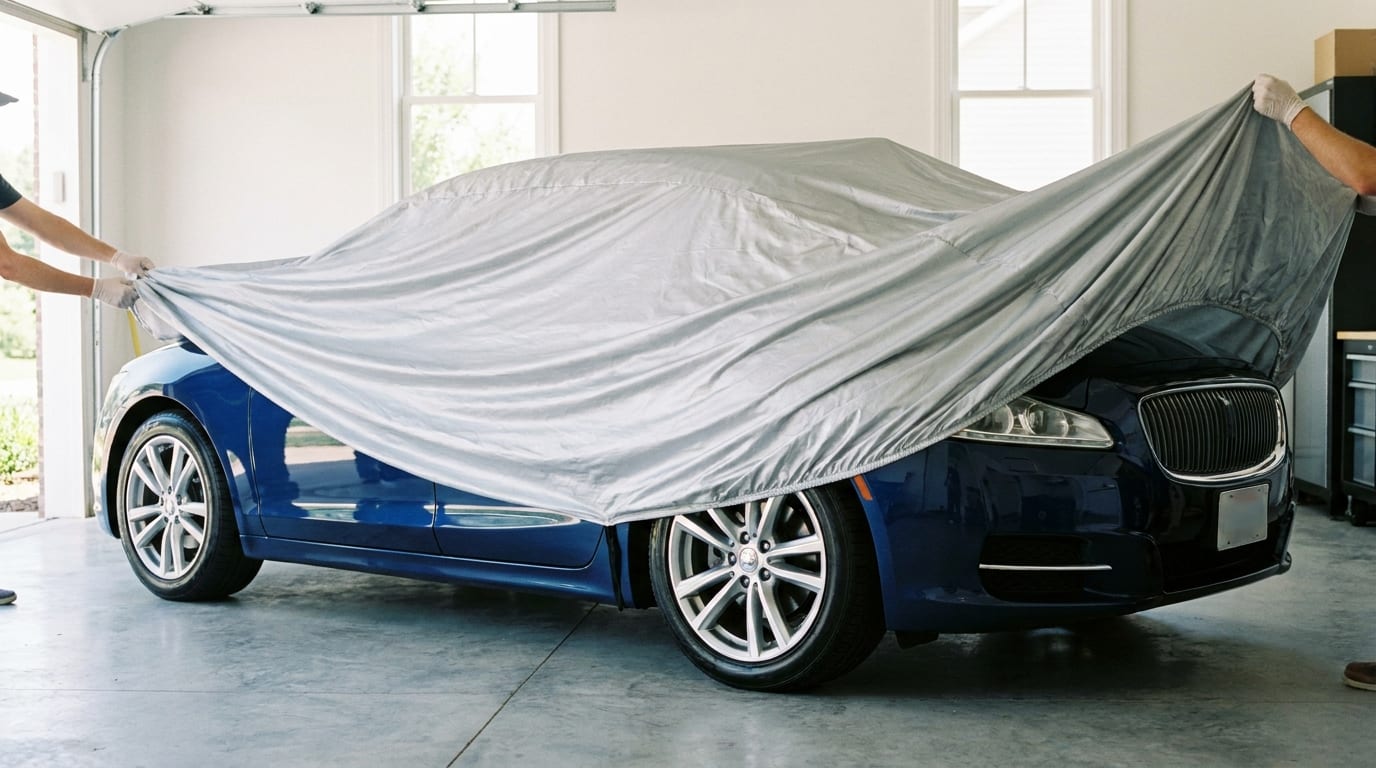
If it's already done, don't panic, but do check it properly before you put it back on the car.
Start with a visual and physical inspection. Look at every seam for loose or torn stitching, check the grommets to make sure they're still secure, and run your hand along the elastic hem to feel for stretched-out or loose sections. Pay attention to spots where the fabric feels thinner or noticeably softer than the rest. That's often where the coating took the worst beating.
Next, do a simple water-bead test. Pour a small amount of water on a flat section and watch what happens. If it beads up and rolls off, the waterproofing is largely intact. If it soaks in or spreads out in a sheet, the coating is compromised in that spot.
If the cover still fits properly and the water test looks reasonably good, you're probably fine to keep using it. Just plan on reproofing it sooner than you normally would, and switch to gentler cleaning from here on. If you're finding torn seams, stretched elastic that won't sit right anymore, or waterproofing that's clearly gone across most of the surface, that's a different conversation. At that point, check whether you're still covered under the lifetime warranty on car covers before you write it off as unusable. If you're not sure what your warranty actually includes, the full warranty page spells out what's covered and what isn't.
How to Clean a Car Cover the Right Way
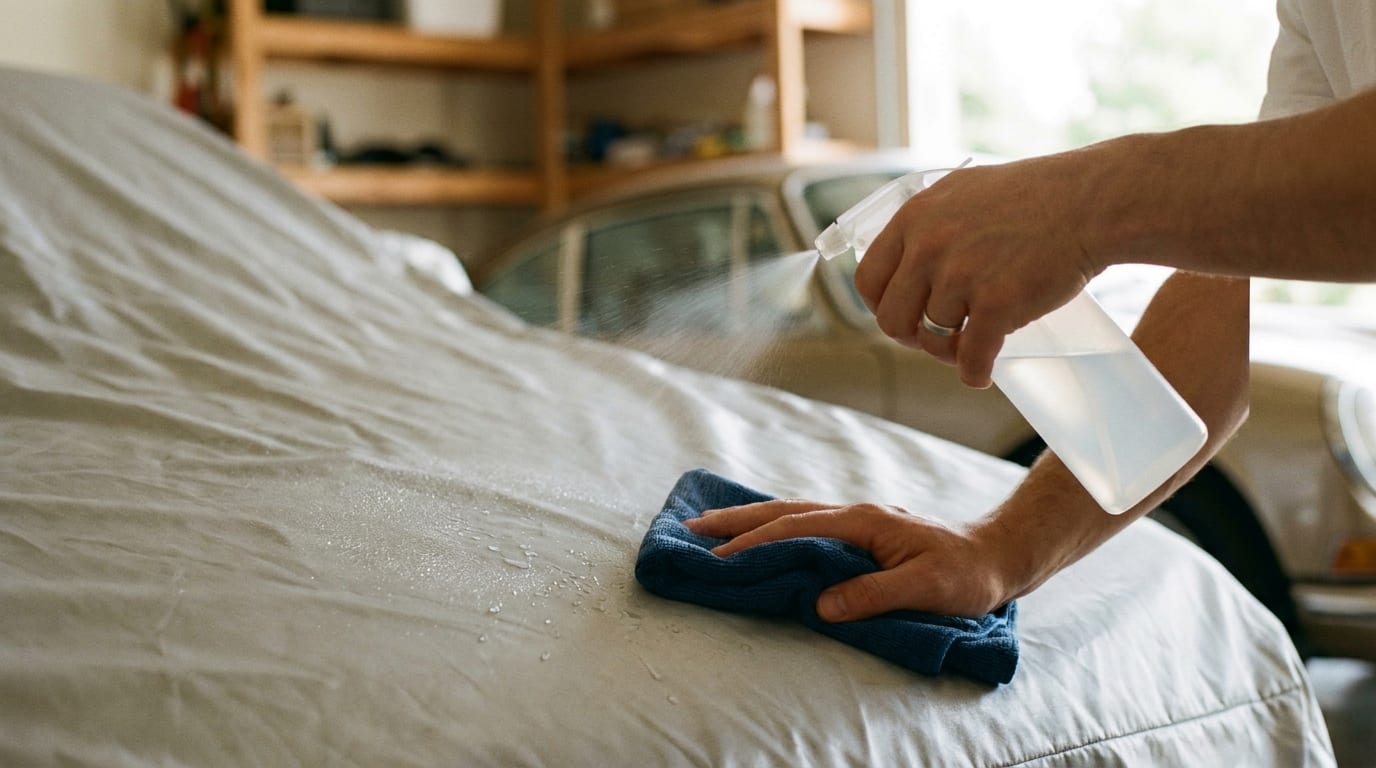
Hand-washing takes about the same effort as loading a machine, and it won't cost you the cover. Here's the actual process.
Use cool water and a mild, non-detergent soap, either with the cover laid flat on a clean surface or left on the vehicle if that's easier for you. For stubborn spots like sap, bird droppings, or ground-in dirt, work them with a soft brush or sponge, not anything abrasive. Scrubbing hard with a stiff brush or scouring pad does the same kind of damage a washing machine does, just slower.
Rinse it thoroughly. Soap residue left in the fabric attracts dirt and can interfere with the water-repellent finish, so don't rush this step. Once it's rinsed clean, air-dry it completely flat or hang it, and don't fold or store it until it's fully dry. Trapped moisture under a cover is exactly how mildew gets started.
This is the short version. For material-specific instructions (vinyl-lined, multi-layer, indoor satin, all of it), the step-by-step car cover cleaning guide and the cover care guide both go deeper into what each fabric type needs.
FAQ: Quick Answers on Washing Car Covers
Can you spot-clean a car cover instead of washing the whole thing? Yes, and it's usually the better move for a single stain. Mild soap, a soft cloth, and a little patience on just the affected area beats washing the entire cover and risking the rest of it.
How often should a car cover be washed? Most covers only need a full wash every few months, or whenever they're visibly dirty. Washing after every single use wears out the waterproofing faster than normal weather exposure does.
Will one machine wash definitely ruin a cover? Not always. One cycle won't necessarily destroy it, but it does raise the odds of seam damage and coating loss, and that risk isn't worth taking when hand-washing takes roughly the same amount of time.
Keep Your Cover Working Like It Should
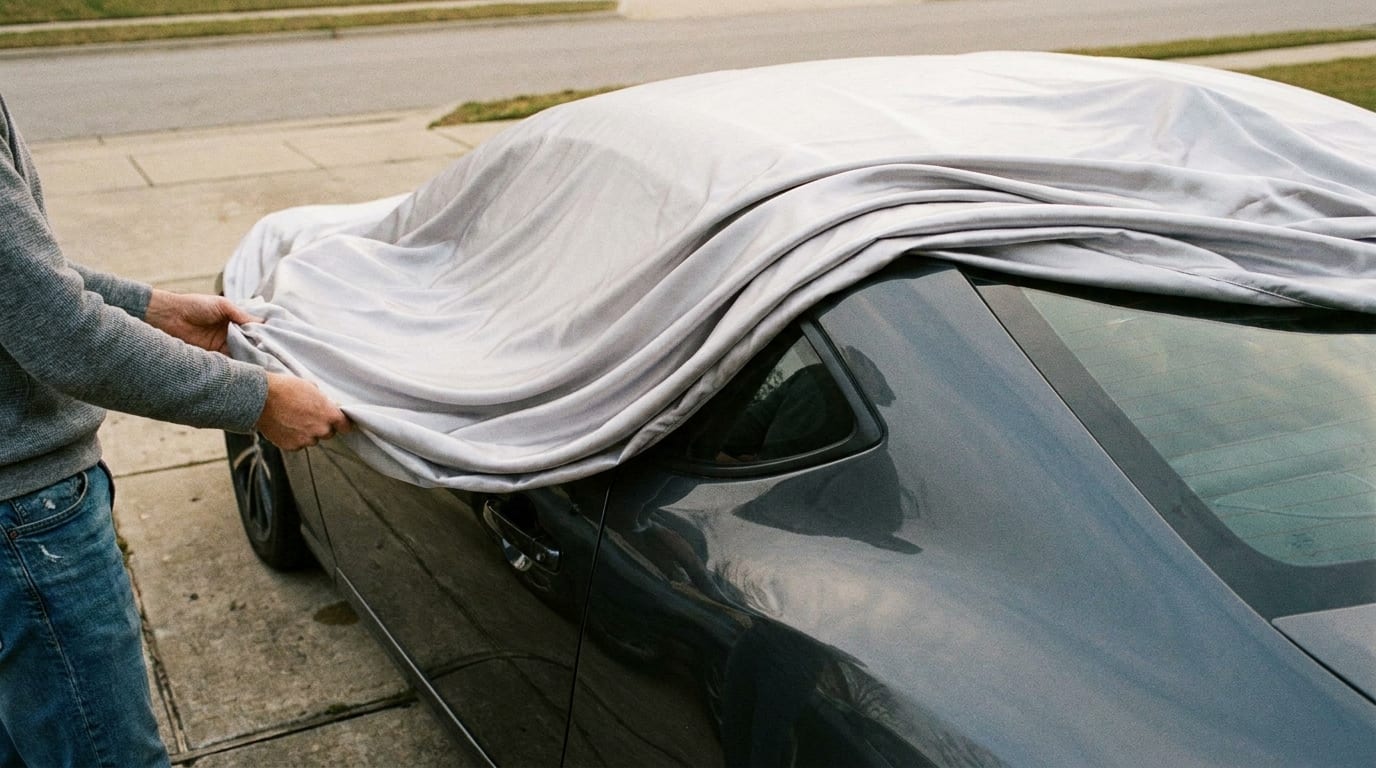
The core takeaway hasn't changed from the top of this article: hand-wash in cool water with a mild soap, skip the dryer, and let the cover air-dry flat. That's the whole difference between a cover that still beads water and fits snugly after a year, and one that's stretched, thin, and leaking at the seams.
If your current cover is past saving, or you just want to get ahead of wear before it starts, it's worth browsing our car care resources for more on keeping gear like this in shape for the long haul.
Frequently asked questions
Can you spot-clean a car cover instead of washing the whole thing?
Yes, spot-cleaning with mild soap and a soft cloth is safer for isolated stains than washing the entire cover.
How often should a car cover be washed?
Most car covers only need washing every few months or when visibly dirty, not after every use.
Will one machine wash definitely ruin a cover?
Not always, but it raises the risk of seam and coating damage, so it is not worth the gamble when hand-washing takes about the same effort.