What Happens If You Use the Wrong Size Car Cover (And How to Fix It)
Published
What Happens If You Use the Wrong Size Car Cover?
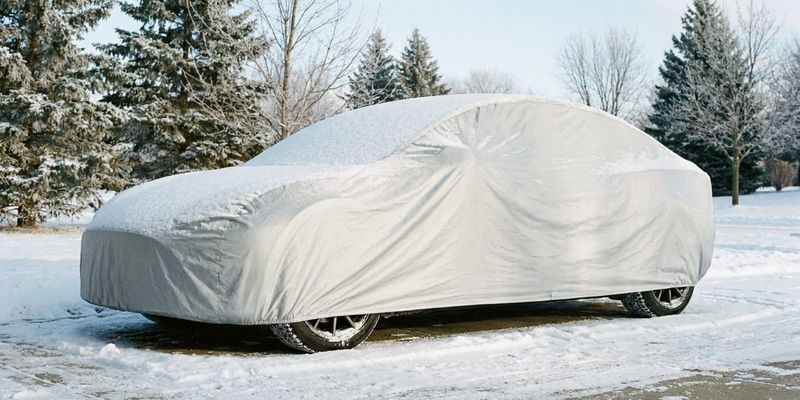
Short answer: it stops doing its job. A car cover has exactly one function, keep weather and debris off your paint, and a wrong-size cover fails at that in one of two directions. Too big, and it flaps around in the wind, scratching the finish it's supposed to protect. Too small, and parts of your car just sit there exposed anyway. Either way, you've spent money on something that's actively working against you instead of for you.
This is also one of the most common car cover mistakes, and almost always avoidable. People tend to size off their vehicle category, "sedan," "mid-size SUV," "full-size truck," rather than the car's actual measured dimensions. A cover that's technically rated for your category can still be wrong for your specific trim, especially once you factor in spoilers, roof racks, or running boards. What happens if you use the wrong size car cover usually comes down to that one shortcut: guessing instead of measuring.
Below, we'll walk through both failure modes, how to spot them on a cover you already own, and how to fix the problem for good.
What Happens If a Car Cover Is Too Big?
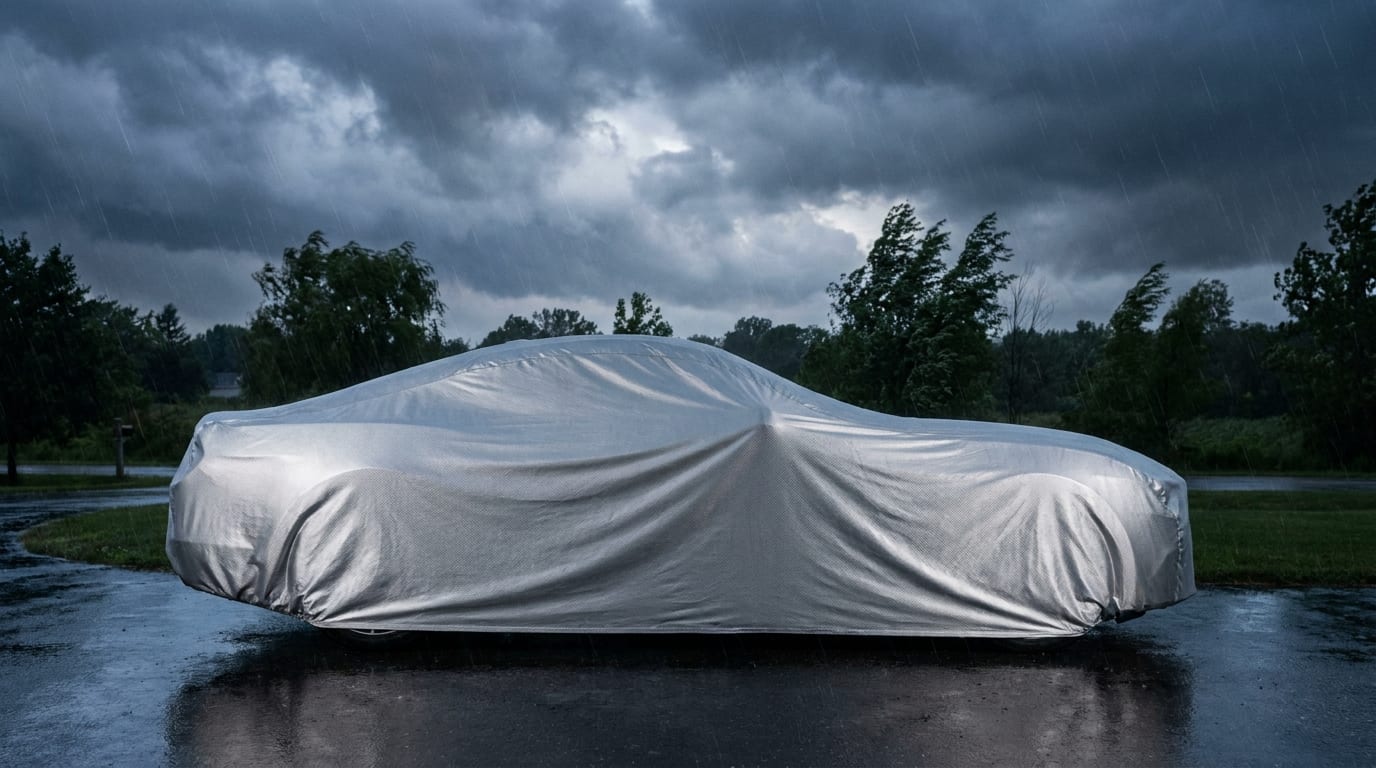
An oversized cover feels like the safe choice. More fabric, more coverage, right? Not really. Excess material catches wind like a sail, and every gust slaps that loose fabric against your hood, roof, and mirrors. Over weeks and months, that repeated friction leaves fine scratches and swirl marks in the clear coat, the exact damage a cover is supposed to prevent.
Loose fabric also doesn't shed water the way it's designed to. Instead of running off, rain pools in the sagging low spots, sitting on your paint for hours, sometimes days, if the car isn't driven. That kind of standing water is a slow path to water spotting and, in bad cases, corrosion around trim and seams.
Then there's the fit at the bottom edge. Gaps around the wheel wells and bumpers on an oversized cover let wind drive dust, pollen, and moisture up underneath, right onto the paint you're trying to shield. At that point the cover isn't really covering anything, it's just an extra layer trapping debris against the car.
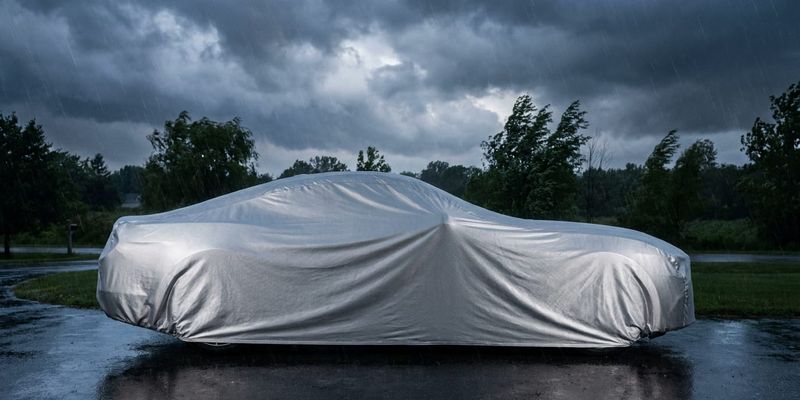
And in a real storm, a too-big cover is more likely to blow off completely. Without the cover tracking your car's actual contours, there's less tension holding it in place, so a strong gust can work it loose at a corner and peel the whole thing back. If you've had this happen, it's worth reading up on using a gust strap or wind strap before you assume the cover itself is the problem, sometimes it's partly a hold-down issue. But oversized fabric is usually the root cause.
What Happens If a Car Cover Is Too Small?
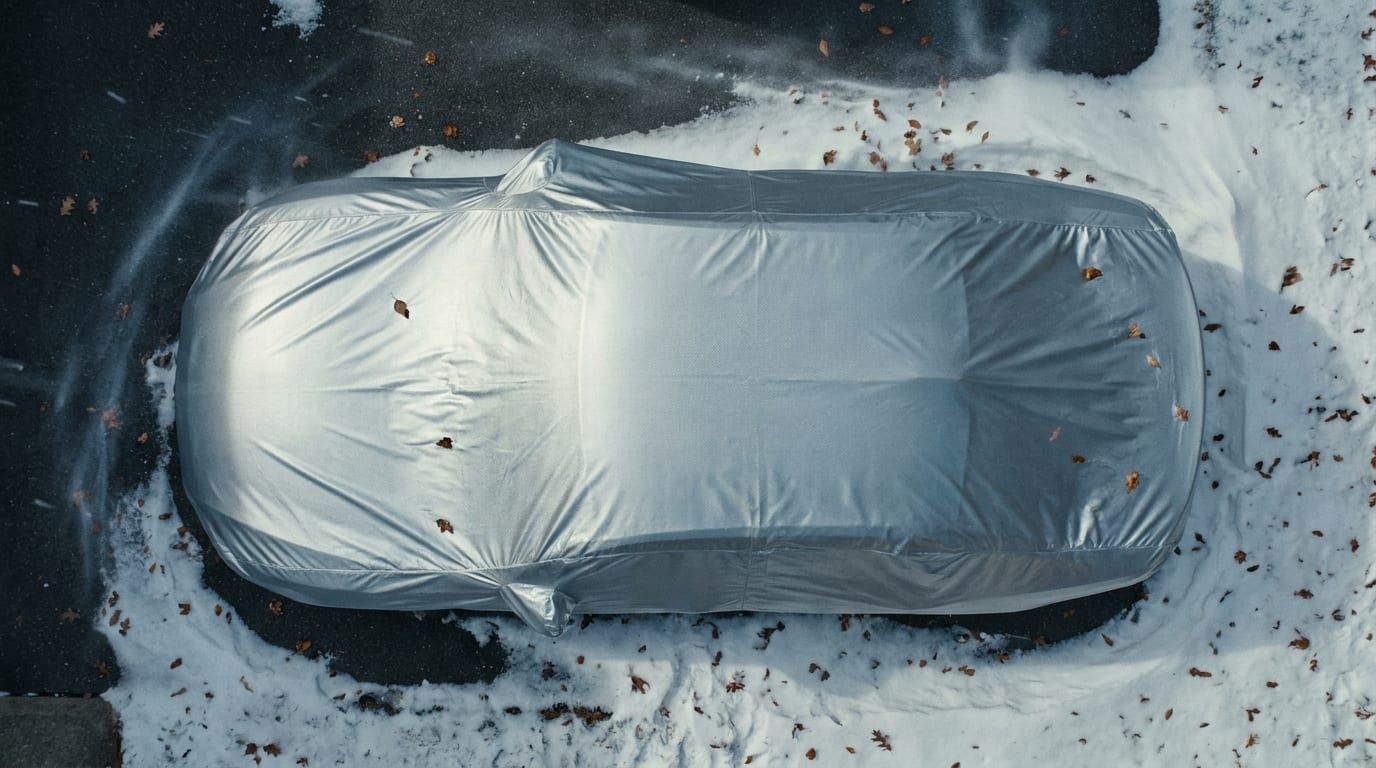
The opposite problem is just as bad, arguably worse, because it's more obvious and still gets ignored. A too-small cover leaves part of the car permanently exposed: the front bumper peeking out, mirrors uncovered, or a gap along the roofline where sun and rain get straight through.
Forcing a tight cover on also puts strain on the fabric itself. Covers are built with a certain amount of stretch tolerance, and pushing past that wears material thin at the seams and stress points, the spots that take the most tension every time you put the cover on or pull it off. That wear shortens the cover's usable life fast, and most manufacturers won't honor a warranty on damage caused by forcing an undersized cover onto a vehicle it wasn't built for.
The first-use failures are the ugliest part. Grommets tear, elastic hems snap, seams rip, sometimes the very first time you stretch a too-small cover over the car. If you've ever wrestled a cover on and heard a pop or felt a hem give, that's exactly what's happening.
Even if the cover survives, partial coverage creates its own slow-motion problem: uneven fading. The sections under fabric stay protected, while the exposed bumper or roof panel weathers faster from UV and moisture exposure. Months later you're left with a visible mismatch in paint finish between covered and uncovered sections, which is a strange way to end up with a car that looks worse for having worn a cover at all.
Can a Wrong-Size Car Cover Actually Damage Paint?

Yes, genuinely, not just in theory. There are two mechanisms at play. The first is abrasion: wind-driven, loose fabric moving against the paint surface acts like fine sandpaper over time, and swirl marks from a flapping cover are a real, documented complaint, not a hypothetical. The second is trapped moisture: pooled water or condensation sitting against the clear coat for extended periods, especially in gaps where a too-small cover doesn't fully seal the car off.
This problem is worse with cheaper, universal-fit covers, and that's by design, not an accident. A universal cover has to accommodate a range of vehicles within a category, so it's cut with extra material built in to "fit" cars of slightly different shapes and sizes. That slack is the point of a universal cover, and it's also exactly what causes flapping and gaps.
Here's the part people miss: even a premium, waterproof, UV-rated fabric can't save you if the sizing is wrong. Material quality and correct sizing solve two completely different problems. Good fabric resists sun and rain. Correct sizing is what keeps that fabric snug against the car instead of grinding against it or leaving gaps for water to seep through. You need both, and a lot of people only shop for one.
How Do You Know Your Car Cover Is the Wrong Size?
A few signs are easy to catch if you actually look:
- Visible gaps at the front or rear bumper when the cover's on
- Excess fabric pooling or dragging on the ground at the sides
- Straps or elastic hems that look stretched tight or strained just sitting still
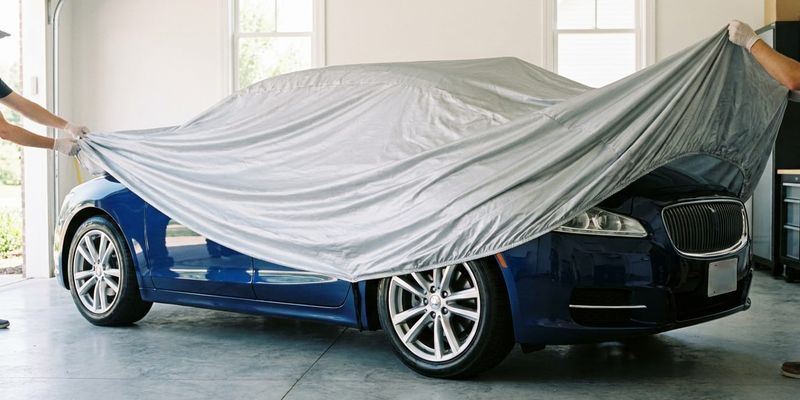
- The cover requiring real force to get on or off, instead of sliding into place
Beyond the visual check, compare the cover's listed dimensions (length, width, height) against your vehicle's actual measurements, not just its make and model. Two cars in the same "mid-size sedan" bucket can differ by several inches once you account for trim level, and add-ons like a roof rack, spoiler, or running boards change the clearance a cover needs even more.
One more trap: a cover that fit perfectly on your last car won't necessarily fit your new one, even if it's technically the same body style category. Body styles shift generation to generation, and "SUV" covers a huge range of actual shapes. If you're not sure where your vehicle lands, the car cover sizing guide walks through what to measure before you buy.
How to Fix a Wrong-Size Car Cover Problem

The fix starts before you buy, not after. Measure your vehicle, or look up its exact factory specs, rather than trusting a general size chart that groups cars by category. A size chart gets you in the right neighborhood. Your actual measurements get you the right fit.
It also helps to understand the real difference between custom-fit and universal covers. A custom-fit car cover is built to a specific make, model, and year, so it hugs the body lines with minimal slack. A universal cover is built to loosely accommodate an entire category of vehicles, which means it's never going to fit as tightly, by design, no matter how carefully you buy it.
Instead of eyeballing it, use an actual fit tool. CarCovers' coverfinder tool and sizing guide exist specifically to confirm fit before you spend money, so use them rather than guessing off a listing photo or a category label.
Straps, cable locks, and gust straps are worth adding once you've got the right size cover. They help a properly fitted cover stay snug in wind and resist lifting at the edges. But they're a finishing touch, not a fix. No amount of strapping down will correct a cover that's fundamentally the wrong size for your car.
FAQ: Wrong-Size Car Cover Questions
Will a slightly oversized car cover still work? A small amount of slack is normal and won't cause problems. But if there's enough excess fabric to flap in the wind or pool water, you're looking at the same scratching and moisture damage a badly oversized cover causes. The cover should sit snug against the body with straps doing the final tightening, not hang loose and depend on luck.
Can I return a car cover that's the wrong size? Check the retailer's return policy before you buy. Sizing mistakes happen often enough that most car cover sellers build in an exchange window specifically for this, so don't assume you're stuck with a bad fit.
Does a universal cover ever fit as well as a custom-fit one? No. A universal cover is built to loosely fit a range of vehicles within a category, which means built-in slack by design. A custom-fit cover is cut to one specific make, model, and year, so it sits tighter against the body with far less room for flapping, gaps, or pooled water.
Get the Right Fit the First Time
Sizing, more than fabric choice, determines whether a car cover protects your paint or damages it. A premium waterproof fabric cut to the wrong dimensions will still scratch and still trap moisture. A correctly sized cover in a basic fabric will outperform it every time.
If you haven't checked your current cover against your car's actual measurements, it's worth five minutes to do it now, and if you're shopping for a new one, use a proper size finder or look at custom-fit options built for your exact vehicle instead of its general category. A correctly sized cover pays for itself the first time it keeps your paint looking the way it should, no swirl marks, no water spots, no faded bumper peeking out from underneath.