What Happens If You Leave a Wet Car Cover on Your Car (And How to Fix It)
Published
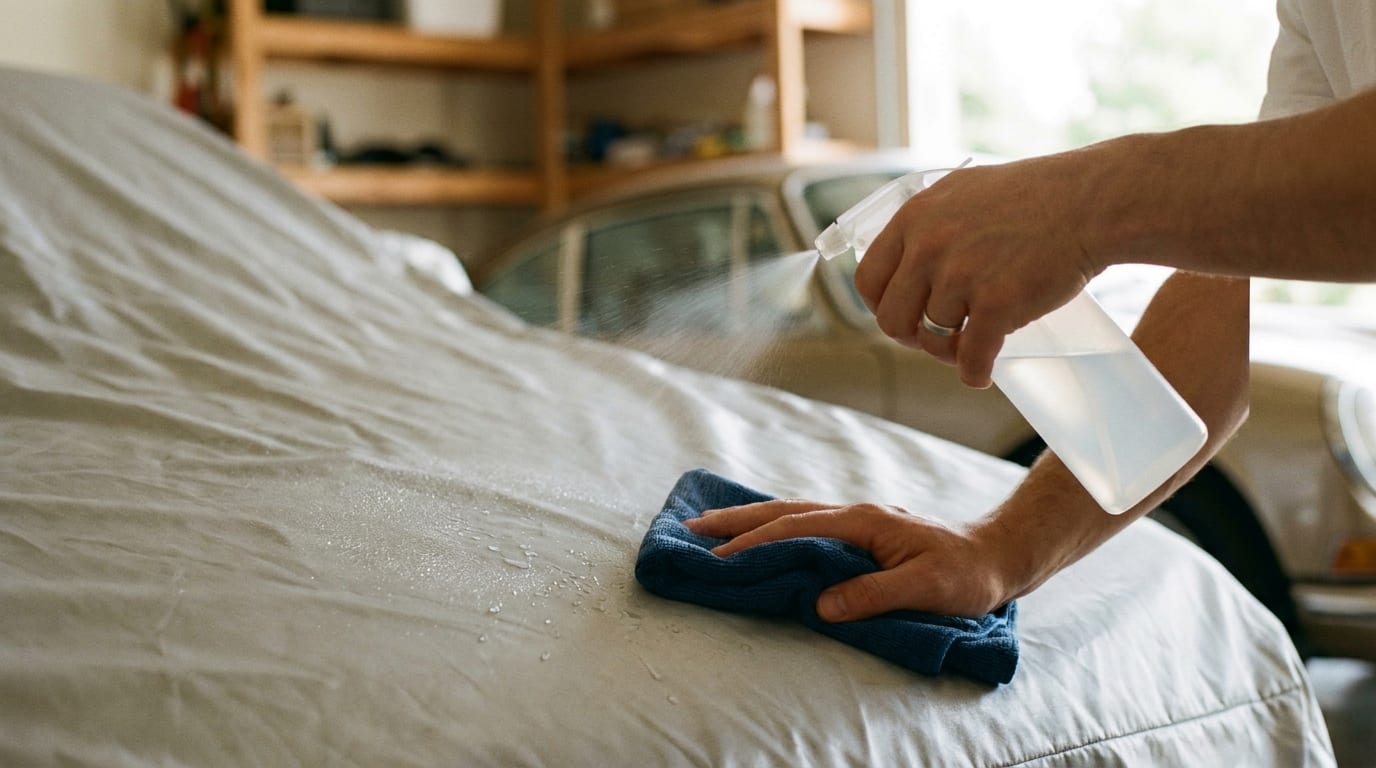
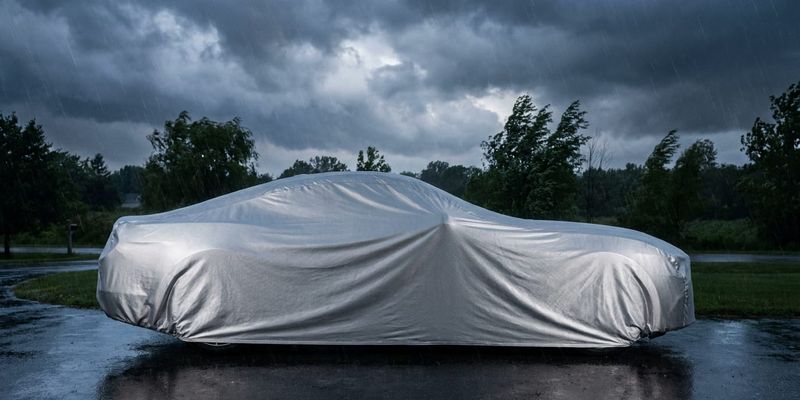
Rain stops, you forget about the cover, and three days later you pull it back to find water beaded up everywhere and a smell you don't love. So what happens if you leave a wet car cover on your car? Short answer: trapped moisture sits against your paint and creates a humid pocket that can breed mold, leave water spots, dull your finish with swirl marks, and, in the worst cases, start rust on any exposed metal. How bad it gets depends on how long the cover stayed wet, the temperature outside, and whether your cover actually breathes or just seals everything in like a plastic bag. The rest of this covers each of those problems one at a time, and what to do about them.
Why Does Moisture Get Trapped Under a Car Cover?

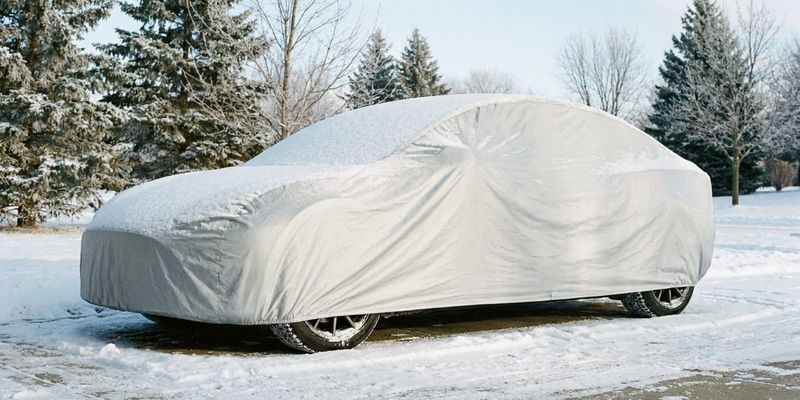
A cover left on after rain, snowmelt, or even just a wash seals a thin layer of humid air right against your body panels. There's barely any airflow under there to begin with, and wet fabric on top makes it worse.
This is where fabric quality actually matters. A non-breathable, waterproof-only cover does a decent job keeping rain off, but it also keeps condensation in. Moisture that gets under there, whether from a leak at the seams or just humidity rising off the ground, has nowhere to go. A breathable cover is built differently: it still blocks liquid water from the outside but lets water vapor escape from underneath, so the car can actually dry out while it's covered.
Time matters too. A cover that's wet overnight and dries out by midmorning is a non-issue. A cover that stays wet for three or four rainy days in a row, especially in warm weather, is a completely different situation, and that's when you start seeing real damage.
Can a Wet Car Cover Cause Mold or Mildew?
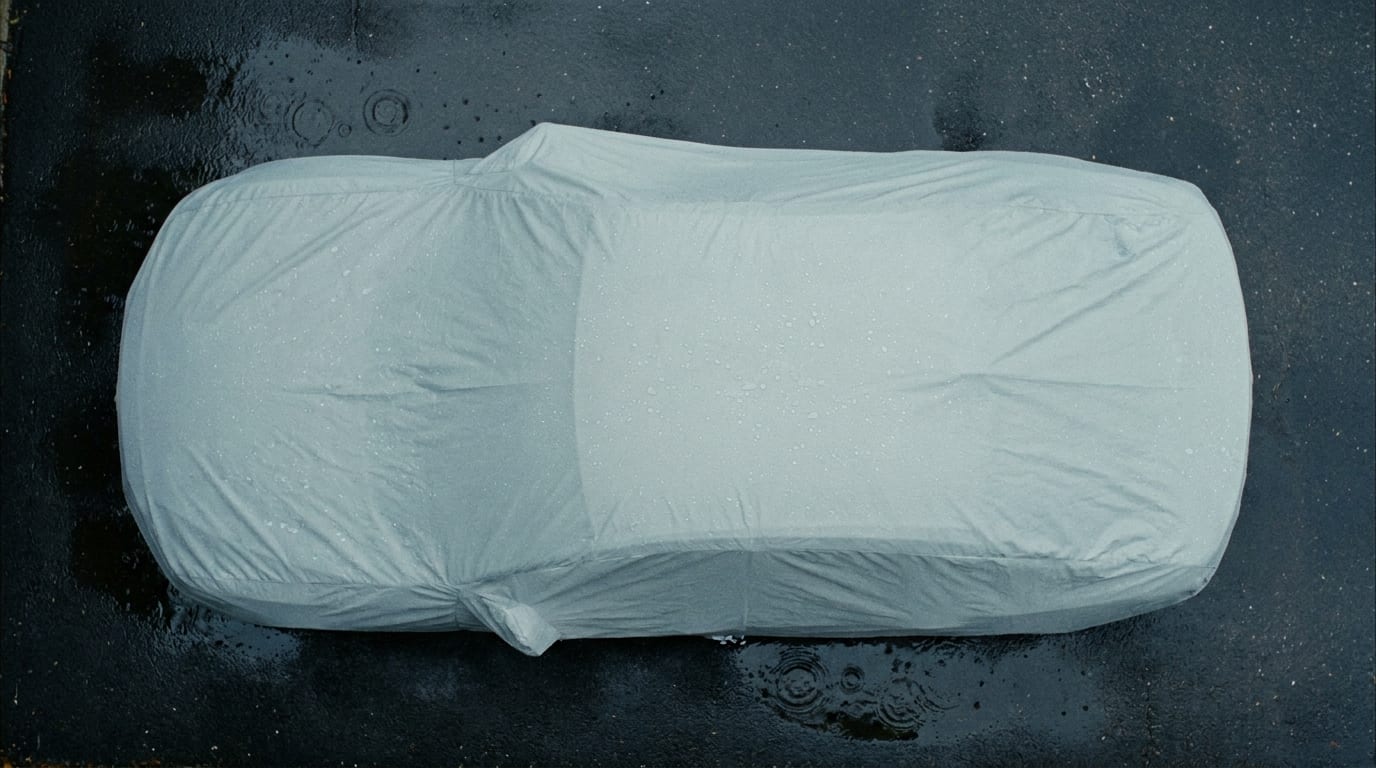
Yes. Dark, damp, and poorly ventilated is exactly the environment mold and mildew spores want, and that's precisely what's happening under a cover that's been wet for days.
You'll usually smell it before you see it. A musty odor when you pull the cover back is the first sign. Look closer and you might find black or green spotting on the inside lining of the cover itself, or discoloration creeping along rubber window seals and trim where moisture pooled longest. Mildew doesn't stay politely contained to the cover fabric, either. If water's been seeping through to the car, it can stain a convertible top, and it can mark up leather or vinyl surfaces if it works its way to the interior through a door seal or window gap.
Once mildew sets into fabric or rubber, it's a lot harder to fully remove than it was to prevent in the first place. That's one of the bigger arguments for a cover that actually breathes instead of just trapping everything underneath.
Will a Wet Cover Damage the Paint or Finish?
Water spotting is the most common complaint, and it's straightforward chemistry. Water sitting on paint evaporates and leaves behind whatever minerals were dissolved in it. Do that enough times, wet, dry, wet, dry, and those mineral deposits start etching into the clear coat instead of just sitting on top of it. At that point a wash won't fix it. You're looking at polishing or paint correction.
There's a second, less obvious issue: a wet cover moving in the wind drags grit across the paint surface as it shifts. Once it dries stiff with that same grit caked into the fabric, every gust rubs it against your clear coat like sandpaper. Fine swirl marks show up over time, especially on hood and roof panels that catch the most wind movement.
This risk isn't the same across every cover. A newer cover with an intact water-repellent coating sheds water fast enough that it rarely sits there long enough to cause problems. An older or cheaper cover that's lost its coating holds water against the surface far longer, which is exactly the scenario that leads to spotting and swirls. If you're shopping for a replacement, it's worth understanding the difference between waterproof fabrics built for sustained outdoor exposure and basic water-resistant ones that aren't.
Does a Wet Car Cover Lead to Rust?
Rust is mostly a concern for metal that's already exposed, not intact paint. A rock chip, a deep scratch, a scuffed wheel well, exposed hardware on the undercarriage, trim fasteners. Those spots don't have a clear coat protecting them, so trapped moisture sitting right on top of them is a direct path to corrosion.
Factory paint on its own holds up fine against a few wet nights. The risk builds with repetition. Every wet-cover cycle that dries slowly gives corrosion a little more time to work on any spot where metal is already exposed, and over a season of that, small chips can turn into real rust spots. Chrome trim and unpainted metal accessories are the most vulnerable parts of all, since they have no coating to begin with and corrode faster under constant damp conditions.
How Do You Fix a Car That's Been Under a Wet Cover Too Long?
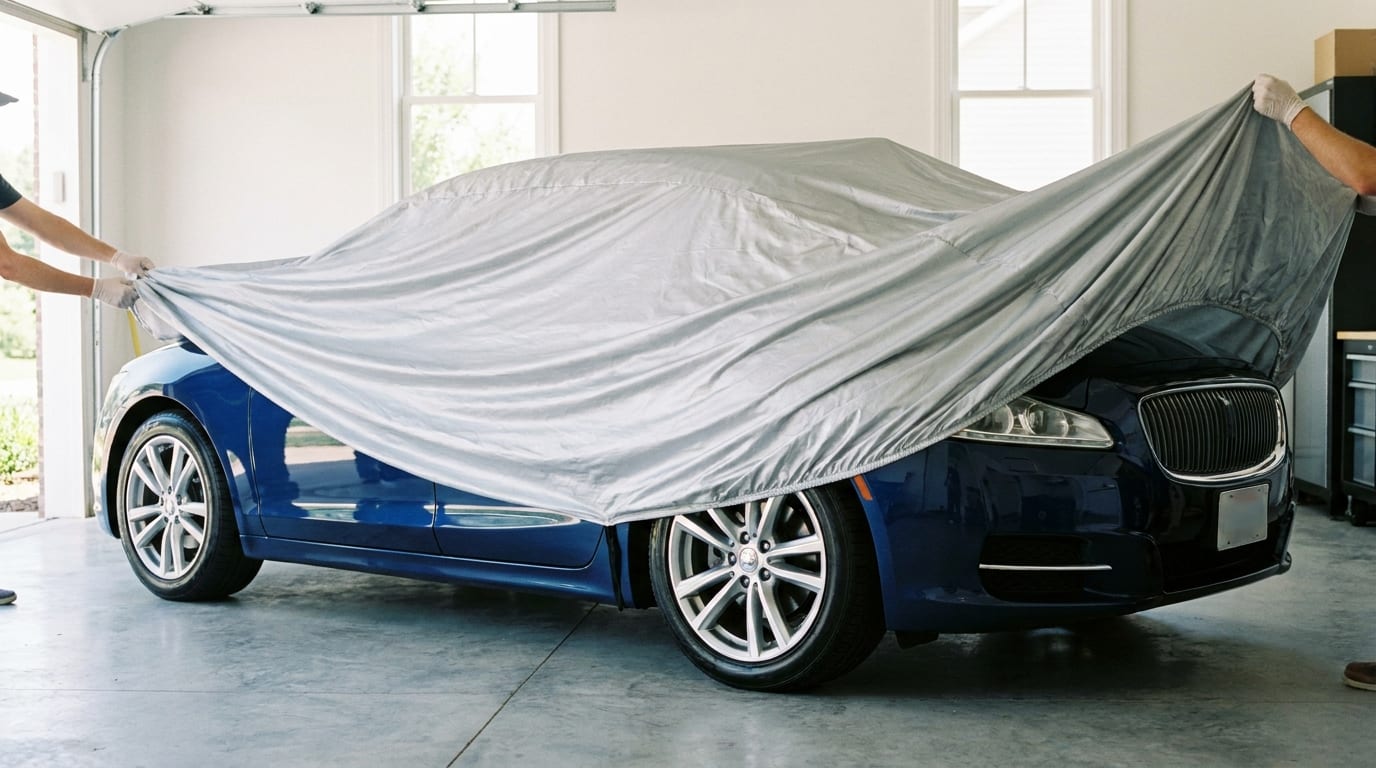
If you've found mildew, spotting, or a damp cover you forgot about, here's the order to work in.
Step 1: Dry the cover first. Take it off and let it air-dry completely, laid flat or hung over something with airflow on both sides. Skip the dryer. Heat can warp seams and degrade the waterproof coating. Don't fold it up and put it away while it's even slightly damp, or you'll just reintroduce the same problem next time you use it.
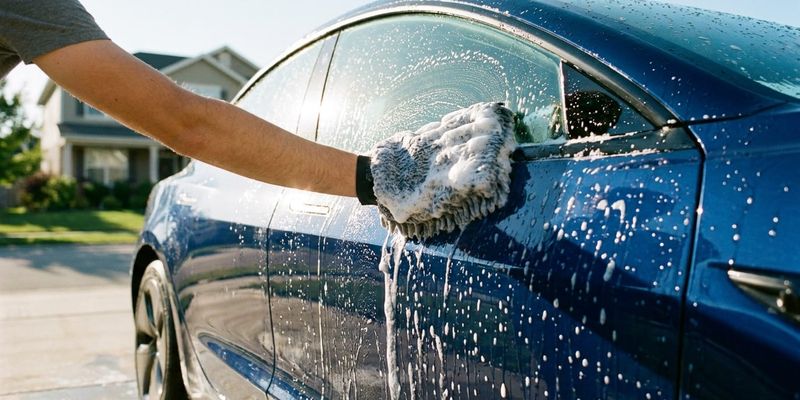
Step 2: Wash and inspect the car. Give it a proper wash and dry, then check the paint closely for water spots, a musty smell, or any sign of rust starting on exposed metal. Water spots that haven't etched in yet usually come out with a clay bar and polish. Anything that's actually eaten into the clear coat needs correction work. Catch rust early and a rust treatment product can stop it before it spreads. For the full process, this guide to car care walks through washing and correction steps in more detail.
Step 3: Clean the rubber and trim. Wipe down window seals, trim, and any rubber gaskets with a mildew-safe cleaner before you put any cover back on. Mildew that's already set into rubber will keep spreading if you seal it back under a cover without treating it first.
If this keeps happening, the real fix is better cover habits, not just better cleanup. This step-by-step guide to cleaning a car cover covers how to keep the cover itself in condition so it's not the thing causing problems in the first place.
How to Prevent This From Happening Again
The single biggest fix: never cover a wet car, and never put a wet cover back on. Wait until both are actually dry. It's tempting to toss the cover on right after a wash because it feels like you're protecting fresh paint, but you're doing the opposite.
Cover quality matters more than people think. A breathable, waterproof-rated cover built for outdoor conditions sheds rain while still letting trapped vapor escape, which is the whole point. A cheap tarp-style cover does neither job well. It's worth reading through this guide to using a car cover outdoors if you're dealing with rain, wind, and UV exposure regularly, since all three factors play into how a cover holds up.
Build a small routine around long rainy stretches: shake the cover out, let it air for an hour when there's a dry window, and don't leave it sealed up for days without checking underneath. If your car mostly lives in a garage and only sees the elements occasionally, you might not need an all-weather cover at all. An indoor car cover is built for a drier environment with different fabric, lighter and less bulky since it's not fighting rain and UV.
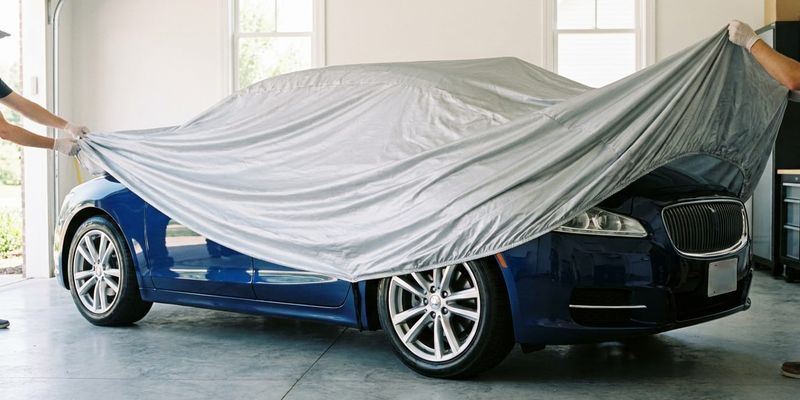
Installing the cover correctly also cuts down on moisture getting trapped in the first place, since a loose or poorly secured cover flaps and lets water pool in the folds. This simple guide to installing your car cover is worth five minutes if you've never gone through it.
Bottom Line
One night under a wet cover isn't going to ruin your paint. But leave it wet for days, or let it become a habit, and you're looking at mold, water spots, swirl marks, and rust risk on any exposed metal. The fix is simple in theory: dry the cover, dry the car, treat any damage early, and don't repeat the cycle.
If you've noticed any of these signs and suspect your current cover just isn't breathable enough for your climate, it might be time for an upgrade. Take a look at waterproof car covers built to manage moisture instead of trapping it, and check out our other car care guides while you're at it. And if you're ever unsure whether your cover is holding up the way it should, it's backed by a lifetime warranty worth knowing about either way.
Frequently asked questions
What happens if you leave a wet car cover on your car?
Trapped moisture between the cover and the paint creates a humid micro-environment that can lead to mold, mildew, water spots, swirl marks, and eventually rust on exposed metal. Severity depends on how long it sits wet, the temperature, and whether the cover is breathable.
Will a wet car cover damage the paint?
It can. Minerals in trapped water dry onto the clear coat and etch in over repeated wet and dry cycles, causing water spots, and a wet cover moving in wind can rub grit against the paint and cause swirl marks.
Does a wet car cover cause rust?
Rust risk is highest on exposed metal such as chips, scratches, wheel wells, and trim fasteners. Intact factory paint resists rust short-term, but repeated wet-cover cycles accelerate corrosion at any existing damage.