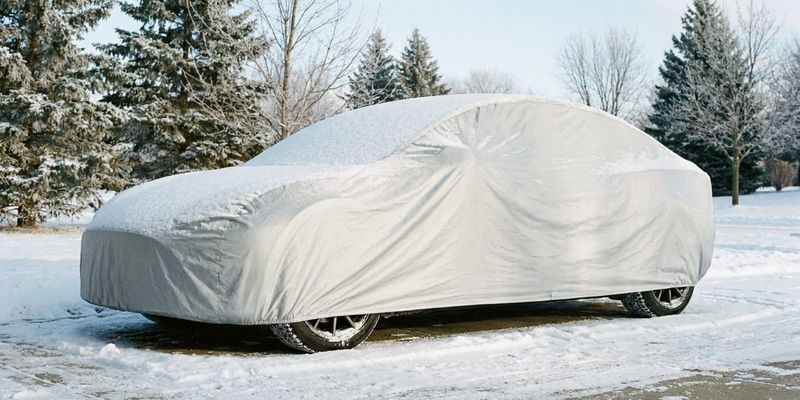
What Happens If You Don't Secure a Car Cover Properly (And How to Fix It)
Published
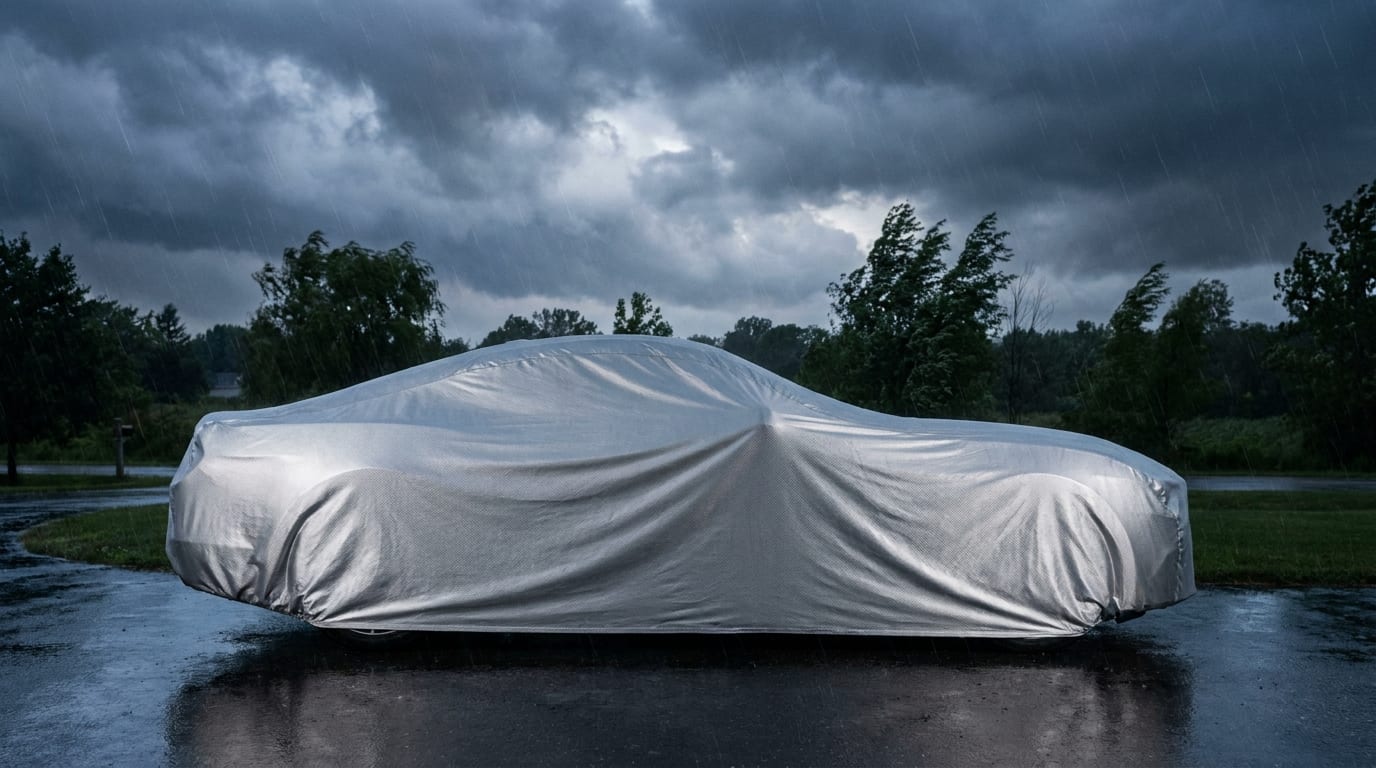
Most people treat a car cover like a bedsheet. Toss it over the hood, maybe tuck the edges in a little, call it done. But a car cover only does its job (blocking wind, debris, and moisture) if it stays exactly where you put it. What happens if you don't secure a car cover properly is usually worse than skipping the cover altogether: wind-whipped paint, torn fabric, pooled water, and a cover that ends up tangled around your mirror instead of protecting anything. The good news is the fix is rarely complicated. Straps, a cable lock, or just the right size cover solve most of this, and we'll get into exactly how later on.
Why Securing a Car Cover Properly Actually Matters
The assumption trips up a lot of owners: drape it on, walk away, problem solved. Except a cover's entire purpose, keeping wind, rain, UV, and road grit off your paint, depends on it staying anchored to the car. The moment it shifts, slides, or lifts even slightly, you've got loose fabric moving against a painted surface in the wind. That's friction. Repeated friction.
Over the course of this article we'll walk through the specific ways this goes wrong: fine scratches from fabric whipping in the wind, covers that partially or fully blow off, water collecting in sagging fabric instead of running off, and chafing wherever the cover rubs against mirrors or trim. None of it requires a defective cover. It just requires one that isn't properly held down.
The fix, in almost every case, is some combination of straps, a cable lock, or correctly sized fabric, and it takes a few extra minutes at most. We'll cover the how later in this piece.
What Actually Happens When a Car Cover Isn't Secured Properly?
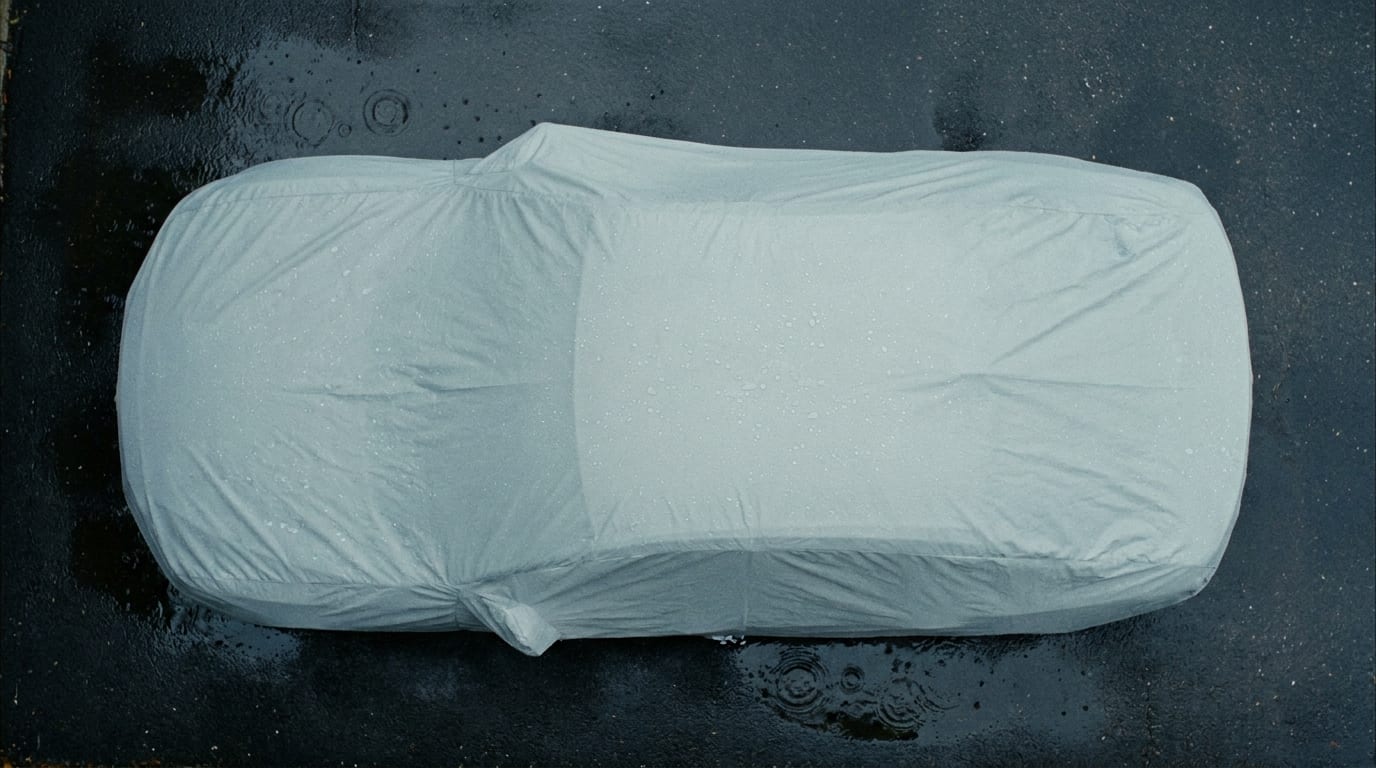
Wind is the main offender. Once it gets underneath a loose cover, the fabric starts whipping against the paint, and that motion creates fine scratches and swirl marks that build up over weeks of repeated use. You won't notice it after one windy afternoon. You'll notice it after a season of them.
Then there's the more dramatic failure: a cover that isn't anchored at the front, back, and underbody can lift partway, or all the way, off the car in a strong gust. Sometimes it tears in the process. Sometimes it ends up in the neighbor's yard, or worse, in the street. Either way, your car is now exposed exactly when the weather got bad enough to need a cover in the first place.
Loose fabric doesn't stay still, either. It rubs against mirrors, antennas, and trim pieces every time the wind moves it, and that constant low-grade friction wears down clear coat at specific pressure points. You'll often see a worn or hazy patch right where the mirror meets the body, because that's where the fabric kept catching.
Water is its own problem. A sagging, unsecured cover doesn't let rain or snow run off the way a snug one does. Instead it pools in the low spots, sitting against the paint for hours or days, and the underside of the cover stays damp long enough to start growing mold or mildew. If you've ever pulled off a cover and caught a musty smell, that's usually why.
Debris adds insult to injury. Leaves, twigs, and grit work their way under a loose edge and get trapped between the fabric and the paint. Every time the cover shifts in the wind after that, it's effectively sanding the surface underneath it.
Can a Flying Car Cover Damage Your Paint or Mirrors?
Yes, and it's one of the more avoidable kinds of damage out there. A cover that detaches in the wind doesn't just float away cleanly. It catches on whatever sticks out, mirrors, antennas, spoilers, and either scratches them on the way or snaps them off entirely.
Here's the part people don't expect: a cover that's half off and flapping against the body is often worse than having no cover at all. No cover means wind and UV exposure, which is bad but diffuse. A flapping cover concentrates repeated impact in one or two spots, the same fold hitting the same panel over and over, and that's how you end up with a noticeable scuff in a very specific location instead of general wear.
This is exactly why anchoring matters more in an exposed driveway or open parking lot than it does in a still garage. If your car sits outside and catches wind regularly, a cable lock paired with grommets isn't optional gear, it's the thing standing between a normal cover and a torn one.
How Do You Properly Secure a Car Cover?
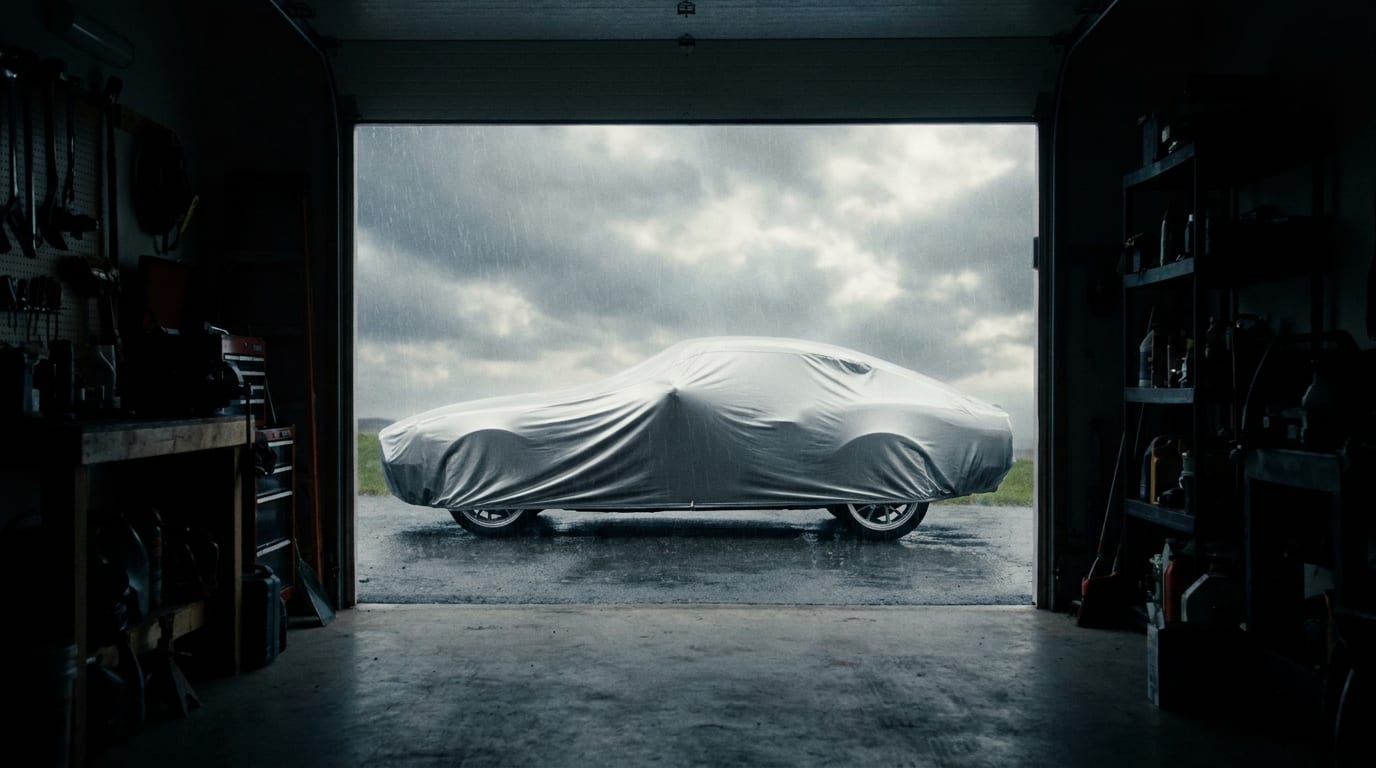
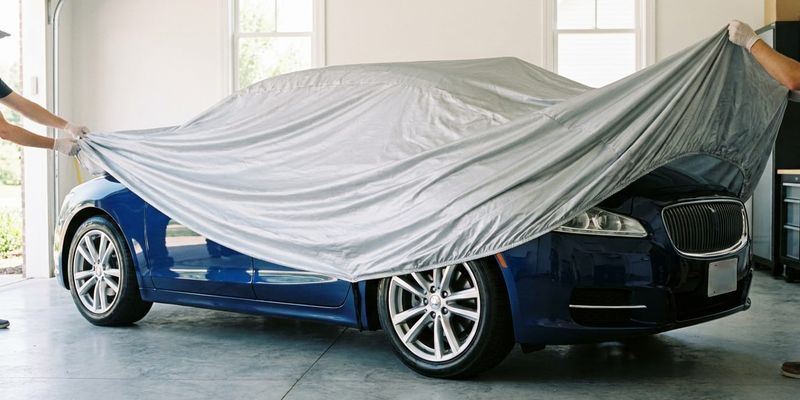
Start with fit. This is the step people skip, and it undoes everything else. An oversized cover billows and catches wind like a sail no matter how many straps you add. An undersized one won't reach far enough to anchor properly in the first place. Before you touch a single strap, confirm the cover actually matches your vehicle. If you're not sure, checking the right size for your vehicle takes a few minutes and saves you from fighting a bad fit indefinitely.
Once fit is confirmed, most covers come with built-in grommets or loops along the lower edge. Run a cable through them and lock it underneath the car, and you've taken away the wind's easiest way to lift the cover from below. This single step is the one most people skip, and it's the one that matters most. The cable lock installation guide walks through where to loop it depending on your vehicle's underbody.
For open or windy spots, add gust straps across the body. These typically run underneath the car at the midpoint and sometimes again near the front and rear, cinching the cover down at multiple points instead of leaving it to rely on the hem alone. If you're setting one up for the first time, the wind strap installation guide covers attachment points step by step.
Even with straps installed, check them periodically. Elastic hems stretch out over time, and repeated wind exposure loosens straps faster than you'd expect. A quick retightening every few weeks keeps the fit snug instead of letting it gradually loosen until you're back to square one.
If you're covering a truck or anything tall, sagging fabric is its own issue, since pooled water and loose material against the body happen more easily on a larger surface. A support pole under the center of the cover keeps it tented and shedding water properly. The truck support pole installation guide and the platinum tripod support pole guide both cover setup for different vehicle shapes. For a full rundown on getting the whole cover on correctly from the start, the simple car cover installation guide is worth a read before your first use.
What Features Help Keep a Cover Secured in Wind or Storage?

Not all covers are built the same way, and the hardware built into a cover makes a real difference in how well it holds up outdoors.
Elastic hems at the front and rear cinch the fabric in closer to the body than a flat-cut edge ever will, which cuts down on the gap wind needs to get underneath. Grommets paired with a cable lock do double duty: they discourage theft and they keep the cover from lifting in gusts. Multi-point strap systems spread the holding force across several spots on the body instead of relying on one anchor, which matters a lot if you're parked somewhere genuinely windy rather than a sheltered driveway.
Higher-tier covers tend to include more of these features standard, grommets, strap loops, tighter elastic. Basic covers often skip them and rely on fit alone to stay in place, which works fine in calm conditions but falls apart quickly in real wind. If you're shopping for one specifically for outdoor use, the guide to using a car cover outdoors and the outdoor car cover buying guide both break down what to look for.
Does an Improperly Secured Cover Affect Your Warranty or Returns?
Here's the plain answer: damage from wind-whipping, chafing, or a cover that tore loose because it wasn't anchored is a use issue, not a manufacturing defect. Warranties are built to cover material failures and workmanship, not wear caused by the cover flapping against your car for a season.
That doesn't mean every tear is on you, though. Check your specific cover's terms before assuming repeat fraying or damage falls outside coverage, since policies vary. CarCovers backs its products with a lifetime warranty, and it's worth knowing what that actually includes before you file a claim over something that's really a securing problem.
Bottom line: securing your cover properly protects two things at once, your car's paint and the cover's own lifespan. Skimping on straps costs you twice.
Keep Your Cover Where It Belongs
An unsecured cover can genuinely do more harm than good. Wind-whipping, trapped debris, and pooled moisture are all things a properly anchored cover prevents, and all things a loose one invites. What happens if you don't secure a car cover properly isn't rare bad luck, it's the predictable outcome of skipping a cable lock or a strap.
Take a minute to check whether your current cover actually has the accessories it needs, straps, a cable lock, maybe a support pole if you're covering a truck. If you're in the market for something built with these features in from the start, it's worth browsing options designed for secure, long-term outdoor use. And if you want the full walkthrough before your next install, our step-by-step guide is a good place to start.
Frequently asked questions
What happens if you don't secure a car cover properly?
Wind gets underneath the loose fabric and whips it against the paint, causing fine scratches and swirl marks. The cover can also partially or fully blow off, pool rainwater in sagging spots, and trap debris against the paint.
Does an improperly secured cover affect your warranty?
Damage caused by wind-whipping or chafing from a loose, improperly secured cover is generally considered a use issue rather than a manufacturing defect, so it typically isn't covered under warranty. Check your specific cover's warranty terms for details.