


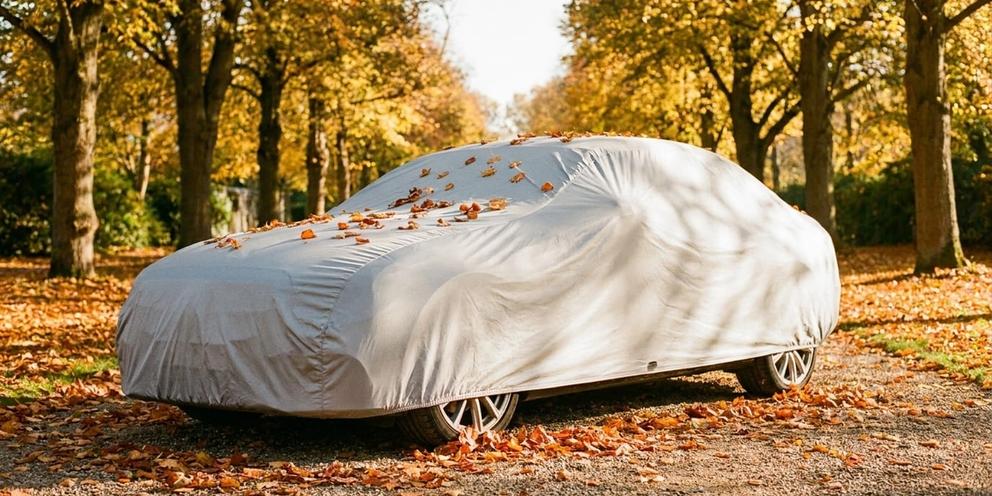
Best Car Cover for Bird Droppings and Tree Sap: Seasonal Protection Guide
Park under the wrong tree for a week and you'll see it: a windshield speckled white, a hood with sticky patches that catch every speck of dust. Bird droppings and tree sap aren't just cosmetic annoyances. They're one of the fastest ways to damage clear coat, and most people don't realize how fast until the spotting is already permanent. If you're dealing with a driveway or street spot under a canopy of branches, a car cover for bird droppings and tree sap isn't overkill, it's basic maintenance. This guide covers why the damage happens, when the risk peaks, and what actually stops it.
Why Bird Droppings and Tree Sap Are a Bigger Threat Than They Look
If you park under trees through spring and summer, this isn't a one-time nuisance you wipe off and forget. It's daily exposure. Every afternoon under that oak or maple, your paint is collecting another round of droppings, sap, or both, and the damage compounds.
Here's what surprises people: it doesn't take days to cause harm. In direct sun, a fresh dropping can start etching clear coat within a couple of hours. Sap moves a little slower, but not by much once the sun's cooking it.
So what's actually happening at the chemical level, and how do you stop it before your paint takes the hit? That's the rest of this article.
How Bird Droppings and Tree Sap Damage Your Car's Paint
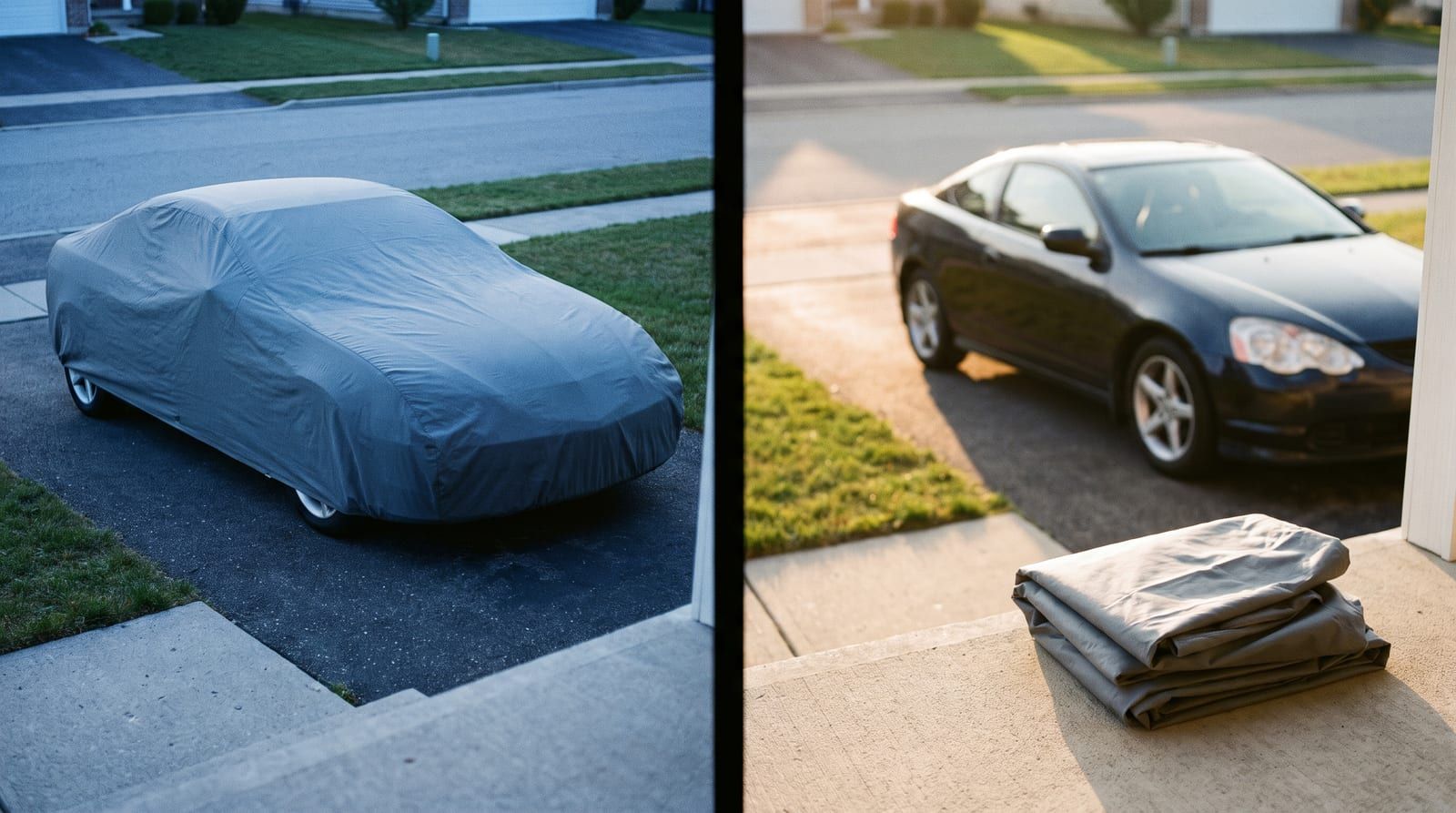
Bird droppings are loaded with uric acid. On a cool, shaded car, that's mildly annoying. On a hot hood sitting in direct sun, the acid reacts with the heated clear coat and starts etching it almost immediately. What you get is discoloration, sometimes a permanent ring-shaped stain, sometimes a pitted spot that no amount of polishing fully erases.
Tree sap works differently but ends in the same place. It's sugar-based, and sugar hardens fast in sunlight. Once it's cured, it bonds to the surface. Try to scrape it off dry and you risk pulling up clear coat right along with it, which turns a sap spot into a scratch.
Heat is the accelerant for both. Midday sun on an uncovered, parked car is close to worst-case conditions: hot surface, direct UV, droppings and sap left to sit and react. One incident probably won't ruin your paint. A full season of repeated exposure will, and by the time it's visible, even professional paint correction can't always bring it all the way back.
Where and When the Risk Is Highest
Some parking spots are just worse than others. Driveways under oak, maple, or pine trees are classic offenders. So is street parking near a spot where birds tend to roost, think power lines, gutters, or dense tree cover. RV and camper owners who store near a tree line face the same exposure, just over a longer, more continuous stretch of time since those vehicles often sit for weeks.
Timing matters too. Spring is nesting season, so bird activity (and droppings) spike. Late spring into summer is peak sap flow for a lot of species. Fall brings its own mess: leaf drop adds acidic organic debris that sits on paint and holds moisture against the surface.
Take a minute and actually look at where your car sits most days. If there's a canopy overhead, you're in the risk zone, and the amount of protection you need should match that.
How a Car Cover Creates a Protective Barrier
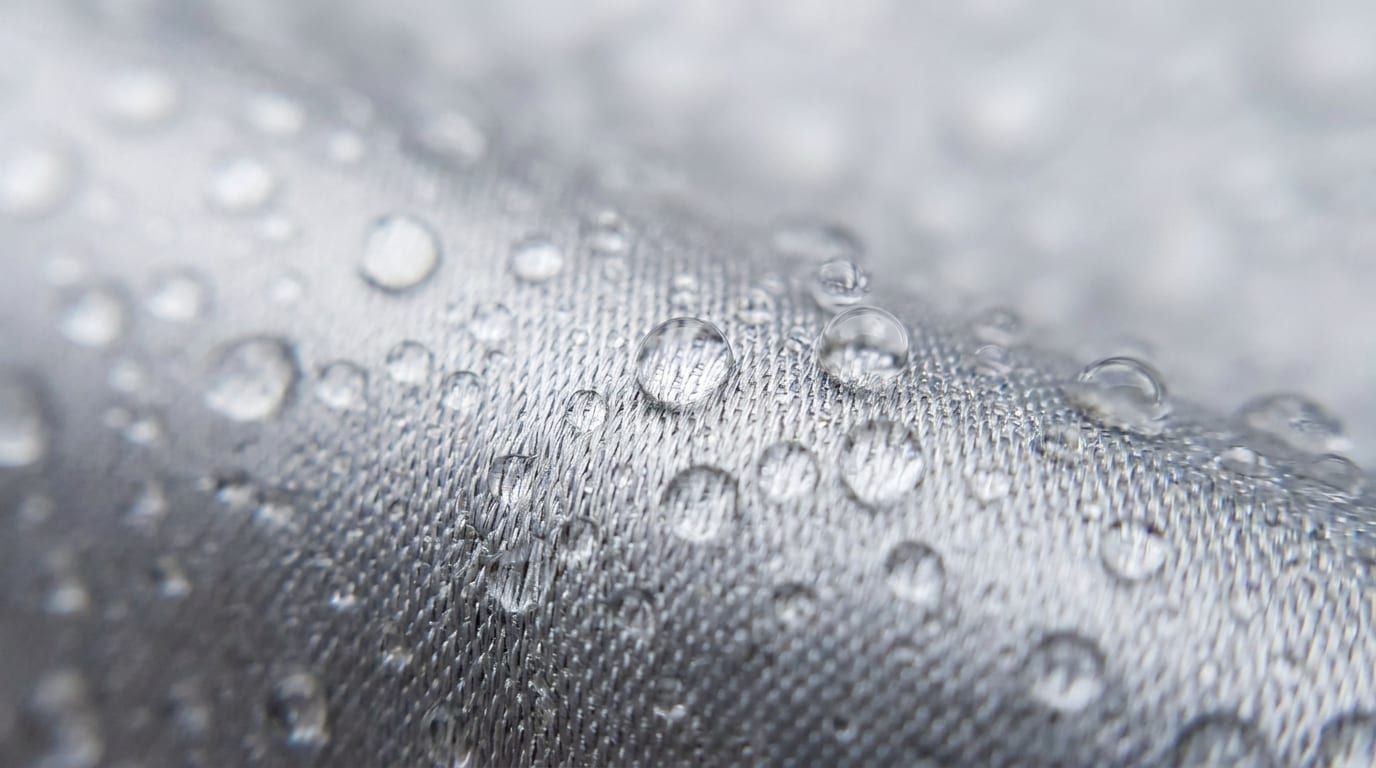
The mechanism here is simple: a cover puts a physical layer between the tree and your paint. Droppings and sap land on fabric instead of clear coat. No contact, no reaction, no etching.
But not every cover fabric handles this well. You want a waterproof or water-resistant outer layer, so sap can't soak through to the paint underneath, paired with a breathable inner layer that lets moisture escape instead of getting trapped and turning into mildew. UV-resistant material matters just as much, since it's the sun's heat that triggers the acid and sugar reactions in the first place. A cover that degrades under UV exposure won't hold up through a full season of it.
One thing a cover won't do: eliminate cleanup entirely. You'll still need to wipe droppings and sap off the cover surface. But that's a fabric problem, not a paint problem, and fabric is a lot cheaper to deal with than a respray. For more on how these materials are built to hold up outdoors, this guide to using a car cover outdoors covers wind, UV, and water resistance in more depth.
Choosing the Right Cover for Outdoor, Under-Tree Parking
Not all covers are built for this job. Indoor or lightweight covers are made for dust in a garage, not daily sap exposure in direct sun. If your car lives under a tree, you want something rated for outdoor car covers, full stop.
Fit matters just as much as material. A loose, universal-fit cover leaves gaps at the mirrors, wheel wells, and hood seams, exactly where droppings and sap find their way in. A snug, custom-fit car cover closes those gaps and keeps the barrier intact.
Sizing is the other half of that equation. A cover that's technically waterproof but too big or too small for your vehicle still leaves exposed paint. Check what size car cover fits your vehicle before you buy, or just run your plate or vehicle info through CarCovers' fit tool to match a cover to your exact make and model.
Removing Existing Sap and Droppings Safely (Before You Cover Up)
If there's already sap or droppings on your paint, don't just throw a cover over it and call it done. Soak the spot first with warm, soapy water to soften it. Never scrape dry sap or dried droppings straight off the paint, that's how you end up with swirl marks or worse.
For sap that won't budge, a dedicated tar and sap remover or isopropyl alcohol on a soft cloth usually does the trick. Follow it with a full wash and a coat of wax to seal the surface back up.
Cover the car after you've cleaned it, not before. Throwing a cover over paint that's still got sap or acid residue on it just traps the contaminant against the surface, which defeats the point. If you're dealing with existing staining or etching, this paint care resource walks through recovery options in more detail.
Keeping the Cover Itself Clean and Effective
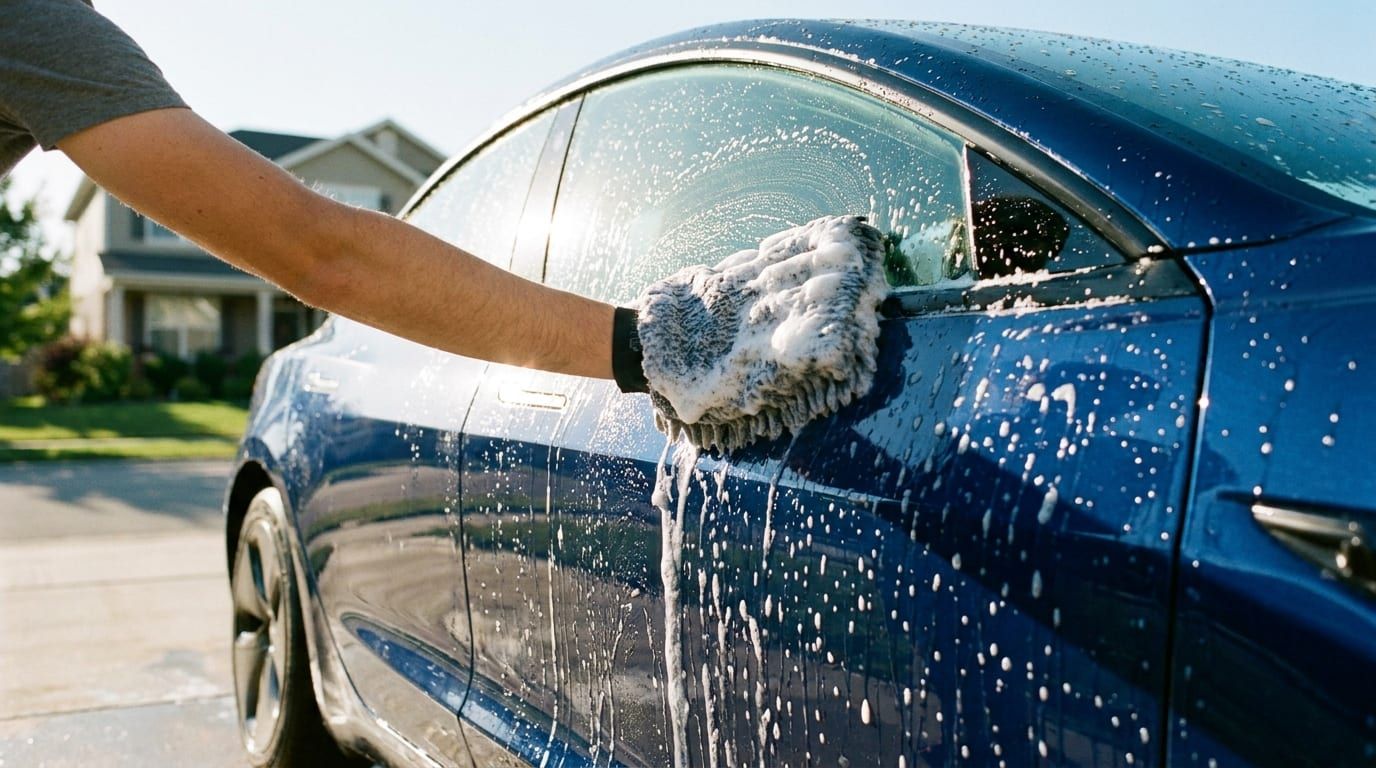
A cover that's doing its job is going to accumulate sap and droppings on its surface. Left there too long, that buildup can degrade the fabric, especially any water-resistant coating. So don't wait for a full wash cycle. Rinse or wipe the cover down after any heavy exposure, a big sap drip, a flock that decided your hood was a good spot to hang out.
Cleaning it wrong can undo the protection the cover's supposed to offer, so it's worth following proper cover cleaning steps rather than just hosing it down and hoping for the best.
Treat this as a seasonal habit, not a one-time task. Refresh your cleaning routine each spring and summer when tree activity ramps back up, that's when the cover is working hardest and needs the most attention.
Protect Your Paint Year-Round
The math is simple. A cover stops the acid and sap reaction before it ever touches your clear coat. Skip it, and you're gambling on paint correction later, which costs more and doesn't always get you back to where you started. A good car cover built for daily sun, sap, and dropping exposure is the cheaper bet, every time.
If your parking situation changes with the seasons, tree activity picks up, new nesting spots show up nearby, it's worth reassessing your protection each year rather than assuming last year's routine still covers you. Poke around our other seasonal care guides if you want to stay ahead of it.
Updated