Articles Seasonal & Weather Car Care Tips
Best Car Cover for Denver, CO Hail and Sudden Storms: A Local Buying Guide
Published
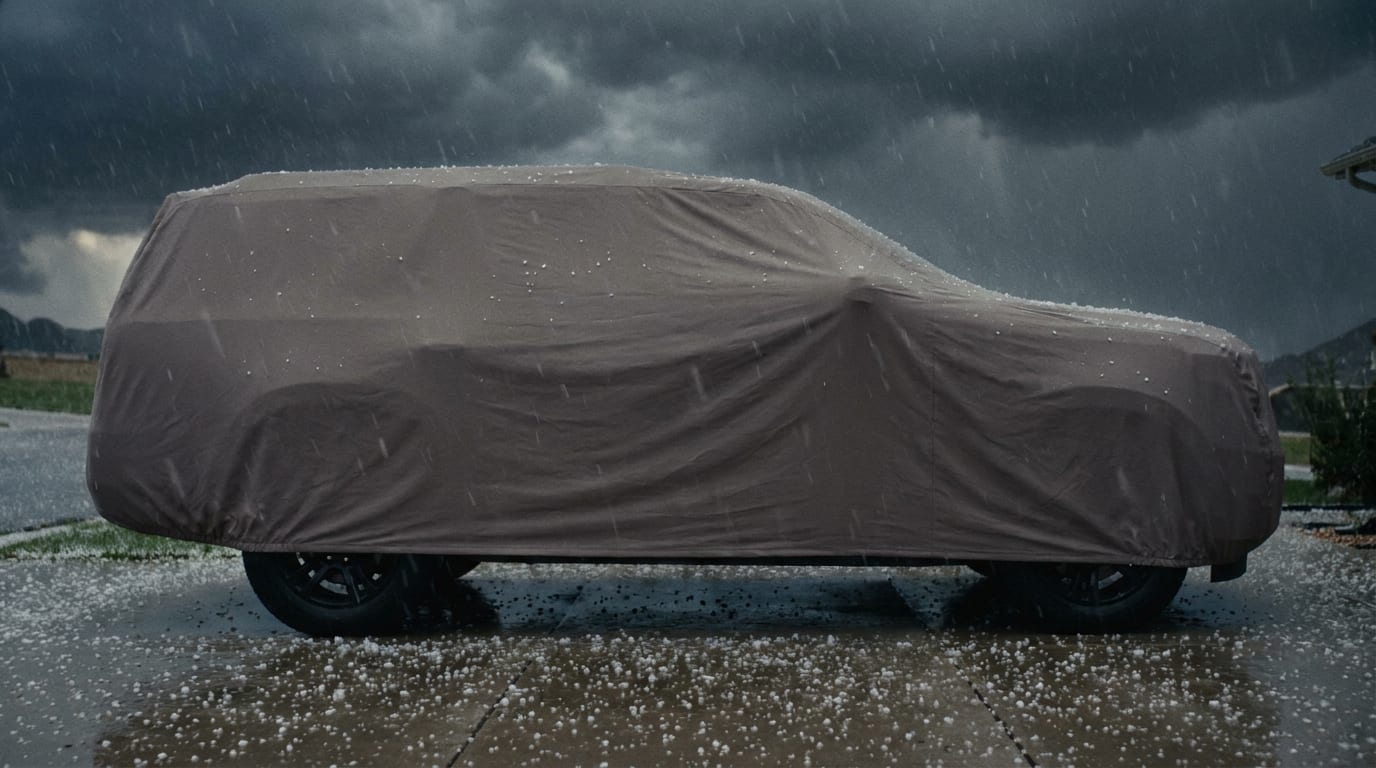
Denver drivers know the drill: blue skies at noon, hail by 3pm, and a windshield full of dents before dinner. If you park outside anywhere along the Front Range, finding the best car cover for Denver, CO hail and sudden storms isn't a nice-to-have, it's basic car maintenance. This guide walks through what actually matters when you're shopping for one, from fabric construction to fit to the straps that keep it from blowing into your neighbor's yard.
Why Denver's Hail Season Demands a Dedicated Car Cover Strategy
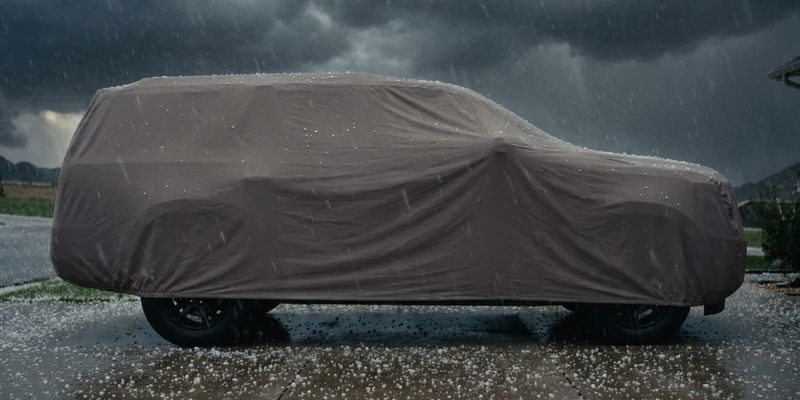
Denver sits right at the edge of what meteorologists call Hail Alley, a stretch of the central Plains and Front Range that sees more large-hail days than almost anywhere else in North America. Peak season runs May through September, and it doesn't ease in gently. Storms build fast over the foothills and drop onto the metro area with little warning, sometimes turning a sunny afternoon into a driveway full of golf-ball-sized ice in under ten minutes.
That speed is the problem. You often get minutes, not hours, to react. And when you don't react in time, the repair bills add up fast: paintless dent repair on a moderately hailed vehicle can run into the thousands, and a cracked windshield or trim damage pushes it higher. Prevention is just cheaper. That's the whole premise of this guide: match your cover's features to the specific threats Denver throws at your car, not some generic "weatherproof" claim on a packaging label.
Understanding Denver's Weather Patterns That Damage Cars
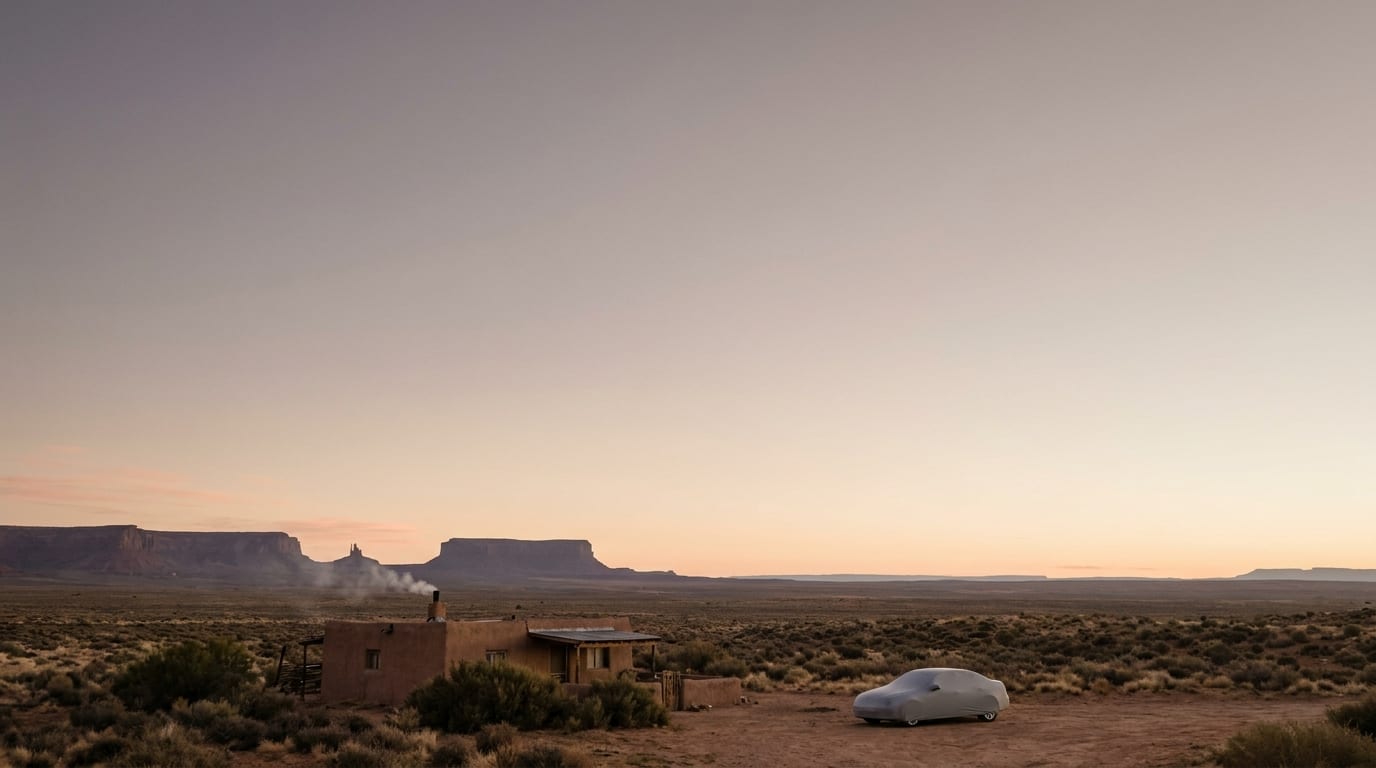
The geography is the root cause. Warm, moist air rolls up from the plains and collides with cooler air dropping off the Rockies, and that collision builds the kind of towering thunderheads that produce large hail. Add Denver's elevation, where the atmosphere is thinner and storms can intensify quickly, and you get a region that racks up more damaging hail events than most of the country.
Summer afternoons follow a predictable, if unwelcome, pattern. Storms form over the mountains in early afternoon and push east into the metro by late afternoon, often with barely enough lead time to move your car into a garage. That's a big part of why this matters for anyone evaluating the best car cover for Denver, CO hail and sudden storms: you need something you can throw on fast, not a multi-step setup.
Hail isn't the only issue, either. Denver's altitude means more direct UV exposure, year-round, which breaks down paint clear coat and dries out plastic trim even on days with zero storm activity. Throw in the wind gusts that typically ride along with Front Range storm systems, strong enough to rip a loose cover clean off a hood, and you've got a vehicle under attack from three directions at once. Shoulder seasons bring a fourth: freeze-thaw cycles and early or late snow that stress a cover in ways summer owners don't think about until October hits.
Key Features to Look for in a Hail-Resistant Car Cover
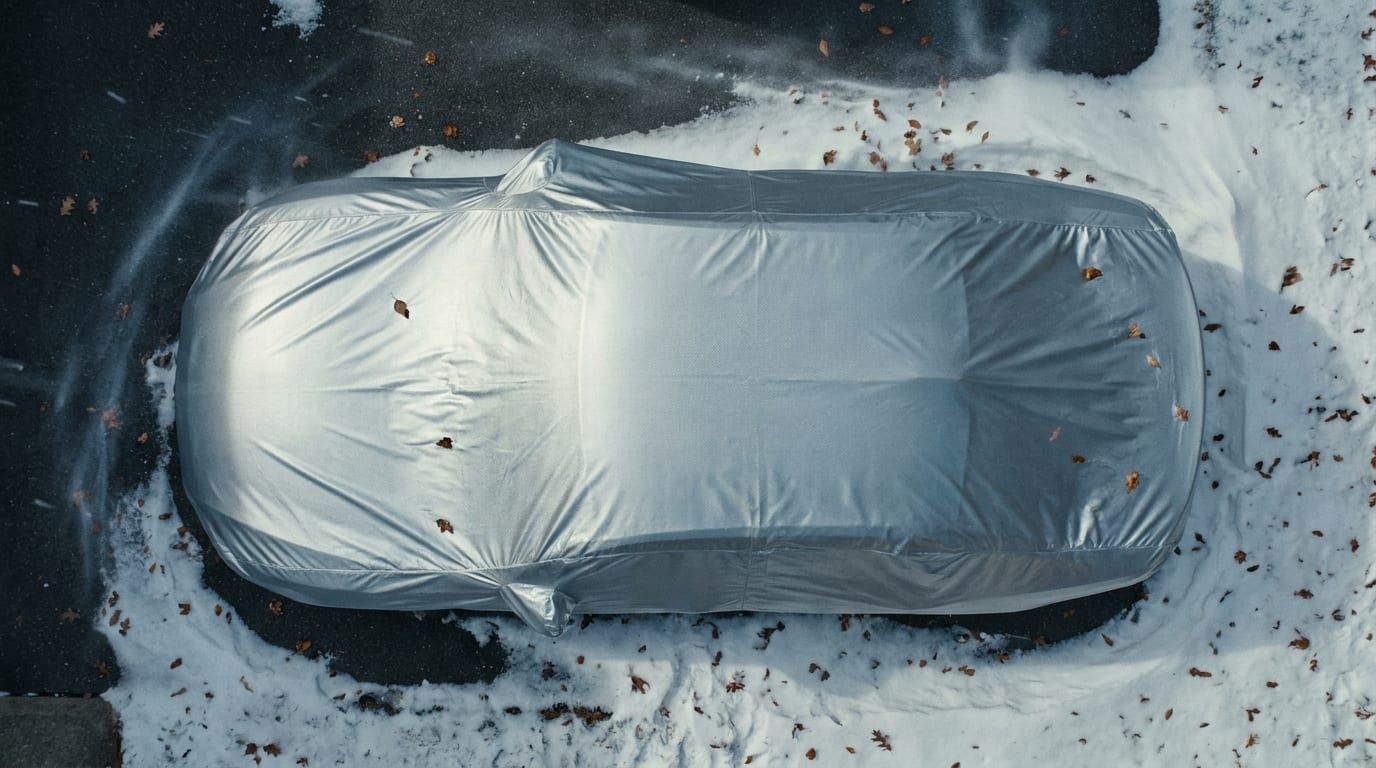
Not all car covers are built for impact. A single-ply fabric might shed rain fine but does almost nothing against a hailstone falling at speed. Look for multi-layer padded construction, where an inner cushioning layer absorbs and disperses impact energy instead of transferring it straight to your paint and sheet metal.
Puncture and tear resistance is the spec to actually check, not just skim past. Manufacturers that design specifically for hail protection will usually call out this testing directly, since it's the difference between a cover that dents less and one that just gets shredded in the first storm.
UV-stabilized fabric matters here more than in most markets, given how much sun Denver gets at altitude. A cover that isn't treated for UV will fade, stiffen, and crack within a season or two, leaving it brittle right when you need it to flex and absorb impact.
You also want a waterproof-breathable shell. Denver storms tend to be short and violent rather than long and steady, so the cover needs to shed a sudden downpour without trapping moisture underneath afterward. A waterproof car cover that doesn't breathe just swaps hail damage for trapped condensation and water spots.
Last, check the attachment system. Elastic hems, built-in grommets, and strap systems are what keep a cover anchored when a storm's wind gusts hit 40 or 50 mph, which happens often enough along the Front Range that it shouldn't be an afterthought.
Matching Cover Types to Denver's Storm Season

If you park on the street or in an open driveway, which a lot of Denver suburbs require, you need an outdoor car cover built for full exposure: UV treatment, water resistance, and that padded hail layer. Garaged vehicles have an easier time of it, but even indoor covers earn their keep catching dust and the occasional stray hailstone that gets in through a open garage door during a fast-moving storm.
Fit matters more than people expect. A universal cover might technically fit your SUV, but loose fabric over the hood and roof means hail impact transfers more energy to the panel underneath. A custom-fit cover hugs those vulnerable surfaces more tightly, which keeps the padding where it actually needs to be during impact.
Waterproofing priorities here look a little different than in, say, Seattle. You're not dealing with constant drizzle, you're dealing with intense, short bursts. A cover that resists heavy rain for an hour or two, then dries out quickly after, is more useful than one built for all-day soaking.
Given how often wind rides in with these storms, it's worth adding a dedicated gust strap or wind strap rather than relying on the cover's stock hem alone. It's a small accessory that solves a very specific Front Range problem.
And think seasonally. The heavy-duty hail cover that earns its keep in July isn't necessarily the right tool for a January snow load. Many Denver owners keep two covers in rotation: one built for impact resistance in storm season, one rated for snow weight in winter.
Sizing and Fit: Getting Full Coverage for Your Vehicle
A cover that's even a little loose defeats its own purpose. Gaps at the mirrors, a short hem that leaves the lower doors exposed, slack fabric bunching on the roof, any of these create spots where hail hits bare metal or glass instead of padded fabric.
Measure properly before you buy. You want overall length bumper to bumper, mirror placement so you can confirm mirror pockets or cutouts line up, and antenna height if your vehicle has a fixed mast antenna. Skipping this step is how people end up with a cover that looks right in the listing photo and fits wrong in the driveway.
Custom-fit covers consistently outperform universal ones for hail protection, especially on vehicle types that are common around Denver: SUVs, trucks, and AWD cars like Subarus that locals lean on for mountain driving. If you're shopping for one, check the Subaru cover lineup directly rather than guessing from a generic "mid-size SUV" category.
Don't eyeball it based on vehicle class alone. Use a proper sizing tool to confirm fit against your exact make and model before you check out.
Installation and Storage Tips for Colorado Drivers
Keep the cover somewhere you can grab it in under a minute: trunk, mudroom, garage entry, wherever you'll actually reach it when the sky turns green. Denver storms don't wait for you to dig through a closet.
Once it's on, secure it properly. A gust strap cinched under the vehicle and a cable lock through the grommets will keep the cover in place through wind gusts that would otherwise peel a loosely draped cover right off. This takes maybe 90 seconds once you've done it a few times.
Between uses, fold the cover instead of wadding it into a ball. Grit and moisture trapped in folds wear down fabric faster than the sun does, and a cover that's stored wet will mildew before you get to use it again.
If you drive daily, a quick on/off routine becomes second nature pretty fast. Weekend or collector vehicles that sit most of the week can handle a more semi-permanent setup, since they're not getting unwrapped and rewrapped every morning.
Warranty and Durability: What to Expect From a Quality Cover
A lifetime warranty on materials and workmanship is worth paying attention to, especially for a product that's going to take repeated hail impacts over several seasons. It's a signal the manufacturer expects the fabric to hold up, not just survive one storm and call it done.
Check for a no-hassle guarantee too. Fit issues happen, even with good measurements, and you want an easy path to exchange or return a cover that doesn't sit right on your vehicle.
Colorado's hailstorm history isn't hypothetical marketing fluff, it's documented. Some of the costliest hail events in U.S. history have hit the Denver metro, and a rundown of major hailstorms makes it pretty clear why durability specs aren't just a sales pitch here.
Be realistic, though. A quality cover meaningfully reduces your risk of dents and cracked glass. It won't guarantee zero damage in a severe, prolonged hail event with large stones. Nothing short of covered parking really does that. What a good cover buys you is a much better outcome in the storms you'll actually face most years.
Protect Your Car Before the Next Denver Storm
Run through the checklist one more time: padded multi-layer construction, UV-stabilized fabric, a waterproof-breathable shell, solid strapping, and a fit that actually matches your vehicle. Skip any one of those and you're leaving a gap for hail to find.
Don't default to whatever generic all-purpose cover shows up first in a search. Denver's weather is specific enough that it's worth shopping with that in mind, and the price difference between a basic cover and a hail-rated one is nothing compared to a single PDR bill.
If you've been putting this off, now's a good time to browse your options and get your fit confirmed before the next storm system rolls off the foothills. Your paint job will thank you.