Articles Seasonal & Weather Car Care Tips
Best Car Cover for Minneapolis, MN Snow and Freezing Temps: A Local Buying Guide
Published
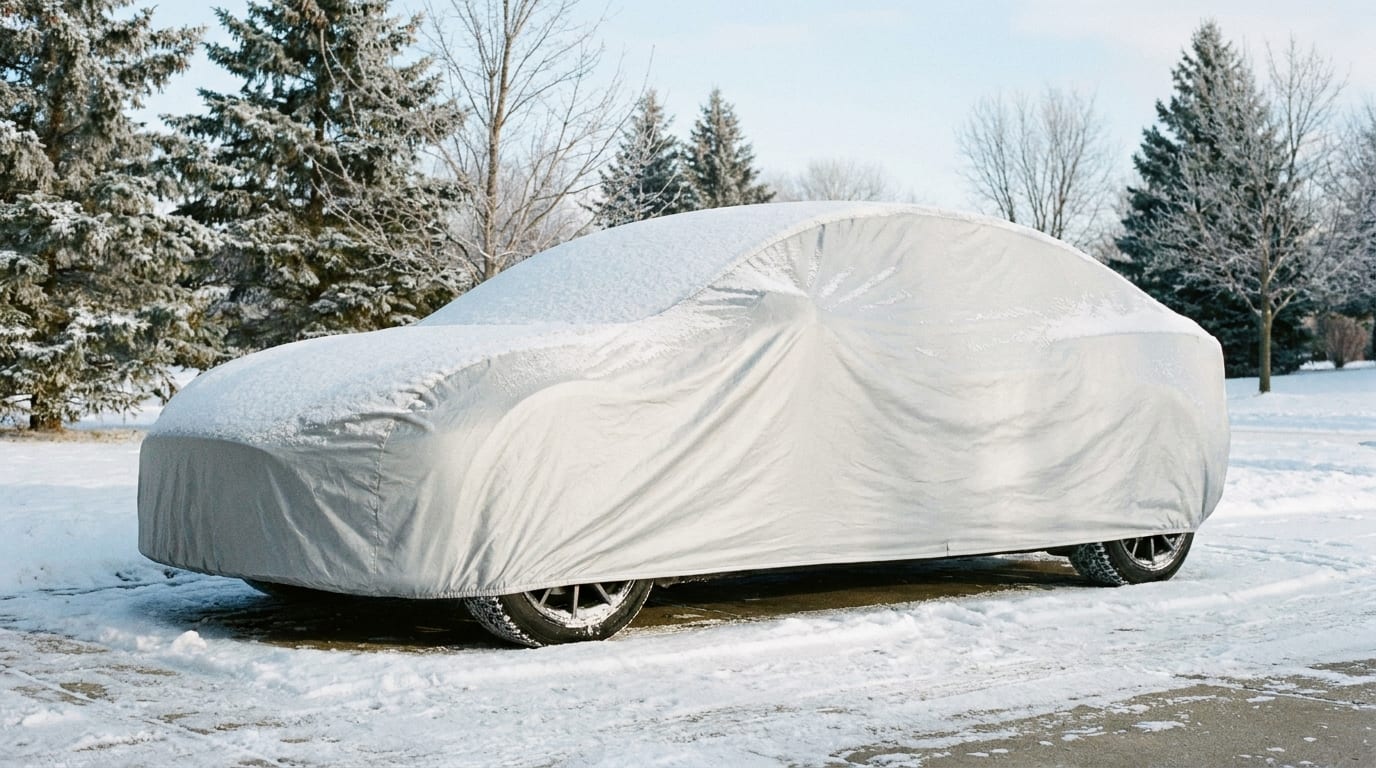
Why Minneapolis Winters Are Rough on an Unprotected Car
Minneapolis doesn't do mild winters. The metro averages more than 50 inches of snow a year, and once December hits, you're looking at stretches of sub-zero wind chill that can last for days. If your car sits outside through any of that, it's taking a beating you probably don't see until spring.
Here's the part a lot of car owners miss: it's not just the snow. It's the freeze-thaw cycle. A 34-degree afternoon melts a thin layer of snow on your hood, then the temperature drops back below zero overnight and that meltwater refreezes into a sheet of ice, bonded right to your paint. Do that forty or fifty times a winter and you've got a real problem on your hands. Add in road salt and de-icing chemicals, splashed up from the street or tracked in from a salted driveway, and you've got a corrosion risk that's specific to this part of the country.
A car cover made for, say, Phoenix or San Diego just isn't built for this. If you're shopping for the best car cover for Minneapolis, MN snow and freezing temps, the features that matter here are different from what a mild-climate buyer needs, and the rest of this guide walks through them one by one.
The Minneapolis Weather Factors That Should Drive Your Cover Choice
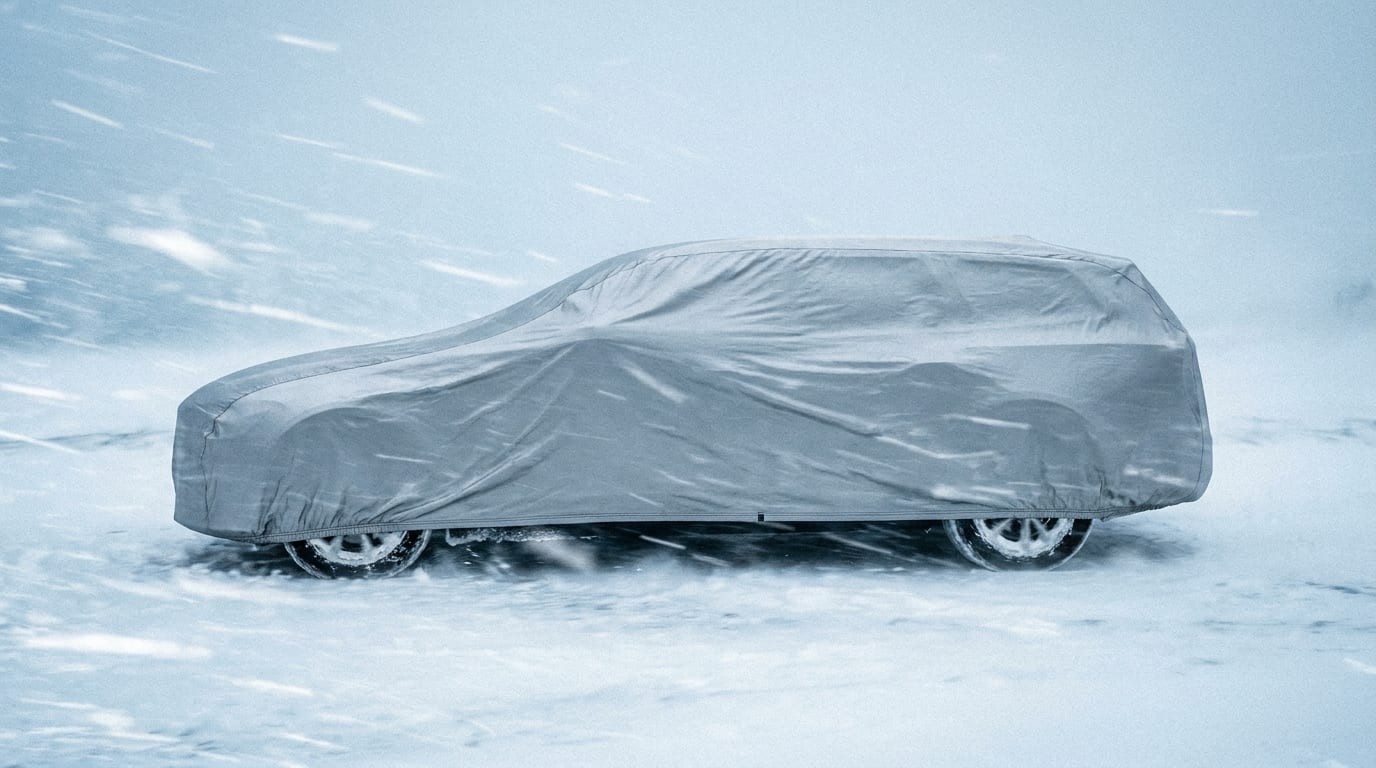
Four things define a Twin Cities winter, and each one should shape what you buy.
Heavy, wet snow is the first. A foot of Minnesota snow isn't light powder, it's dense and it piles up fast. A cover with loose weave or weak seams will sag under that weight, and once it sags, it's resting against your paint instead of standing off it. You want tight weave density and reinforced seams that can actually hold a load.
Wind is the second, and it's bigger than people expect. Open plains to the west and lake-effect gusts around the metro mean a loose cover doesn't just flap around, it can tear loose entirely and end up shredded against a fence or a neighbor's car. Without a real strap and anchor system, you're basically renting a very expensive tarp for one storm.
Then there's the cold itself. Once temps drop below zero, a lot of basic polyester covers go stiff and brittle. Fold or unfold one in that state and you risk cracking the seams right then and there. A cover rated for cold-weather use stays flexible enough to handle it.
Last one, and it surprises people: UV exposure doesn't stop in winter. Snow glare on a bright January day reflects a lot of ultraviolet light back up at your car, so a cover without UV-resistant treatment will still degrade over a season, even if it never sees July sun.
Must-Have Features for a Minneapolis Snow-and-Freeze Cover
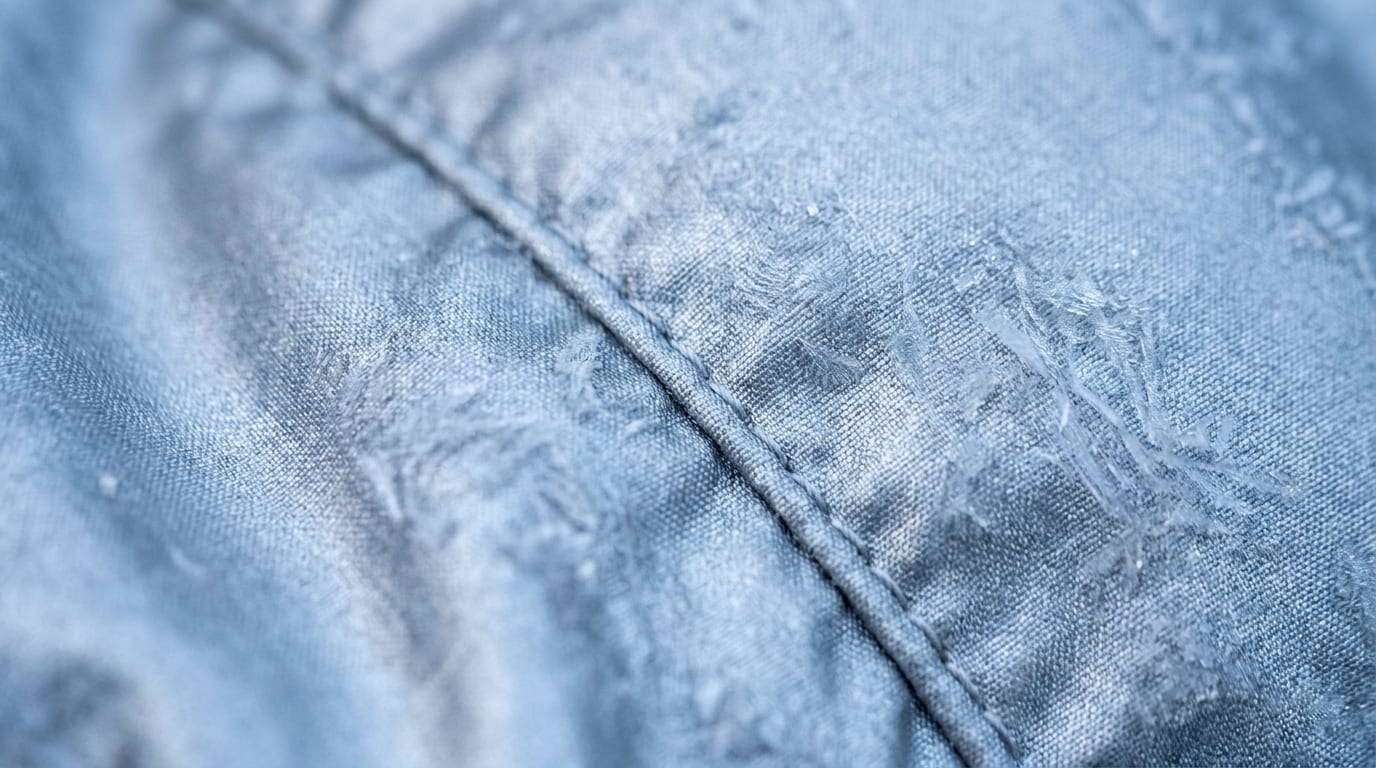
This is the checklist worth actually caring about when you're comparing covers.
Start with waterproof, breathable fabric, ideally multi-layer. It needs to shed snow and sleet on the outside while still letting moisture escape from underneath. Skip the breathable part and you trap condensation against your paint, which just refreezes into ice overnight. A good waterproof car cover solves both sides of that equation at once.
Next is the hem and anchor system. Look for a reinforced, elasticized hem with grommets built in for wind straps or a cable lock. That's what keeps the cover anchored when a gust comes off the lake or down an open street.
Cold-tolerant material matters more than people think. Basic polyester stiffens and cracks in sub-zero temps. A cover built for genuine cold-weather use stays pliable enough to fold, unfold, and fit snug without seam damage.
A soft inner lining isn't just about scratching from dust, it actually protects against ice crystals that can form on the underside of the cover itself. And finally, fit. A custom-fit cut, cut specifically for your make and model, closes the gaps that a universal-fit cover leaves open, gaps that wind and snow will absolutely find. Custom-fit car covers are the difference between a cover that works and one that just sort of sits there.
Outdoor vs. Indoor Covers: What Makes Sense for Minneapolis Parking
Where your car actually sleeps at night changes what you should buy.
Street parking or a driveway with no garage: an outdoor-rated waterproof cover isn't optional here, it's the baseline. Anything less and you're fighting snow load and ice all winter with the wrong tool.
An unheated garage, attached or detached, gives you a little more flexibility. A lighter indoor/outdoor hybrid cover can handle dust and the occasional condensation issue. But if that garage sees real temperature swings, which most unheated ones do in Minnesota, outdoor-grade protection is still the safer bet.
Apartment and condo dwellers without covered parking have it toughest. Open lots catch the worst wind in the metro, so prioritize a cover with solid wind-strap compatibility over anything else on the spec sheet.
And don't forget vehicle type. Minnesota has a lot of SUVs and trucks on the road, partly because of the extra clearance they give you in deep snow, and those vehicles need a cover cut for a taller body profile. A cover sized for a sedan will leave gaps at the wheel wells and hood line on an SUV or truck, and that's exactly where snow and wind get in.
Securing Your Cover Against Drifting Snow and Wind
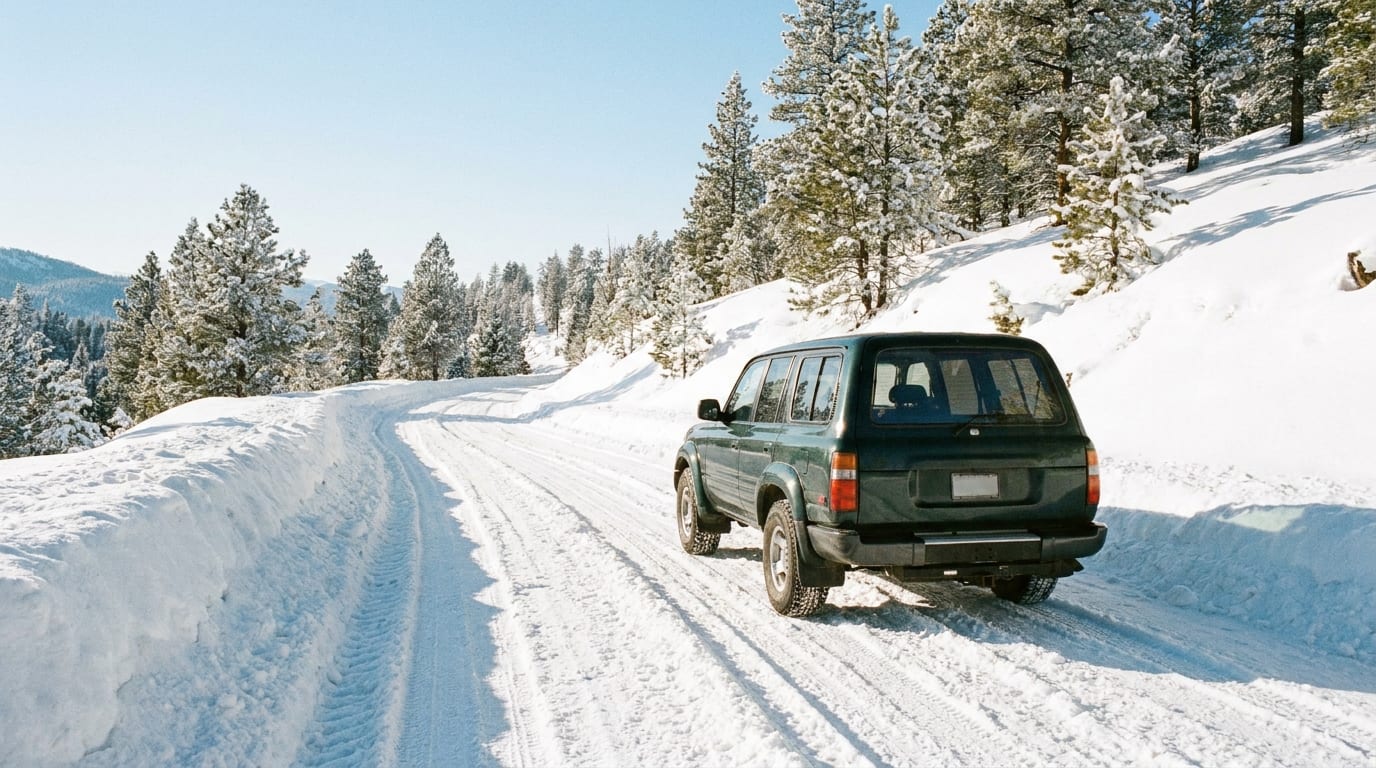
Owning the right cover is only half the job. Securing it properly is what actually gets you through a storm without damage.
Use the built-in grommets with a real wind strap kit designed for car covers. This is what keeps the fabric from lifting at the edges when wind gets underneath it, which is usually how a cover ends up shredded by morning.
A cable lock system adds a second layer, both for security and for keeping the cover pulled snug against the body in blowing snow. A loose cover flaps, and a flapping cover wears through at the stress points fast.
Brush off accumulated snow regularly instead of letting it pile up overnight. A few inches is fine. A foot sitting on the roof all night is a lot of unnecessary weight on the seams, and it's the kind of thing that turns a small weak point into a tear.
One thing people don't think about: a properly tensioned cover barely pools anywhere, which matters because pooled fabric is exactly where meltwater collects and refreezes into ice overnight. Keep it tight, keep it anchored, and you avoid that problem almost entirely.
Keeping Your Cover in Good Shape Through a Full Minnesota Winter
A cover that survives one storm should survive the whole season, if you treat it right.
Shake off wet snow before it has a chance to compact and refreeze into a hard ice layer. Once that happens, it's a lot harder to remove without stressing the fabric.
Don't try to fold or pull off a cover that's frozen stiff. Wait until it softens up, even if that means waiting an hour for temps to rise a bit. Forcing a frozen cover is one of the fastest ways to tear a seam that was otherwise fine.
Check your straps and grommets periodically. Repeated freeze-thaw cycles are tougher on hardware than on the fabric itself, so that's often where wear shows up first, even when the cover looks fine everywhere else.
And plan a mid-winter clean if road salt spray or slush has built up on the surface. Letting that residue sit all season can actually degrade the cover's waterproofing over time. A quick cleaning partway through the winter is worth the half hour it takes.
Picking the Right Cover and Getting It Right the First Time
Boil it down and the Minneapolis checklist is pretty short: waterproof and breathable fabric, cold-tolerant material that won't crack, a reinforced hem with strap grommets, and a custom fit for your actual vehicle. Skip any one of those and you're gambling on a Minnesota winter, which isn't a great bet.
Before you buy anything, run your vehicle through a sizing tool to confirm you're getting the right fit for your exact make and model. Fit is where a lot of covers quietly fail, long before the fabric ever does.
Worth checking the warranty, too. A cover that's supposed to survive a full Minnesota winter is an investment, and warranty coverage is a reasonable way to judge whether a manufacturer actually believes in their own product.
If you're still weighing options, it's worth browsing car covers built for outdoor winter use before the next storm rolls in. Either way, give your car the protection this weather actually demands, not the protection a mild-climate listing promised it.