


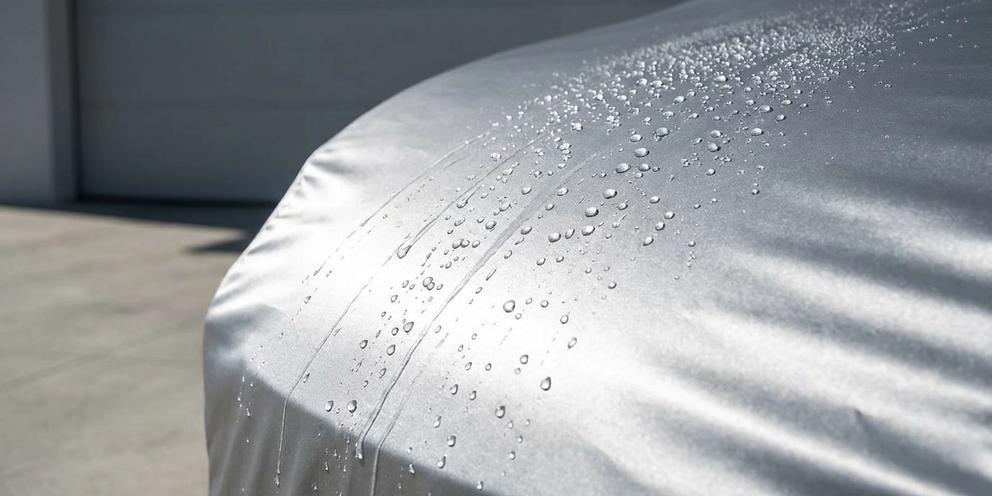
Best Car Cover for Summer Heat: How to Protect Your Vehicle from Sun and UV Damage
Why Summer Heat Is Rough on Your Car
Summer doesn't just make your car uncomfortable to sit in. It's actively breaking down the surfaces you paid for. UV rays hit your clear coat every single day it's parked outside, and over one season that exposure oxidizes the finish and fades pigment underneath. You might not notice it happening. Then one day you compare the hood to a door panel and the color's just... different.
It's not only the outside. Dashboards warp, seat leather stiffens and cracks, and interior plastics get brittle, even if you crack a window for airflow. That gap doesn't do much once the cabin's been baking for hours.
Here's the part most people don't realize: a parked car's exterior can run 40 to 60 degrees hotter than the air around it on a sunny day. Ambient temperature says 90. Your hood might be pushing 150. That's not a comfort issue, that's a materials issue, and it's why a plain tarp or the wrong cover won't cut it.
So what actually works? Not every cover is built for this specific problem. A decent car cover for summer heat needs to do more than block rain, it needs to manage sun, temperature, and airflow all at once. That's what the rest of this guide is about.
What Makes a Cover Actually Effective Against Summer Heat
Most covers protect against dust and rain fine. Far fewer are built for the sun problem specifically, and that's the one that does permanent damage.
Look for outer layers that are UV-reflective or UV-resistant, meaning they bounce sunlight rather than soaking it in. A cover that absorbs heat instead of deflecting it just becomes another hot surface sitting on top of your paint.
Breathability matters just as much. Multi-layer fabric that lets trapped heat and moisture escape keeps the space between cover and paint from turning into a slow cooker. A sealed, non-breathable cover traps warm air right against the clear coat, which somewhat defeats the point.
Color plays a bigger role than people expect too. Dark covers absorb more heat themselves, so a lighter or reflective-toned cover stays cooler to the touch and does a better job shielding what's underneath.
And fit. A loose cover flaps in the wind, and that constant movement creates friction against paint that's already softened by heat. A snug, secure fit keeps the reflective layer flush against the body instead of lifting and slapping around. If you're comparing options, browsing the full car covers lineup side by side makes it easier to see which ones are actually built with these four things in mind, not just marketed as "outdoor" covers.
Material Types Compared for Hot-Weather Use
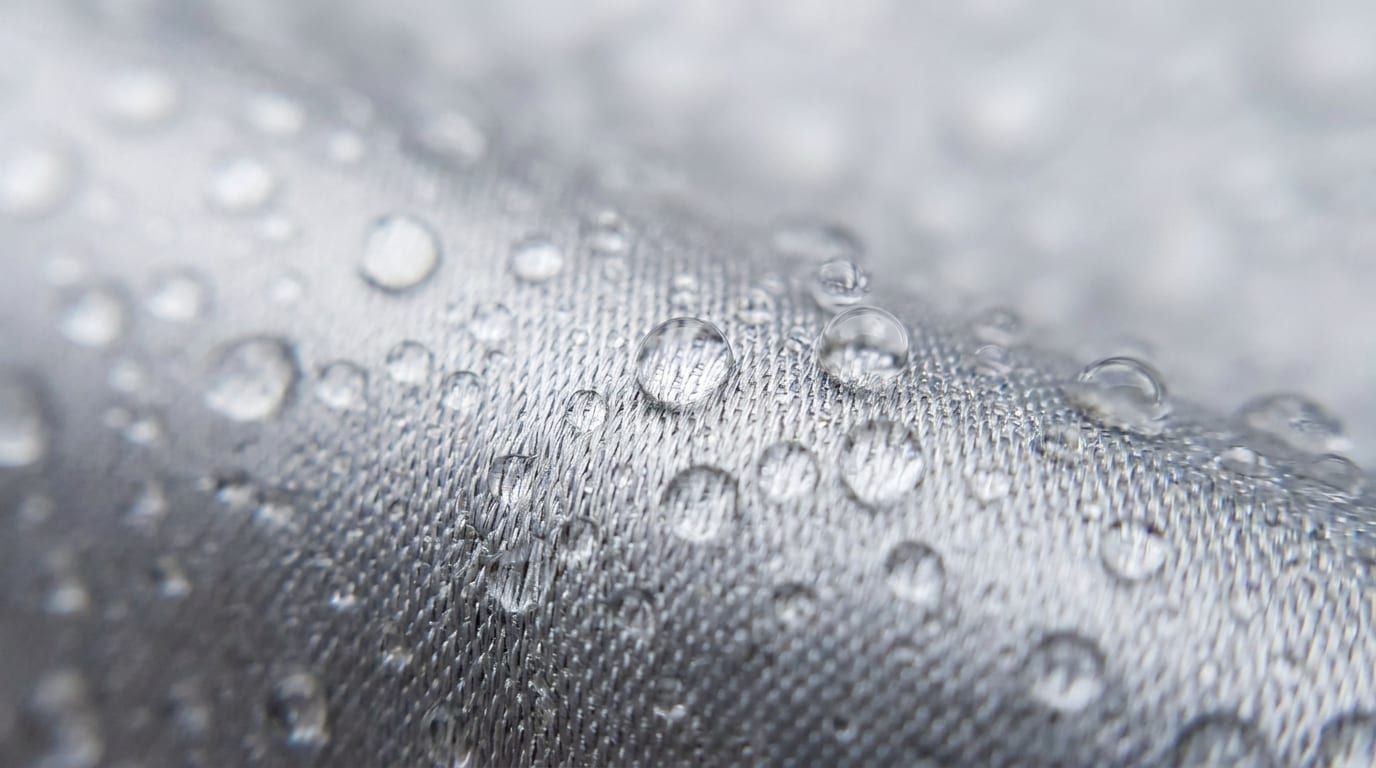
Not all covers are made for the same job, and summer use has different priorities than winter storage.
Breathable woven fabrics
- Best for: Daily outdoor parking through summer
- Why: Lets heat and trapped moisture vent out instead of building up against the paint
- Tradeoff: Less heavy-duty against hail or long-term storage conditions
Heavier multi-layer covers
- Best for: Long-term storage or severe weather exposure
- Why: Built for durability and impact resistance over breathability
- Tradeoff: Can trap more heat and moisture if used daily in direct summer sun
Here's the thing people get backwards: waterproofing feels like the priority, but in summer, breathability matters more. Trapped moisture combined with heat is a fast track to mildew and clouded paint, even under a cover that's technically doing its job of keeping rain out. A cover that's totally sealed but non-breathable can do more damage over a hot July than no cover at all.
If you want the full breakdown of fabric types, weights, and what each one trades off, the material comparison guide covers it in more depth than we can here.
One more note: if your car lives in a garage, you don't need any of this UV-treated, reflective material. Indoor car covers use lighter fabric because they're not fighting direct sun, just dust. Don't overpay for UV protection you won't use.
Getting the Fit Right Matters More in Summer
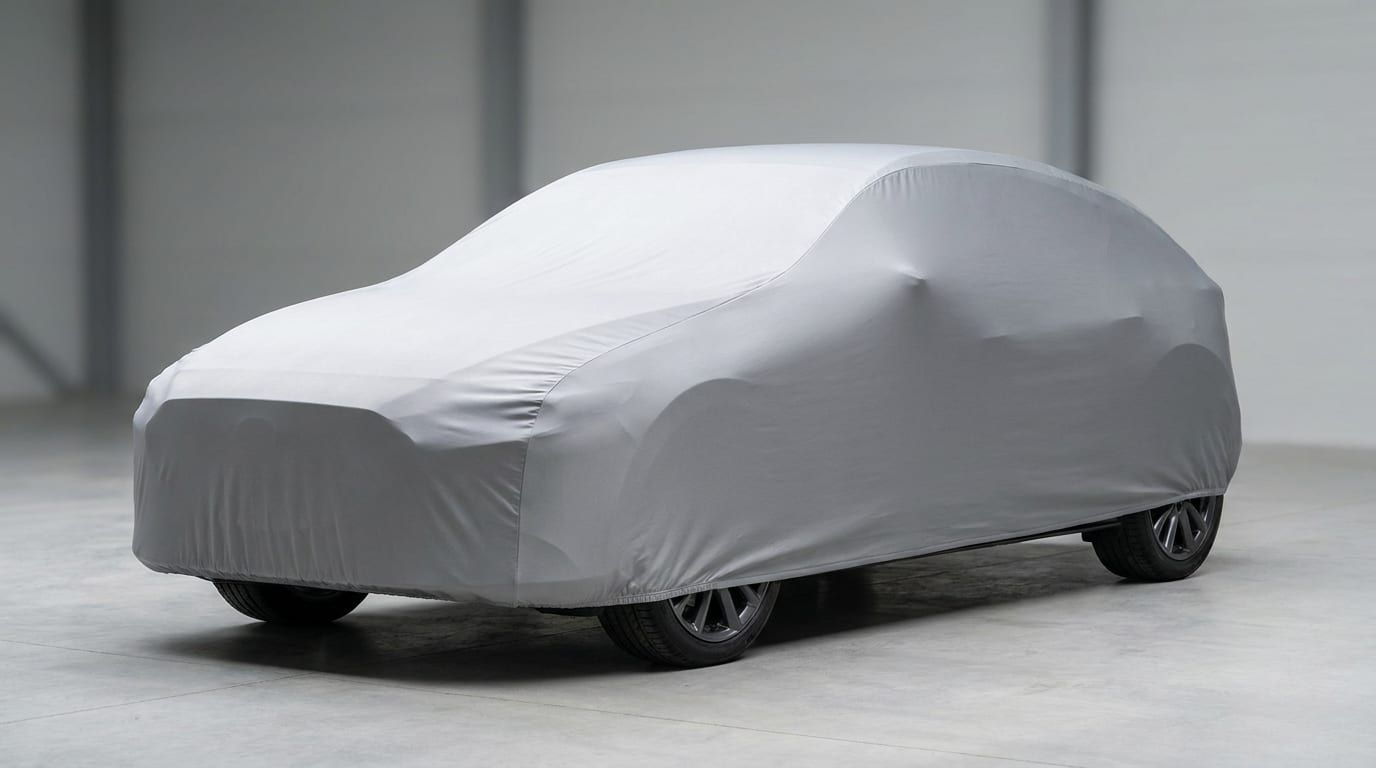
Fit sounds like a minor detail until you've watched a loose cover balloon in a gust of wind. In summer, that's not just annoying, it's actively harmful. A universal-fit cover that's too big flaps against a clear coat that's already softened by heat, and that constant low-grade friction creates micro-scratches you won't notice until they've dulled a whole panel.
Semi-custom and custom-fit covers solve this by hugging the body lines closely enough that wind has nothing to grab. The reflective layer stays where it's supposed to, flush against the paint, doing its job instead of flopping around six inches above it.
Not sure which fit category your vehicle falls into? The sizing guide walks through how to measure and match, and it's worth five minutes before you buy. If you're leaning toward a tighter fit overall, custom-fit car covers are built to your specific make and model rather than a generic size bracket.
Small detail, big difference: check that mirror pockets and antenna cutouts actually seat flush. A gap there is a gap the sun uses. Even a well-fitted cover with a mirror pocket that doesn't sit right leaves a strip of paint exposed all day.
How to Use Your Summer Cover for Best Protection
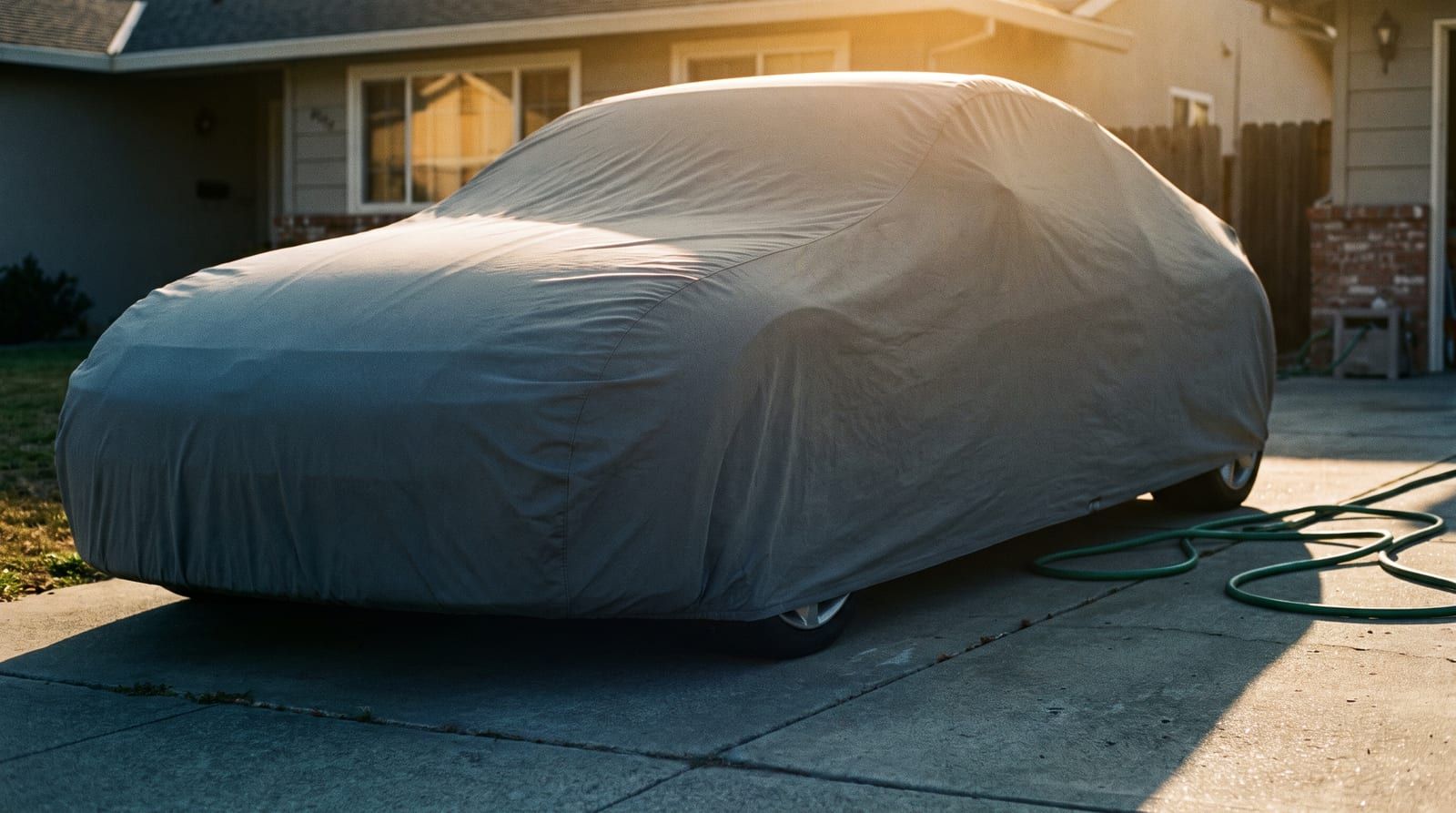
Timing matters more than people think. Cover the car as soon as you park it, not after it's sat baking for two hours. Once the paint and cover material are both already hot, you've lost the advantage of starting cool.
Wash and fully dry the car before covering it. Dust or moisture trapped between paint and fabric turns into a mild abrasive once heat and pressure get involved, and that's how a good cover ends up causing the exact swirl marks it was supposed to prevent.
Anchor it properly. Straps, cable locks, or grommets keep the cover from shifting during summer thunderstorms or those gusty late-afternoon winds that seem to come out of nowhere in July. A cover that's not secured is basically back to flapping-in-the-wind territory, no matter how good the fabric is.
If you're new to using a cover regularly, the installation guide walks through the basics, and the outdoor cover guide covers wind, waterproofing, and UV exposure together if you want the fuller picture of using one outside long-term.
Extra Summer Protection Habits Worth Building
A cover isn't a fix for paint that's already neglected. Sun damage compounds on top of existing swirl marks, oxidation, or a worn-out wax layer, so if your paint's in rough shape already, a cover slows the damage but doesn't reverse it. Worth reading up on paint care basics if it's been a while since you've done more than a rinse.
Shade first, cover second. If you've got a garage, carport, or even a shady spot under a tree, use it. Think of the cover as your second layer of defense, not the only thing standing between your paint and the sun.
Quick habit worth building: wipe the car down before covering and again after uncovering. Takes two minutes and keeps grit from getting trapped and grinding against hot paint under the fabric.
Pair it with an interior sunshade. The cover handles the exterior, the shade keeps the dashboard and seats from taking the direct hit through the windshield. Together they cover both problems this article opened with. For more on why a cover is worth the habit at all, why buy a car cover lays out the case in plain terms.
Choosing the Right Cover for Your Vehicle
Three things decide whether a cover actually earns its price in summer: UV-reflective material, real breathability, and a fit tight enough that wind can't turn it into a scrubbing pad. Skip any one of those and you're just draping fabric over your car, not protecting it.
Browse by vehicle type rather than grabbing the first universal option you see. A cover sized right for your specific car does more for less money than an oversized "fits most" version ever will.
If you're ready to compare options built for exactly this kind of summer use, it's worth exploring what's out there before the heat really sets in. And if you want more seasonal car care tips like this, stick around and check out what else is on the blog.
Updated