Best Cover for a Golf Cart: Fit, Waterproofing, and Strap Features to Check Before You Buy
Published
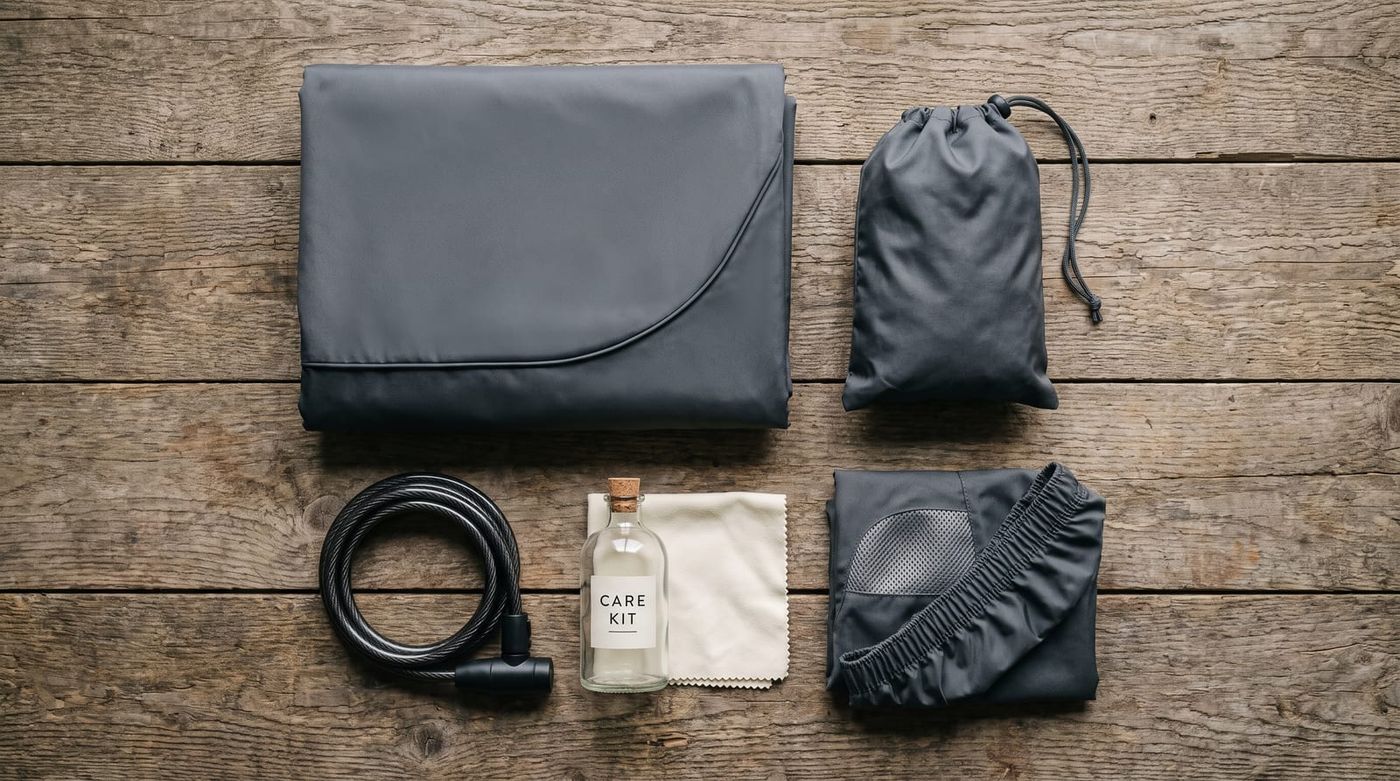
Most golf cart covers on the market get sold the same way car covers do: pick your size, add to cart, done. But a golf cart isn't a scaled-down sedan. It sits lower, weighs less, and usually lives outside near a garage wall, a carport post, or out in the open by the course. Finding the best cover for a golf cart means checking three things that have nothing to do with price or brand name: does it actually fit your seat configuration, is the fabric rated for how exposed your cart really is, and will the strap system keep it on in wind. Get those three right and almost any decent cover will do its job. Get them wrong and you've got a cover that looks fine in the photo and flaps around in your driveway by week two.
What "Best" Actually Means for a Golf Cart Cover
There's no single best cover for a golf cart in the abstract. There's a best cover for your cart, in your storage spot, in your climate. Three variables decide that: fit, waterproofing, and strap security. Fit comes first because a cover that doesn't match your cart's seat count or roof height will never seal properly, no matter how good the fabric is. Waterproofing matters differently for a cart under a carport catching dew than one sitting out near a sprinkler line. And strap security is a bigger deal on golf carts than most people assume, since a light, boxy cart with a loose cover catches wind like a sail.
Here's the part that trips people up: a "universal" golf cart cover and a cart-specific one aren't interchangeable. Universal covers are sized by seat count, 2-passenger, 4-passenger, 6-passenger, and roughly by roof style. That's fine as a starting point, but it's still a guess. Think of the rest of this article as a checklist, not a scorecard pointing to one winner. The right cover depends on your cart's actual dimensions, where it lives, and how much wind it sees.
Getting the Fit Right: 2-Seater vs. 4-Seater vs. 6-Seater Carts
Seat count drives length, and length is where most fit problems start. A cover built for a 2-seater will come up short on a 4- or 6-seater stretch cart, pulling tight at the corners and leaving gaps at the back where water and dust work their way in. Go the other direction, a 6-passenger cover on a 2-seater, and you get the opposite problem: loose fabric that bunches up, collects water in the folds, and gives wind something to grab onto.
Roof clearance is its own issue, separate from length. A cart with a sun-top or a flip-down rear seat needs more room in the cover's crown and back panel than a bare-frame cart does. Covers built for topless carts often fit awkwardly over a sun-top, since the extra height changes how the fabric drapes and where the seams need to sit.
Before you buy anything, measure the cart yourself. Three numbers: overall length front to back, width at the widest point with mirrors folded in, and height to the top of the roof or windshield frame if there's no top. Don't eyeball it from the seat count alone. If you're unsure which size that puts you in, a sizing guide for matching cover size to vehicle is worth five minutes before you check out, and checking golf cart covers sorted by these dimensions beats guessing from a drop-down menu.
Waterproofing: What Keeps Rain, Dew, and Sprinklers Out

Not all "waterproof" labels mean the same thing. Water-resistant fabric sheds dew and handles a light drizzle fine, especially under a carport. But a cart stored outdoors full-time, with no roof over it, needs a genuinely waterproof, seam-sealed fabric. The difference shows up the first time it rains overnight instead of just misting.
Golf carts catch more ground moisture than cars do. They sit low, they're often parked on grass or gravel near the course instead of a sealed driveway, and sprinkler systems don't care whether your cart is in the way. Water wicking up from below is a real failure point that a lot of buyers don't think about until the underside of their seats is damp.
Breathability matters just as much as keeping water out. A cover that blocks rain but doesn't let moisture vent will trap condensation against the seats and dash, and on a cart left covered for weeks or months at a stretch, that trapped moisture causes more damage than the rain would have. Look at the waterproof cover options built with breathable layers rather than a single sealed sheet of vinyl.
UV resistance comes from the same fabric doing double duty. Golf carts spend more daylight hours exposed than a car that's garaged overnight, especially if it's parked courseside all day. A cover rated for UV as well as water is doing two jobs at once, and it's worth checking both specs, not just the waterproof claim on the front of the listing.
Straps, Buckles, and Wind Security
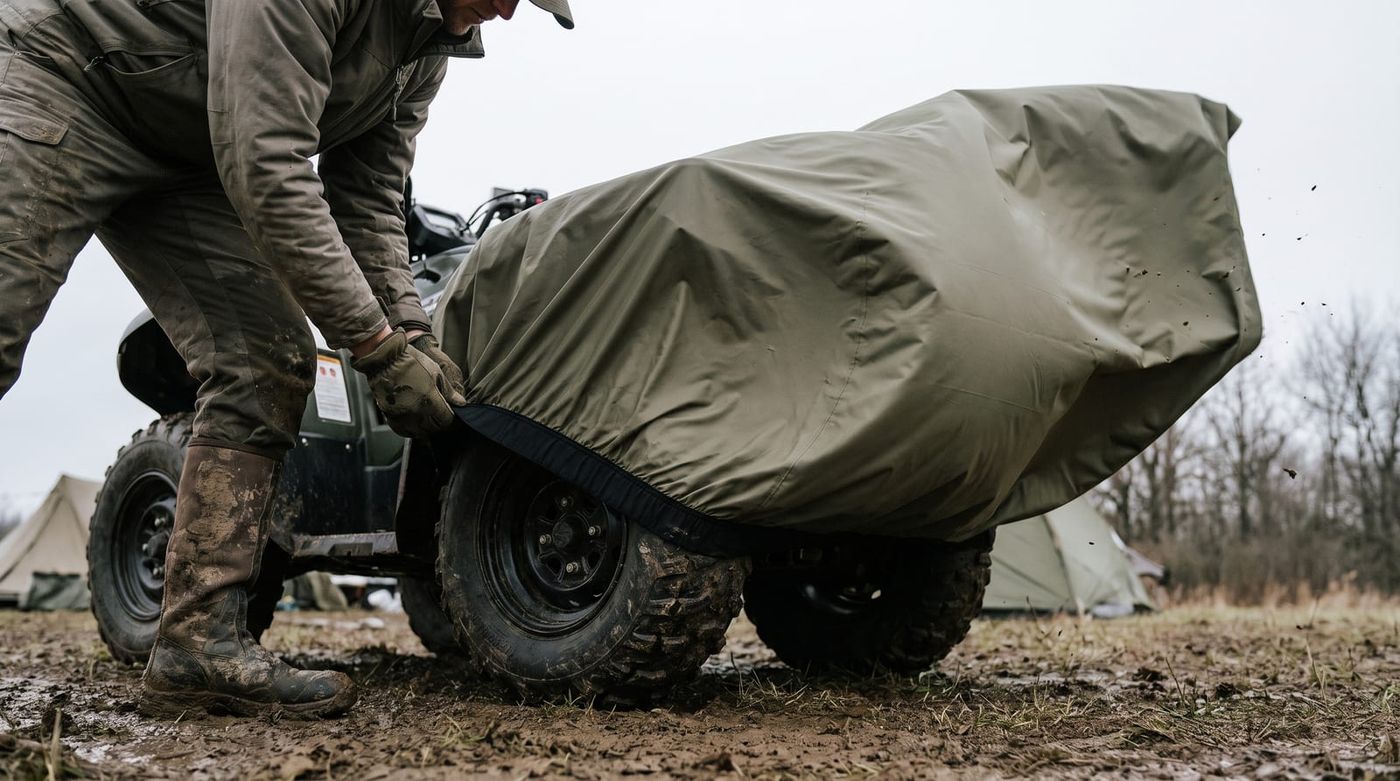
Golf carts catch wind in a way cars mostly don't. They're light, they sit high relative to their weight, and the body is boxier than a car's rounded profile. A cover that isn't cinched down properly can lift at the corners and, in open storage, blow off completely. This is the part of buying the best cover for a golf cart that people underestimate most, because it doesn't show up until the first windy afternoon.
Look for an elastic hem cinch along the bottom edge for a snug base fit, that's the baseline. For anywhere exposed, open lots, coastal areas, anywhere with regular gusts, add separate wind straps or buckled cross-straps that run under the cart and clip on the opposite side. If the cover you're looking at doesn't mention strap style at all, assume it's hem-only and plan accordingly. For carts stored somewhere accessible to others, grommets or cable-lock access points are worth checking too, since they let you lock the cover down rather than just strap it.
Strap placement matters more than people expect. Straps that run across wheels or frame rails will shift and chafe over time, wearing through the strap material or scuffing the cart's finish. A well-designed cover routes straps to clear the wheels entirely. If you're installing wind straps for the first time, this guide to installing gust straps walks through placement that actually holds.
Matching the Cover to Your Cart's Brand and Build
Club Car, E-Z-GO, Yamaha, and Cushman carts aren't identical under the fabric. Body width, roof mounting points, and windshield frame shape all differ slightly between brands, which is exactly why a generic "fits most golf carts" cover tends to fit none of them particularly well. Checking a brand-specific fit page, like the ones for Club Car, E-Z-GO, E-Z-GO Textron, Yamaha, Cushman, Columbia Par Car, or Melex, gets you a lot closer than sizing off seat count alone.
Aftermarket add-ons complicate this further. Rear seat kits, light bars, extended roofs, all of these change the cart's actual footprint from what it shipped with. If you've added any of that, size up from the stock fit rather than assuming the base measurements still apply.
The most common reason golf cart covers get returned isn't a bad fabric choice, it's a cover that's close but doesn't seat right at the corners. Confirming fit against your actual model, not just the category "golf cart," is the fix for that before it becomes a return.
Matching Material to Where the Cart Lives
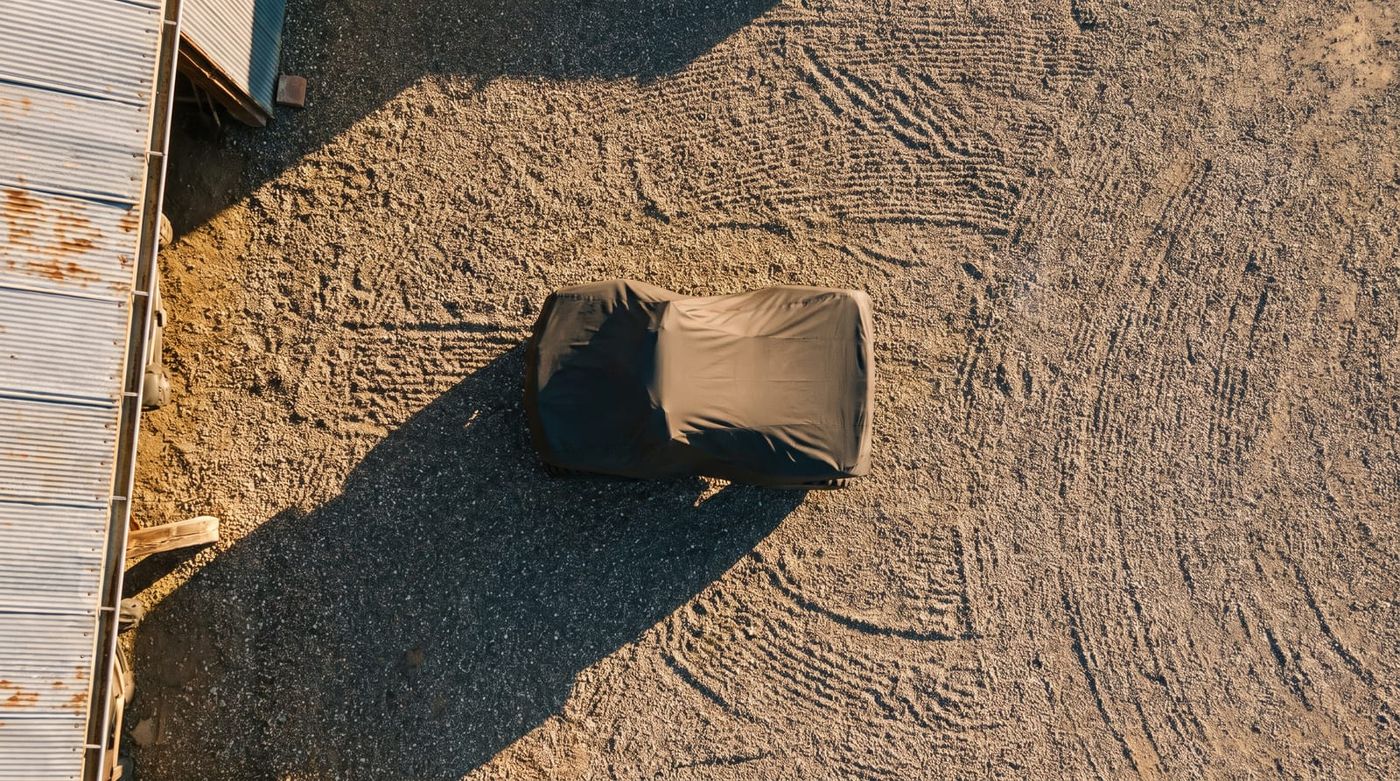
Storage conditions should drive fabric choice more than style preference does.
| Storage type | Fabric priority | Strap needs |
|---|---|---|
| Outdoor, uncovered | Heavy waterproof, seam-sealed | Reinforced wind straps as standard |
| Carport or open garage | Lighter water-resistant | Hem cinch usually sufficient |
| Fully indoor | Soft non-abrasive liner | Minimal, dust and scratch protection only |
Outdoor storage with no roof overhead isn't the place to go light on fabric to save a few dollars. Heavier waterproof material with reinforced straps should be the starting point, not an upgrade you add later. Carport or open-garage storage shifts the job toward dust and UV rather than driving rain, so a lighter water-resistant fabric does fine there and tends to be easier to fold and store. Fully indoor storage flips the priority again: waterproofing barely matters, and what you actually want is a soft liner that won't scratch a clean paint job or scuff a new seat finish.
Climate plays into this too. Humid or coastal regions do better with breathable waterproof builds that won't trap moisture against the cart. Dry, sunny regions can lean more on UV resistance and worry less about heavy-duty waterproofing, since rain just isn't the main threat there.
Checklist Before You Buy
Run through these in order. First, confirm the cover matches your seat count and roof style, measured against your actual cart, not assumed from the category. Second, confirm the fabric is rated for your real storage conditions, outdoor, carport, or indoor, not just whatever "waterproof" happens to be printed on the label. Third, confirm the strap and buckle system matches how exposed your storage spot is to wind.
Cover choice isn't the only thing protecting your cart, either. Keeping the cover itself clean extends both its life and the paint underneath it, so it's worth a look at how to clean a car cover alongside whatever you buy. And if a warranty matters to your decision, it's fair to check the lifetime warranty terms before you commit to one option over another.
If you want to browse with these three checks already built in, filtering by seat count, fabric rating, and strap type will get you to the right cover a lot faster than scrolling by price. Worth bookmarking the category and coming back to compare once you've got your cart's actual measurements in hand, and worth subscribing if you want more of these fit-first buying breakdowns before your next purchase.