Best Cover for a Pop-Up Camper: Fit, Venting, and UV Protection Explained
Published
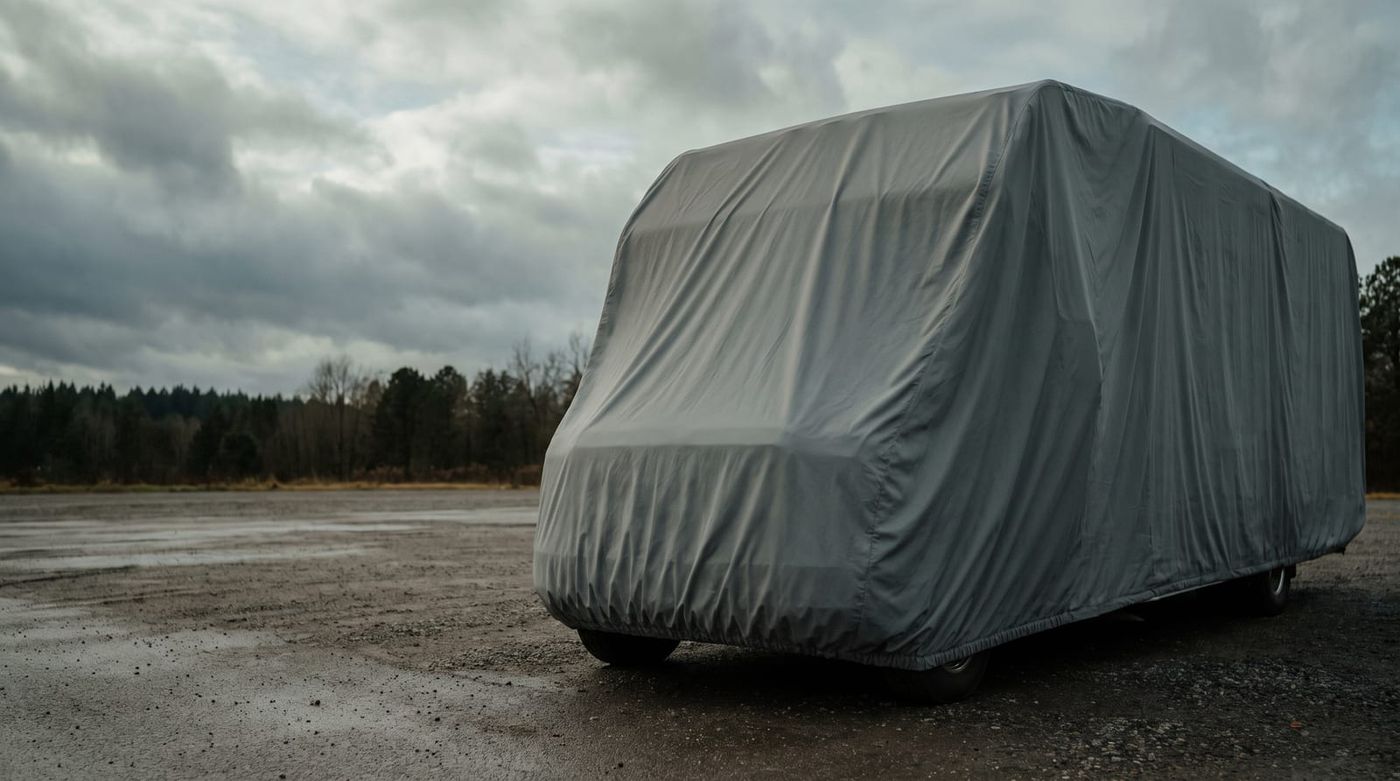
Pop-up campers don't fold up the way a garage door closes. They collapse into something closer to a low metal box with canvas tucked and folded at the ends, and when stored partially set up for airflow, they've got a raised roof and exposed fabric walls doing none of the work a fiberglass shell would do. That shape is exactly why finding the best cover for a pop-up camper takes more thought than grabbing whatever fits a travel trailer.
Why Pop-Up Campers Need a Different Kind of Cover
A folded pop-up has a strange profile: low and boxy at the base, with a step down at the tongue, a step up over the axle and fenders, and folded bed ends that stick out past the main box on either side. A universal RV cover, cut for a smooth-sided trailer, doesn't know what to do with any of that. It either bunches up at the step-downs or leaves gaps that flap in the wind.
A tarp is worse. Tarps don't breathe, they don't have a shaped hem, and they tend to pool water right where your canvas seams are most vulnerable.
This guide is specifically about folding pop-up trailers, not travel trailers or motorhomes. Those have their own fit and material needs. Get the pop-up cover wrong and you're not just dealing with a loose fit. You're looking at trapped moisture working into canvas, mildew that doesn't come out, and UV-cracked seals around vents and seams within a season or two.
Getting the Fit Right for a Folding Pop-Up Trailer
Start with three measurements: overall length including the tongue and hitch, width at the widest point (usually the fenders), and height in the fully collapsed storage position. Skip any of these and you'll end up guessing, which on a pop-up usually means buying twice.
Fit systems matter here more than people expect. Elastic hems pull a cover in snug around the lower edge, which works well on a pop-up's flatter, lower profile. Strap-and-buckle hems give you more control at specific points, like the tongue cutout or over the axle and wheel wells, where a pop-up's shape changes abruptly and a cover needs to hug it rather than drape over it. A taller rig like a Class A or a travel trailer can get away with a looser overall fit because there's no step-down geometry to fight. A pop-up can't.
Look for covers that build in a tongue/hitch cutout and dedicated axle or wheel well coverage. Without that, the cover either drags on the ground at the tongue or balloons out at the ends, and a loose end is a wind sail waiting to happen.
Sizing by trailer length also beats sizing by dry weight or RV category. Most folding pop-ups run 10 to 16 feet collapsed, and a cover sized to that length range with a pop-up-specific cut will seat correctly where a generic "fits 12-18 ft travel trailers" cover won't. If you're not sure how to take these measurements correctly, the sizing guide for vehicle and RV covers walks through it step by step.
Venting: Preventing Mold and Condensation in Canvas Sides
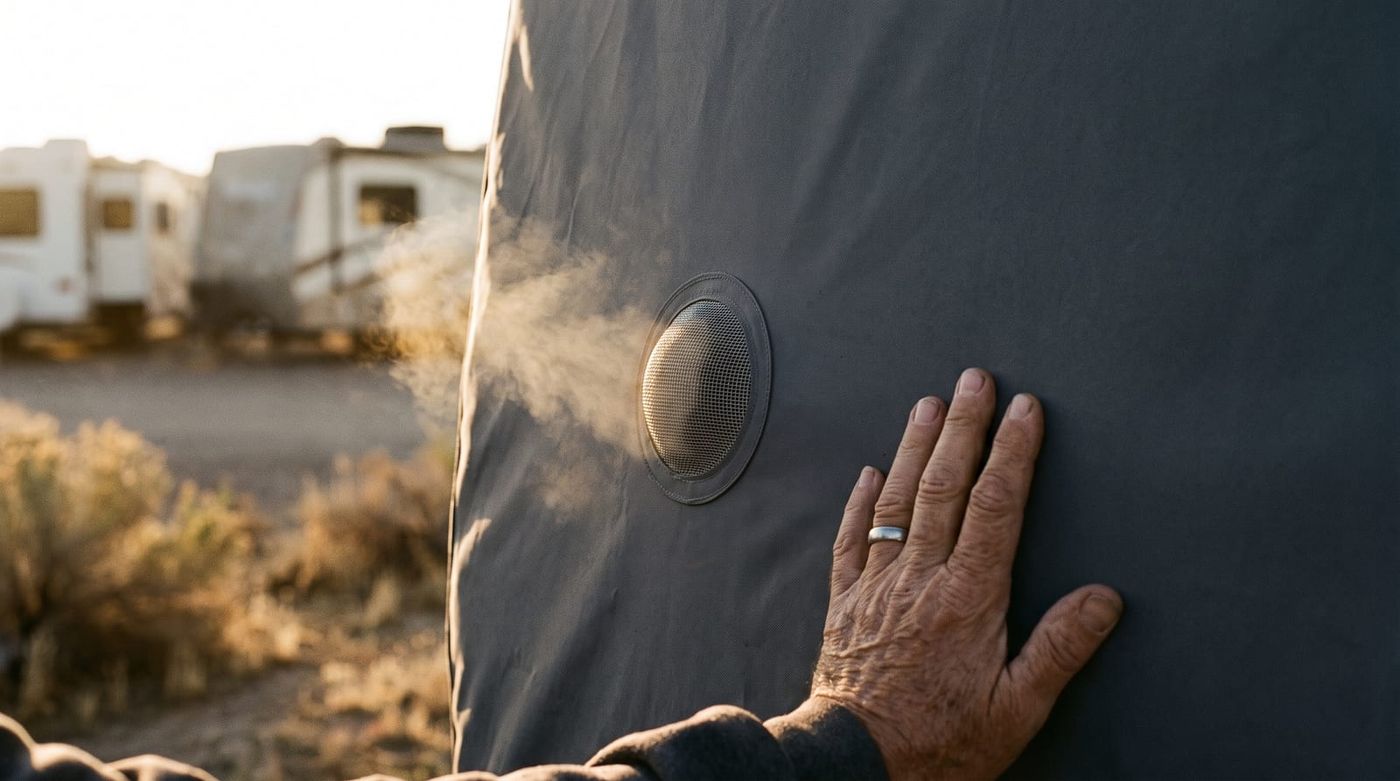
Canvas holds moisture differently than fiberglass or aluminum. Bunk-end walls, tight fabric seams, the fold lines themselves, they all give humid air somewhere to sit instead of escape. Cover that canvas with something non-breathable and you've built a greenhouse for mildew.
Quality pop-up covers address this with mesh vent panels or breathable fabric zones, usually positioned over roof vents and the canvas sections most likely to trap condensation. Air moves through, moisture escapes, and the fabric underneath actually gets a chance to dry between storage stretches.
Compare that to a basic vinyl tarp-style cover. Those trap condensation right against the canvas, which is precisely the setup mildew needs. A woven, air-permeable cover material does the opposite job: it sheds rain and blocks dust while still letting water vapor out.
One practical habit worth adopting: even with a vented cover on, crack the roof vents slightly if you're storing long-term in a humid climate. The cover's mesh zones help, but a little extra airflow inside the trailer itself backs that up.
UV Protection Needs Specific to Pop-Up Camper Fabric and Canvas
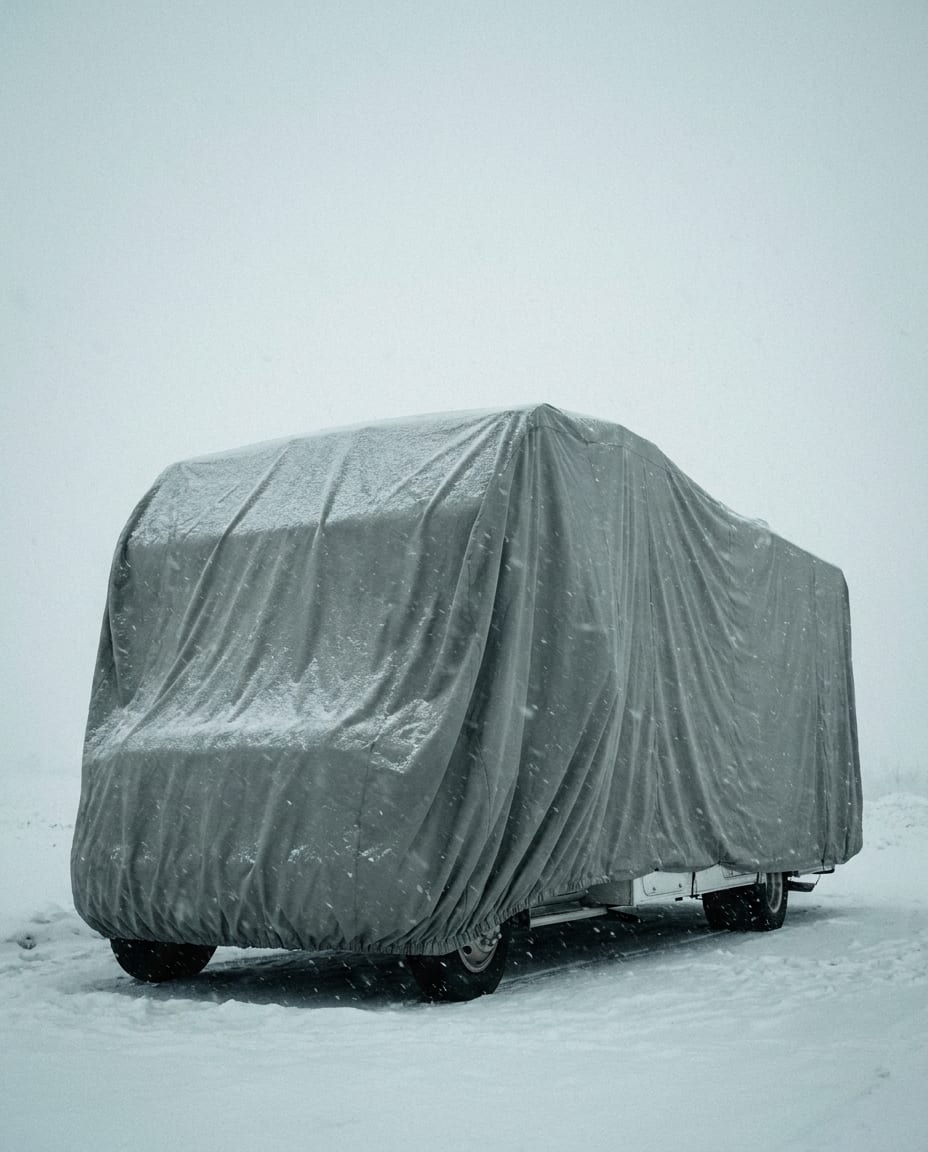
Canvas and the vinyl end caps on a pop-up break down faster under direct sun than a solid fiberglass shell does. Fiberglass can take years of UV exposure before it chalks. Canvas and its seams don't get that kind of grace period.
A UV-rated cover fabric is doing a specific job: blocking sunlight before it ever reaches the canvas, the vinyl bed-end caps, or the rubber and sealant around roof vents. Those seals are often the first thing to fail on a sun-baked pop-up, and once they go, water finds its way in.
Color and heat matter too, especially in hot, sunny climates. A reflective outer layer on the cover reduces the heat buildup that happens under dark, heat-absorbing material, which otherwise can make things worse for seals and seams than leaving the trailer uncovered.
One more thing worth repeating because it gets skipped often: make sure the canvas is fully dry before you put the cover on. A UV-blocking cover is also good at holding heat in, and trapping damp canvas under it is a way to bake in moisture rather than keep it out. For more on how UV, waterproofing, and wind all interact with a cover outdoors, the outdoor cover usage guide covers it in more depth.
Material and Layer Options: Matching Cover to Climate
Not every pop-up owner needs the same fabric. If you're in a mild, dry climate and storing outdoors occasionally, a lighter breathable fabric does the job without overbuilding it. Wet or snowy regions call for something heavier: multi-layer waterproof fabric that can handle standing moisture and freeze-thaw cycles without soaking through.
There's a real difference between water-resistant and fully waterproof ratings, and it matters more here than it would on a hard-sided RV. A fiberglass shell can shrug off a water-resistant cover's limitations because the shell itself is the real barrier. Canvas doesn't have that backup. If the cover lets water through, the canvas is absorbing it directly.
Seam-sealed construction is worth checking for specifically. Seams are the most common leak point on any folding trailer cover, since that's where two pieces of material get stitched together and water looks for a way in.
If you're storing in a garage or covered carport, you can scale back. A lighter dust-only cover is often enough indoors, since you're not fighting rain or UV at all, just dust and incidental scuffs. For a closer look at fabric tiers and when each one makes sense, the waterproof cover guide breaks down the differences.
Securing the Cover: Straps, Buckles, and Wind Protection
A pop-up's flatter roofline catches wind differently than a tall Class A or a rounded travel trailer roof. There's less shape to disrupt airflow, which means gusts can get up under a loose edge and work a cover free faster than you'd expect.
Front-to-back strap systems help, along with cinch buckles positioned at the tongue and rear bumper. Those are the two points that flex and vibrate most during a storm, and a buckle that's actually snug there makes a real difference. If you're storing in a consistently windy area, gust straps are worth adding as a second layer of security.
Installation order matters more than people assume. Secure the hem first so the base fit is locked in, then tighten the cross straps, then go back and check the tongue and axle points last. Skipping that order usually means re-tightening everything a second time. For a full walkthrough, see the gust strap installation guide and the general RV cover installation guide.
Caring for Your Pop-Up Camper Cover Long-Term
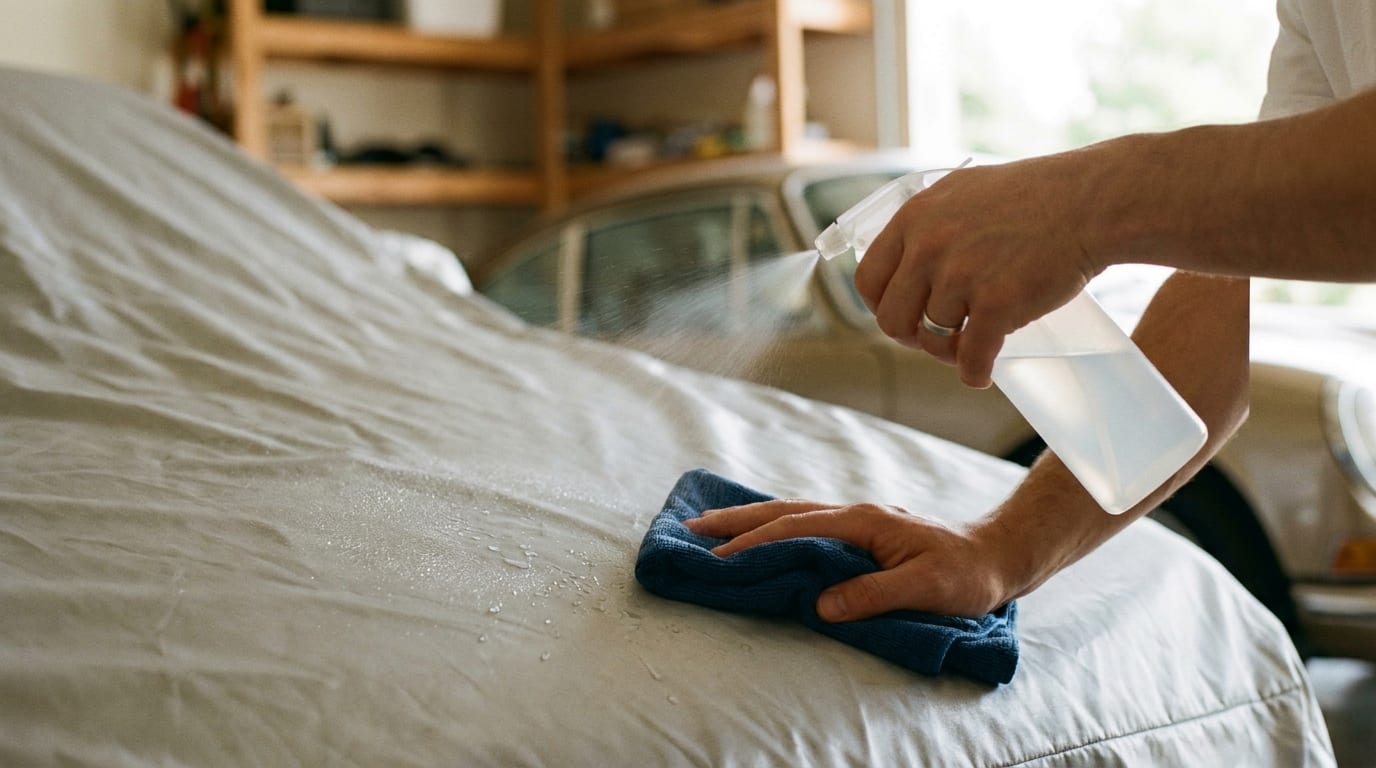
A cover that gets folded away dirty doesn't stay a good cover for long. Rinse off debris and any canvas residue before folding it up, every time, not just at the end of the season.
Dirt left sitting on a cover acts like sandpaper over repeated storage cycles. It abrades the UV coating and wears down waterproofing a little more each time you stow and unstow the cover. None of that shows up immediately, which is exactly why it gets ignored until the cover starts failing early.
Dry the cover completely before storing it. A damp cover folded into a storage bag is a mildew problem waiting to happen, and that mildew can transfer right back onto your canvas the next time you use it. The step-by-step cleaning guide and the general cover care guide both go through the right cleaning and drying process in more detail.
Warranty coverage is also worth comparing when you're shopping between brands. A longer warranty tends to track with better-built seams and fabric, which matters for something that's protecting canvas you can't easily replace. Worth checking what's actually backed by a lifetime warranty before you commit to a specific cover.
Choosing the Right Cover for Your Pop-Up Camper
Three things actually matter here: a snug, low-profile fit that accounts for the tongue and axle step-downs, breathable venting over the canvas sections, and UV-rated fabric that protects seals and end caps from sun damage. Skip any one of those and you're trading one problem for another.
Match the cover to where you actually store the trailer. Humid climate, lean toward more venting. Constant sun, prioritize UV-rated and reflective fabric. Exposed, windy storage spot, don't skimp on the strap system. The best cover for a pop-up camper is the one built around your actual conditions, not just the one that technically fits the length.
If you want to browse options built specifically for folding trailers, the folding pop-up trailer cover category is a good place to start. And if you're still not sure which size or fabric tier matches your model, the cover finder tool can narrow it down in a couple of clicks. Worth a few minutes before your next storage season starts.