Best Cover for a Sport Bike: Fit, Straps, and Lock Recommendations
Published
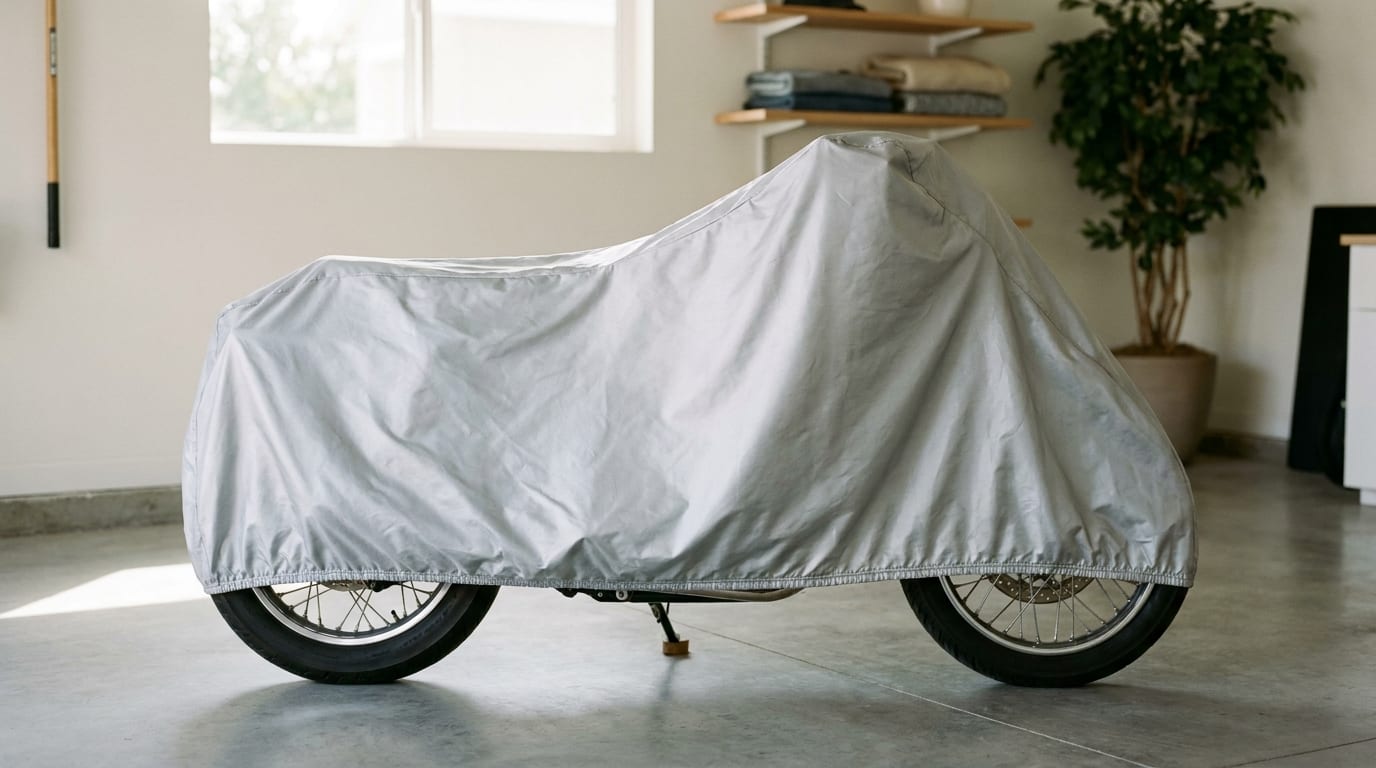
Why Sport Bikes Need a Cover Built for Their Shape
A sport bike doesn't sit like other motorcycles, and a cover built for a cruiser knows it the moment you try to use one. Low clip-on bars, an aggressive fairing, and that tucked, forward-leaning profile mean the whole silhouette is different. Where a cruiser has a long, flat tank and upright bars to drape over, a sport bike has sharp angles, a raised tail section, and plastic bodywork that juts out in ways generic covers just weren't cut for.
Add in where these bikes actually live. A lot of sport bikes don't get the luxury of a garage. They're parked outside apartment buildings, left on the street, or sitting in a gravel lot at a track day between sessions. That's a lot more sun, rain, and road grit than a bike tucked away at home ever sees.
And the stakes are higher once you factor in the finish. Glossy fairing plastic and clear windscreens show scratches and UV fading in a way a painted steel tank doesn't always reveal as fast. So finding the best cover for a sport bike isn't about grabbing whatever's cheapest on the shelf. It's about fit, material, and how you secure the thing once it's on. That's what this guide actually covers, not a generic rundown of cover types.
What Makes a Cover Fit a Sport Bike Correctly
Fit starts with three measurements most riders skip: overall length (including any aftermarket slip-on or full exhaust system, which can add several inches past stock), windscreen height, and mirror width. Get any of those wrong and you'll end up with fabric bunching at the tail or straining across the mirrors.
A cover cut for a cruiser's long, low profile will sag around a sport bike's fairings. That sag isn't just ugly, it pools water right at the seams where your bodywork meets the frame, which is exactly where you don't want standing moisture sitting overnight.
Look for soft-lined interiors, especially around the windscreen and tank area. Cheap cover fabric brushing against a glossy fairing in windy conditions is a slow, steady way to put micro-scratches into a clear coat that cost real money to repair.
Semi-custom and model-specific covers are worth the extra thought here. A universal cover might technically fit over the bike, but "fits over" and "fits correctly" aren't the same thing when you're dealing with aggressive bodywork and a tail hump that most generic patterns don't account for. If you're not sure how your bike measures up, the sizing guide for vehicle covers walks through exactly where to measure before you buy.
Material and Heat Considerations Specific to Sport Bikes

Exhaust placement is where sport bikes really diverge from standards and cruisers. A lot of modern sport bikes run high-mount or underbelly exhausts that sit close to the bodywork, and a cover thrown over a still-warm pipe needs a heat-resistant panel or reinforced fabric at that exit point. Skip this detail and you risk melting or scorching the cover fabric right where it matters most.
Waterproof and water-resistant aren't interchangeable, and the difference actually matters depending on where your bike lives. A bike parked fully outside, rain and all, needs genuinely waterproof fabric. One under a carport or overhang can usually get by with water-resistant material that breathes a little more. The waterproof car cover guide breaks down that tradeoff in more depth.
UV matters too, maybe more than owners expect. Fairing clear coat fades and plastics can go chalky or brittle after enough seasons of unprotected sun exposure. A cover with a real UV-resistant coating is doing quiet, constant work every time the bike sits outside during the day.
One more thing: breathability. A tight-fitting cover without any airflow traps moisture underneath, and condensation building up against a hot engine or warm fairing is its own slow-motion problem. The best cover for a sport bike balances a snug fit with a fabric layer that still lets the bike breathe.
Strap and Buckle Recommendations for a Secure Fit
Wind is the enemy of any cover, but sport bikes feel it more because of their lower, more exposed profile. An underbody strap that cinches beneath the frame keeps the cover from catching air and billowing like a sail every time a gust comes through the parking lot.
Elastic hem cords with grommets near the wheels handle the bottom seal, pulling the cover snug around the tires instead of leaving a gap for wind to sneak under.
For sport bikes specifically, buckled straps front and rear do more work than you'd think. The steeper fairing angles and lower stance mean there's more surface area for wind to grab, so a strap that can be cinched down tight front and back, not just tied loosely, makes the difference between a cover that stays put and one you're chasing across the parking lot. For the actual setup, the gust strap installation guide covers it step by step.
Cable Lock and Anti-Theft Setup for Parked Sport Bikes
Sport bikes get stolen more than most other motorcycle styles, parked outside overnight with nobody watching. A cable lock run through the cover's grommets and looped around a wheel or a fixed object like a bike rack or lamppost adds a visible deterrent before a thief even gets the cover off.
Grommet placement matters here too. You want the loops positioned near the wheels so the cable sits naturally against the frame or rim instead of pulling at an angle that strains or tears the surrounding fabric.
A cover and cable combo is a good start, but it's not the whole defense. Pairing it with a disc lock or U-lock gives you layered security, especially for a bike that's sitting outside overnight on a regular basis rather than just for a quick coffee run. The cable lock installation guide has the full walkthrough on setting this up correctly.
Indoor Storage vs Outdoor Parking: Picking the Right Cover Weight
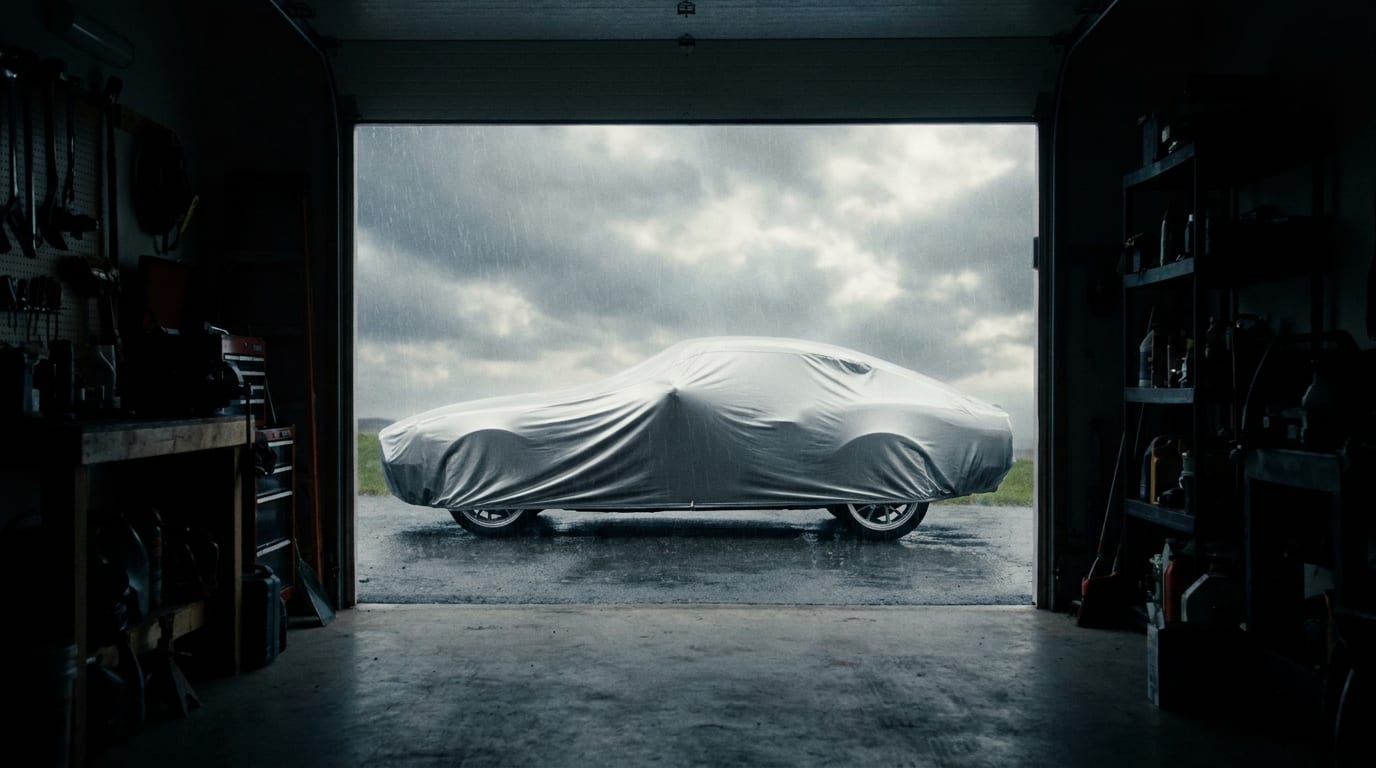
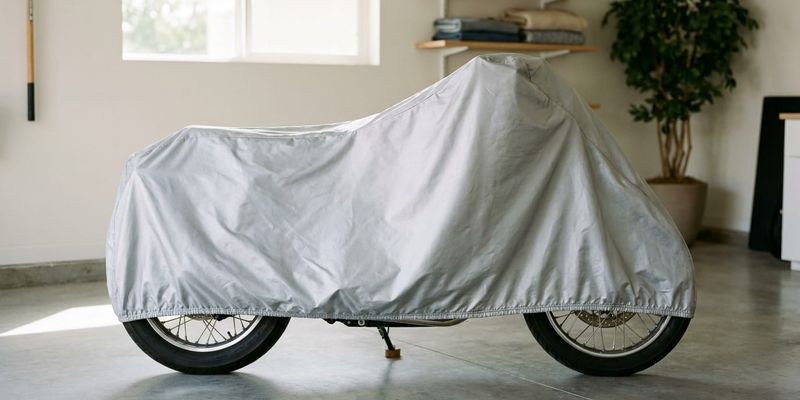
Not every sport bike needs the same armor. A bike that lives in a garage and only gets covered to keep dust and cats off it doesn't need the same heavy-duty waterproofing as one parked on the street through every season.
| Factor | Indoor Cover | Outdoor Cover |
|---|---|---|
| Primary job | Dust and light scratch protection | Rain, UV, and wind protection |
| Weight | Lightweight, breathable | Heavier, reinforced fabric |
| Best for | Garage-kept bikes | Street parking, carports, year-round exposure |
Track-day riders have their own wrinkle to consider. If you're trailering your bike to the track, a lighter, breathable indoor-style cover often makes more sense for transport than something built for a thunderstorm. It's easier to fold, easier to store in a trailer cubby, and you're not dealing with outdoor-grade stiffness every time you throw it on between sessions.
If you're still deciding which category fits your situation, the indoor car cover guide and outdoor car cover guide both go deeper into which features actually matter for each use case.
Installing and Maintaining Your Sport Bike Cover
Good installation habit: drape over the tail first, then work forward over the tank and fairings, smoothing out wrinkles as you go. Trying to do it the other way around usually means fighting the windscreen the whole time.
Once it's on, secure the straps, starting with the underbody strap, then the front and rear buckles. Takes maybe thirty seconds once you've done it a few times.
Cleaning matters more than people think. A cover that's accumulated road grit and never gets washed basically turns into light sandpaper every time wind makes it shift against the fairing. Rinse it out periodically and let it dry fully before folding it away, especially if it's been exposed to road salt or dust.
Check your straps and grommets every so often too. Sport bike covers flex more at the fairing edges than a cruiser cover does, simply because there's more going on shape-wise, and that flex wears stitching down faster over time. The cover cleaning guide has the specifics on keeping fabric in good shape long term.
Choosing the Right Cover for Your Sport Bike
It comes down to three things: a fit that actually matches your fairings and tail section, material that can handle heat near the exhaust and UV exposure over time, and a strap and lock setup that matches how exposed your parking situation really is.
Before you buy, check your specific make and model page to confirm exact fit rather than guessing off a generic size chart. If you ride a Yamaha, Kawasaki, Ducati, or Suzuki, there's a dedicated page built around that brand's actual shapes.
If you're still browsing, it's worth poking around the motorcycle covers category to compare options by brand and size before committing to one. And if you want more practical rider content like this, keep an eye on future posts covering everything from maintenance to storage.