


Breathable vs Non-Breathable Car Cover: Which One Actually Protects Your Paint?
The Quick Answer: Breathable vs Non-Breathable Car Cover
Here's the short version. Breathable car covers, the woven multi-layer polypropylene and polyester blends, let trapped heat and moisture escape while still shedding rain on top. Non-breathable covers, meaning vinyl, PVC, or plastic sheeting, block water completely but seal that moisture in underneath, which is exactly how you end up with mold, mildew, and dull, oxidized paint. In the breathable vs non-breathable car cover debate, the material that "breathes" almost always wins for anything longer than a quick overnight.
Here's the rule of thumb: if you're pulling the cover off every day and the car lives in a climate-controlled garage, non-breathable is fine. If that cover is staying on for days, weeks, or riding out actual weather, go breathable.
One thing worth clearing up before we go further: this isn't waterproof versus not-waterproof. A quality breathable cover is still water-resistant. It just also vents. A non-breathable cover is fully waterproof, but it's airtight, and airtight is the problem, not the solution.
Breathable vs Non-Breathable Car Cover: Side-by-Side Comparison
Material Composition
- Breathable: Multi-layer woven fabrics, often polypropylene or treated polyester blends
- Non-breathable: Vinyl, PVC-coated fabric, or single-layer plastic sheeting
Water Resistance
- Breathable: Water-resistant on the surface, sheds rain while still letting vapor pass through
- Non-breathable: Fully waterproof, no water gets in at all, from either direction
Moisture/Condensation Venting
- Breathable: Vents trapped humidity so it doesn't sit on the paint
- Non-breathable: No venting whatsoever, any moisture underneath just stays there
Best Storage Setting
- Breathable: Outdoor, long-term, or mixed-climate storage
- Non-breathable: Strictly indoor, dry, short-term use only
UV Protection
- Breathable: Moderate to high, depending on the layer count and coating
- Non-breathable: Varies a lot, lower-end vinyl breaks down faster under sun exposure
Risk of Mold/Mildew
- Breathable: Low, since trapped vapor has somewhere to go
- Non-breathable: High if used outdoors or left on for more than a day or two
Typical Lifespan
- Breathable: Multiple seasons with basic care
- Non-breathable: Shorter functional life outdoors, cracks and degrades faster
Weight/Bulk
- Breathable: Lighter, more pliable, easier to fold and store
- Non-breathable: Bulkier and stiffer, especially in cold weather
Price Range
- Breathable: Mid to higher price point
- Non-breathable: Generally cheaper upfront
Ideal Use Case
- Breathable: Daily outdoor parking, seasonal storage, unpredictable climates
- Non-breathable: Quick transport cover, one-off dust protection indoors
One footnote worth remembering: "waterproof" and "breathable" aren't opposites. A well-built breathable cover still keeps rain off your paint, it just also lets vapor escape from underneath instead of trapping it. Don't assume you have to pick one or the other.
What Makes a Cover Breathable (And Why It Matters)

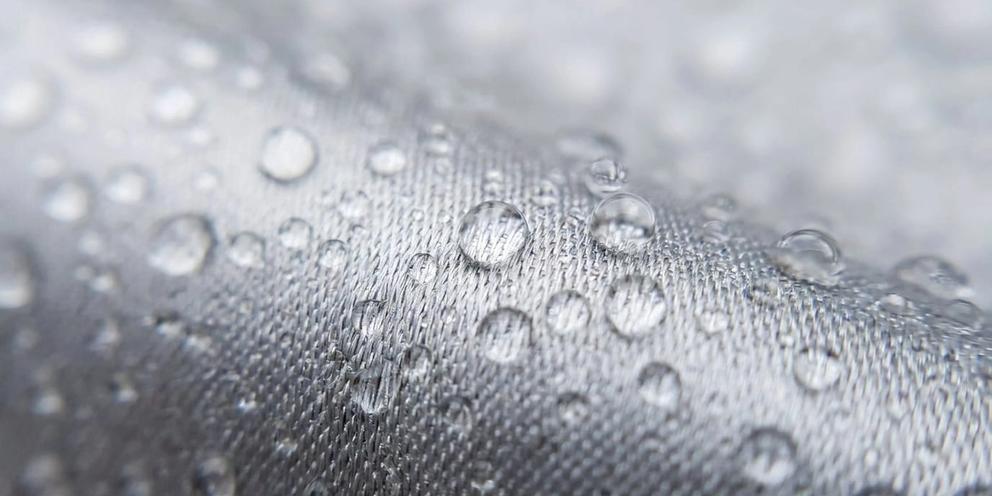
Breathable covers work because of how the fabric is built, not because of some coating sprayed on top. The weave itself has microscopic pores, small enough to keep rain from soaking through, but open enough to let air and water vapor pass. That's the whole trick.
Think about what actually happens to a parked car. It heats up in the sun during the day, then cools off at night, and that temperature swing pushes moisture out of the metal and paint as vapor. Under a sealed cover, that vapor has nowhere to go. It condenses right back onto the surface, sits there overnight, and starts the slow work of oxidation and water spotting. Under a breathable cover, that same vapor just passes through the fabric and dissipates into the air outside.
Not all breathable covers are built the same, either. Multi-layer weather-resistant fabrics designed for full outdoor exposure hold up very differently than lighter, dust-only weaves meant for a garage. If you're shopping outdoor car covers, you want the heavier, layered construction, not the thin indoor version. For more detail on how these fabrics compare across brands and price points, this breakdown of car cover materials is worth a read.
The tradeoff is real, though. Breathable materials generally cost more, and in a genuine sustained downpour, they're not quite as bulletproof as fully sealed vinyl. That's the price of letting air move through the fabric. Most owners will happily take that tradeoff to avoid finding mildew spots on their hood in the spring.
What Makes a Cover Non-Breathable (And Where It Falls Short)
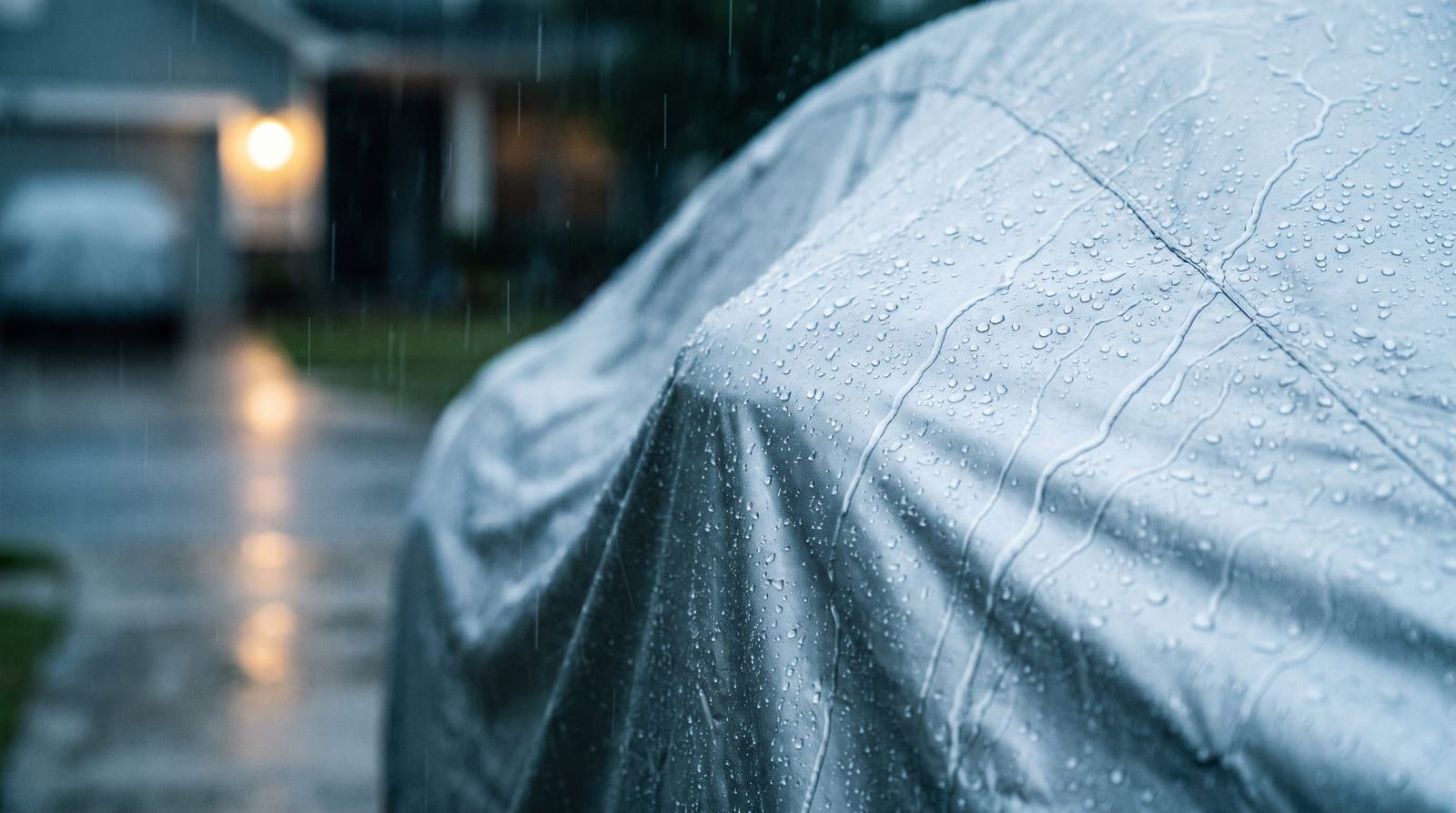
Non-breathable covers are simple by design. Vinyl, PVC-coated fabric, thin plastic sheeting: solid, non-porous material that blocks moisture completely, in both directions. Nothing gets in, but nothing gets out either.
That second part is the problem. Any moisture already present, whether it's morning dew, leftover wash water, or rain that snuck in during installation, has nowhere to go once the cover's sealed. It just sits against the paint. Given enough time, that trapped moisture accelerates oxidation and gives mold and mildew exactly the damp, dark environment they need to take hold.
People ask about plastic tarps a lot, and it's worth addressing directly: a tarp behaves almost identically to a non-breathable cover here. It traps the same condensation, and it usually skips the soft interior lining that a real cover has, which means more scratching risk against the clear coat too. If you're weighing a tarp as a cheaper alternative, this comparison of tarps versus real car covers lays out why that swap tends to backfire.
None of this means non-breathable covers are useless. They still make sense in a few narrow situations: quick transport where the cover's only on for a few hours, one-off dust protection on a car parked indoors, or short-term coverage in a space that's genuinely dry and climate-controlled. Outside those situations, non-breathable is the wrong tool.
Which One Fits Your Situation: Outdoor, Indoor, Climate, and Storage Length
Outdoor, humid, or coastal climates? Breathable, almost without exception. Daily condensation cycles are constant in these environments, and a sealed cover just can't keep up.
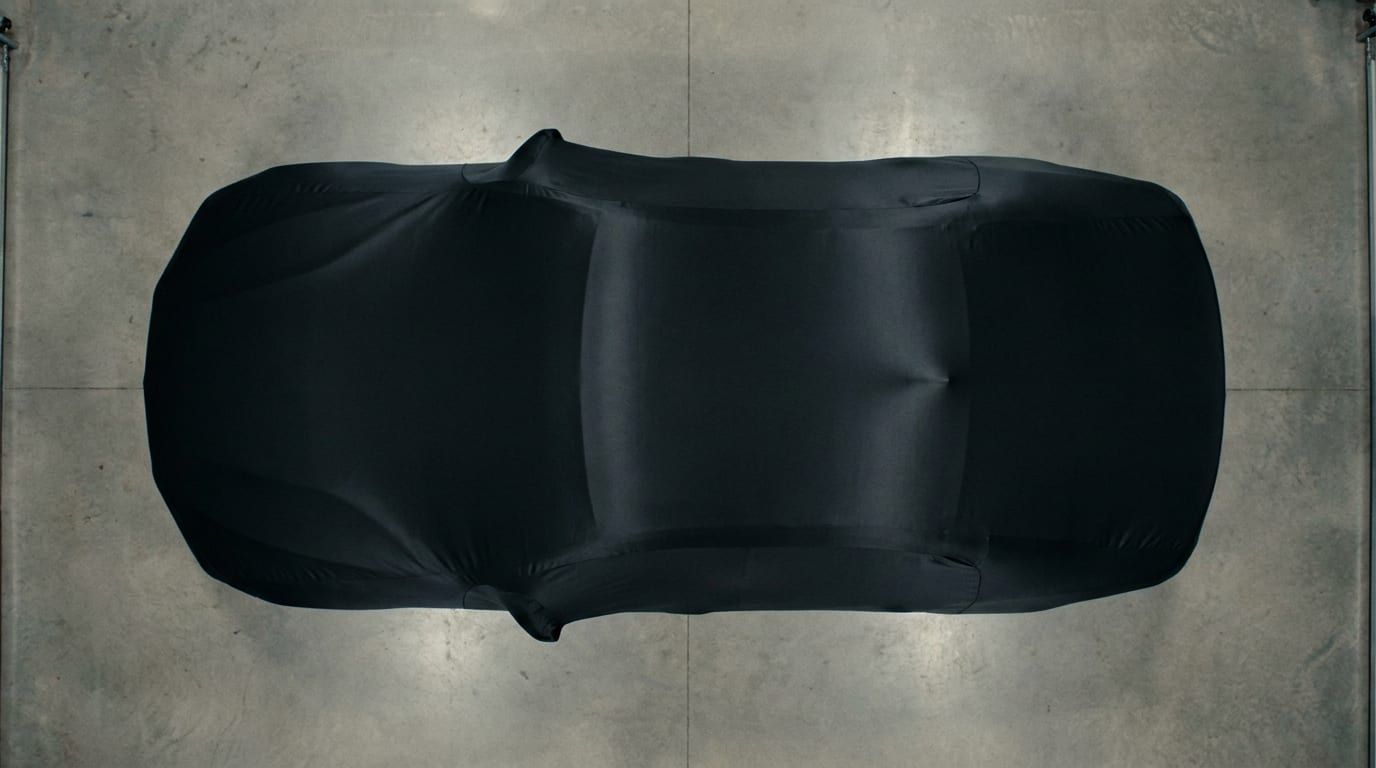
Dry, climate-controlled indoor garage? Non-breathable can technically work here since there's not much ambient moisture around to trap. But even indoors, a soft breathable cover still does a better job against dust buildup and the kind of static-driven micro-scratching that dulls paint over time. If your car lives inside, indoor car covers built specifically for that environment are worth a look, and this guide to using covers indoors covers the specifics.
Long-term storage, winter layup, seasonal RV or boat storage, a deployment where the vehicle sits untouched for months: breathable is close to mandatory here. Weeks or months of trapped moisture under a sealed cover is a mold problem waiting to happen.
Short-term daily use, like parking at work or leaving it in the driveway overnight, is more forgiving. Either material can technically survive that. But breathable still cuts down on the morning dew and frost buildup that makes your first ten minutes of driving miserable.
Extreme weather exposure, hail or heavy snow load, calls for something sturdier than thin vinyl altogether. Layered breathable options built specifically for impact and weight resistance, like hail-rated car covers, handle that kind of punishment a lot better than a basic plastic sheet ever will. For a full rundown of what outdoor exposure actually demands (rain, wind, UV, the works), this guide to using a car cover outdoors is a good next stop.
Common Mistakes That Ruin Either Cover Type
The single biggest cause of paint damage complaints: throwing a non-breathable or plastic cover over a wet car and leaving it overnight. Water gets sealed against the finish, and by morning you've got water spots at best, mildew at worst.
Second mistake: assuming "waterproof" on the packaging means "breathable." Retailers throw these terms around loosely, and they don't mean the same thing. If you actually want vapor permeability, look for it specifically, don't just trust the word waterproof to cover it. A cover can be labeled waterproof and still breathe, or be waterproof and completely sealed. Read the material description, not just the headline claim.
Third: skipping regular cleaning. Dirt and moisture trapped against either material type degrades it faster than you'd expect, breathable or not. A quick cover cleaning routine every few weeks goes a long way toward getting the full lifespan out of whatever you bought.
Fourth: using a cover that doesn't actually fit. A loose or generic cover creates gaps, and gaps let water in without giving it any real way to drain back out or evaporate. This is where custom-fit covers earn their keep. Fit matters just as much as material choice, arguably more, since even the best breathable fabric can't do its job if it's bunched up and gapping at the wheel wells.
How to Choose and Buy the Right Cover for Your Vehicle
Match the material to the environment first. Fit and features come after that, not before.
If your car lives outside, start with outdoor-rated breathable covers built to handle sun, rain, and daily temperature swings. If it lives in a garage, an indoor-specific cover is the better call, lighter, softer, designed for dust and scratch protection rather than weatherproofing. And if you want rain protection without the condensation risk, waterproof-rated breathable covers are the middle ground worth targeting; they repel water on the surface while still venting moisture from underneath.
Don't guess at material specs alone, though. Fit varies a lot by make, model, and body style, and a cover that's the wrong shape undoes a lot of the material benefit. Use CarCovers' vehicle finder to pull up the exact match for your year, make, and model instead of eyeballing it.
If you're still narrowing things down, it's worth browsing the full range of car covers to see how breathable and non-breathable options actually compare side by side for your specific vehicle. And if you found this rundown useful, stick around and check out more car care guides. There's a lot more here worth reading before your next storage season starts.
Updated