


Car Cover vs Garage: Which Actually Protects Your Vehicle Better?
Quick Verdict: Car Cover vs Garage
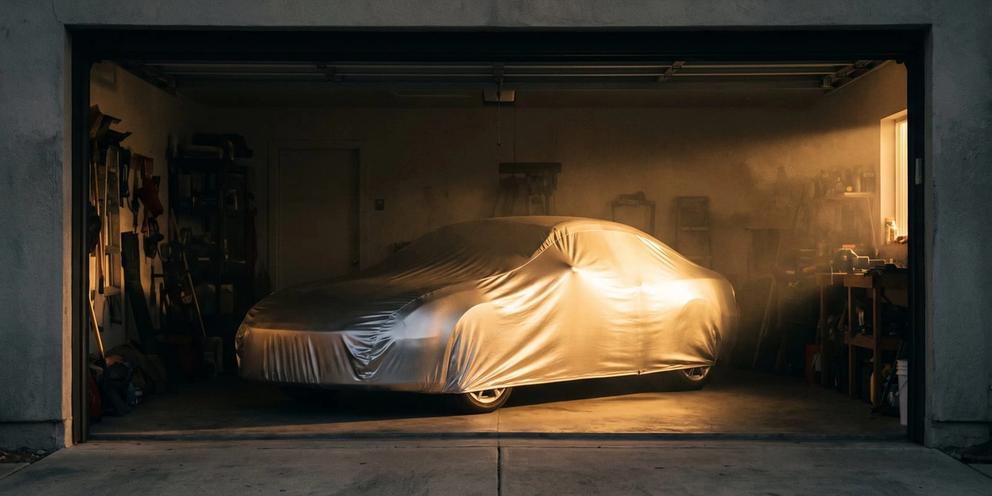
A garage physically blocks weather, debris, and casual theft in a way nothing else can. But most people don't have one to spare, or their car spends half its life parked somewhere else entirely. A quality car cover closes most of that gap for a fraction of the cost, and it works in a driveway, on the street, or three states from home. In the car cover vs garage debate, the honest answer is that a garage wins on raw physical protection, while a cover wins on cost, portability, and simply being available to almost anyone. A lot of owners with garage space still end up using both, which tells you something about how this actually shakes out. The rest of this breaks down why.
Car Cover vs Garage: Side-by-Side Comparison
Upfront cost
- Car cover: $50 to $300 depending on fit and material
- Garage: Thousands to tens of thousands if building one, or $0 if you already have it
Ongoing cost
- Car cover: Occasional replacement every few years
- Garage: None if owned, or a monthly rental/storage fee if not
UV/sun protection
- Car cover: Blocks direct UV exposure when parked outside
- Garage: Blocks it completely, as long as the car is inside
Rain/snow protection
- Car cover: A waterproof car cover sheds both effectively
- Garage: Full protection, no exceptions, while parked
Dust and pollen
- Car cover: Keeps most settled dust off the paint
- Garage: Reduces it but doesn't eliminate it. Dust still drifts in
Bird droppings/tree sap
- Car cover: Fully blocked by the cover surface
- Garage: Fully blocked, assuming no trees are somehow indoors
Hail protection
- Car cover: A hail-rated car cover with padding reduces small-hail dents
- Garage: Blocks it entirely, but only if the car is inside when the storm hits
Theft/break-in deterrence
- Car cover: Conceals the vehicle and its contents but doesn't lock anything
- Garage: A locked door is a physical barrier, not just visual cover
Dings from other cars
- Car cover: Some padded models absorb minor door-ding contact
- Garage: Not applicable, since nothing else is parked next to it
Rodent/pest access
- Car cover: Doesn't stop rodents from reaching the undercarriage
- Garage: Doesn't stop them either. An enclosed space is often more attractive to mice, not less
Portability
- Car cover: Goes wherever the car goes
- Garage: Fixed to one address
Installation/setup effort
- Car cover: A few minutes to put on and take off each use
- Garage: None once built. Just drive in
Impact on resale-ready paint
- Car cover: Reduces fading, oxidation, and etching from contaminants
- Garage: Reduces the same issues, but only during the hours the car is actually parked inside
Cost Breakdown: Upfront and Over Time
Basic indoor covers start cheap, often under $100, meant for dust and light scuffs in a garage or carport. Step up to a custom-fit car cover built for outdoor use and waterproofing, and you're looking at somewhere between $150 and $300 depending on vehicle size and material. That's essentially the entire cost. Buy it once, replace it every few years as the fabric wears.
A garage doesn't work that way. Building one from scratch runs into real construction money, easily tens of thousands of dollars once you factor in a foundation, framing, and a door. Renting garage space or a storage unit is the more common path for people without one, and that's a recurring monthly bill that never stops, unlike a cover you pay for once.
Here's the part that actually matters for most people reading this: if you rent an apartment, park on the street, or live somewhere without covered parking, there's no car cover vs garage cost comparison to make. A garage isn't a pricier option, it's not an option at all. That's exactly where a weatherproof outdoor cover becomes the only realistic conversation.
Protection Quality: What Each Option Actually Blocks

A garage blocks direct sun, rain, snow accumulation, and most falling debris completely, provided the car is inside it. What it doesn't block is less obvious. An uninsulated garage still swings in temperature with the seasons. Humidity builds up, especially in areas with damp climates, and that moisture sits against the paint and metal with nowhere to go. Dust also settles indoors between washes, just more slowly than it would outside.
A quality outdoor cover blocks UV rays, rain, road salt, tree sap, bird droppings, and light dust buildup, which covers the bulk of what actually damages paint day to day. Where it falls short of a garage is a direct hail strike. Without added padding, a standard cover won't stop a fair-sized hailstone from denting the sheet metal underneath, which is why a hail-rated cover exists as its own category rather than an afterthought.
Worth saying plainly: UV fading, oxidation, and sap etching accumulate the same whether a car sits exposed on a driveway or inside a garage with no cover at all. A garage without a cover is not automatic paint protection. If long-term finish condition matters to you, it's worth reading through what actually causes paint damage over time before assuming four walls solve the problem. And even inside a garage, an indoor car cover adds a layer against dust and accidental scuffs that the building itself doesn't provide.
Where Each Option Falls Short
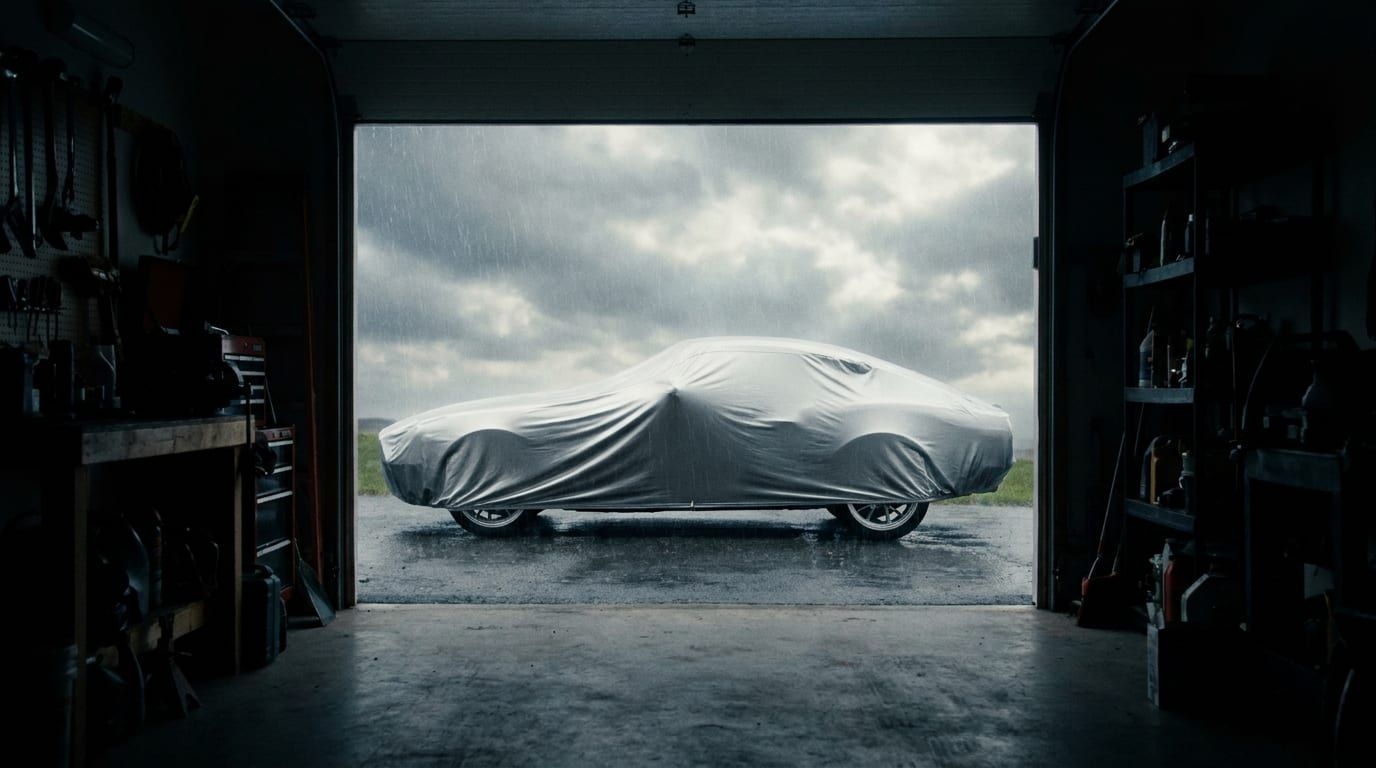
Garages have real gaps people don't think about until it's too late. They don't stop rodents from getting into the engine bay and nesting near warm components, they don't prevent dust or humidity buildup over time, and the moment the car leaves the garage, all that protection stops. Daily commuting, road trips, driveway overflow when you've got guests, none of that benefits from a garage sitting empty at home.
Covers have their own limits. A cover conceals a car, it doesn't lock it away, so it's never a real substitute for a locked garage against theft or vandalism. It also has to fit correctly to do its job. A loose, ill-fitting, or low-quality cover can actually trap moisture against the paint instead of keeping it off, which does more harm than going uncovered. That's a fit problem, not a cover problem, and it's why sizing matters more than people assume going in.
Rodents deserve a specific mention here, since it's one of the more common reasons garage owners still buy a cover. An enclosed garage is often a more attractive nesting spot for mice than an open driveway, not less, and a cover adds a physical layer over the engine bay that a locked door alone doesn't provide. There's a full breakdown of how to protect a car from rodents if that's a recurring issue where you park.
One more thing worth killing off: the idea that a tarp from the hardware store does the same job as either option. It doesn't. Tarps aren't shaped to a vehicle, so they shift, flap, and rub against the paint in wind, and most trap moisture underneath rather than letting it breathe. The reasons a tarp fails compared to a real car cover are worth a quick read if you're tempted to go that route to save money.
Which One Fits Your Situation
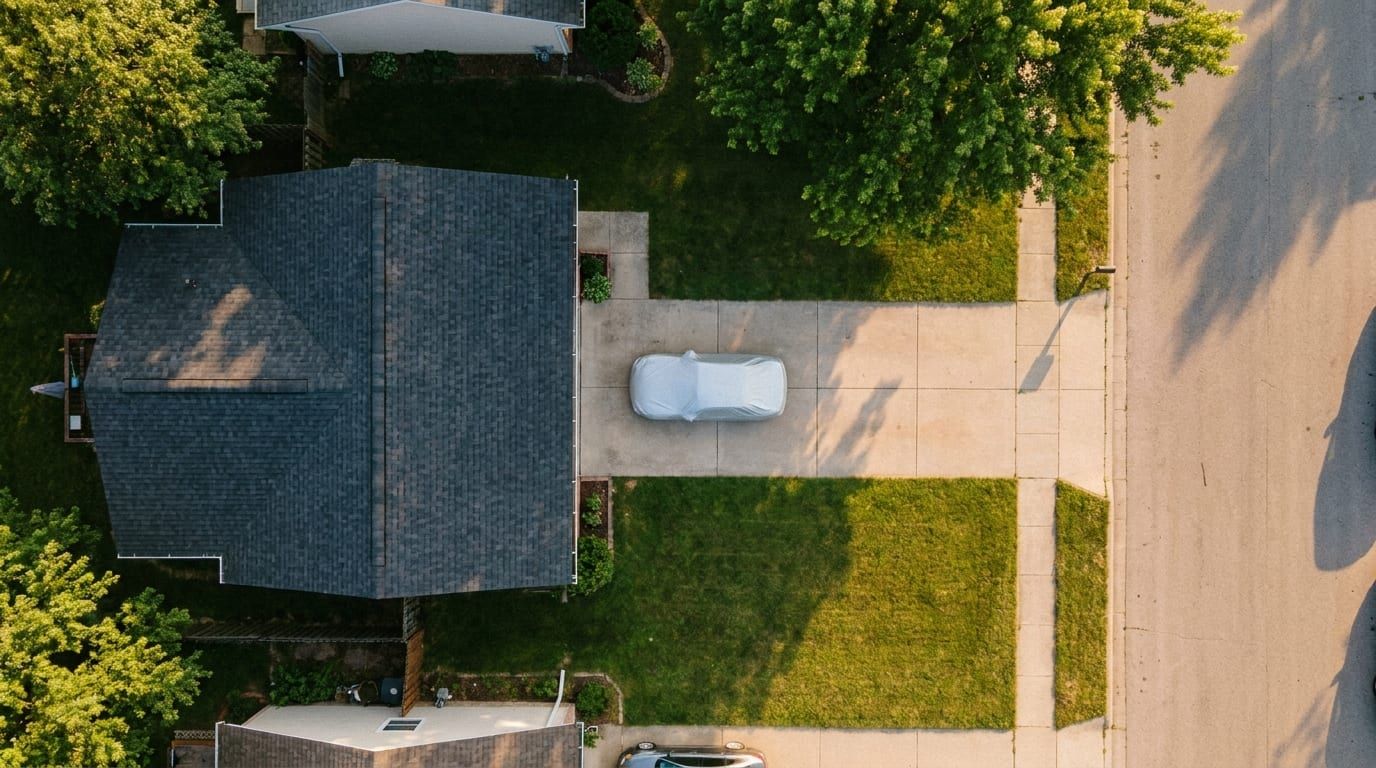
No garage, street parking, or apartment living: a weatherproof outdoor cover is the only realistic option here, and it should be the default recommendation rather than a compromise.
Garage available but the car's a daily driver: pair the garage with a lightweight indoor cover for dust and minor scuffs. No need for anything bulky or weatherproof if it's never actually outside.
Long-term storage, whether that's a seasonal vehicle, an RV, a classic car, or a motorcycle sitting for months: garage plus cover together is the strongest combination available, and it's worth reading up on indoor storage guidance specifically before you park something for an extended stretch.
Frequent travel, or a car that's rarely parked at home: prioritize an outdoor, waterproof, custom-fit cover, since garage access away from home isn't something you can count on.
Using a Cover and a Garage Together
These two aren't rivals, despite how this whole comparison has been framed. An indoor cover inside a garage still earns its keep, protecting against dust, accidental scrapes from stored boxes or tools leaning the wrong way, and scratches from pets wandering through. None of that requires weatherproofing, since rain was never the threat indoors.
This combination shows up most often with higher-value or collector vehicles, where the owner cares less about rain (the garage already handles that) and more about eliminating any contact or airborne particulate touching the paint at all.
If you go this route, get the fit right. A generic universal cover can shift overnight even in a still garage, and shifting means rubbing. Check what size cover fits your specific vehicle before buying, rather than grabbing whatever's labeled "mid-size sedan" and hoping.
Bottom Line and Next Step
Garage access plus a cover is the ideal setup if you can manage it. But if a garage isn't in the cards, a quality cover closes most of that protection gap on its own, and that's really the practical answer to car cover vs garage for most people searching this question.
If you're ready to move past the general comparison, the fastest way forward is to find the right cover for your specific vehicle rather than guessing at a one-size-fits-all option. Worth a look, and worth bookmarking the car covers category while you're there if you want to keep comparing options before you commit.
Updated