Car Cover vs Paint Protection Film: Which One Actually Protects Your Paint?
Published
The Quick Verdict
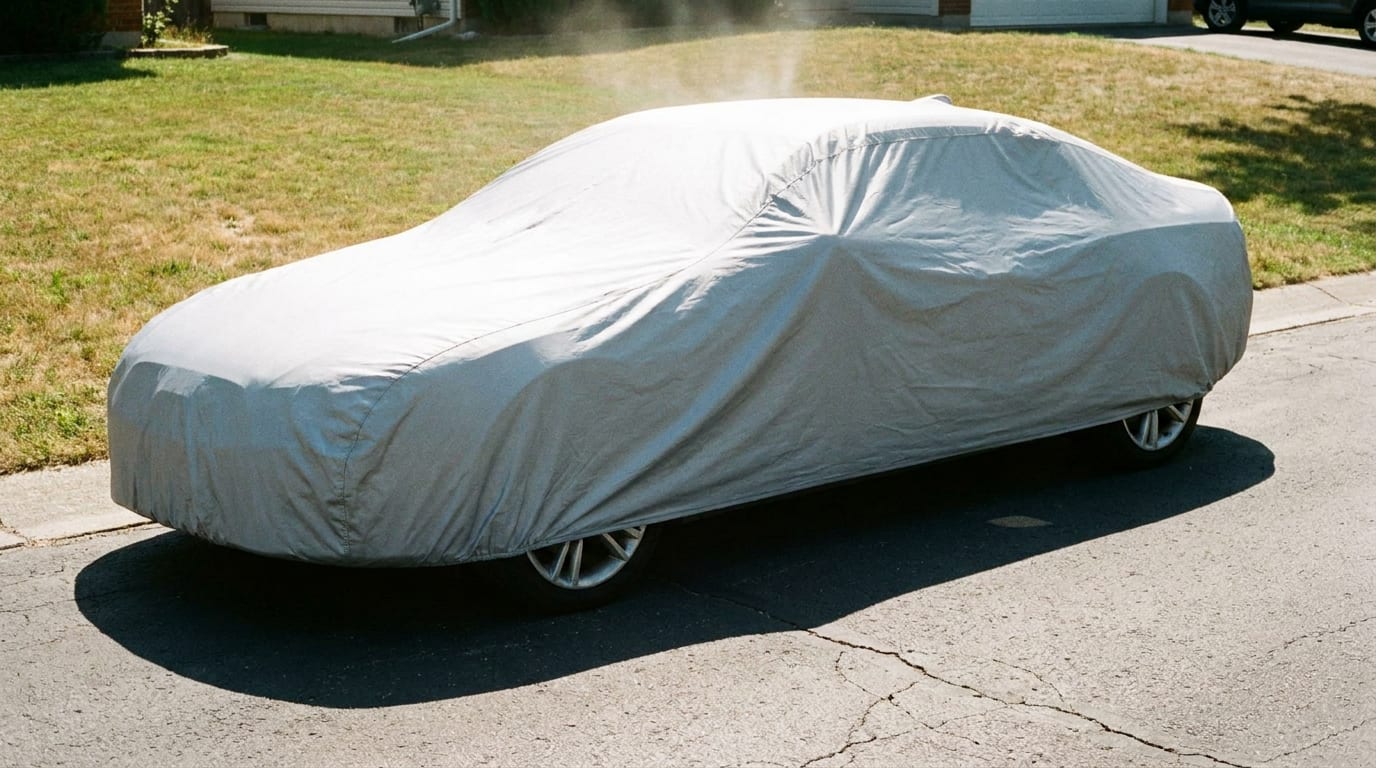
Here's the short version: a car cover protects the entire exterior of your vehicle from weather, UV rays, and debris, and it costs a fraction of the price. Paint protection film (PPF) is a permanent, nearly invisible layer bonded to specific panels, built to absorb rock chips and scratches on the parts of the car that take the worst highway abuse. Neither one does the other's job. In the car cover vs paint protection film debate, people often frame it as a choice, but it's really two different tools solving two different problems, and plenty of owners run both at once.
The deciding factors come down to a handful of things: how much you want to spend, where and how often the car sits outside, whether this is a daily driver or something you're keeping pristine for resale, and how long you plan to own it. Answer those first. The rest of this falls into place.
What Each Product Actually Is
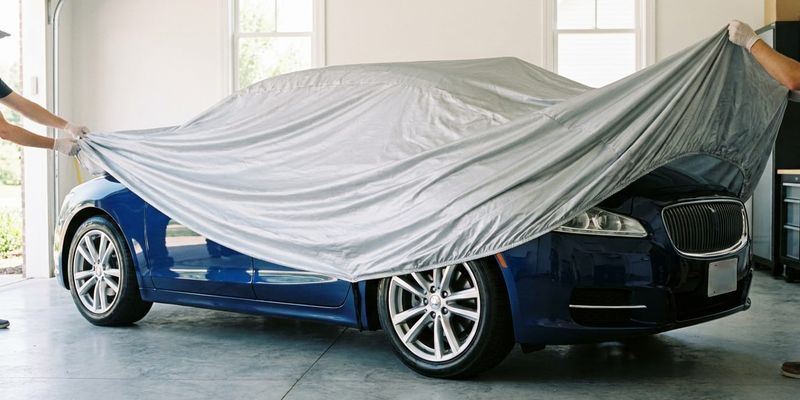
A car cover is a removable fabric layer, either a breathable multi-layer material or a waterproof shell, that goes over the whole vehicle when it's parked. You can buy custom-fit car covers built to your exact make and model, or go universal if you need something fast and generic. Either way, it comes off in under two minutes and goes back on just as fast.
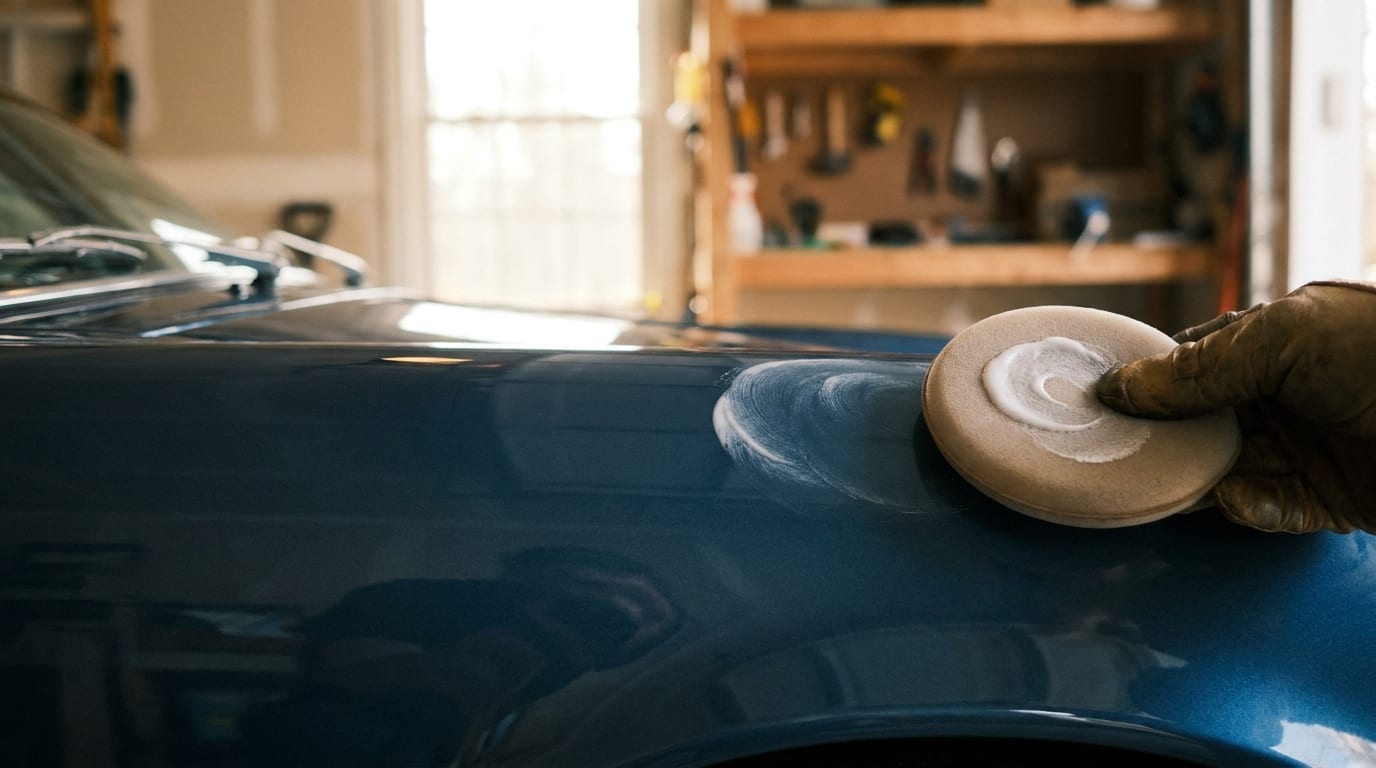
PPF is different territory entirely. It's a thin polyurethane film, professionally installed directly onto painted panels, typically the front bumper, hood, mirrors, or the full body if you're paying for the works. Once it's on, it stays on until it's replaced. There's no daily on/off here. Installation takes a trained technician, and the film needs curing time before it's fully bonded. A car cover is a DIY purchase you handle yourself. PPF is a service appointment.
Side-by-Side Comparison Table
Numbers help more than adjectives here, so let's lay it out.
| Dimension | Car Cover | Paint Protection Film |
|---|---|---|
| Upfront cost | $50 to $300 depending on fit and material | $1,500 to $6,000+ for full-body coverage |
| Rock chips and road debris | Protects only while parked, not while driving | Absorbs impact directly on the film, works while driving |
| UV fading and oxidation | Blocks sun completely when on | Has UV-resistant topcoats, but car is exposed while uncovered or driving |
| Hail and falling branches | A padded or heavy-duty cover absorbs impact | Not designed to prevent dent damage |
| Bird droppings, sap, bugs | Physically blocks contact when parked | Makes cleanup easier, doesn't prevent etching if left too long |
| Install and removal | User-installed in minutes, reusable daily | One-time professional install, not removable without special tools |
| Maintenance | Periodic washing per care guide | Occasional washing, rare bubble or edge repair |
| Lifespan | Several years with proper care | 5 to 10 years before yellowing or lifting |
| Resale value impact | Preserves paint, trim, and glass across the whole vehicle | Preserves factory paint specifically on covered panels |
Look at that cost gap for a second. A cover that runs you $150 is doing a different job than a $4,000 PPF install, and that's the point, not a flaw. One protects everything but only when parked. The other protects a few panels, permanently, in every condition.
When a Car Cover Is the Better Call

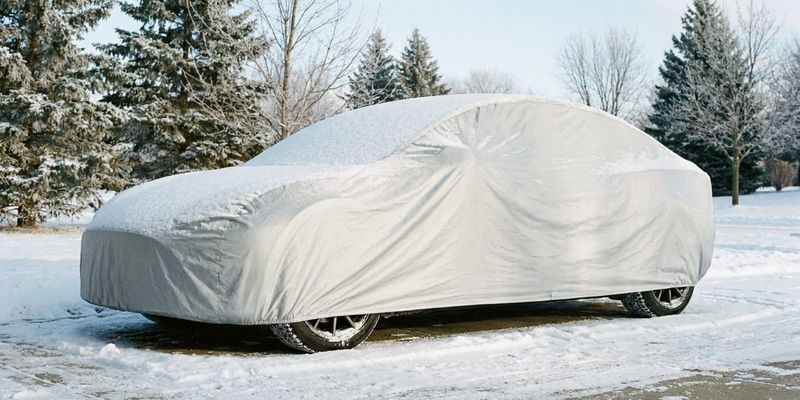
If your car lives outside, a cover is doing the heavy lifting against the things that actually damage paint over time: sun, rain, snow, sap, bird droppings, and tree debris. Rock chips from highway driving aren't the threat here. UV exposure and oxidation are, and PPF's UV topcoat only helps while the film is on the car, which doesn't do anything for your roof, trunk, or windows.
That's the other piece people miss. A cover protects the whole vehicle, including windows, trim, mirrors, and tires. PPF doesn't touch any of that. If you want your interior to stay cooler and your dashboard plastic to not crack from years of sun exposure, a cover is doing double duty that PPF was never designed for.
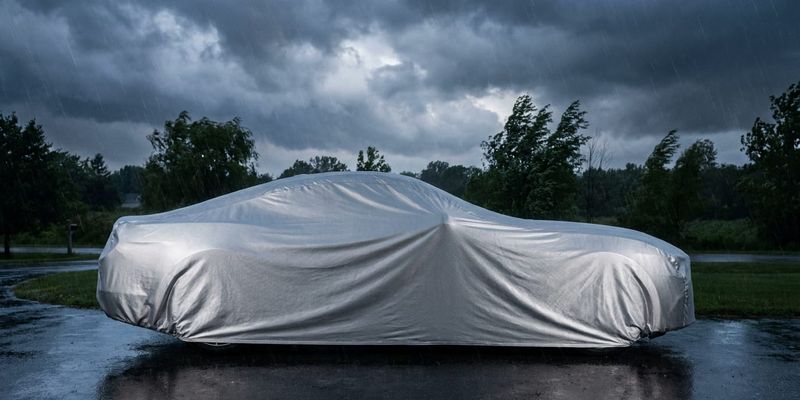
This is also the budget-friendly path. If you're protecting a daily driver, an RV, a motorcycle, or anything sitting in seasonal storage, a cover gets you real protection for under $300 instead of thousands. For owners dealing with severe weather, there are hail car covers built with extra padding, and waterproof car covers for anyone parking through heavy rain or snow season. If the vehicle lives outdoors full time, start with outdoor car covers built for that exposure specifically.
When Paint Protection Film Makes Sense
PPF earns its keep on high-mileage highway driving. If you're commuting on the interstate daily, your hood, front bumper, and mirrors are catching a steady stream of rock chips you'll never fully avoid with a cover, because a cover can't help you while the car's moving.
It's also the right call for anyone preserving a high-value, leased, or collector vehicle where the goal is keeping factory paint intact on specific panels for the long haul. A lease return inspection doesn't care how shiny your roof is if the front bumper is peppered with chips. PPF solves that exact problem.
If you want to go deeper on how PPF stacks up against ceramic coating and wax, the paint protection options guide covers that ground in more detail.
Can You Use Both Together?
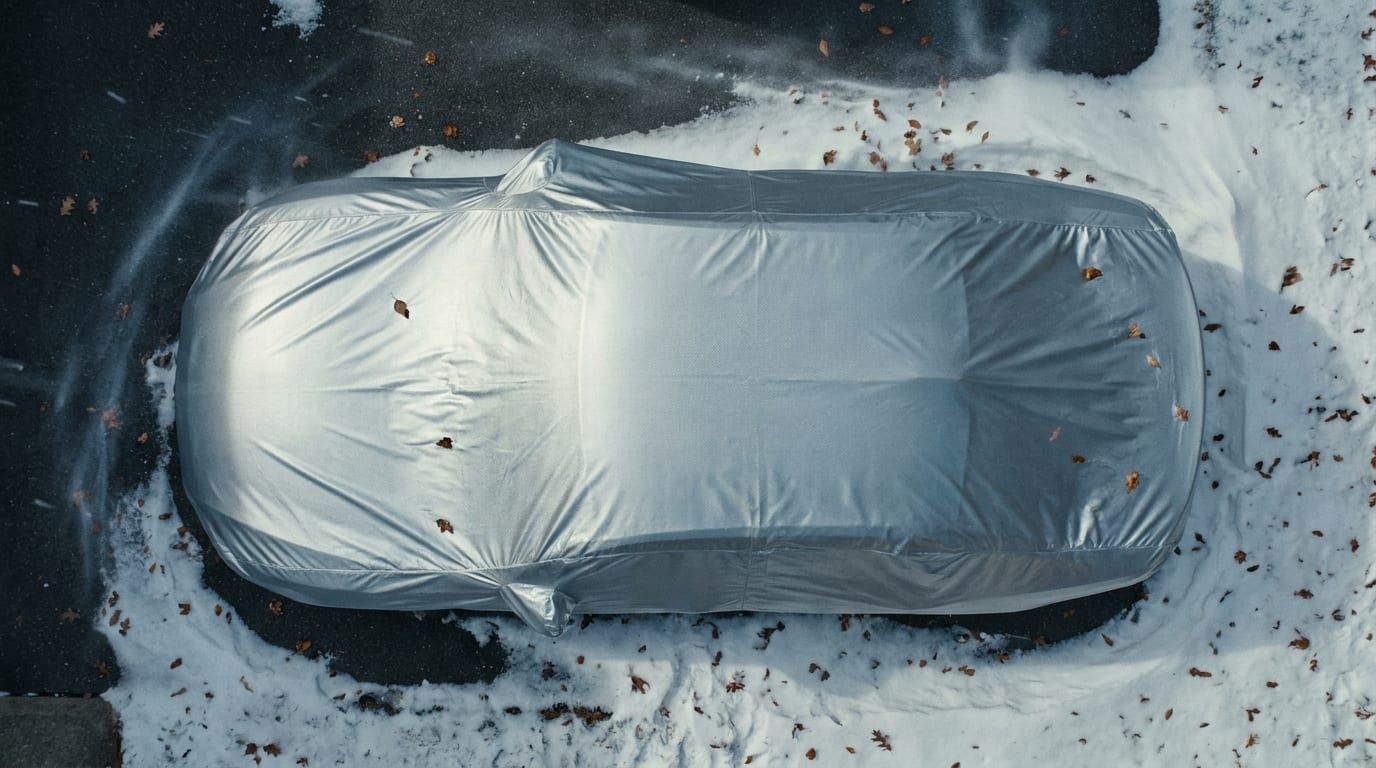
Yes, and honestly, this is where the smartest owners land. PPF handles the driving-related damage, chips and scratches from the road. A cover handles everything that happens while the car's parked: sun, rain, sap, dust. They're not competing for the same job.
One thing worth confirming before you combine them: make sure the film is fully cured before you start covering the car. A breathable cover won't damage properly cured PPF, but installers will tell you curing can take days to weeks depending on conditions, so don't rush it.
For anyone who drives often and parks outside the rest of the time, this combo is about as complete as protection gets. PPF absorbs what the road throws at you, the cover absorbs what the sky and the parking lot throw at you.
Bottom Line and Next Step
Choose a cover if you want full-vehicle protection at a fraction of the cost. Choose PPF if your priority is permanent chip and scratch defense on the panels that take the worst daily abuse. Run both if you want the strongest setup available.
If a cover sounds like the right fit, find the right car cover for your vehicle's make and model, or check the best car cover comparison to see how different materials and fits stack up before you decide.