Car Cover vs. Wax for Paint Protection: Which Actually Protects Your Finish?
Published
The Quick Verdict
Wax adds a thin, sacrificial layer that fights off minor oxidation and light contaminants for a few months at best. A car cover is a physical barrier that blocks UV rays, bird droppings, tree sap, dust, and even light hail, around the clock, rain or shine. When you're weighing car cover vs wax for paint protection, you're really comparing two different jobs: one is a chemical treatment for your clear coat, the other is a physical shield for your whole exterior.
They're not competing products, and picking just one usually means leaving a gap. Most owners who park outdoors get the best results from running both at once, not treating this as an either/or decision. If you've got five minutes, here's the short version: wax looks good and buys you some chemical protection between washes, a cover stops things from touching your paint in the first place.
What Wax Actually Protects Against

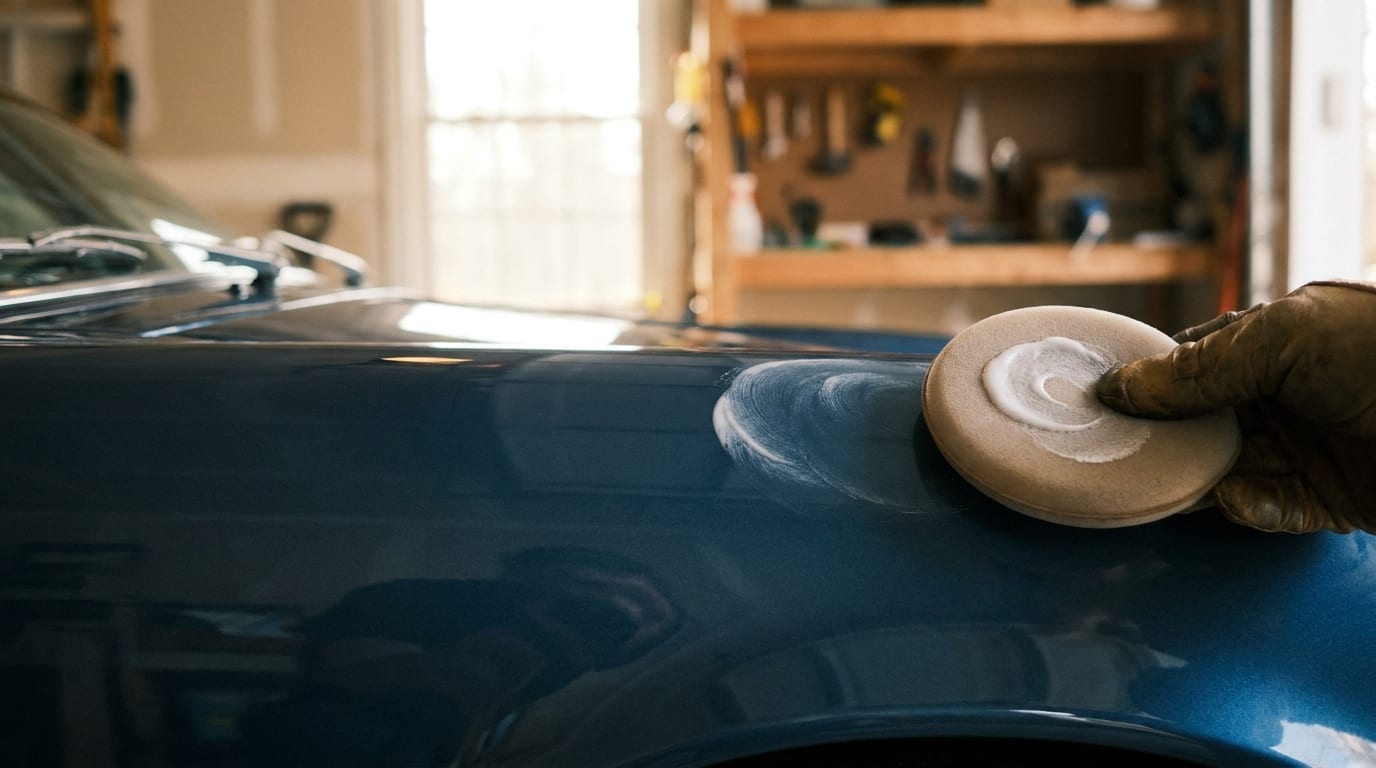
Wax works by filling in the microscopic pores of your clear coat with a layer of carnauba or synthetic polymer. That layer sits on top, takes the abuse meant for your paint, and adds a glossy, somewhat UV-resistant finish while it lasts.
What it handles well: light oxidation, minor water spotting, some fading from short bursts of sun, and easier cleanup when bugs or tar hit the hood. A fresh coat makes wash day faster because grime doesn't bond as tightly to the surface.
What it doesn't do is the longer list. Bird droppings can etch into clear coat before you even notice they're there, wax or no wax. Hail doesn't care about your polymer layer. Tree sap that sits for a few days will still eat through. Dust and wind-blown grit will still scratch a waxed hood just as easily as a bare one. And once the wax layer breaks down, which typically happens in 6 to 12 weeks depending on sun and wash frequency, your UV protection goes with it.
That breakdown timeline is the catch. Wax isn't a one-and-done fix: it needs reapplication every 1 to 3 months to stay effective, more often if you're in a hot climate or washing weekly. Skip a cycle and you're back to bare clear coat without realizing it.
What a Car Cover Actually Protects Against
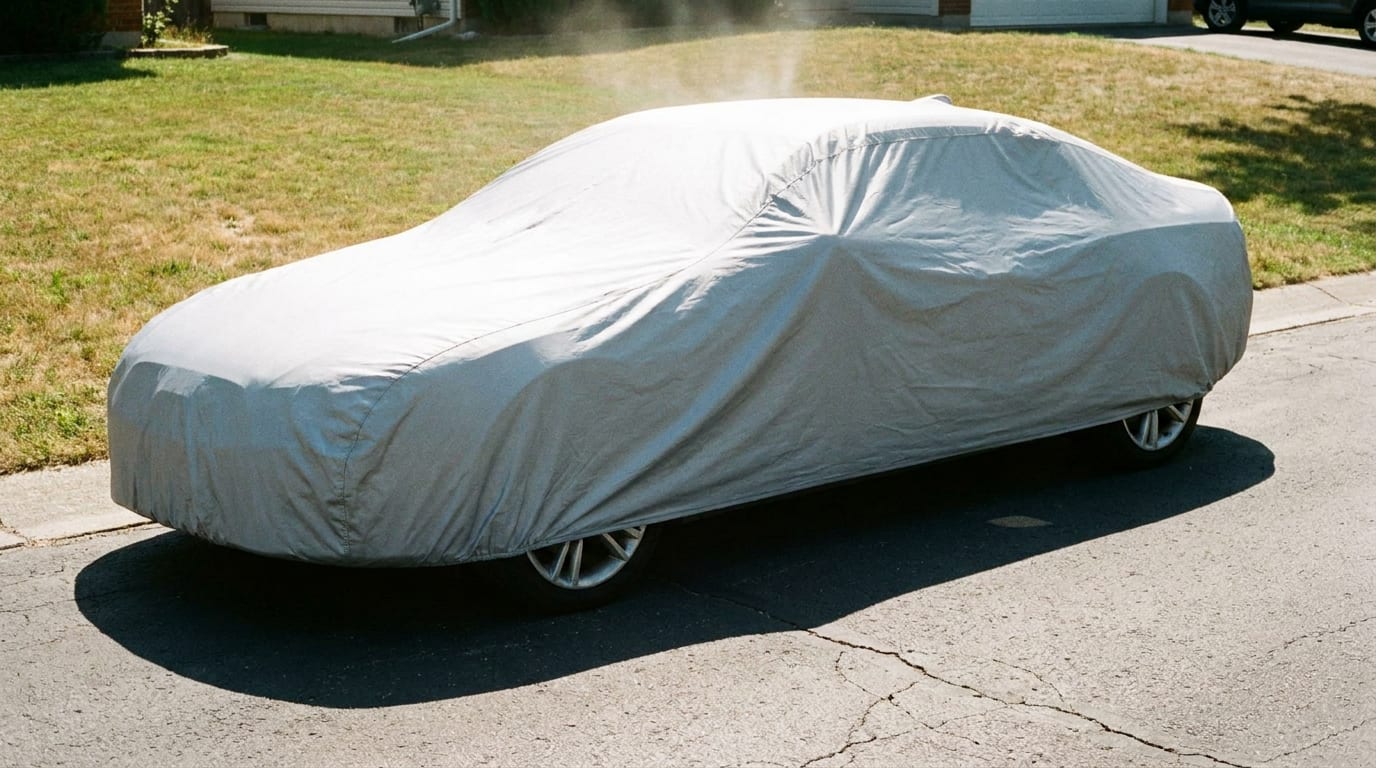
A cover doesn't change the chemistry of your paint at all. It just gets between the paint and everything trying to damage it.
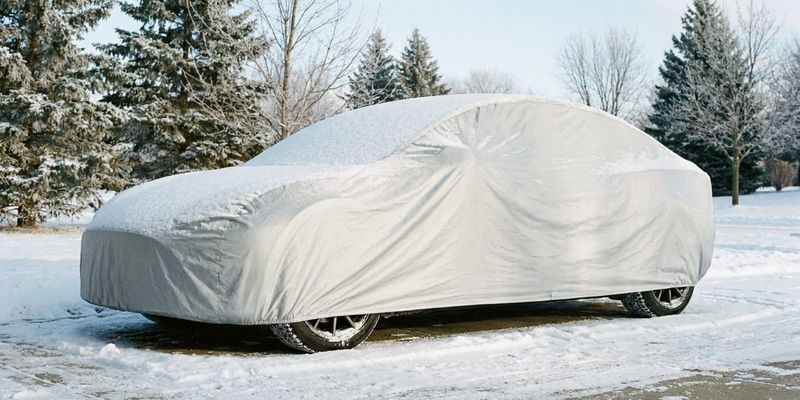
A quality outdoor cover blocks continuous UV exposure (not just a few weeks of it), catches bird droppings and sap before they ever touch the surface, and keeps dust and pollen from grinding in with every breeze. It also softens the blow from light hail and falling debris, and keeps overnight dew and frost off the finish so you're not scraping ice or wiping condensation that pulls dust with it.
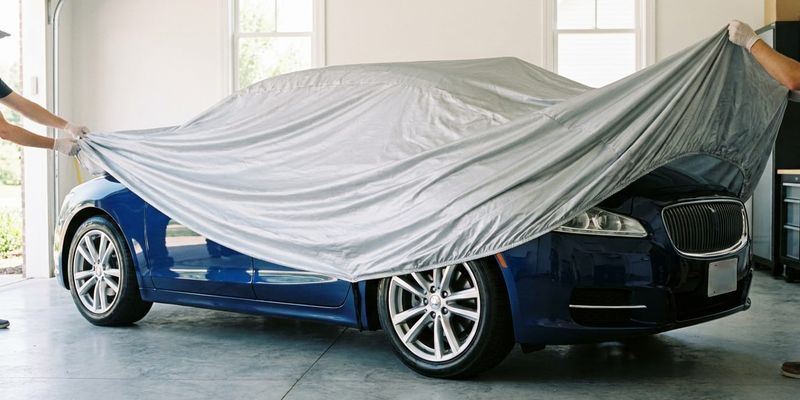
Here's the catch, though: a cover is only as good as its fit and fabric. A loose universal cover flapping in the wind can rub against the clear coat and cause the exact micro-scratching you bought it to prevent. A non-breathable cover trapped over a warm engine bay can hold in moisture and create its own problems. Fit and material quality aren't optional details, they're the whole point. That's why it's worth reading up on using a car cover outdoors before assuming any cover will do.
Covers also need their own upkeep. A cover caked in grit and then folded up dirty will grind that same grit into your paint the next time it's on. A quick routine for cleaning a car cover keeps it doing its job instead of undoing it.
Car Cover vs. Wax: Side-by-Side Comparison
Laid out next to each other, the differences are pretty stark.
| Factor | Wax | Car Cover |
|---|---|---|
| Cost | $15-60 per application | $100-300+, lasts multiple seasons |
| Protection duration | 6-12 weeks before breakdown | Continuous, every time it's on |
| UV protection | Moderate, short-term | Blocks nearly all direct UV while parked |
| Physical damage (hail, scratches) | None | Real buffer against light impacts |
| Contaminant protection | Easier cleanup after contact | Prevents contact in the first place |
| Maintenance effort | Full reapplication every 1-3 months | Periodic cleaning, correct on/off handling |
| Best for | Daily drivers wanting gloss and easy wash day | Outdoor, seasonal, or long-term parking |
If your car lives in a garage and only sees weather on the drive to work, wax might genuinely be enough. If it sits outside under a tree, near a coastline, or through storm season, a cover is doing work wax simply can't touch, including hail protection that no amount of polish will give you.
When It Makes Sense to Use Both Together
This is where the car cover vs wax for paint protection question stops being a competition and becomes a layering strategy. Wax (or a sealant or ceramic coating, if you want something longer-lasting) protects the clear coat chemically. A cover then shields that waxed surface from UV and debris, which means the wax itself breaks down slower because it's not taking direct sun and grit all day.
If you're parking a vehicle for an extended stretch, wax it first. Don't let it sit bare under a cover for months waiting for the next detail session. A waxed surface under a cover is protected on two fronts at once; a bare surface under a cover is still exposed to whatever moisture or oxidation happens underneath.
This combination earns its keep for garage-kept classics that still get driven occasionally, seasonal vehicles coming out of storage a few times a year, and anything parked outdoors in harsh sun or storm-prone regions. Check out general car care guides or browse car care and detailing products if you're building out that routine from scratch.
Choosing the Right Cover If You Go That Route

Not all covers are built the same, and the wrong one can undo the benefit you're after. Look for a breathable, multi-layer fabric made for outdoor use, with a UV rating that actually holds up to daily sun, and a snug fit that matches your vehicle's exact dimensions rather than a generic "fits most" shape.
An ill-fitting universal cover is worse than no cover in windy conditions. It shifts, flaps, and rubs the same spots over and over, which is how you end up with faint swirl marks across a hood that was otherwise fine. A custom-fit car cover solves that problem because it's cut to your vehicle instead of approximating it.
Also worth knowing: indoor and outdoor covers aren't interchangeable products. An indoor car cover is built with lighter fabric meant for dust protection in a garage, not UV and weather resistance outside. Using one outdoors defeats the purpose, and using a heavy outdoor cover indoors is overkill. Match the product to where the vehicle actually sits.
Bottom Line and Next Step
Wax is a short-term cosmetic and chemical layer. A cover is a long-term physical barrier. Which one you lean on depends entirely on how and where your vehicle spends its time.
If you're parking outdoors regularly, or storing a vehicle seasonally, start with a cover that actually fits your car, then add wax on top for the chemical protection a cover alone can't provide. Together they cover (no pun intended) both halves of the problem instead of leaving one wide open.
Curious what else protects a finish over the long haul? Poke around the blog for more car care breakdowns, or stick around and subscribe if you want this kind of practical comparison delivered straight to you.