Car Cover Water Column Rating Explained: What It Means and Which Cover You Need
Published

What Does "Water Column Rating" Even Mean?
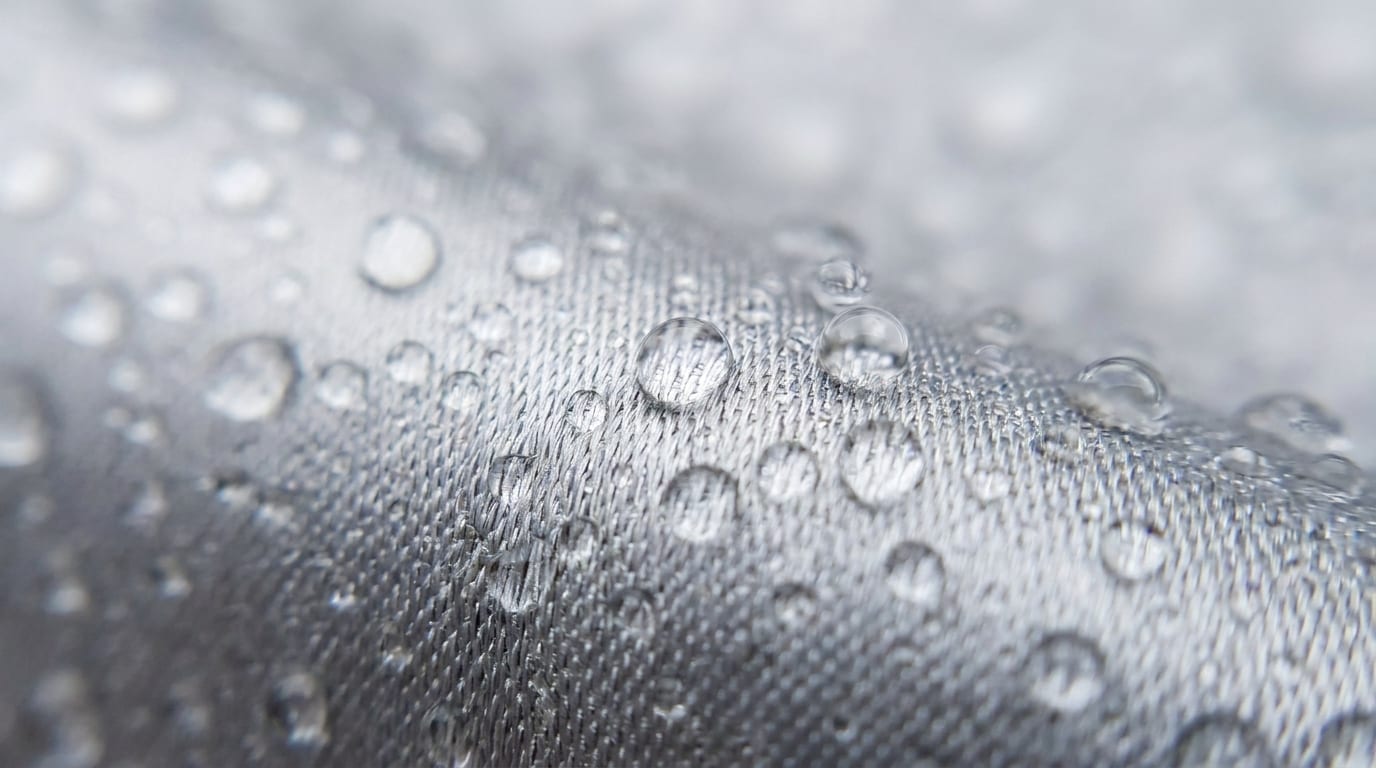
Water column rating is the number that actually tells you whether a cover will keep water out, instead of just promising to. It's measured in millimeters, and it represents how tall a column of water a fabric can hold on top of itself before moisture starts pushing through. Higher number, more pressure the fabric resists, simpler as that.
This isn't a marketing term someone made up to sound technical. It comes from a real hydrostatic pressure test run on the fabric itself, before it's ever sewn into a cover. A lab places the material under a rising column of water and watches for the first sign of seepage. Whatever height it survives becomes the rating.
Here's roughly how the numbers break down. Anything under 1,000mm is fine for mist or light dew, but it's not going to hold up to real weather. The 1,000 to 3,000mm range handles steady rain reasonably well. Once you get to 5,000mm and above, you're looking at a fabric built for driving rain and standing water, the kind that pools on a hood overnight.
One thing people mix up constantly: water column rating isn't the same spec as breathability, which is measured in grams per square meter over 24 hours. A fabric can score high on water column and still trap condensation underneath if it doesn't breathe. A genuinely good car cover with water column rating needs both numbers working together, not just one impressive figure on the box.
Why This Number Matters for an Outdoor Car Cover
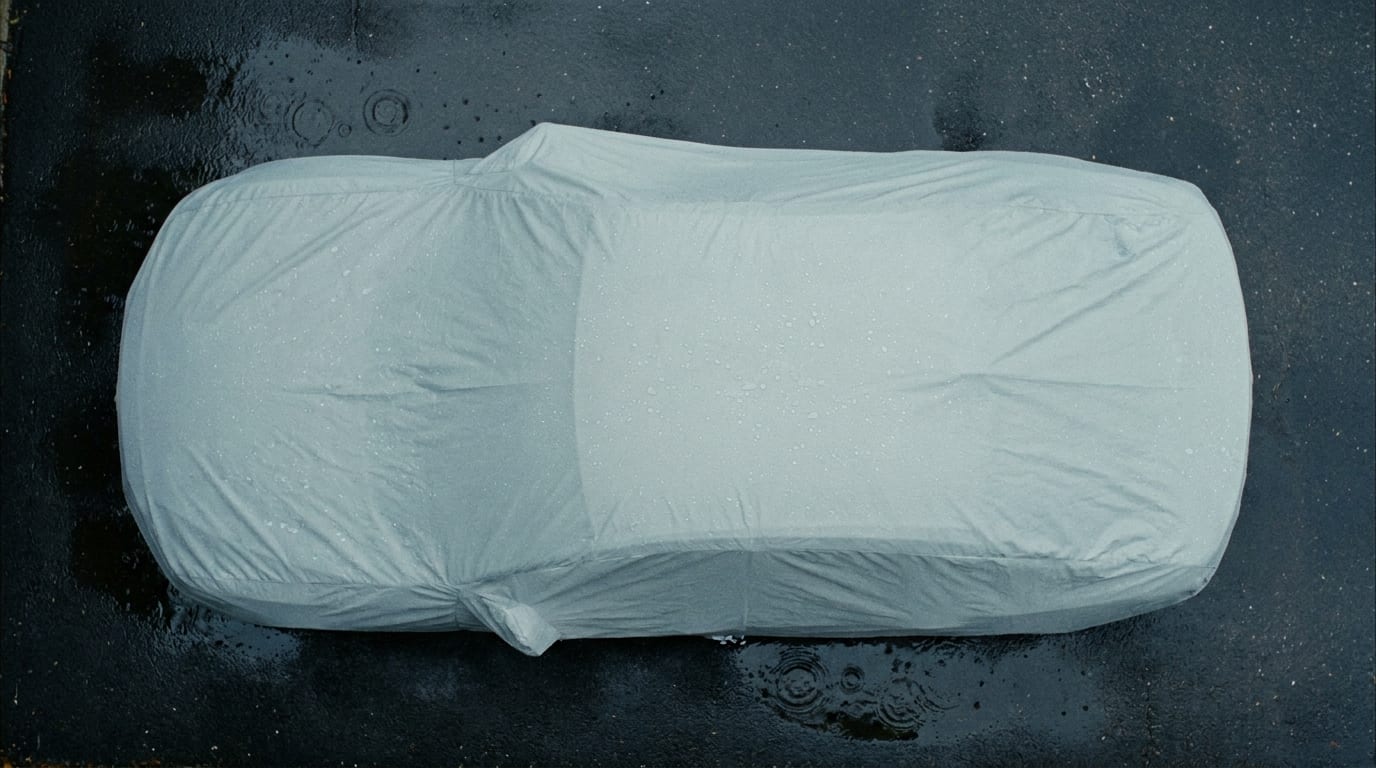
If your car lives outside full time, it's not dealing with the occasional shower. It's sitting through hours, sometimes days, of sustained exposure. A cover rated for light resistance just isn't built for that kind of workload, and it'll fail long before the storm does.
Here's what that failure actually looks like. Water starts wicking through the weave itself. It soaks into the padding layer underneath. And because that moisture is now trapped against the paint with nowhere to go, you can end up worse off than having no cover at all. A soaked cover sitting on a hood for two days is arguably doing more damage than bare metal exposed to the same rain.
Indoor and dust covers don't even play in this conversation. They're not tested for water column resistance in any meaningful way, because they were never designed to meet rain. If you're weighing indoor car covers against something built for the elements, that's really a different product category, not a lower tier of the same one.
And ratings aren't static over time. UV exposure breaks down fibers, and repeated wet/dry cycles wear on the coating that gives a fabric its resistance in the first place. A cover can ship with a strong water column number and still lose effectiveness after a couple of seasons if the underlying material isn't built to hold up. Rating gets you in the door. Material quality is what keeps that rating honest two years later.
Reading the Spec Sheet: What to Look For
Before you buy anything, check for an actual number. If a listing just says "waterproof" with nothing to back it up, that's a red flag, not a selling point.
A few things worth confirming on any spec sheet:
- A stated water column number, in millimeters, not just the word "waterproof"
- Confirmation that the rating was tested on the shell fabric itself, not some average across the whole product
- Whether seams are taped or sealed separately. Seams are usually where water actually gets in, rating or no rating
- A breathability number listed alongside the water column figure
"Water-resistant" and "waterproof" aren't regulated terms. Any manufacturer can use either word however they want. The water column number is really the only objective way to put two covers side by side and know which one actually performs better in rain.
Don't ignore breathability while you're at it. A cover with a great water column rating but poor airflow underneath can trap condensation just as badly as a cheap one trapping rain. You want both specs working in the same direction, not one compensating for the other.
Match the rating to where you actually park the car. Light-rain regions can get away with a mid-tier rating and be fine most of the year. Areas with heavy or prolonged rainfall, the Pacific Northwest, the Gulf Coast, anywhere storms sit around for days, warrant the highest rating you can find. Our waterproof car cover guide breaks down fabric tiers by their actual tested numbers if you want to compare before buying.
Matching a Water Column Rating to Your Driving Pattern
Not every outdoor situation needs the same level of protection. It depends on how often the car sits exposed and for how long.
Daily drivers parked outside need a cover built for repeated wet exposure, not just the occasional downpour. Think about what that cover goes through: on, off, on, off, day after day, getting rained on mid-cycle more often than not. That's a different kind of stress than a car that sits untouched all winter.
Seasonal storage is its own case. Winter layup, an extended trip, anything where the cover stays on for weeks without being pulled off, calls for the highest water column rating you can get, paired with a breathable layer underneath so moisture has somewhere to go. Our guide to using a car cover outdoors gets into the wind, UV, and moisture tradeoffs in more detail.
Covered parking or a garage with occasional outdoor exposure doesn't need the top-tier rating. A mid-tier waterproof cover usually does the job, and there's no real reason to pay for protection you won't use most of the year.
One more thing worth factoring in if you're in a hail-prone region: rain resistance and impact resistance aren't the same property. A high water column rating says nothing about how a fabric holds up against hail. If that's a real risk where you live, weigh it alongside waterproofing, not as an afterthought. Our hail car cover guide covers that side specifically.
Shop Covers With a Verified Water Column Rating
Once you know roughly what rating you need, the easiest way to compare options is by fabric tier. Our waterproof car cover guide lines up each tier by its actual rated water column number, so you're not guessing based on marketing copy.
Still deciding whether you need outdoor-grade protection at all? The outdoor car cover guide walks through that decision against indoor use cases, which matters because buying outdoor-rated protection you don't need just means paying for a feature set that's wasted in a garage.
Get the fit right before you get hung up on fabric specs. A cover that doesn't sit snugly against the body will let water in around the gaps no matter how high the rating is. The sizing guide is worth five minutes before you compare waterproofing numbers.
From there, browse the car cover category and filter by vehicle to see waterproof options sorted by tier.
Caring for a Waterproof Cover So the Rating Holds Up
A water column rating isn't a one-time guarantee. It's a property of the fabric's coating, and that coating can wear down faster than you'd expect if the cover isn't cared for.
Dirt and debris left sitting on the fabric grind into the weave over time and degrade the water-repellent treatment faster than normal weather exposure would on its own. Washing matters more than people think. Follow the cover cleaning guide and skip harsh detergents, since a lot of common cleaners strip the exact coating that gives the fabric its rating in the first place.
Worth checking before you buy, too: a lifetime warranty on car covers is often there for exactly this kind of issue. Fabric degradation claims are usually what warranties like this are built to cover, so it's worth knowing what's included before you need it, not after.
And don't skip installation. Straps and a secure fit keep the cover from bunching or sagging in spots where water can pool. A high rating doesn't help much if the cover's loose enough to collect a puddle on the roof.
Bottom Line: Pick the Rating That Matches Your Weather, Not the Highest Number
The right water column rating depends on your climate and how the car is stored, not on grabbing whatever number sounds most impressive on the label. Someone parking under an overhang in a dry climate doesn't need the same fabric as someone leaving a car outside through a wet winter.
Rating, breathability, and fit all work together. None of them alone determines how well a cover actually performs once it's raining for real. For a deeper look at how these fabrics are engineered, the waterproof fabrics article gets into the technical side if you want to understand the material itself, not just the number.
If you'd rather skip the research and just find something that fits, the cover finder tool will match your vehicle to a waterproof-rated option in a couple of clicks. And if you found this useful, stick around the blog, we cover this kind of practical buying question regularly.