


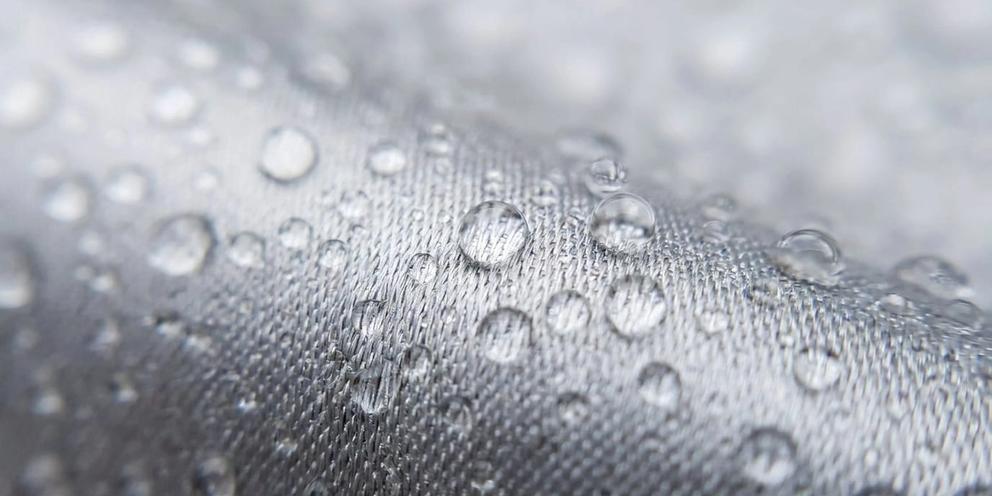
Cotton vs. Polyester Car Cover: Which Material Actually Protects Better?
Quick Verdict: Cotton vs. Polyester Car Covers
Short answer: if your car lives outside, polyester wins. Woven or laminated polyester sheds rain, blocks UV, and won't turn into a wet blanket after a storm. If your car lives in a garage, cotton wins. It breathes, it's soft against clear coat, and it doesn't need to fight off weather it'll never see.
There's no universal champion in the cotton vs polyester car cover debate. The right pick depends entirely on where your vehicle sits when it's not being driven. Below, we break down the full comparison, attribute by attribute, so you can match the fabric to your actual storage situation instead of guessing.
Cotton vs. Polyester Car Covers at a Glance
Material composition
- Cotton: Natural fiber, often flannel or brushed cotton, sometimes blended with polyester for strength
- Polyester: Synthetic fiber, woven or laminated, frequently layered with microporous film for weatherproofing
Breathability
- Cotton: High, natural airflow reduces trapped moisture
- Polyester: Lower unless treated with venting or microporous layers
Water/rain resistance
- Cotton: Poor untreated, absorbs moisture and stays damp
- Polyester: Strong when coated or laminated, sheds water on contact
UV/sun resistance
- Cotton: Moderate, fibers break down faster under prolonged sun
- Polyester: Strong with UV-resistant coatings, holds color and structure longer
Weight
- Cotton: Heavier, especially flannel styles
- Polyester: Lighter, packs down smaller
Durability/expected lifespan
- Cotton: Good indoors, wears faster with outdoor exposure
- Polyester: Better tear resistance, handles repeated on/off use and wind
Indoor vs. outdoor suitability
- Cotton: Built for indoor storage
- Polyester: Built for outdoor or mixed-exposure storage
Average price range
- Cotton: Entry to mid-range
- Polyester: Mid to premium, depending on coating quality
Cleaning difficulty
- Cotton: Needs regular washing and full drying to avoid mildew
- Polyester: Easier to wipe down, dries faster
Hybrid covers split the difference: a polyester shell with a soft fleece or cotton-blend lining gives you weather protection outside and a paint-safe layer against the vehicle. If you're torn between the two fabrics, a blend is often the pragmatic middle ground.
Breathability and Moisture Protection
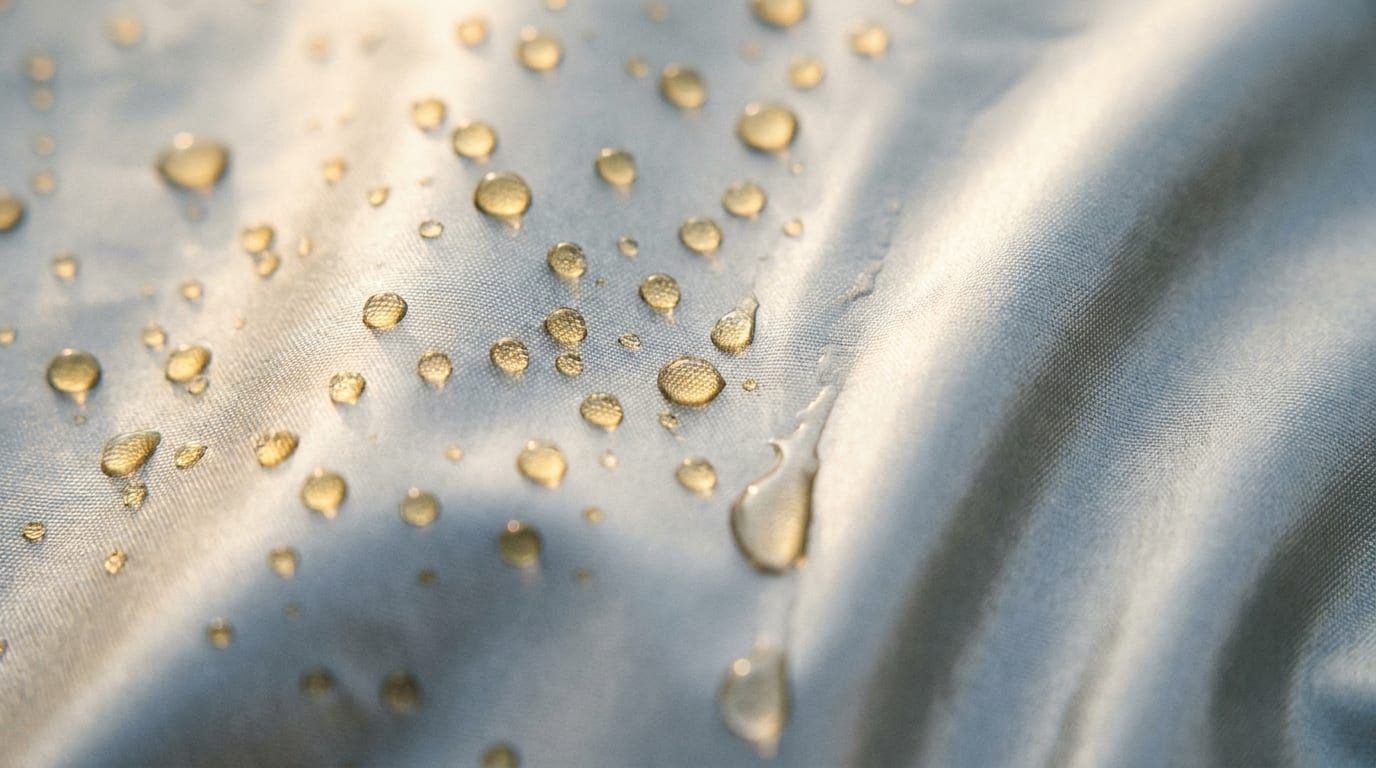
Cotton breathes. That's its whole selling point. Natural fibers let air move through the fabric, which helps prevent the kind of trapped condensation that turns into mildew spots on a hood. In an enclosed garage where humidity swings with the seasons, that airflow matters.
Untreated polyester breathes less. The weave is tighter, and without added engineering, moisture that gets underneath has nowhere to go. That's why decent outdoor-rated polyester covers add microporous membranes or built-in vents, they're designed to let interior moisture escape while still blocking rain from getting in.
Here's the part that trips people up: a cheap, plastic-backed cover in either fabric can trap moisture against the paint. That's a construction and fit issue as much as a fiber issue. A poorly made cotton cover with a rubberized backing will hold water just as badly as bargain polyester. So don't shop by fiber name alone, check what's actually laminated or coated onto it.
If you're still not sure which environment applies to you, our breakdowns on indoor car covers and outdoor car covers walk through how to tell the difference, and our guide to choosing the best car cover material goes deeper on fiber types beyond just cotton and polyester.
Weather Resistance and UV Protection
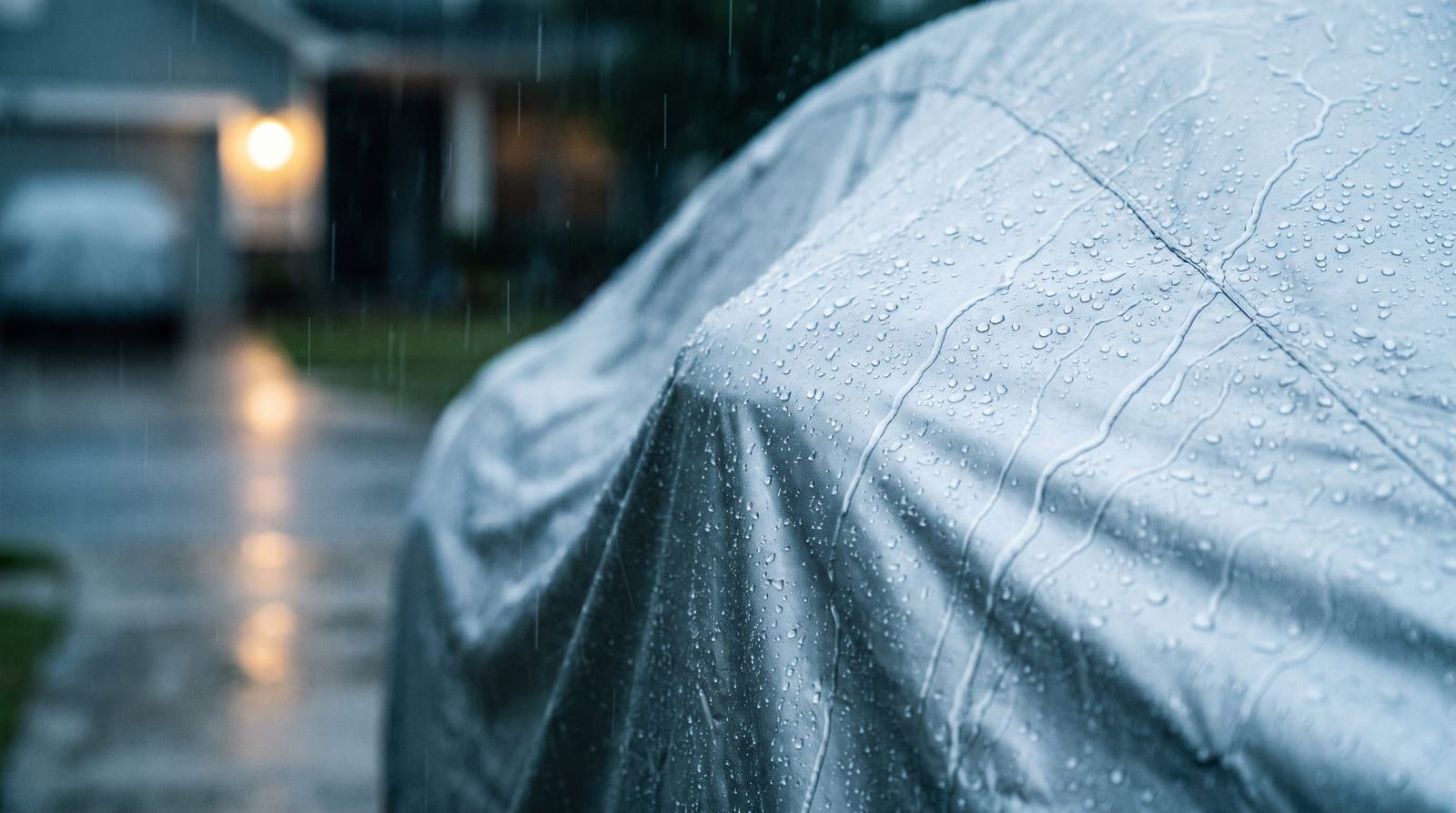
Rain performance isn't close. Treated polyester sheds water and resists mildew growth far better in wet climates. Plain cotton soaks it up like a towel, then needs time on a rack to dry out before you fold it away, otherwise you're storing a damp cover, which defeats the purpose entirely.
Sun tells a similar story. Polyester with UV-resistant coatings holds up against fading and fiber breakdown in high-sun regions, Arizona and Florida being the obvious examples. Cotton degrades faster under constant direct sun, the fibers get brittle, the color fades, and eventually it just doesn't offer much protection anymore.
One thing worth saying plainly: neither raw cotton nor raw polyester is inherently waterproof. Water resistance comes from the weave density and the coating applied, not the fiber itself. A "polyester cover" with no coating will still let water through eventually. Check the actual waterproof rating on the product page rather than assuming the fabric name guarantees performance. Our guide on using a car cover outdoors covers what those ratings actually mean in practice.
Durability, Weight, and Ease of Handling
Polyester fibers are tougher against tearing and abrasion, plain and simple. If you're pulling a cover on and off daily, or it's flapping in wind for hours at a time, polyester holds up longer before you see frayed seams or worn spots at the mirror pockets.
Weight is the other practical difference. Polyester covers are typically lighter and compress into a smaller bag, which matters if you're storing it in a trunk or hauling it to a car show. Cotton flannel covers are noticeably bulkier and heavier, not a dealbreaker for a garage shelf, but annoying if you're moving it around often.
Where cotton earns its keep is softness. Cotton and cotton-blend linings are gentler against clear coat, which is exactly why so many indoor covers for classics and low-mileage collector cars use a cotton-flannel interior even when the outer shell is something tougher. If you're covering a daily driver every night in the garage, that softness reduces the risk of fine scratching over hundreds of on/off cycles. Whatever fabric you land on, make sure it's actually sized to your vehicle, a loose cover shifts around and causes more paint wear than the fabric choice ever will.
Cost and Long-Term Value
Cotton and cotton-blend indoor covers usually sit at entry-to-mid price points. They're simpler to manufacture and don't need the coatings that drive up cost. Weatherproof polyester or laminate outdoor covers cost more, and that premium is paying for the UV inhibitors, water-repellent treatments, and reinforced seams that make outdoor exposure survivable.
Think about this in terms of cost per year of actual protection, not the sticker price. A cheap cover that lets UV through or soaks up rain isn't saving you money, it's setting you up for a paint correction bill down the line that costs a lot more than the difference between a budget and a quality cover would've been.
Ongoing care matters too. Cotton typically needs more frequent washing and full drying to stay mildew-free, treated polyester generally wipes down faster and dries quicker. If you're the type who won't stay on top of a wash schedule, that's worth factoring in before you buy. Our car cover cleaning guide has the specifics on caring for either fabric properly.
Which Material Fits Your Use Case
Garaged, indoor storage: go cotton or a cotton-blend. You get softness, breathability, and no need to fight off weather that never touches the car anyway.
Daily outdoor exposure to rain, sun, or a mixed climate: go weatherproof polyester or a laminate blend. Nothing else in this comparison shields against both water and UV as consistently.
Classic cars, luxury vehicles, or long-term storage: prioritize breathability and a gentle fabric, even if that means committing to indoor-only storage. A car that's parked for months at a time is more vulnerable to trapped moisture than to a random rainstorm.
And regardless of fabric, fit matters just as much. A loose universal cover in either material will flap in wind, chafe against paint, and let moisture creep in at the gaps. Check out the full lineup of car covers by vehicle to find something built to your car's actual dimensions rather than a generic "large sedan" size.
Final Take and Next Steps
Match the fabric to where the car actually lives first. Once you know that, cotton or polyester, indoor or outdoor, then you can get picky about fit, color, and features within that category.
Don't rely on the fiber name alone when you're comparing products. Check the waterproof rating, check the breathability spec, and check what's actually laminated onto the fabric. That's the real difference-maker in any cotton vs polyester car cover comparison, not just what the label says.
If you want to browse what's actually available for your vehicle, from cotton-lined indoor options to fully weatherproofed outdoor polyester, it's worth checking our car cover guides section for more comparisons like this one before you decide, or explore our category pages by vehicle to see current options side by side.
Updated